







Gastritis: Causes, Symptoms and Nutritional Support
Posted on:
Aug 05, 2026
Authored by


Written and medically reviewed by Dr Zeeshan Afzal (MBBS) — Medical Doctor & Medical Content Lead, Welzo
Evidence-based · Aligned with NHS and international gastroenterology guidance
Last updated: January 2026 · Reading time: ~14 minutes
Gastritis simply means inflammation of the stomach lining, and it's one of the most common conditions in digestive health — driven largely by Helicobacter pylori infection, which affects around half the world's population. Many people have never heard the word until a doctor mentions it, and fewer still know which gut health supplements genuinely help. For some it causes a nagging burning pain or persistent indigestion; for others it produces no symptoms at all and is found by chance during an endoscopy.
This doctor-reviewed guide explains what gastritis is, what causes it, how it's diagnosed and treated, and — because it's what people most want to know — how diet and nutrition can support recovery. The honest headline is that treating the underlying cause matters most, but sensible eating and a few well-chosen supplements can genuinely help the stomach lining heal and stay comfortable.
The short version: Gastritis is inflammation of the stomach lining, most often caused by H. pylori, NSAID painkillers or alcohol. Treatment targets the cause — eradicating the bacteria, stopping the irritant, and using acid suppression to allow healing. A plant-rich diet, limiting alcohol and salt, and supportive supplements can help. Explore Welzo's gut health range, and see a GP for any warning signs.

Table of contents
Gastritis is inflammation, irritation or erosion of the mucosa — the protective lining of the stomach. Normally this lining, along with a layer of mucus and a healthy blood supply, shields the stomach wall from its own powerful acid. When that defence is disrupted, the lining becomes inflamed, which is what we call gastritis.
Doctors classify gastritis in a few ways. Acute gastritis comes on suddenly and is usually temporary, often triggered by a medication, alcohol or physical stress on the body. Chronic gastritis develops slowly and persists, most commonly because of long-standing H. pylori infection. Chronic gastritis is further divided into non-atrophic and atrophic forms; over years, untreated inflammation can progress to atrophic gastritis, where the specialised cells of the lining are gradually lost.
You'll also see the related term gastropathy, which describes damage to the lining with little true inflammation — typically from irritants like NSAIDs or bile. The distinction matters to pathologists but, for most people, the practical picture is the same: an irritated stomach lining that needs the irritant removed and time to heal. A healthy, diverse microbiome and a robust gut barrier support that recovery.
Gastritis nearly always has an identifiable cause, and pinning it down is the key to treating it. The main culprits are:

Gastritis is famously variable. A great many people — particularly those with H. pylori — have no symptoms at all. When symptoms do occur, the most common is dyspepsia: a burning or gnawing pain or discomfort in the upper abdomen. Others include:
Symptoms often overlap with acid reflux and other upper-gut complaints, which is why testing matters — see our comparison of soothing options in the acid reflux guide. In autoimmune gastritis, the earliest sign may not be stomach pain at all but the fatigue and other features of B12 deficiency. And crucially, gastritis can sometimes cause bleeding from the lining — the warning signs of which are covered in the red-flag section below and should never be ignored.
Because symptoms alone can't distinguish gastritis from reflux, ulcers or other conditions, diagnosis usually involves finding the cause. The main tools are:
If you're ever told your stomach acid is "too low," that finding belongs in this medical context rather than being self-diagnosed; our guide to low stomach acid symptoms explains why professional assessment matters.
No specific "gastritis diet" cures the condition, and food is not a substitute for treating the cause. But what you eat can meaningfully reduce irritation, support the mucosal lining and help you feel better while healing takes place. The evidence-informed principles below are gentle, sustainable and worth applying.
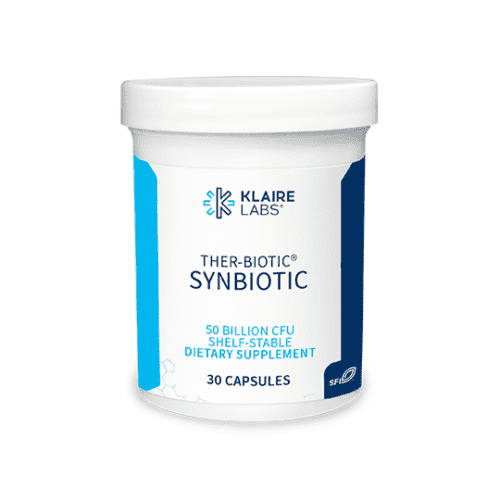
Supplements play a supporting role in gastritis — they don't replace treating the cause, and the evidence varies by ingredient. The most relevant, used sensibly and ideally with professional guidance, are:
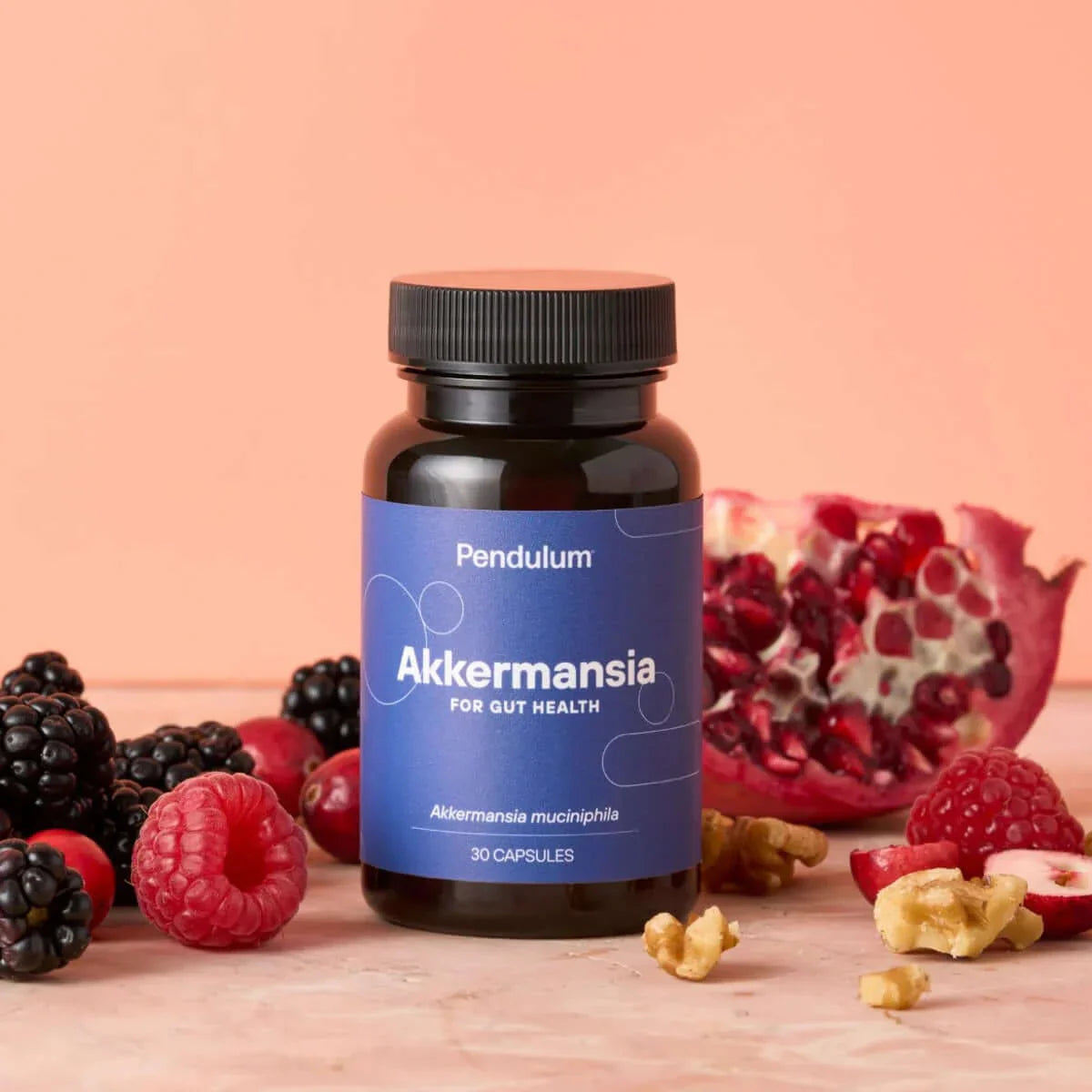
Some popular gut supplements target different goals altogether and are not gastritis treatments: berberine, for example, is studied for blood sugar and gut microbes rather than as a stomach-lining therapy, while prebiotic fibres such as citrus pectin and mucin-associated species like Akkermansia support the wider microbiome. They can fit into a general gut-health routine but shouldn't distract from treating the cause of gastritis.
Effective treatment follows directly from the cause. If H. pylori is found, a course of antibiotics combined with acid-suppressing medication (eradication therapy) clears the infection and allows the lining to heal. If NSAIDs are responsible, stopping them — or switching to safer pain relief with stomach protection — is central. Reducing alcohol removes another common irritant.
Alongside removing the cause, doctors often prescribe acid-suppressing medicines such as proton pump inhibitors (PPIs) to lower acid and give the inflamed lining a chance to recover. In autoimmune gastritis, treatment focuses on replacing vitamin B12 and monitoring for complications rather than on the inflammation itself. Most gastritis improves well once the underlying trigger is addressed, though chronic forms may need ongoing follow-up. For broader recovery of the stomach and microbiome, sensible eating and the general principles of good gut health support the process.
Preventing gastritis from returning often comes down to the same factors that caused it. If H. pylori was treated, a follow-up test confirms it's gone, since a missed infection will keep the inflammation smouldering. If painkillers were the trigger, using the lowest effective dose of NSAIDs — or a gentler alternative — and keeping alcohol moderate protects the lining going forward. People with autoimmune gastritis benefit from ongoing monitoring of vitamin B12 and, where advised, periodic surveillance because of the small long-term risks. In short, gastritis is very often preventable and treatable once the cause is understood, and most people recover well and stay well by keeping that cause in check.
Mild, short-lived indigestion is common and often settles. But gastritis can occasionally bleed or signal something more serious, and persistent symptoms deserve proper assessment rather than repeated self-treatment. Seek medical advice — and treat some symptoms as urgent — as follows.
See a doctor urgently if you have:
Read more on when to see a GP about stomach symptoms, and see NHS — Gastritis.
The most common cause of chronic gastritis worldwide is Helicobacter pylori infection, a bacterium that colonises the stomach lining. Other frequent causes include regular use of NSAID painkillers such as ibuprofen and aspirin, and alcohol. Less common causes include autoimmune gastritis, bile reflux and severe physical stress from major illness.
Many people have no symptoms. When they occur, the most common is a burning or gnawing pain in the upper abdomen, along with nausea, bloating, feeling full quickly, and loss of appetite. Autoimmune gastritis may show up as tiredness from vitamin B12 deficiency. Signs of bleeding — vomiting blood or black stools — need urgent care.
Acute gastritis often improves within days to a couple of weeks once the irritant is removed. Chronic gastritis, particularly from H. pylori, needs the underlying cause treated and can take longer to settle. Healing time depends on the cause and on avoiding ongoing triggers such as NSAIDs and alcohol.
A plant-rich, varied diet with plenty of vegetables, fruit, wholegrains and legumes supports the stomach and microbiome. Smaller, regular meals are gentler on an inflamed lining, and fermented foods provide live cultures. Sulforaphane-rich broccoli sprouts have shown benefit against H. pylori in research, as gentle support alongside treatment.
Limit alcohol, which directly irritates the lining, and cut back on very salty, heavily processed foods. Avoid unnecessary NSAID painkillers. Spicy, fatty, acidic or caffeinated foods don't cause gastritis but can aggravate symptoms in some people, so use a short food diary to identify and moderate your personal triggers.
Mild acute gastritis from a one-off irritant often settles by itself once the trigger stops. However, gastritis caused by H. pylori or ongoing NSAID use usually won't resolve until the cause is treated. Persistent or recurring symptoms should be assessed by a doctor rather than left to clear on their own.
Most gastritis is manageable and improves with treatment. However, long-standing H. pylori gastritis can, over many years, progress to atrophic gastritis and modestly raise the risk of gastric cancer, which is one reason treating the infection matters. Gastritis can also cause bleeding. Warning symptoms warrant prompt medical review.
No supplement cures gastritis. Zinc carnosine has the clearest rationale for supporting the stomach lining, and probiotics have good evidence as an adjunct during H. pylori eradication, improving success rates and reducing side effects. Soothing herbs like DGL are gentle traditional options. Supplements support, but don't replace, treating the cause.
Severe physical stress — from major illness, serious burns or major surgery — can cause acute gastritis. Everyday psychological stress is a weaker and less certain cause, though it can make symptoms feel worse and may influence eating and drinking habits that irritate the stomach. Managing stress is a sensible part of overall recovery.
Gastritis is usually confirmed by endoscopy with biopsy, which lets a doctor view the stomach lining and take tissue samples. H. pylori is checked with a breath test, stool test or biopsy, and blood tests can assess anaemia, vitamin B12 and autoimmune antibodies. Testing matters because gastritis symptoms overlap with reflux and ulcers.
Medical disclaimer: This article is for general information and education only and does not constitute medical advice, diagnosis or treatment. It should not replace consultation with a qualified healthcare professional. Supplements are not intended to diagnose, treat, cure or prevent any disease. Persistent stomach symptoms, or any warning signs described above, should be assessed by a doctor. Always seek advice before starting new supplements or stopping prescribed medication, particularly if you are pregnant, breastfeeding or have an existing condition.
About the author
Dr Zeeshan Afzal (MBBS) is a practising medical doctor and Welzo's Medical Content Lead. He writes and reviews Welzo's health content to ensure it is accurate, evidence-based and aligned with current UK clinical guidance, translating complex research into practical advice patients can trust.


