





PQQ vs. CoQ10: Was ist besser zur Unterstützung der Mitochondrien?
Posted on:
Jul 24, 2026
Authored by


„PQQ oder CoQ10?“ – das ist eine der häufigsten Fragen zum Thema mitochondriale Gesundheit – und die Antwort lautet nicht einfach: „Das eine ist besser.“ Die beiden Verbindungen unterstützen Ihr zelluläres Energiesystem auf grundlegend unterschiedliche Weise. Coenzym Q10 (CoQ10) optimiert die Mitochondrien, die Sie bereits haben, während Pyrrolochinolinchinon (PQQ) Ihrem Körper hilft, völlig neue aufzubauen.
Um zu erfahren, wo beide im Vergleich zu anderen Alternativen stehen, beginnen Sie mit unserem Leitfaden zu Nahrungsergänzungsmitteln für ein langes Leben. Wenn Sie bereits wissen, auf welchen Stoffwechselweg Sie abzielen, stöbern Sie im PQQ-Sortiment – darunter „Welzo Ultra Purity PQQ 40 mg“ – oder in der umfassenderen Kollektion für Anti-Aging und Langlebigkeit.
Dieser Leitfaden erläutert die wissenschaftlichen Hintergründe, die Erkenntnisse aus Studien am Menschen, die Dosierung, die Sicherheit und – ganz entscheidend – wann Sie sich für das eine, das andere oder beides entscheiden sollten.
Inhaltsverzeichnis
Sowohl PQQ als auch CoQ10 sind redoxaktive Verbindungen, die an der Energiegewinnung Ihrer Zellen beteiligt sind – sie spielen jedoch unterschiedliche Rollen. Stellen Sie sich Ihre Mitochondrien als eine Flotte von Kraftwerken vor. CoQ10 sorgt dafür, dass jedes bestehende Kraftwerk effizient läuft, und schützt es vor Schäden. PQQ signalisiert Ihrem Körper, mehr Kraftwerke zu bauen.
Hier ist die Kurzfassung, bevor wir ins Detail gehen:
| Eigenschaft | CoQ10 (Coenzym Q10) | PQQ (Pyrrolochinolinchinon) |
|---|---|---|
| Hauptfunktion | Elektronenträger in der Energiekette; optimiert bestehende Mitochondrien | Regt die mitochondriale Biogenese an – die Bildung neuer Mitochondrien |
| Antioxidans | Ja, fettlöslich; schützt die Zellmembranen | Ja, und kann tausende Male zirkulieren, ohne sich abzubauen |
| Evidenzbasis | Umfangreich – jahrzehntelange Studien, darunter eine Studie zu kardiovaskulären Endpunkten | Im Aufbau – kleinere Studien am Menschen, aussagekräftige mechanistische Daten |
| Typische Dosis | 100–300 mg/Tag | 10–20 mg/Tag |
| Am besten geeignet für | Statin-Anwender, Herzgesundheit, allgemeine Energie, über 40-Jährige | Unterstützung der kognitiven Funktionen, bei Müdigkeit, für einen besseren Schlaf, zum Aufbau der Stoffwechselkapazität |
Wenn Sie sich in diesem Bereich noch nicht auskennen, finden Sie in unserem umfassenden Leitfaden zu Nahrungsergänzungsmitteln für ein langes Leben Informationen zu CoQ10 und PQQ im breiteren Kontext der evidenzbasierten Alterungsforschung.
Mitochondrien sind die Organellen in fast jeder Zelle, die Nahrung und Sauerstoff in Adenosintriphosphat (ATP) umwandeln – das Molekül, das Ihr Körper als Energiewährung nutzt. Sie erzeugen den Großteil der zellulären Energie durch einen Prozess, der als oxidative Phosphorylierung bezeichnet wird.
Die Herausforderung besteht darin, dass die Anzahl und Effizienz der Mitochondrien mit zunehmendem Alter abnehmen. Dieser Rückgang ist eines der anerkannten Kennzeichen des Alterns – „mitochondriale Dysfunktion“ steht neben Faktoren wie genomischer Instabilität und zellulärer Seneszenz im Rahmen der modernen Langlebigkeitsforschung. Eine verminderte mitochondriale Leistungsfähigkeit wird mit der Müdigkeit, der langsameren Erholung und der geringeren Belastbarkeit in Verbindung gebracht, die viele Menschen ab ihrem 40. Lebensjahr bemerken.
Laut dem Office of Dietary Supplements der US-amerikanischen National Institutes of Health (NIH) sinkt auch die körpereigene CoQ10-Produktion mit zunehmendem Alter, was ein Grund dafür ist, dass das Interesse an Nahrungsergänzungsmitteln für die Mitochondrien so schnell gewachsen ist (NIH Office of Dietary Supplements).
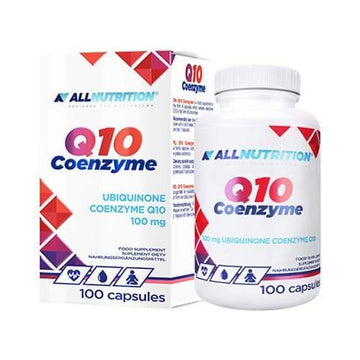
Coenzym Q10 – in seiner oxidierten Form auch als Ubichinon und in seiner reduzierten Form als Ubichinol bekannt – ist eine fettlösliche Verbindung, die Ihr Körper auf natürliche Weise bildet und die er zudem in geringen Mengen aus der Nahrung (Innereien, fettreicher Fisch und einige Nüsse) aufnimmt.
CoQ10 ist Teil der mitochondrialen Elektronentransportkette und transportiert Elektronen zwischen den Komplexen hin und her, damit ATP gebildet werden kann. Ohne ausreichendes CoQ10 wird diese letzte Stufe der Energieproduktion weniger effizient. Es wirkt zudem als starkes fettlösliches Antioxidans und schützt die Zellmembranen vor oxidativen Schäden.
Ubichinon ist die oxidierte, lagerbeständigere Form, die in den meisten klinischen Studien verwendet wird. Ubiquinol ist die reduzierte, antioxidativ wirksame Form und wird tendenziell besser von älteren Erwachsenen aufgenommen, deren Umwandlungsfähigkeit nachgelassen hat. Ein gesunder Mensch wandelt frei zwischen den beiden Formen um. Wir erläutern dies ausführlich in unserem speziellen Leitfaden zu CoQ10 vs. Ubiquinol.
Welzo führt sowohl Ubichinon- als auch Ubichinol-Formate in unserem Sortiment an Langlebigkeits- und NAD+-Nahrungsergänzungsmitteln, sodass Sie die Form an Ihr Alter und Ihre Ziele anpassen können.
Pyrrolochinolinchinon (PQQ, auch Methoxatin genannt) ist ein kleines, redoxaktives Chinon, das in Spuren in Lebensmitteln wie fermentierten Sojabohnen (Natto), grünen Paprikaschoten, Kiwis, Petersilie und grünem Tee vorkommt – und insbesondere in der menschlichen Muttermilch.
Das herausragendste Merkmal von PQQ ist seine Fähigkeit, die mitochondriale Biogenese – also die Bildung völlig neuer Mitochondrien – anzuregen. Dies geschieht durch die Hochregulierung von PGC-1α (dem Hauptregulator der mitochondrialen Biogenese), der nukleären Atmungsfaktoren NRF-1/NRF-2 sowie der CREB-Signalübertragung. Eine wegweisende Studie aus dem Jahr 2010, die im „Journal of Biological Chemistry“ veröffentlicht wurde, zeigte, dass Tiere mit PQQ-Mangel einen reduzierten Mitochondriengehalt aufwiesen und dass eine PQQ-Supplementierung die Marker der mitochondrialen Biogenese dosisabhängig erhöhte (Chowanadisai et al., 2010, PubMed).
PQQ ist zudem ein außergewöhnlich langlebiges Antioxidans. Im Gegensatz zu vielen Antioxidantien, die nach der Neutralisierung eines einzelnen freien Radikals „aufgebraucht“ sind, kann PQQ Tausende von Redoxzyklen durchlaufen, was mit ein Grund dafür ist, warum es so großes Forschungsinteresse auf sich gezogen hat.
Dies ist der wesentliche Unterschied. CoQ10 sorgt dafür, dass vorhandene Mitochondrien besser funktionieren; PQQ hilft dabei, mehr davon zu bilden. Das eine verbessert die Effizienz pro Einheit, das andere erhöht die Anzahl der Einheiten. Deshalb beschreiben viele Forscher sie eher als komplementär denn als konkurrierend.
CoQ10 ist bei weitem die etabliertere Verbindung. Es kann auf jahrzehntelange Studien zurückblicken, darunter die Q-SYMBIO-Studie – eine randomisierte Doppelblindstudie an Patienten mit chronischer Herzinsuffizienz, bei der 300 mg CoQ10 pro Tag zusätzlich zur Standardtherapie über einen Zeitraum von zwei Jahren schwere kardiovaskuläre Ereignisse und die Gesamtmortalität um etwa 40–43 % reduzierten (Mortensen et al., JACC: Heart Failure, 2014). Die Evidenz für PQQ beim Menschen ist zwar vorhanden, befindet sich jedoch noch in einem früheren Stadium: kleinere Studien, kürzere Laufzeiten und weniger Teilnehmer.
PQQ ist bereits in winzigen Dosen (10–20 mg) wirksam, während CoQ10 in Dosen von 100–300 mg eingenommen wird. Da PQQ in so geringen Mengen verwendet wird, reicht eine Packung oft lange, trotz eines höheren Preises pro Gramm. Wenn das Budget bei Ihrer gesamten Therapie eine wichtige Rolle spielt, könnten Ihnen unsere Erläuterungen dazu, warum Nahrungsergänzungsmittel teuer sind, sowie unser kostengünstiger „Longevity Stack“ weiterhelfen.
Beide sind Antioxidantien, schützen jedoch unterschiedliche Bereiche. CoQ10 ist fettlöslich und schützt Lipidmembranen; PQQ ist wasserlöslich und wird weitaus öfter wiederverwertet, bevor es abgebaut wird.
Die ehrliche Antwort hängt von Ihrem Ziel ab. Nutzen Sie dies als Ausgangsrahmen, nicht als Rezept:
| Ihr Hauptziel | Bessere erste Wahl |
|---|---|
| Einnahme von Statinen / Fokus auf Herzgesundheit | CoQ10 (Ubiquinol, wenn über 40) |
| Allgemeine Energie, über 40, Sie legen Wert auf die stärkste Evidenz | CoQ10 |
| Kognitive Fähigkeiten, Konzentration, geistige Klarheit | PQQ |
| Müdigkeit, Schlafstörungen, chronischer Stress | PQQ (beides in Betracht ziehen) |
| Aufbau der Stoffwechselkapazität / Langlebigkeits-Kombination | Beides |
Wenn Sie gerade erst anfangen, erklärt unsere Schritt-für-Schritt-Anleitung zum Einstieg in die Langlebigkeits-Nahrungsergänzung, wie Sie jeweils einen Wirkstoff nach dem anderen einführen, damit Sie beurteilen können, wie Sie darauf reagieren.
Für viele Menschen ist eine Kombination biologisch sinnvoll. CoQ10 verbessert die Energieeffizienz der einzelnen Mitochondrien, während PQQ die Anzahl der Mitochondrien erhöht – zusammen können sie also sowohl die Kapazität als auch die Effizienz steigern. Diese Kombination ist eine der gängigsten „Mitochondrien-Kombinationen“ auf dem Markt, und kleine Studien deuten darauf hin, dass die Kombination die kognitiven Funktionen stärker unterstützen könnte als jede der beiden Substanzen für sich allein.
Sie lassen sich auch gut mit anderen mitochondrialen Wirkstoffen kombinieren. Wenn Sie ein umfassenderes Programm zusammenstellen möchten, vergleichen Sie CoQ10 und PQQ in unseren Artikeln über Urolithin A, Mitopure (Urolithin A) und Kreatin für ein langes Leben mit neueren Optionen. Für eine auf NAD+ ausgerichtete Energieunterstützung ist unser Leitfaden zu den Vorteilen, Nebenwirkungen und Dosierung von NMN der beste Ausgangspunkt, und NMN Pro 1000 ist unser beliebtester NAD+-Vorläufer.
Bevor Sie etwas kombinieren, sollten Sie sich informieren, ob Sie Nahrungsergänzungsmittel zusammen einnehmen können, um unnötige Überschneidungen zu vermeiden.
Beide Wirkstoffe werden am besten zusammen mit einer fettreichen Mahlzeit resorbiert, da insbesondere CoQ10 fettlöslich ist. Die Einnahme am Morgen ist für die meisten Menschen geeignet, zumal manche berichten, dass PQQ leicht anregend wirken kann. Für einen strukturierten Ansatz zeigt unsere Einnahmezeit-Tabelle, wie Sie die Einnahme in Ihren Tagesablauf integrieren können.
Beide Wirkstoffe weisen in den hier besprochenen Dosierungen ein beruhigendes Sicherheitsprofil auf, doch „gut verträglich“ ist nicht gleichbedeutend mit „keine zu beachtenden Punkte“.
Wichtig: Wenn Sie schwanger sind, stillen, verschreibungspflichtige Medikamente einnehmen oder an einer chronischen Erkrankung leiden, sollten Sie Ihren Hausarzt oder Apotheker konsultieren, bevor Sie mit der Einnahme von CoQ10 oder PQQ beginnen. Allgemeine Sicherheitsgrundsätze finden Sie in den NHS-Leitlinien zu Vitaminen und Nahrungsergänzungsmitteln.
Die Qualität von Nahrungsergänzungsmitteln variiert enorm, und mitochondriale Wirkstoffe bilden da keine Ausnahme. Bevorzugen Sie Produkte, die:
In unserer Kollektion von Nahrungsergänzungsmitteln für ein langes Leben können Sie das von Welzo geprüfte Sortiment an mitochondrialen und NAD+-Produkten entdecken.
Keines der beiden ist allgemein „besser“ – sie erfüllen unterschiedliche Aufgaben. CoQ10 optimiert die bereits vorhandenen Mitochondrien und verfügt über eine stärkere Evidenzbasis, einschließlich einer Studie zu kardiovaskulären Endpunkten. PQQ hilft Ihrem Körper dabei, neue Mitochondrien zu bilden (Biogenese). Für die meisten Menschen ist CoQ10 der besser belegte Ausgangspunkt, während PQQ eine vielversprechende Ergänzung darstellt.
Ja, und viele Menschen tun dies auch. Da CoQ10 die Effizienz der Mitochondrien verbessert und PQQ deren Anzahl erhöht, gelten sie als komplementär. Kleine Studien deuten darauf hin, dass die Kombination die kognitiven Funktionen möglicherweise besser unterstützt als jedes Präparat für sich allein. Führen Sie die Präparate nacheinander ein, damit Sie die Verträglichkeit beurteilen können.
CoQ10 ist ein fettlöslicher Elektronenträger und ein Antioxidans, das innerhalb der bestehenden Energiekette wirkt. PQQ ist eine wasserlösliche Redoxverbindung, die über PGC-1α die Bildung neuer Mitochondrien anregt. Kurz gesagt: CoQ10 = Effizienz, PQQ = Quantität.
In den meisten PQQ-Studien am Menschen werden 20 mg/Tag verwendet. CoQ10 wird je nach Zielsetzung üblicherweise in einer Dosierung von 100–300 mg/Tag eingenommen, wobei Statin-Anwender häufig 100–200 mg einnehmen. Nehmen Sie beide Präparate zusammen mit einer fettreichen Mahlzeit ein, um die Aufnahme zu verbessern.
Statine führen zu einem Abbau des körpereigenen CoQ10, indem sie den gemeinsamen Mevalonat-Stoffwechselweg blockieren. Viele Studien berichten, dass CoQ10 bei manchen Anwendern die mit Statinen verbundenen Muskelsymptome lindern kann, auch wenn es nicht bei jedem hilft. Besprechen Sie Änderungen immer zuerst mit Ihrem verschreibenden Arzt.
Dosierungen von bis zu 20 mg/Tag werden in Studien über mehrere Wochen bis Monate hinweg im Allgemeinen gut vertragen, wobei gelegentlich leichte Kopfschmerzen oder Verdauungsbeschwerden auftreten können. Langfristige, groß angelegte Sicherheitsdaten liegen noch nicht in ausreichendem Umfang vor, halten Sie sich daher an die in Studien untersuchten Dosierungen.
Beide können helfen, wenn auch über unterschiedliche Wirkmechanismen. CoQ10 weist bei Erkrankungen wie Fibromyalgie und Herzinsuffizienz überzeugendere Daten zur Müdigkeit auf; für PQQ gibt es kleinere Studien, die eine Verringerung der selbstberichteten Müdigkeit und einen besseren Schlaf unter Stress belegen. Viele Menschen kombinieren beide Präparate zur Unterstützung der Energieversorgung.
Ubichinon ist die lagerstabilere, gut erforschte Form. Ubiquinol ist die reduzierte, aktive Form, die bei älteren Erwachsenen tendenziell besser resorbiert wird. Wenn Sie über 40 sind, könnte sich der Aufpreis für Ubiquinol lohnen. Lesen Sie dazu unseren Leitfaden „CoQ10 vs. Ubiquinol“.
Die Zeiträume variieren. Manche Menschen bemerken bereits nach wenigen Wochen Veränderungen im Energiehaushalt, doch kognitive und mitochondriale Vorteile wurden in Studien in der Regel über einen Zeitraum von 8–12 Wochen gemessen. Die regelmäßige Einnahme ist wichtiger als die Dosis. Erfahren Sie, wie lange es dauert, bis Nahrungsergänzungsmittel wirken.
Nein – sie wirken auf unterschiedliche Stoffwechselwege ein. NMN unterstützt den NAD+-Spiegel, während CoQ10 und PQQ die mitochondriale Energieversorgung und Biogenese fördern. Sie werden oft gemeinsam in einem Langlebigkeits-Stack verwendet und nicht als Ersatz für einander. Beginnen Sie mit unserem Leitfaden zu NMN als Grundpfeiler, um zu sehen, wie die einzelnen Komponenten zusammenpassen.
In der Debatte „PQQ vs. CoQ10“ hat CoQ10 aufgrund der wissenschaftlichen Evidenz die Nase vorn und ist die sinnvolle erste Wahl für Statin-Anwender, die Herzgesundheit und die allgemeine Energieversorgung – insbesondere für Menschen über 40. PQQ ist die neuartigere, auf die Biogenese ausgerichtete Option mit vielversprechenden ersten Daten zu kognitiven Funktionen, Müdigkeit und Schlaf. Für viele Menschen, die nach Langlebigkeit streben, ist es am klügsten, sich nicht für eines der beiden zu entscheiden, sondern sie gemeinsam als Teil eines umfassenderen, gut durchdachten Programms zu nutzen. Egal, wofür Sie sich entscheiden: Geben Sie Produkten den Vorzug, die von unabhängigen Stellen geprüft wurden, und sprechen Sie mit Ihrem Hausarzt, wenn Sie Medikamente einnehmen.
 Hodnoceno výborně o 28,951+ recenzí
 100% záruka vrácení peněz
Naše záruka vrácení peněz zajišťuje, že obdržíte své položky nebo získáte plnou náhradu.


