








Your cart is empty
Esta cantidad de artículo no se puede agregar al carrito
Continue shopping
Suplementos para practicantes
4.8on Trustindex
browsing now
Order before 2pm for same-day dispatch
2766+ orders this week
-
 Quick view
Welzo Ultra Purity
Welzo NMN Pro 1000
SupplementsIngredientes (por p...€ 32,95UK delivery soon
Order within 2h 14m
In Stock
Authentic 30-day returns 12 viewing -
 Quick view
Welzo Ultra Purity
Akkermansia
SupplementsIngredients (per se...€ 26,95UK delivery soon
Order within 2h 14m
In Stock
Authentic 30-day returns 12 viewing -
 Quick view
Welzo Ultra Purity
Astaxantina de ultra pureza Welzo
480mg Natural Astax...€ 26,95UK delivery soon
Order within 2h 14m
In Stock
Authentic 30-day returns 12 viewing -
 Quick view
Welzo Ultra Purity
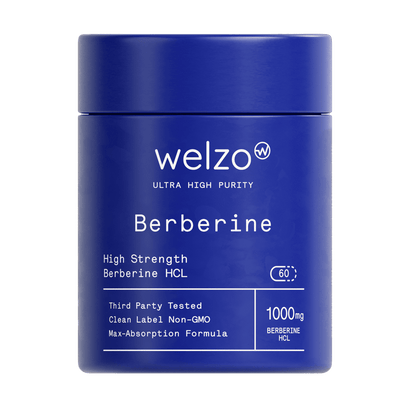
Berberina Welzo Ultra Pureza
SupplementsBerberine HCL (from...€ 26,95UK delivery soon
Order within 2h 14m
In Stock
Authentic 30-day returns 12 viewing -
 Quick view
Welzo Ultra Purity
NMN Pro 300 - Welzo Ultra Pureza
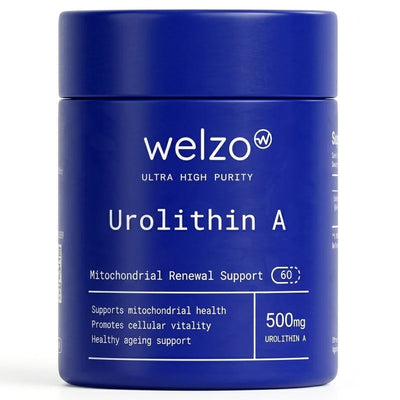
SuplementosUrolithin A 500mg.€ 42,95UK delivery soon
Order within 2h 14m
In Stock
Authentic 30-day returns 12 viewing -
 Quick view
Welzo Ultra Purity
Welzo Ultra Pureza Luteolina 500
SuplementosNMN (β-Nicotinamide...€ 42,95UK delivery soon
Order within 2h 14m
In Stock
Authentic 30-day returns 12 viewing -
 Quick view
Welzo Ultra Purity
Polvo de péptidos de colágeno bovino
SupplementsIngredientes (por r...€ 24,95UK delivery soon
Order within 2h 14m
In Stock
Authentic 30-day returns 12 viewing -
 Quick view
Welzo Ultra Purity
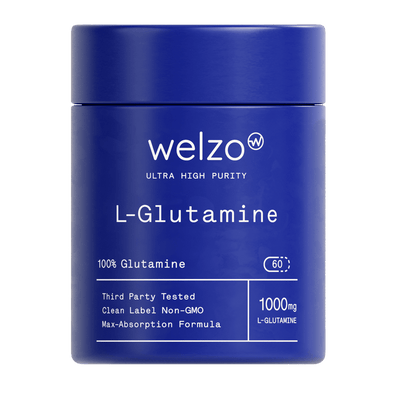
Welzo Ultra Pureza L-Glutamina
100% L-Glutamine. N...€ 22,95UK delivery soon
Order within 2h 14m
In Stock
Authentic 30-day returns 12 viewing -
 Quick view
Welzo Ultra Purity
Trans-Resveratrol
SupplementsIngredientes (por r...€ 30,95UK delivery soon
Order within 2h 14m
In Stock
Authentic 30-day returns 12 viewing -
 Quick view
Welzo Ultra Purity
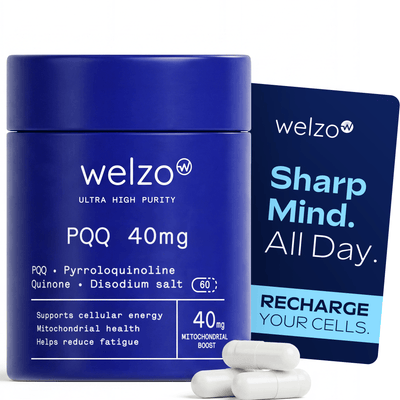
PQQ 20 mg pirroloquinolina quinona
SupplementsIngredientes (por p...€ 26,95UK delivery soon
Order within 2h 14m
In Stock
Authentic 30-day returns 12 viewing -
 Quick view
Welzo Ultra Purity
Polvo de pectina cítrica
Supplements100% Modified Citru...€ 32,95UK delivery soon
Order within 2h 14m
In Stock
Authentic 30-day returns 12 viewing -
 Quick view
Welzo Ultra Purity
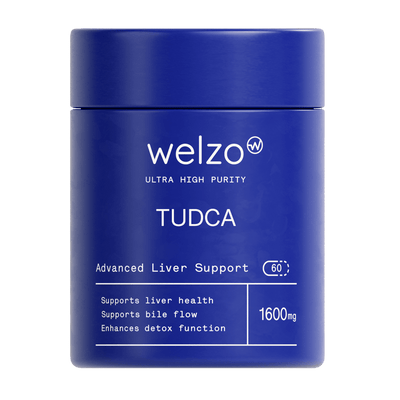
Welzo Ultra Pureza TUDCA
SupplementsTauroursodeoxycholi...€ 27,95UK delivery soon
Order within 2h 14m
In Stock
Authentic 30-day returns 12 viewing -
Quick view
Welzo Ultra Purity
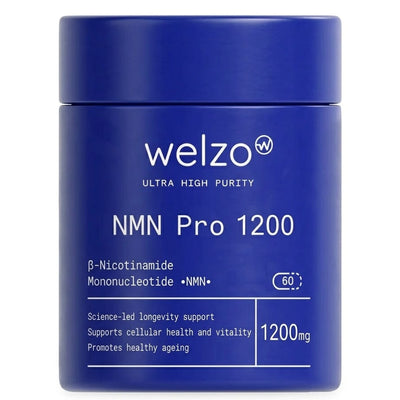
Welzo NMN Pro 1000
SupplementsIngredientes (por p...€ 26,95UK delivery soon
Order within 2h 14m
In Stock
Authentic 30-day returns 12 viewing -
 Quick view
Welzo Ultra Purity
Welzo Ultra Pureza Luteolina 500
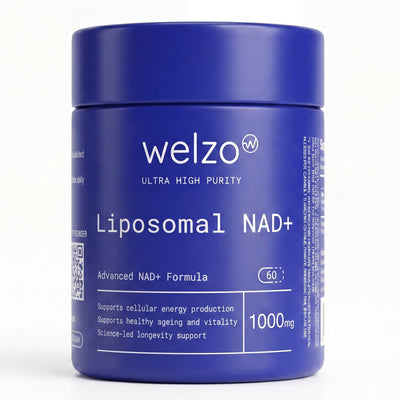
SuplementosLiposomal NAD+.€ 44,95UK delivery soon
Order within 2h 14m
In Stock
Authentic 30-day returns 12 viewing -
 Quick view
Welzo Ultra Purity
Welzo Treonato De Magnesio 2000mg
SupplementsMagnesium L-Threona...€ 24,95UK delivery soon
Order within 2h 14m
In Stock
Authentic 30-day returns 12 viewing -
 Quick view
Welzo Ultra Purity
NMN Pro 300 - Welzo Ultra Pureza
SuplementosNMN (β-Nicotinamide...€ 38,95UK delivery soon
Order within 2h 14m
In Stock
Authentic 30-day returns 12 viewing -
 Quick view
Welzo Ultra Purity
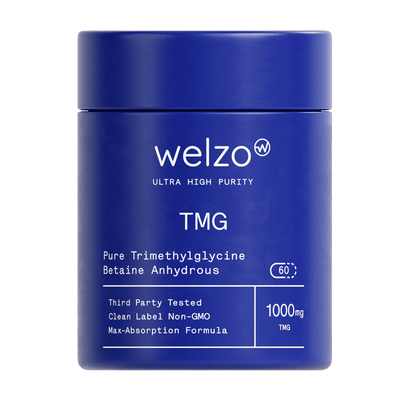
Welzo Ultra Pureza TMG
Supplements100% Betaine Anhydr...€ 20,95UK delivery soon
Order within 2h 14m
In Stock
Authentic 30-day returns 12 viewing -
 Quick view
Welzo Ultra Purity
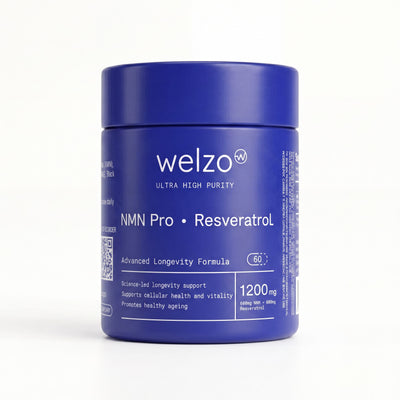
Pila de suplementos de ultra pureza de NMN y resveratrol Welzo
SuplementosMononucleótido de β...€ 50,95UK delivery soon
Order within 2h 14m
In Stock
Authentic 30-day returns 12 viewing
Suplementos para practicantes
Written and reviewed by Dr Muhammad Zeeshan Afzal (MBBS | FCPS | MRCP), independent product reviewer and content creator for Welzo.
Search "practitioner supplements" and you land in a confusing space. Some brands imply the label is a badge of superiority; others use it to justify a higher price. The truth is more useful — and more reassuring for anyone actually trying to look after their health. This guide explains, in plain British English, what a practitioner supplement really is, how to tell a genuine professional-grade product from clever marketing, and which practitioner brands you can buy in the UK from Welzo's supplements & vitamins range — led by our own Welzo Ultra Purity line.
On this page
- What are practitioner supplements?
- Practitioner-grade vs practitioner-only
- Why practitioner supplements matter: the UK quality gap
- The six hallmarks of a genuine practitioner-grade supplement
- Practitioner supplement brands at Welzo (ranked)
- How to choose the right practitioner supplement for you
- Key practitioner supplement categories
- Safety, UK regulation and who should seek advice first
- Reviewer's note
- Frequently asked questions
- References & medical disclaimer
What are practitioner supplements?
Practitioner supplements are professional-grade nutritional products designed to be selected as part of a personalised plan — usually by, or on the advice of, a qualified healthcare professional — rather than simply picked off a shelf. The category is sometimes called practitioner-grade, professional-grade or practitioner-only. What unites these products is not a legal classification but a set of practical standards: cleaner formulations, disclosed and often more bioavailable nutrient forms, single-nutrient options that allow a plan to be adjusted one variable at a time, and rigorous, transparent manufacturing.
In the UK, "practitioner supplement" is a description rather than a regulated credential. There is no separate legal tier that a product must pass to earn the name. That matters, because it means the label alone guarantees nothing — but the underlying distinction is real and can be checked by anyone willing to read a full ingredient list and ask where and how a product was made. The rest of this guide shows you exactly how.
Professionals who commonly recommend these products include registered nutritional therapists, dietitians, functional-medicine doctors, pharmacists and GPs. They favour practitioner ranges because informed recommendations depend on knowing precisely what a person is taking — the exact form of each nutrient, the elemental dose, and everything else in the capsule.
Practitioner-grade vs practitioner-only — the key distinction
Two similar phrases cause most of the confusion, so it is worth separating them.
Practitioner-only
"Practitioner-only" describes distribution: certain brands and higher-potency formulas are supplied primarily through qualified professionals, who can assess suitability, dose and interactions before recommending them. The logic is straightforward — the more potent or targeted a product, the more sense it makes to use it under guidance. In the UK this is a commercial and clinical convention rather than a statutory restriction on sale.
Practitioner-grade
"Practitioner-grade" describes quality and formulation. It refers to how a product is built: minimal excipients, active nutrient forms, disclosed dosages, and independent testing. A practitioner-grade product can be sold directly to the public — Welzo does exactly that — while still being formulated to the standard a professional would look for.
The practical takeaway: focus on the characteristics of a product, not the marketing word attached to it. A supplement is not better because a brand calls it "practitioner" — it is better because of what is, and is not, inside the capsule.
Why practitioner supplements matter: the UK quality gap
Supplement use in Britain is now mainstream. In a March 2025 survey of 2,154 UK adults, consumer body Which? found that roughly three-quarters of adults take supplements, with two-thirds of those taking them at least daily and around one in six taking four or more different products.[1] The UK dietary supplements market was valued at close to USD 4.8 billion in 2024 and is forecast to grow at about 8% a year through the early 2030s.[2]
That scale is exactly why quality matters. Because supplements are regulated as foods rather than medicines, they are not subject to the pre-market approval that pharmaceuticals undergo — so the burden of verifying quality falls largely on the manufacturer's own standards and on independent testing. The evidence that this burden is not always met is real:
- Inaccurate labels are common in poorly controlled products. A 2024 peer-reviewed case-series analysis of weight-loss supplements sold on or near US military bases found that 82% had inaccurate labels and 36% contained ingredients not declared on the label at all.[3] Weight-loss and "combination" products are a worst case, but the study illustrates what happens without rigorous control.
- Undisclosed substances are a documented risk. A review cited within that same paper found that, across 3,132 analysed supplements, more than 28% posed a potential risk of unintentional doping from undisclosed banned substances.[3]
- Online information is often unreliable. The Which? investigation highlighted research showing that supplements promoted by social-media influencers frequently exceeded recommended maximum daily amounts without warning of the risks of overdoing it.[1]
None of this means most UK supplements are unsafe — the great majority are made responsibly. It means the variance in quality is wide, and that variance is precisely what the practitioner-grade approach is designed to remove.
What "quality" actually means in a supplement
Quality is not a vibe or a premium price. It is a specific, checkable set of properties: the nutrient is present in the amount stated, in the form stated; nothing harmful (heavy metals, microbial contaminants) is present above safe limits; and the manufacturer can account for everything in the formulation. Practitioner-grade brands compete on exactly these points — which is why they are worth understanding before you buy.
The six hallmarks of a genuine practitioner-grade supplement
Use this as a checklist. A product does not need all six to be worthwhile, but the more it satisfies, the closer it sits to true practitioner-grade — regardless of what the front label claims.
1. Excipient minimalism
Excipients are the non-active ingredients — binders, flow agents, fillers, capsule shells and colourings. No supplement is entirely excipient-free (a capsule shell is itself an excipient), so the meaningful question is not "are there zero?" but "can the manufacturer justify each one that is present?" Practitioner-grade formulations keep this list as short as possible and avoid unnecessary fillers, artificial colours and common allergens. Brands such as Pure Encapsulations and Smidge built their reputations on precisely this principle.
2. Bioavailable, active nutrient forms
The form of a nutrient affects how well the body can use it. Practitioner ranges tend to choose the more bioavailable or "active" forms, for example:
- Folate as methylfolate (5-MTHF) rather than only folic acid;
- B12 as methylcobalamin rather than only cyanocobalamin;
- Magnesium as bisglycinate or L-threonate rather than cheaper oxide;
- Omega-3 expressed as EPA and DHA amounts, not "total fish oil".
You can see this thinking across our Omega-3 collection and Vitamin D range, where named forms and doses are shown rather than hidden inside a blend.
3. Single-nutrient availability and disclosed dosages
Practitioner ranges typically offer nutrients individually, so a plan can be adjusted one variable at a time — something a broad multivitamin makes difficult. Just as important, the exact dose is disclosed: elemental amounts for minerals, active fractions for oils, and named forms for everything. If a label will not tell you the dose in the form that matters, the product is opaque, not premium. This single-ingredient, disclosed-dose philosophy is the founding principle of the Welzo Ultra Purity range.
4. Independent (third-party) batch testing
Third-party testing means an accredited laboratory independent of the manufacturer analyses the finished product for identity, potency, purity and contaminants such as heavy metals and microbes. Because the FDA and UK authorities do not mandate pre-market testing, this verification is voluntary — brands that do it are choosing accountability. Recognised programmes include NSF (which certifies to the published NSF/ANSI standard) and, in the UK, batch-testing schemes such as Informed Sport. For daily supplements taken over months or years, this transparency is one of the strongest quality signals available.
What to look for on a Certificate of Analysis (COA)
A COA is the document that proves what is actually in a batch. When you can access one, check that it is:
- Batch-specific and recent — matched to the lot number on your bottle, not a generic marketing PDF;
- Independent — issued by an external, accredited laboratory;
- Complete — showing identity and potency of the active, plus heavy-metal and microbial screening.
Welzo publishes the COA on eligible product pages — for example, the certificate for NMN Pro 1000 (Welzo Ultra Purity) is available on that product page.
5. GMP manufacturing and traceability
Good Manufacturing Practice (GMP) is the framework that governs how a supplement is made — cleanliness, process control, record-keeping and consistency from batch to batch. Practitioner-grade brands manufacture under GMP conditions and are transparent about where production happens. Traceability — being able to follow an ingredient from source to finished capsule — is part of the same discipline.
6. Transparency you can verify
The common thread is transparency: full ingredient disclosure, named nutrient forms, published testing, and a manufacturer willing to answer "what is this, and why is it here?" for every line on the label. This is the standard a professional applies — and the one you can apply yourself before you buy.
Practitioner supplement brands at Welzo (ranked)
Welzo curates a number of genuine practitioner and professional-grade ranges. The ordering below reflects how closely each brand meets the six hallmarks above — single-nutrient focus, disclosed dosing, clean formulation and published testing — rather than price or popularity alone.
1. Welzo Ultra Purity
Our own professional-grade range is built explicitly on the practitioner-grade principles in this guide: single-ingredient formulations, disclosed doses in the form that matters, no proprietary blends, and third-party batch testing with a published Certificate of Analysis. That is a defensible, verifiable position rather than a marketing line — you can read the exact dose and check the COA before you buy. The range spans foundational and advanced nutrients, including NMN Pro 1000, magnesium L-threonate, and targeted formulas for men's, women's and metabolic health. Explore the full line in the Welzo Ultra Purity collection.
2. Pure Encapsulations
A benchmark professional brand, Pure Encapsulations is known for hypoallergenic, additive-free formulations — no unnecessary fillers, common allergens or added sugar — making it a frequent choice for people with sensitive systems or food intolerances. It scores highly on excipient minimalism and clean, science-led formulation.
3. Smidge
A small-batch specialist, Smidge produces ultra-clean probiotics, digestive enzymes and whole-food vitamins for people who cannot tolerate typical fillers or synthetic blends. Small-batch control supports consistent potency, and the range is aimed squarely at sensitive digestion and microbiome support.
4. Doctor's Best
Doctor's Best offers science-based, single-nutrient and targeted formulations across foundational health, cardiovascular support, cognitive function and joint mobility — often using well-characterised, branded ingredient forms with disclosed dosing.
5. G&G Vitamins
G&G Vitamins spans foundational multivitamins to single-nutrient formulas with clearly labelled dosages and a focus on clean, reliable nutritional support — a solid practitioner-friendly range for everyday micronutrient cover.
Other professional ranges worth knowing
Welzo also stocks additional respected ranges, including Swanson (GMP-certified, broad and value-focused), Ancestral Supplements (whole-food, nose-to-tail organ formulas) and other clean-label brands. For a wider comparison of quality-led brands, see our guide to the best vitamin brands.
Practitioner brand comparison at a glance
| Range | Best known for | Formulation style | Typical use case |
|---|---|---|---|
| Welzo Ultra Purity | Disclosed-dose, batch-tested single nutrients | Single-ingredient, no blends, published COA | Precision supplementation & healthspan |
| Pure Encapsulations | Hypoallergenic, additive-free | Minimal excipients, allergen-conscious | Sensitive systems & intolerances |
| Smidge | Ultra-clean probiotics | Small-batch, filler-free | Gut & microbiome support |
| Doctor's Best | Branded, characterised actives | Single-nutrient & targeted | Foundational & targeted health |
| G&G Vitamins | Clearly labelled everyday cover | Multi & single nutrients | General daily wellbeing |
How to choose the right practitioner supplement for you
Start with testing, not guessing
The most professional habit of all is to measure before you supplement. Rather than guessing which nutrients you are short of, a blood test can show where you actually stand — so you spend on what you need and avoid stacking nutrients you already have in plenty. Welzo's supplements range sits alongside home health tests for exactly this reason. Measuring first also reduces the risk of doubling up on fat-soluble vitamins, which can accumulate.
Match the form to the goal
Once you know what you are targeting, choose the nutrient form that fits. The table below shows how common goals map to foundational categories at Welzo.
| Goal | Foundational nutrient(s) | Explore at Welzo |
|---|---|---|
| Winter immune & bone support | Vitamin D3 (with K2) | Vitamin D · Immunity |
| Heart, brain & joints | Omega-3 (EPA + DHA) | Omega-3 |
| Muscle, sleep & stress | Magnesium (bisglycinate / L-threonate) | Ultra Purity |
| Everyday nutrient cover | Multivitamin | Multivitamins · Vitamins |
| Joint & mobility support | Glucosamine, collagen, vitamin D | Joints, Bones & Muscles |
| Healthy ageing / longevity | NMN, antioxidants | NMN · Antioxidants |
Consider interactions and safety
Higher-potency practitioner products make professional input more valuable, not less. Anyone taking prescription medication — particularly anticoagulants, blood-pressure, thyroid, diabetes medication or antibiotics — should check for interactions before starting, because, for example, magnesium can affect the absorption of some antibiotics and omega-3 affects platelet function. If you are pregnant, breastfeeding, have a diagnosed condition, or take several medicines, speak to a pharmacist, GP or registered nutritional therapist first.
Key practitioner supplement categories
Foundational nutrients
For most people, the highest-value supplements are the unglamorous foundational ones. UK public-health guidance recommends that adults consider a daily vitamin D supplement during the autumn and winter months, when sunlight is insufficient for the skin to make enough.[4] Omega-3 and multivitamins round out a sensible base, with magnesium a common evening addition.
Gut & immune support
Gut health and immune resilience are among the fastest-growing reasons people supplement. Clean probiotic ranges such as Smidge, alongside our wider immunity collection, cover this area with practitioner-friendly formulations.
Longevity & healthy ageing
Interest in healthspan has driven demand for compounds such as NMN. If you are exploring this area, our NMN collection and the doctor-reviewed guide to the best NMN supplements are good starting points, and our minimal longevity stack shows how to build an evidence-led routine without overspending.
Men's & targeted health
Targeted ranges apply the same practitioner logic to specific goals — see men's health supplements for energy, performance and healthy-ageing formulas, many of which use single, disclosed nutrients rather than opaque blends.
Safety, UK regulation and who should seek advice first
How supplements are regulated in the UK
In the UK, dietary supplements are regulated as foods, overseen by the Food Standards Agency, with permitted health claims and safety rules set in law. Products are not licensed or approved like medicines, and any ingredient not consumed to a significant degree in the UK or EU before 15 May 1997 may count as a novel food requiring authorisation before it can be sold. If a product makes a medicinal claim, it falls under the MHRA instead. This framework is why independent testing and transparency carry so much weight: they fill the assurance gap that pre-market approval would otherwise provide.
The "food first" principle
Reputable professional guidance, including from the British Dietetic Association and the NHS, is that a varied, balanced diet should come first, with supplements used to fill genuine gaps rather than to replace whole foods. Practitioner supplements are a tool for targeted support, not a substitute for good nutrition, sleep, movement and stress management.
Who should speak to a professional first
- Anyone pregnant or breastfeeding;
- Anyone taking prescription medication, especially anticoagulants, thyroid, blood-pressure or diabetes medicines;
- Anyone with kidney or liver disease, or another diagnosed condition;
- Anyone considering high-dose or several combined products at once.
Reviewer's note
"'Practitioner-grade' is a description, not a guarantee. When I review products, I am not swayed by the word on the front of the box — I look at the ingredient list, the named form and dose of each active, and whether there is independent, batch-specific testing to back the label. A supplement that discloses everything and publishes its Certificate of Analysis has earned trust; one that hides its dose inside a proprietary blend has not, whatever it is called. Measure first, keep the formulation clean, and use professional advice for anything higher-potency or when you take other medicines."
— Dr Muhammad Zeeshan Afzal (MBBS | FCPS | MRCP), independent product reviewer and content creator for Welzo
Frequently asked questions
What does "practitioner supplement" mean?
A practitioner supplement is a professional-grade nutritional product designed to be chosen as part of a personalised plan, typically by or with a qualified healthcare professional. In practice it means cleaner formulation, more bioavailable nutrient forms, disclosed dosing and independent testing. In the UK the term is a description of quality, not a legally regulated category.
Are practitioner supplements better than high-street supplements?
Often, but not automatically. Practitioner ranges usually score higher on excipient minimalism, active nutrient forms and third-party testing. However, "practitioner" is a marketing description, so judge each product on its ingredient list, disclosed doses and published testing rather than the label alone. Some high-street products are excellent; some "practitioner" ones are ordinary.
Do I need a practitioner to buy practitioner supplements in the UK?
No. While some brands are supplied mainly through professionals ("practitioner-only" distribution), practitioner-grade products can be sold directly to the public. You can buy professional ranges such as Pure Encapsulations, Smidge and Welzo Ultra Purity directly from Welzo. For higher-potency products, professional advice is still wise.
What is the difference between practitioner-grade and practitioner-only?
"Practitioner-grade" describes a product's quality and formulation — clean, disclosed, tested. "Practitioner-only" describes distribution — supplied mainly through qualified professionals who assess suitability. A product can be practitioner-grade and still sold to the public.
How can I tell if a supplement is genuinely high quality?
Check six things: minimal, justifiable excipients; bioavailable or active nutrient forms; single-nutrient options with disclosed doses; independent (third-party) batch testing; GMP manufacturing; and full transparency, ideally including a batch-specific Certificate of Analysis. The more of these a product meets, the closer it is to genuine practitioner-grade.
What is a Certificate of Analysis (COA)?
A COA is a laboratory document showing what a specific batch of a supplement actually contains — the identity and potency of the active plus screening for heavy metals and microbes. A trustworthy COA is batch-specific, recent and issued by an independent, accredited lab. Welzo publishes COAs on eligible product pages, such as NMN Pro 1000.
Are practitioner supplements safe to take with medication?
Higher-potency products increase the importance of checking interactions. Certain supplements interact with common medicines — for example, magnesium can affect the absorption of some antibiotics and omega-3 affects platelet function. If you take prescription medication, are pregnant or breastfeeding, or have a diagnosed condition, speak to a pharmacist, GP or registered nutritional therapist before starting.
Which nutrient forms should I look for?
Favour named, bioavailable forms with disclosed doses: methylfolate rather than only folic acid, methylcobalamin B12, magnesium bisglycinate or L-threonate, vitamin D3 (cholecalciferol), and omega-3 shown as EPA and DHA amounts rather than "total oil". If the exact form and dose are not stated, the product is less transparent than it should be.
Are practitioner supplements worth the higher price?
They can be, when the premium buys real quality — cleaner formulation, active forms, disclosed dosing and independent testing that you can verify. They are not worth it when the price simply reflects branding. The best value comes from testing first, then buying disclosed-dose, batch-tested products for the nutrients you actually need.
Which practitioner supplement brands does Welzo stock?
Welzo stocks several professional-grade ranges, including its own Welzo Ultra Purity line, plus Pure Encapsulations, Smidge, Doctor's Best and G&G Vitamins, among others. Browse the full supplements & vitamins collection to compare.
References & medical disclaimer
- Which? — Are you supplementing safely? (survey of 2,154 UK adults, March 2025). which.co.uk
- Grand View Research — UK Dietary Supplements Market Size & Outlook. grandviewresearch.com
- Peer-reviewed case-series analysis of weight-loss dietary supplements (label accuracy and hidden ingredients), Nutrients, 2024. ncbi.nlm.nih.gov
- NHS — Vitamins and minerals: Vitamin D. nhs.uk
- Food Standards Agency — supplements and food law. food.gov.uk
- British Dietetic Association — food-first guidance. bda.uk.com
- NSF — third-party supplement certification standards. nsf.org
Medical disclaimer: This article is for general information and education only and is not a substitute for professional medical advice, diagnosis or treatment. Food supplements should not replace a varied, balanced diet or a healthy lifestyle. Always read the product label and consult a qualified healthcare professional — a GP, pharmacist, dietitian or registered nutritional therapist — before starting a new supplement, particularly if you are pregnant or breastfeeding, take prescription medication, or have a diagnosed medical condition. Statements about supplements have not been evaluated as medicines.
 Calificado excelente por 28,951+ reseñas
 Garantía de devolución de dinero 100%