






Supplements for Busy Professionals: A Minimal Stack


Related products


Medically reviewed by Dr Zeeshan Afzal (MBBS, General Practitioner) — Medical Content Reviewer, Welzo.
Written by: The Welzo Longevity Editorial Team | Last updated: July 2026
Evidence standard: Every dose, claim and statistic below is referenced to a named clinical trial, systematic review, or a UK/EU public health body, with full sources at the end. You can read how we research and fact-check our content in the Welzo editorial policy.
Most busy professionals do not have a supplement problem — they have a consistency problem. A minimal supplement stack fixes that: three to five evidence-backed products built on the principles in our longevity supplements guide, assembled into a manageable longevity stack rather than an eleven-bottle shelf.
Quick answer: vitamin D3, omega-3, magnesium and creatine cover the best-documented gaps for a UK working adult. Add an NAD⁺ precursor only once those are habitual — see NMN benefits, side effects and dosage, the NMN supplements range, NMN Pro 1000, or the wider anti-ageing and longevity supplements collection.
The eleven-bottle routine bought in January is abandoned by March — not because the ingredients failed, but because nobody with a 7am stand-up and a 9pm inbox sustains an eleven-step morning ritual. Minimalism inverts the usual approach. Instead of asking "what could help?", it asks "what would I still take on my worst week?"
The answer is usually three to five products that address genuine, measurable gaps in a UK diet and lifestyle, taken at one or two fixed points in the day, indefinitely. This guide sets out exactly what belongs in that stack, what the evidence supports at what dose, what to leave out, and what the whole thing costs from Welzo.

Table of contents
- What a minimal supplement stack actually means
- Why busy professionals develop nutrient gaps
- Test, don't guess: measuring before you supplement
- The core four: the minimal stack that earns its place
- Three optional add-ons from the Welzo Ultra Purity range
- What to deliberately leave out
- Timing: how to fit the stack into a working day
- What a minimal stack costs at Welzo
- Quality and safety: how to choose products
- Tailoring the stack to your situation
- A four-week plan to build the habit
- When to speak to a doctor first
- Frequently asked questions
- References
What a minimal supplement stack actually means
A minimal supplement stack is a deliberately small set of supplements — typically three to five — chosen because each addresses a documented shortfall or a well-evidenced physiological need, and because the whole routine takes under thirty seconds a day.
It is not a "starter stack" you intend to expand. The minimalism is the point. Every additional bottle adds cost, adds a decision, adds an interaction to check, and statistically reduces the chance any of them are taken next month.
Why fewer supplements usually works better
- Adherence compounds; enthusiasm does not. Vitamin D taken 340 days a year will do far more for you than a nine-product protocol taken for six weeks.
- Signal gets lost in noise. Start nine things at once and feel better, and you have learned nothing about which one worked. A small stack is testable — see how long supplements take to work for realistic timelines.
- Interaction risk scales with product count. More products means more chance of duplication (three tubs each containing 200 mg of magnesium) or of an interaction with prescribed medication.
The three tests every supplement must pass
Apply these in order. If a product fails one, it does not go in.
Test 1: Is there human evidence at a realistic dose?
Not mouse data. Not a mechanism that "should" work. Randomised controlled trials or systematic reviews in adults, at a dose you can actually buy. Many popular ingredients fail here — several are covered in longevity supplements that don't work.
Test 2: Do you plausibly have a gap?
Supplementation corrects deficits far more reliably than it enhances a system that is already sufficient. Vitamin D in a UK winter is a genuine gap. A "cognitive enhancer" in someone sleeping seven and a half hours a night usually is not.
Test 3: Will you still be taking it in twelve months?
If it needs refrigeration, a shaker, a specific empty-stomach window and a separate alarm, it fails. Convenience is not a compromise on quality — it is the mechanism by which quality delivers anything at all.
Key takeaway: A minimal supplement stack is defined by what it excludes. Four well-chosen products taken daily for years outperform a twelve-product protocol abandoned in week seven.
Why busy professionals develop nutrient gaps
What UK dietary data shows
Analysis of the UK National Diet and Nutrition Survey published in Frontiers in Nutrition examined micronutrient intakes across 3,238 British adults in mid-life. It found that 19% of adults in their twenties had magnesium intakes below the Lower Reference Nutrient Intake (LRNI) — the threshold below which intake is considered inadequate for most people. The same analysis reported that 50.3% of women and 25.8% of men had selenium intakes below the LRNI, and that around a quarter of women fell below the LRNI for iron (25.3%) and potassium (24.3%). The authors concluded that UK women and younger adults are particularly vulnerable to shortfalls from food alone [2].
Vitamin D is a clearer case still. The NHS advises that everyone in the UK aged four and over should consider a daily supplement containing 10 micrograms (400 IU) of vitamin D during autumn and winter, because between October and March UK sunlight is not strong enough for the skin to synthesise it. People with limited sun exposure — which describes most office-based professionals — are advised to consider taking it year-round [1]. The British Heart Foundation states the same 10 µg autumn-to-winter position [11].
Sleep debt, stress and stimulant reliance
The second driver is behavioural. Long hours, cross-time-zone calls and late screen exposure produce chronic partial sleep restriction, which then gets managed with escalating caffeine. That pattern is directly relevant to two ingredients below, both studied specifically in sleep-deprived adults rather than in idealised laboratory conditions.
If your schedule involves nights or rotating shifts, the default stack needs adjusting — see our guide to supplements for shift workers.
Test, don't guess: measuring before you supplement
The most efficient way to keep a stack minimal is to know which gaps you actually have. Guessing produces long stacks; measuring produces short ones. Welzo runs at-home blood tests through UKAS and ISO-accredited partner laboratories, and three are directly relevant here:
- Vitamin D blood test — tells you whether 10 µg is enough or whether you need a higher maintenance dose under clinical guidance.
- Omega-3 and 6 essential fatty acids test — establishes whether your oily fish intake is genuinely covering EPA and DHA.
- Magnesium blood test — useful context alongside your dietary intake.
If persistent tiredness is the reason you are reading this, the more informative starting point is a tiredness and fatigue blood test or a broader nutrition and vitamin blood test, since fatigue is far more often explained by iron status, thyroid function or B12 than by anything a general supplement will fix. For a full baseline, the Full Body MOT Health Check covers the common causes in one draw.
Testing first is also how you avoid the most expensive mistake in supplementation: paying every month for something you were never short of. Our guide to biological age explains what can and cannot currently be measured.
The core four: the minimal stack that earns its place
These four cover the most common and best-documented gaps for a UK-based working adult, and together take roughly fifteen seconds a day.
1. Vitamin D3 — the non-negotiable
Vitamin D contributes to normal immune function, normal muscle function, and normal absorption of calcium for bone health. In the UK it is the single most defensible supplement for almost every adult, because the deficit is seasonal, population-wide and documented by public health bodies rather than by supplement marketing.
Dose and form
The NHS baseline is 10 µg (400 IU) daily during autumn and winter, and year-round for those with little sun exposure [1]. NHS prescribing guidance notes that doses up to 25 µg (1,000 IU) daily are acceptable for adults as an over-the-counter supplement. Vitamin D3 (cholecalciferol) is generally preferred over D2, and because it is fat-soluble it absorbs best with a meal containing fat — see taking supplements on an empty stomach.
Browse strengths and formats in the Welzo vitamin D collection.
Important safety limit
Vitamin D is fat-soluble and accumulates. Very high unsupervised doses can cause hypercalcaemia. Do not exceed 100 µg (4,000 IU) daily without medical supervision and a blood test.
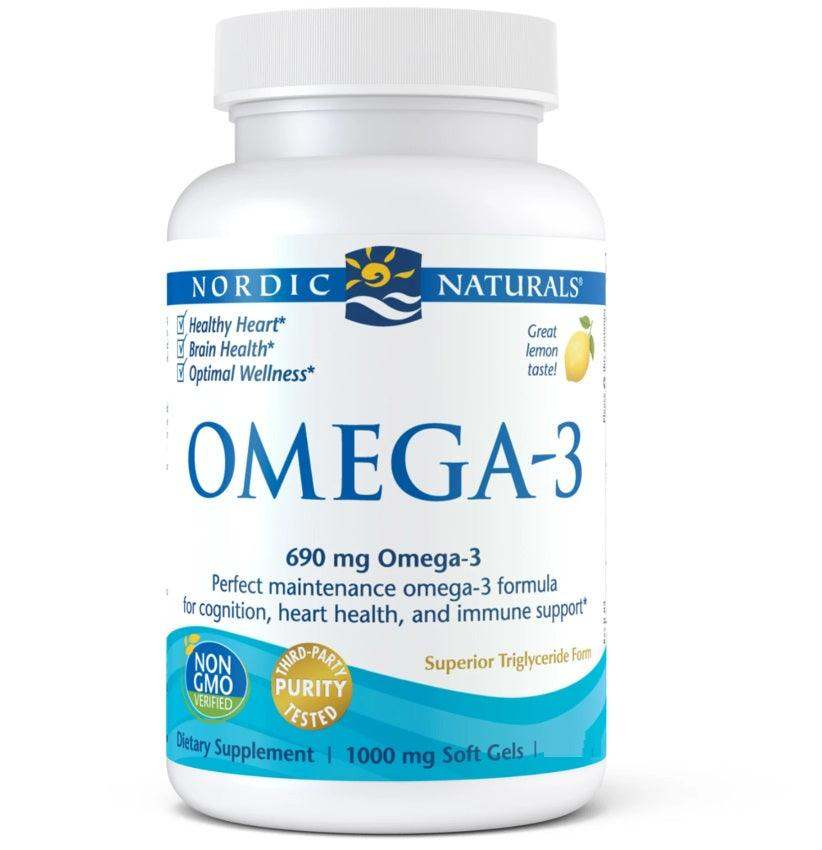
2. Omega-3 (EPA and DHA) — the shortfall most people ignore
Long-chain omega-3 fatty acids are structural components of cell membranes and are concentrated in the brain and retina. The practical problem is intake: EPA and DHA come almost exclusively from oily fish, and most UK adults do not eat the recommended weekly portion.
Dose and form
The European Food Safety Authority considers 250 mg of combined EPA and DHA per day adequate for cardiovascular maintenance in healthy adults, and has concluded that combined supplemental intakes of up to 5 g per day do not raise safety concerns for adults [3]. A review in Nutrition Research Reviews found 250 mg/day EPA+DHA to be the most frequently recommended adult intake internationally, with a median across guidelines of 313 mg/day [12].
In practice, target 500–1,000 mg of combined EPA and DHA daily if you eat oily fish less than twice a week. Read the EPA and DHA figures on the label rather than the total fish oil weight — a "1,000 mg" capsule often contains only 300 mg of actual EPA+DHA. Compare options in the Welzo omega-3 collection; algal alternatives suitable for plant-based diets sit in vegan and plant-based supplements.
Who should check first
Omega-3 has mild antiplatelet effects. If you take warfarin, a DOAC or other anticoagulants, speak to your GP or pharmacist before starting, particularly at higher doses.
3. Magnesium — for the evening end of the day
Magnesium is a cofactor in hundreds of enzymatic reactions, including those governing normal muscle function and normal psychological function. UK intake data suggests a meaningful minority of adults fall short, and the shortfall clusters in diets low in wholegrains, nuts, seeds and leafy greens — a fair description of a week run on meeting-room sandwiches [2].

What the sleep evidence actually shows
The evidence here is real but modest, and deserves an honest presentation. A randomised, double-blind, placebo-controlled trial of 155 adults aged 18–65 with self-reported poor sleep gave 250 mg of elemental magnesium as magnesium bisglycinate daily. At week four, the magnesium group showed a significantly greater reduction in Insomnia Severity Index scores than placebo (−3.9 versus −2.3; p = 0.049). The authors were explicit that the effect size was small (Cohen's d = 0.2), describing the benefit as modest, with exploratory analysis suggesting larger improvements in participants with lower baseline dietary magnesium intake [6].
That is the correct framing: magnesium is a reasonable, low-risk addition — particularly if your diet is low in magnesium-rich foods — but it is not a sleep medication and will not compensate for a five-hour night.
Which form to buy
Glycinate (bisglycinate) is well tolerated and is the form used in the trial above. Magnesium oxide is cheap but poorly absorbed and more likely to cause loose stools. Magnesium L-threonate is formulated for brain bioavailability and is the form Welzo produces in-house as Ultra Purity Magnesium L-Threonate 2000mg. The two forms are compared directly in magnesium threonate vs glycinate, and the wider range sits in the Welzo magnesium collection and sleep and relaxation supplements.
4. Creatine monohydrate — the most under-used entry on this list
Creatine is usually filed under sports nutrition, which is why most desk-based professionals skip it. That is a mistake: creatine supports the phosphocreatine energy system in muscle and brain, and the brain-side evidence is specifically relevant to people working under sleep pressure.
The sleep-deprivation evidence
A study published in Scientific Reports in 2024 gave a single high dose of creatine monohydrate (0.35 g/kg) to subjects undergoing approximately 21 hours of sleep deprivation, with brain imaging and cognitive testing at baseline and at 3, 5.5 and 7.5 hours. The creatine condition produced measurable changes in cerebral high-energy phosphates and improvements in cognitive performance and processing speed versus placebo, with the maximum effect around four hours after administration [4]. A separate systematic review and meta-analysis in Frontiers in Nutrition examined creatine and cognitive function across adult populations, covering memory, executive function, attention and processing speed [5].
To be precise about what this does and does not mean: that single-dose study used a very large one-off dose under experimental sleep deprivation, and is not a routine to copy. It does, however, establish that creatine has a plausible, measured role in brain energetics under stress — which is the ordinary state of a working week.
Practical dosing
3–5 g of creatine monohydrate daily, at any time, with or without food. No loading phase is needed for general use; stores saturate over three to four weeks at a standard dose. It is among the most extensively studied supplement ingredients in existence and among the cheapest — see the Welzo creatine collection, our overview of creatine for longevity, and the comparison in NMN vs creatine.
The core four at a glance
| Supplement | Typical daily dose | Best form | When to take | Shop at Welzo |
|---|---|---|---|---|
| Vitamin D3 | 10–25 µg (400–1,000 IU) | D3 (cholecalciferol) | With a meal containing fat | Vitamin D |
| Omega-3 | 500–1,000 mg combined EPA+DHA | Triglyceride fish oil or algal oil | With a main meal | Omega-3 |
| Magnesium | 200–300 mg elemental | Glycinate or L-threonate | Evening | Ultra Purity L-Threonate |
| Creatine monohydrate | 3–5 g | Micronised monohydrate | Any time, daily | Creatine |
For the expanded versions of this protocol, see our longevity stack guide, the full longevity supplements guide, and the curated Welzo Longevity Stack collection.
Three optional add-ons from the Welzo Ultra Purity range
Add these only once you have taken the core four consistently for at least a month. Adding them earlier is how minimal stacks stop being minimal.

An NAD⁺ precursor — for those thinking longer-term
NAD⁺ is a coenzyme central to energy metabolism, and cellular NAD⁺ levels decline with age. NMN (nicotinamide mononucleotide) is the most widely used precursor, and the ingredient people most often ask about when they move from "feeling functional" to "ageing well".
What the human trials show — and what they don't
A randomised, double-blind, placebo-controlled study of 108 older Japanese adults gave 250 mg NMN or placebo daily for 12 weeks, split by morning or afternoon dosing. Afternoon NMN was associated with improved lower-limb function on the five-times sit-to-stand test and reduced drowsiness, with that group showing the largest effect sizes (d = 0.72 for 5-STS and d = 0.64 for drowsiness) [8]. A separate 12-week randomised placebo-controlled trial in GeroScience found 250 mg/day NMN increased blood NAD levels, helped maintain walking speed and improved sleep quality in older adults [9].
Balance matters. A systematic review and meta-analysis of eight randomised controlled trials of NMN (250–2,000 mg/day, 14 days to 12 weeks, 342 middle-aged and older adults) found no significant benefit on fasting glucose, fasting insulin, HbA1c, insulin resistance or lipid profile [13]. NMN raises NAD⁺ reliably; downstream clinical benefits in healthy adults remain under investigation.
Welzo option: NMN Pro 1000 provides 1,000 mg of NMN across two vegan capsules, currently £26.99 for 30 servings. Practical questions are covered in when to take NMN, NMN with food, NMN dosage by age, sublingual NMN and cycling NMN. Category context sits in our NAD supplement guide, the NMN pillar guide and the longevity supplements collection.
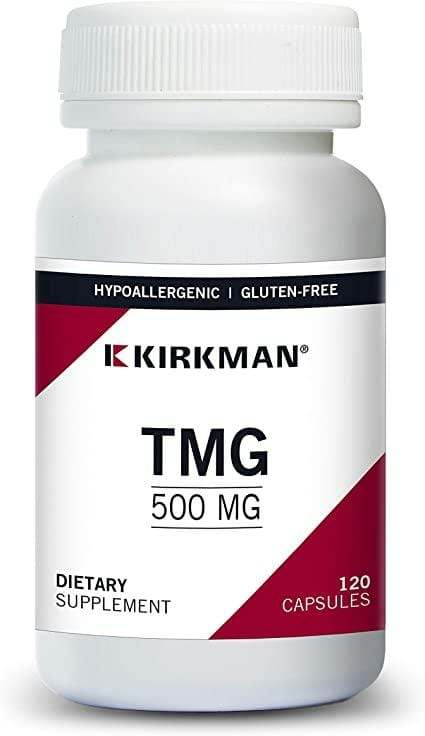
TMG — the methyl-donor question
NAD⁺ precursors are metabolised through pathways that consume methyl groups, which is why trimethylglycine (TMG, betaine) is frequently paired with NMN. Whether you personally need it depends on your diet and dose — we set out the argument on both sides in do I need TMG with NMN? and compare it with the alternative in TMG vs methylfolate.

Welzo option: Welzo Ultra Purity TMG at £16.99, or the bundled NMN & TMG Ultra Purity Supplement Stack at £39.99 — which is, in effect, a ready-made two-product minimal stack. Related buying guides: buy TMG in the UK and buy NMN in the UK.
Apigenin or L-theanine — for the evening wind-down
If your issue is switching off rather than falling asleep, two low-risk options exist. Apigenin is a flavonoid found in chamomile, formulated by Welzo as the Ultra Purity Apigenin Sleep Optimiser (£19.99); we compare it head-to-head with magnesium in apigenin vs magnesium for sleep.

The daytime equivalent is L-theanine taken with caffeine. A double-blind, placebo-controlled crossover trial in the British Journal of Nutrition gave 37 overnight sleep-deprived healthy adults aged 22–30 either 200 mg L-theanine with 160 mg caffeine or placebo, measuring selective attention via reaction time and 32-channel EEG event-related potentials during a visual discrimination task [7]. In practice you already take the caffeine; adding L-theanine is the intervention, and the rationale is smoothing the jittery edge rather than adding alertness.
The caffeine rule that matters more
No supplement offsets caffeine taken too late. Keep your last caffeine at least eight to ten hours before bed. That single behavioural change reliably outperforms anything you can buy.
What to deliberately leave out
- Proprietary blends. If the label lists a blend total rather than per-ingredient amounts, you cannot verify any component is present at a studied dose. See supplement fillers explained.
- A multivitamin on top of targeted products. Layering a multivitamin over separate vitamin D and magnesium creates duplication with no added benefit. Pick one approach.
- Anything replacing sleep, movement or protein intake. No stack compensates for these — see zone 2 training for longevity and the Welzo protein range.
- Ingredients with mechanism but no human outcome data. Reviewed honestly in longevity supplements that don't work, is NMN a scam? and does resveratrol work?
Timing: how to fit the stack into a working day
The goal is two anchor points — one attached to a meal you always eat, one attached to going to bed. Do not create a third.
| Time | What to take | Why then |
|---|---|---|
| Morning, with breakfast | Vitamin D3, omega-3 | Both fat-soluble; absorb better with dietary fat |
| Morning, with breakfast (optional) | NMN Pro 1000, 2 capsules | Welzo's directions specify morning dosing with food |
| Morning, with coffee (optional) | L-theanine 100–200 mg | Taken alongside caffeine to smooth the stimulant effect [7] |
| Any time, daily | Creatine monohydrate 3–5 g | Timing is unimportant; total daily consistency is not |
| Evening, 30–60 min before bed | Magnesium 200–300 mg elemental | Aligns with the sleep-focused trial protocol [6] |
For sequencing and combining, see our supplement timing chart and can you take supplements together.
What a minimal stack costs at Welzo
One of the strongest arguments for minimalism is financial. Welzo prices below are correct at the time of writing (July 2026) and exclude the multi-bottle discounts available on several products.
| Component | Welzo product or range | Price |
|---|---|---|
| Vitamin D3 | Vitamin D collection | From a few pounds per month |
| Omega-3 (EPA+DHA) | Omega-3 collection | Varies by EPA/DHA strength |
| Magnesium | Ultra Purity Magnesium L-Threonate 2000mg | £24.99 (from £39.99) |
| Creatine monohydrate | Creatine collection | Typically the cheapest item in the stack |
| Optional: NMN | NMN Pro 1000 (1,000 mg, 30 servings) | £26.99 (from £39.99) |
| Optional: TMG | Ultra Purity TMG | £16.99 (from £24.99) |
| Optional: NMN + TMG together | NMN & TMG Stack | £39.99 |
| Optional: evening wind-down | Ultra Purity Apigenin Sleep Optimiser | £19.99 (from £29.99) |
| Expanded longevity option | NMN Pro 1000 + Trans-Resveratrol + PQQ bundle | £84.99 |
UK delivery is free on orders over £50, with same-day dispatch on orders placed before 2pm. For deeper cost analysis, see longevity stack cost in the UK, why supplements are expensive, the cheap longevity stack and the cheapest NMN in the UK.
Quality and safety: how to choose products
In the UK, food supplements are regulated as foods rather than medicines. They are not assessed for efficacy before sale the way a licensed medicine is, which places more responsibility on the purchaser. Three checks cover most of the risk.

Check for independent third-party testing
A reputable manufacturer has batches tested by an independent laboratory for identity, purity, heavy metals and microbial contamination. Read our explainer on third-party tested supplements, and Welzo's own ingredient quality and purity certifications.
Ask for a Certificate of Analysis
A Certificate of Analysis (COA) proves what is actually in the capsule, and should be batch-specific and recent. The COA for NMN Pro 1000 is published directly on the product page. Our guide on how to read a supplement certificate of analysis shows what to look for.
Read the label for dose and form, not the front of the bottle
Look for elemental amounts (magnesium), active fractions (EPA and DHA rather than total oil), and named forms (cholecalciferol, monohydrate, bisglycinate). Avoid proprietary blends. The Welzo Ultra Purity range is formulated on this principle: single-ingredient focus, disclosed dosages, no blends.
Who should take extra care
- Anyone taking prescription medication, especially anticoagulants, blood pressure medication, thyroid medication, antibiotics or diabetes medication. Magnesium can affect absorption of certain antibiotics; omega-3 affects platelet function.
- Anyone with kidney disease — magnesium and creatine both require normal renal handling and should only be used on medical advice.
- Anyone pregnant or breastfeeding — avoid supplements containing vitamin A from fish liver oil, and seek advice before starting anything new. NMN is not suitable during pregnancy or breastfeeding.
- Anyone with a history of kidney stones, hypercalcaemia or a sarcoid disorder — take particular care with vitamin D.
Tailoring the stack to your situation
If you are in your thirties
The core four is usually sufficient. Prioritise the habit over the ingredient list — see longevity supplements in your 30s.
If you are a woman over 40
Iron status, calcium intake and bone health rise in priority, and vitamin D matters more. See longevity supplements for women over 40, NMN and menopause, and the Ultra Purity Menopause Support supplement. A Well Woman blood test gives you a baseline.
If you are a man over 50
Muscle mass preservation moves up the list, strengthening the case for creatine plus adequate protein. See longevity supplements for men over 50 and the Wellman blood test.
If you work shifts or travel across time zones
Circadian disruption changes the calculus around evening magnesium and caffeine timing — see supplements for shift work.
If you are vegan or vegetarian
Swap fish oil for algal EPA/DHA and watch B12, iodine and iron. Dietary creatine on a vegan diet is essentially zero, which makes supplementation more meaningful, not less. See vegan longevity supplements, the vitamin B12 collection and the vegan blood test.
A four-week plan to build the habit
- Week 1 — Vitamin D only. One product, one time of day, attached to breakfast. Prove the habit before complicating it.
- Week 2 — Add omega-3. Same moment, same meal. No new decision points.
- Week 3 — Add evening magnesium. This creates your second anchor. Put it physically next to your toothbrush.
- Week 4 — Add creatine. Stir into whatever you drink daily. Then assess: are you at 90%+ adherence? If not, remove something rather than adding.
For a broader onboarding framework see how to start taking longevity supplements. If you later want to pause an ingredient, read what happens when you stop taking NMN.
Measure something. Before you start, note three things you can rate weekly out of ten: daytime energy, sleep quality, and afternoon focus. Without a baseline you cannot tell whether the stack is working or whether the weather improved. Our guide on lowering biological age covers what is genuinely measurable.
When to speak to a doctor first
Speak to your GP or pharmacist before starting a supplement stack if you take any prescription medication, are pregnant or breastfeeding, have kidney or liver disease, have a history of kidney stones or high blood calcium, or are being treated for any chronic condition.
Persistent fatigue, poor concentration and low mood are also symptoms of conditions supplements do not treat — including iron deficiency anaemia, thyroid dysfunction, sleep apnoea, depression and vitamin B12 deficiency. If those symptoms have lasted more than a few weeks, the right first step is a clinical assessment and a blood test such as the thyroid blood test or ferritin (iron) blood test, not a supplement order.
Frequently asked questions
What is the best minimal supplement stack for a busy professional?
For most UK-based working adults, a minimal supplement stack of vitamin D3 (10–25 µg), omega-3 providing 500–1,000 mg combined EPA and DHA, magnesium (200–300 mg elemental) and creatine monohydrate (3–5 g) covers the most common, best-evidenced gaps. These address a documented UK seasonal vitamin D shortfall [1], low oily fish intake [3], magnesium intakes below the LRNI in a meaningful proportion of adults [2], and muscle and brain energy buffering [4,5].
How many supplements should I actually take?
Three to five is the practical sweet spot. Beyond that, adherence falls, duplication becomes likely, and you lose the ability to tell which product is doing anything. If you cannot complete the routine in under thirty seconds, it is too big.
Is a multivitamin enough on its own?
A multivitamin provides broad insurance at low doses, but rarely delivers meaningful amounts of the nutrients most likely to be short — vitamin D at 25 µg, EPA and DHA, or 200 mg of elemental magnesium. Targeted products at studied doses are usually the better use of the same money. Do not run both, as you will duplicate.
When is the best time to take a minimal supplement stack?
Attach fat-soluble items (vitamin D3, omega-3) to your largest meal, place magnesium in the evening, and take creatine at any consistent point. NMN Pro 1000 is directed for morning use with breakfast. Two anchor points beats five — see our supplement timing chart.
Can I take all of these supplements at the same time?
Vitamin D, omega-3 and creatine can be taken together without issue. Magnesium is generally moved to the evening for convenience and because that matches the sleep trial protocols. Magnesium can interfere with absorption of certain antibiotics and other medicines, so separate it by two to four hours from prescription drugs unless your pharmacist advises otherwise. See can you take supplements together.
How long before I notice anything?
Creatine saturates stores over roughly three to four weeks at 3–5 g/day. Vitamin D status typically takes eight to twelve weeks to shift meaningfully. The magnesium sleep effect in the trial cited was measured at four weeks [6]. Welzo's guidance for NMN Pro 1000 is that some people notice changes in energy and focus within 2–4 weeks, with more noticeable effects typically after 8–12 weeks of consistent use. Do not judge any of these at two weeks — see how long supplements take to work.
Do I need magnesium if I already sleep well?
The strongest signal in the magnesium trial came from participants with lower baseline dietary magnesium intake [6]. If you sleep well and eat plenty of wholegrains, nuts, seeds and leafy greens, magnesium is the most defensible item to drop from the core four.
Is creatine only for people who go to the gym?
No. Creatine supports the phosphocreatine system in the brain as well as in muscle, and the cognition-under-sleep-deprivation studies were conducted in ordinary adults rather than athletes [4,5]. It also supports preservation of lean mass with age, which matters increasingly from the forties onwards. It is not a stimulant and does not affect sleep.
Should NMN be part of a minimal supplement stack?
Only as an optional addition once the core four are consistent. Human trials show NMN at 250 mg/day over 12 weeks raises blood NAD levels and has been associated with improvements in physical function, drowsiness and sleep quality in older adults [8,9], while a meta-analysis of eight RCTs found no significant effect on glucose or lipid markers [13]. It is a reasonable long-term addition, not a foundation. See the NMN pillar guide, the NMN supplements collection, or NMN Pro 1000.
How much should a minimal supplement stack cost per month in the UK?
The core four typically lands between £25 and £50 per month depending on the omega-3 strength you choose. Adding an NAD⁺ precursor such as NMN Pro 1000 at £26.99, or the combined NMN & TMG stack at £39.99, takes it higher. Welzo offers free UK delivery over £50. Costs are broken down further in longevity stack cost in the UK.
References
- NHS. Vitamin D — Vitamins and minerals. National Health Service. https://www.nhs.uk/conditions/vitamins-and-minerals/vitamin-d/
- Derbyshire E. Micronutrient Intakes of British Adults Across Mid-Life: A Secondary Analysis of the UK National Diet and Nutrition Survey. Frontiers in Nutrition. 2018;5:55. https://www.frontiersin.org/journals/nutrition/articles/10.3389/fnut.2018.00055/full
- EFSA Panel on Dietetic Products, Nutrition and Allergies. Scientific Opinion on the Tolerable Upper Intake Level of EPA, DHA and DPA. EFSA Journal. 2012;10(7):2815. https://efsa.onlinelibrary.wiley.com/doi/abs/10.2903/j.efsa.2012.2815
- Gordji-Nejad A, Matusch A, Kleedörfer S, et al. Single dose creatine improves cognitive performance and induces changes in cerebral high energy phosphates during sleep deprivation. Scientific Reports. 2024;14:4937. https://www.nature.com/articles/s41598-024-54249-9
- The effects of creatine supplementation on cognitive function in adults: a systematic review and meta-analysis. Frontiers in Nutrition. 2024;11:1424972. https://www.frontiersin.org/journals/nutrition/articles/10.3389/fnut.2024.1424972/full
- Magnesium Bisglycinate Supplementation in Healthy Adults Reporting Poor Sleep: A Randomized, Placebo-Controlled Trial. Nature and Science of Sleep. 2025. https://pmc.ncbi.nlm.nih.gov/articles/PMC12412596/
- High-dose L-theanine–caffeine combination improves neurobehavioural and neurophysiological measures of selective attention in acutely sleep-deprived young adults. British Journal of Nutrition. 2025. https://pubmed.ncbi.nlm.nih.gov/40789769/
- Kim M, Seol J, Sato T, et al. Effect of 12-Week Intake of Nicotinamide Mononucleotide on Sleep Quality, Fatigue, and Physical Performance in Older Japanese Adults. Nutrients. 2022;14(4):755. https://www.ncbi.nlm.nih.gov/pmc/articles/PMC8877443/
- Morifuji M, Higashi S, Ebihara S, Nagata M. Ingestion of β-nicotinamide mononucleotide increased blood NAD levels, maintained walking speed, and improved sleep quality in older adults. GeroScience. 2024;46(5):4671–4688. https://pmc.ncbi.nlm.nih.gov/articles/PMC11336149/
- Public Health England. National Diet and Nutrition Survey: Years 1 to 9 of the Rolling Programme — Time Trend and Income Analyses. https://assets.publishing.service.gov.uk/media/5c45e22340f0b61704aec504/NDNS_UK_Y1-9_report.pdf
- British Heart Foundation. Vitamin D: deficiency, supplements, sunlight and diet. https://www.bhf.org.uk/informationsupport/heart-matters-magazine/nutrition/ask-the-expert/vitamin-d
- An overview of national and international long chain omega-3 polyunsaturated fatty acid intake recommendations for healthy populations. Nutrition Research Reviews, Cambridge University Press. Read on Cambridge Core
- Effects of Nicotinamide Mononucleotide on Glucose and Lipid Metabolism in Adults: A Systematic Review and Meta-analysis of Randomised Controlled Trials. Current Diabetes Reports. 2024. https://www.ncbi.nlm.nih.gov/pmc/articles/PMC11557618/
Medical disclaimer
This article is for general information and does not constitute medical advice, diagnosis or treatment. Food supplements are not a substitute for a varied, balanced diet and a healthy lifestyle, and should not be used to treat or prevent disease. Always consult a qualified healthcare professional — such as your GP or pharmacist — before starting any new supplement, particularly if you take prescription medication, have an existing medical condition, or are pregnant or breastfeeding. If you experience persistent fatigue, low mood or cognitive difficulties, seek a clinical assessment. Reviewed for medical accuracy by Dr Zeeshan Afzal. See the full Welzo medical disclaimer.
All product photography in this article is owned by Welzo and served from the Welzo media library. Prices correct at the time of publication and subject to change.




 Rated Excellent by 28,951+ Reviews
 100% Money Back Guarantee