
Your cart is empty
This quantity of item cannot be added to the cart
Continue shopping
Dry Shampoo
4.8on Trustindex
browsing now
Order before 2pm for same-day dispatch
2766+ orders this week
-
 Quick view
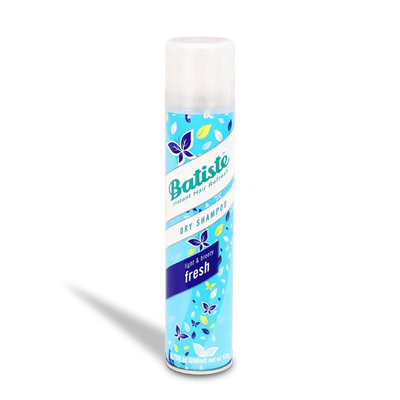
Batiste
Batiste Dry Shampoo Fresh 200ml
Shampoo£ 4.10UK delivery soon
Order within 2h 14m
In Stock
Authentic 30-day returns 12 viewing -
 Quick view
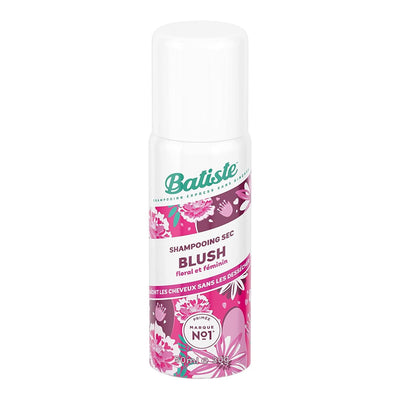
Batiste
Batiste Dry Shampoo Blush 200ml
Shampoo£ 3.96UK delivery soon
Order within 2h 14m
In Stock
Authentic 30-day returns 12 viewing -
 Quick view
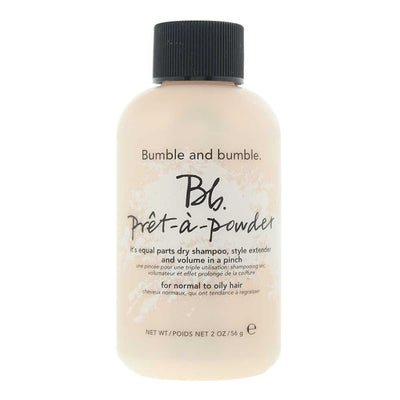
Bumble And Bumble.
Bumble And Bumble. Bb. Prêt-À-Powder Dry Shampoo 56g
Health & Beauty£ 0.00UK delivery soon
Order within 2h 14m
Out of stock
Authentic 30-day returns 12 viewing -
 Quick view
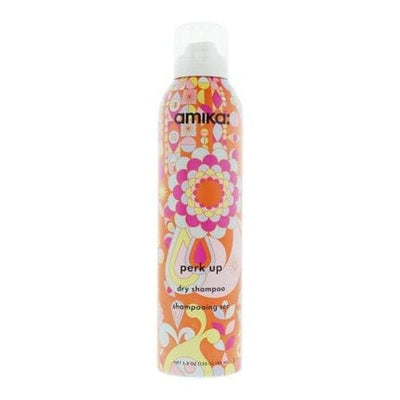
Amika
Amika Perk Up Dry Shampoo 150g For Women
Health & Beauty£ 26.57UK delivery soon
Order within 2h 14m
Out of stock
Authentic 30-day returns 12 viewing
Dry Shampoo
Dry shampoo is a waterless hair-refreshing product designed to reduce the look of oily roots, revive volume, and extend the time between wash days. Instead of cleansing with water and surfactants, it relies on oil-absorbing powders or starches that bind excess sebum at the scalp so hair looks cleaner and feels lighter.
It’s especially useful when you want hair to look freshly styled without committing to a full wash and blow-dry—think second-day hair, post-workout refresh, travel, long workdays, or nights out. Many formulas also add texture and grip, which can make styling easier (updos, waves, ponytails) while softening the “flat” look that often comes with oily roots.
Dry shampoo works best as a between-wash tool. Used correctly—targeted at the roots, left to absorb, then brushed through—it can keep hair looking presentable while helping you avoid overwashing, which sometimes leaves the scalp feeling tight and the lengths feeling dry.
What is Dry Shampoo?
Dry shampoo is a leave-in product (usually an aerosol spray or loose powder) formulated with absorbent ingredients such as rice starch, corn starch, kaolin clay, or silica. These materials attach to oil at the root area, reducing shine and heaviness while creating a more matte, refreshed finish.
It’s important to understand what dry shampoo does and does not do. It can improve the appearance of oil and odour quickly, but it does not replace proper scalp cleansing long-term. If you rely on it frequently, it’s worth building a routine that includes regular washing and occasional deeper cleansing within a broader hair care approach.
Benefits and Features of the Welzo Dry Shampoo Collection
Dry shampoo is popular because it solves multiple everyday hair problems fast. Key benefits include:
- Oil control between washes: Reduces the look of greasy roots without water.
- Instant root lift and texture: Helps fine or limp hair look fuller and more styled.
- Style longevity: Extends blow-dries and helps hair hold shape for longer.
- Time-saving refresh: Ideal for mornings, travel, and busy schedules.
- Post-exercise reset: Helps hair look fresher after sweating when you’re not ready to wash.
If you style often, dry shampoo can act like a “foundation product” that gives grip before you finish with styling products. For example, adding texture at the roots can make hold products feel more effective and help your look last longer when paired with hair sprays.
Why Dry Shampoo Is Important
Dry shampoo matters because it helps balance lifestyle needs with scalp comfort and hair condition. Many people want hair to look fresh daily, but frequent washing can be inconvenient, time-consuming, and may leave lengths feeling dry—especially if you heat-style after every wash.
For oily scalps, dry shampoo can reduce shine and make hair feel less heavy at the roots. For drier hair types, it can reduce the number of times you wet, detangle, and re-style hair (all of which can add friction over time). The goal is not to avoid washing forever, but to create a rhythm that keeps hair looking good while supporting scalp hygiene.
Best Products in Dry Shampoo
The “best” dry shampoo depends on your oil level, hair density, hair colour, and how you like your hair to feel after application. These factors help you choose well:
- Finish preference: Some formulas aim for an invisible, clean finish; others intentionally add more texture for styling.
- Oil strength: Very oily scalps usually need stronger absorbents; normal scalps may prefer lighter-feeling options.
- Residue tolerance: If you dislike a powdery feel, apply less, wait longer, and brush thoroughly.
- Scalp comfort: If you get itching or tightness, choose options that feel lighter and avoid over-layering.
Dry shampoo works best when your routine includes consistent cleansing and maintenance steps. If you notice your hair gets “coated” easily, it can help to alternate regular washes with gentler formulas from sulfate-free shampoos, especially if you wash frequently or have a reactive scalp.
How to Use Dry Shampoo
Technique is the difference between fresh-looking roots and chalky build-up. A practical method is:
- Use on dry hair only: Apply to fully dry roots so absorbents can bind oil effectively.
- Section your hair: Target the parting, crown, and hairline instead of spraying everywhere.
- Apply lightly and build: Start with less than you think you need—more is not better.
- Wait 30–90 seconds: Let it absorb before you touch it.
- Massage and brush: Use fingertips at the scalp, then brush through thoroughly to remove excess.
Better results tip: Apply dry shampoo at night. It has more time to absorb oil while you sleep, which often creates a more natural finish the next morning.
If you struggle with uneven distribution, a good brush can make a big difference. Using the right tools helps remove excess product and blend the finish more naturally—especially around the hairline—so browsing hair brushes and combs can support better results.
Side Effects or Interactions of Dry Shampoo
Dry shampoo is generally well tolerated, but heavy use without regular washing can cause issues. Potential drawbacks include:
- Itching or irritation: Often related to over-application, fragrance sensitivity, or product sitting on the scalp too long.
- Build-up and dullness: Hair may feel coated, look flat, or become harder to style over time.
- Follicle congestion: In some people, persistent build-up may contribute to scalp breakouts or tenderness.
- Dry lengths: If product drifts down the hair shaft, ends can feel rough—keep application targeted at roots.
If you use dry shampoo multiple times per week, it’s smart to plan periodic “reset” washes. Many routines benefit from a weekly deep clean using a clarifying shampoo to lift residue from powders, oils, and styling products and help the scalp feel cleaner again.
Different Types of Dry Shampoo Available
- Aerosol sprays: Quick, convenient, and popular for fast refresh; can leave residue if applied too heavily.
- Loose powders: Often highly absorbent and ideal for oily scalps; requires careful application and blending.
- Pressed powders: Travel-friendly and useful for hairline touch-ups with less mess.
- Texturising formats: Designed to add grip and volume as much as oil control, often preferred for styling.
If your hair needs extra smoothness on non-wash days, applying a small amount of a lightweight product to the lengths (not the scalp) can improve manageability. Many people choose a targeted leave-in from hair serums to keep ends looking polished while using dry shampoo at the roots.
Most Popular Dry Shampoo Products
Most popular choices tend to fall into performance “profiles” rather than one-size-fits-all solutions. Common favourites include:
- Volumising options for fine hair that needs lift and grip.
- Invisible-finish formulas for minimal visible residue after brushing.
- Scalp-comfort options for people who react to heavy fragrance or frequent use.
- Long-wear refreshers for those extending styles across multiple days.
Statistics, Research, Expert Information and Quotes on Dry Shampoo
Expert guidance around dry shampoo use usually comes down to balance. It can be a helpful tool to reduce the appearance of oil and extend styles, but scalp hygiene still matters. Most negative experiences (itching, dullness, residue) are linked to overuse, heavy layering with styling products, and not cleansing often enough.
If you’re using dry shampoo because your scalp gets oily quickly, it can help to understand why oil builds up and what habits make it worse or better. For practical strategies on reducing greasy roots and improving your routine, you can read this Welzo article: Greasy Hair: How to Effectively Get Rid of It.
How Welzo Selects the Dry Shampoo Collection
Selection focuses on real-world performance and routine compatibility. This includes:
- Effective oil absorption: Noticeable improvement in root freshness without excessive chalkiness.
- Blendability: Products that disperse well and brush out for a natural finish.
- Scalp comfort: Options that feel tolerable for repeat use and minimise irritation risk where possible.
- Styling support: Volume and grip that improve how hair looks and holds shape.
- Routine flexibility: Different textures and finishes for different hair types and goals.
For people who are also concerned about thinning or scalp changes, pairing a refresh routine with a longer-term plan can be helpful. You can explore guidance and options via the hair loss treatment page when you want more structured support.
Trusted by Experts and Verified Quality on Welzo
Welzo supports informed shopping by maintaining transparent standards across product ranges. To learn more about the people and standards behind product selection, you can explore: Welzo Staff, Ingredient Quality & Purity Certifications, and Supplement Quality Standards & Certifications.
Customer Reviews
Dry shampoo is very personal—results vary depending on scalp oil level, hair density, hair colour, and how much texture you prefer. You can compare verified customer experiences on the Welzo Reviews page.
FAQs
How often can I use dry shampoo?
Many people use it 1–3 times per week. If you use it more frequently, make sure you wash your scalp regularly to prevent build-up and irritation.
Why does my dry shampoo sometimes look chalky?
Chalkiness often comes from applying too much or not brushing thoroughly. Apply lightly, wait for absorption, then brush or blow-dry on cool to blend.
Is dry shampoo a substitute for washing hair?
No. It helps with the appearance of oil between washes, but you still need proper cleansing to remove sweat, residue, and build-up for long-term scalp health.
Is it better to apply dry shampoo at night?
For many people, yes. Applying at night gives the product time to absorb oil gradually and often looks more natural the next morning.
Can dry shampoo make my scalp itchy?
It can if it’s overused or left on the scalp too long without washing. Reducing frequency, using less product, and washing regularly usually helps.
Will dry shampoo work on fine hair?
Yes. Fine hair often benefits from the lift and grip dry shampoo provides—just apply sparingly so hair doesn’t feel gritty or weighed down.
What’s the best way to avoid build-up?
Use dry shampoo only where needed (roots), avoid heavy layering, brush thoroughly, and include regular wash days in your routine.
Can I use dry shampoo after exercising?
Yes—let hair cool and dry first, then apply to the roots and brush through. It works best for a cosmetic refresh rather than replacing cleansing long-term.
Should I use dry shampoo before styling?
Yes. It can add texture and grip, which helps styles hold better. Apply at the roots, let it absorb, then style as usual.
 Rated Excellent by 28,951+ Reviews
 100% Money Back Guarantee