

Your cart is empty
This quantity of item cannot be added to the cart
Continue shopping
Children's Fever & Pain Relief
4.8on Trustindex
browsing now
Order before 2pm for same-day dispatch
2766+ orders this week
-
 Quick view
Numark
Numark Paracetamol 120mg/5ml Oral Suspension 100ml
Medicine & DrugsParacetamol£ 5.40UK delivery soon
Order within 2h 14m
In Stock
Authentic 30-day returns 12 viewing -
 Quick view
Calpol
Calpol Infant Suspension Sugar Free Colour Free
Medicine & Drugs£ 5.87UK delivery soon
Order within 2h 14m
In Stock
Authentic 30-day returns 12 viewing -
 Quick view
Calpol
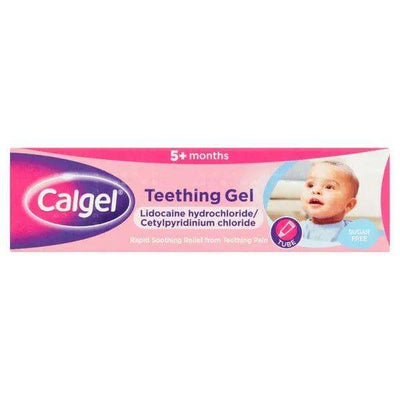
Calpol Calgel Teething Gel 10g
Oral CareLidocaine hydrochlo...£ 4.81UK delivery soon
Order within 2h 14m
In Stock
Authentic 30-day returns 12 viewing -
 Quick view
Nurofen
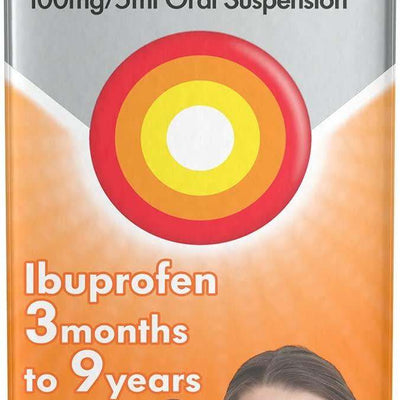
Nurofen For Children 3 Months To 9 Years Orange 100ml
Medicine & Drugs£ 4.93UK delivery soon
Order within 2h 14m
In Stock
Authentic 30-day returns 12 viewing -
 Quick view
Calpol
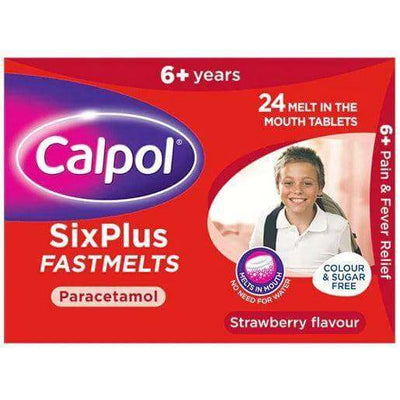
Calpol SixPlus
Medicine & Drugs£ 10.15UK delivery soon
Order within 2h 14m
In Stock
Authentic 30-day returns 12 viewing -
 Quick view
Calpol
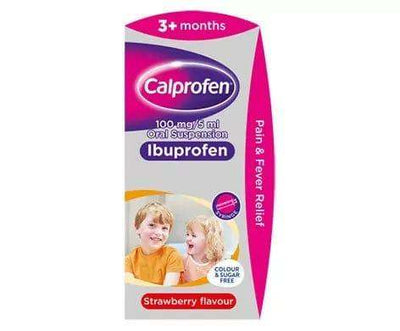
Calpol Calprofen Suspension 200ml
Medicine & Drugs£ 7.55UK delivery soon
Order within 2h 14m
In Stock
Authentic 30-day returns 12 viewing -
 Quick view
Calpol
Calpol SixPlus Sugar Free Suspension Strawberry Flavour 6+ Years 200ml
Medicine & Drugs£ 9.07UK delivery soon
Order within 2h 14m
In Stock
Authentic 30-day returns 12 viewing -
 Quick view
Calpol
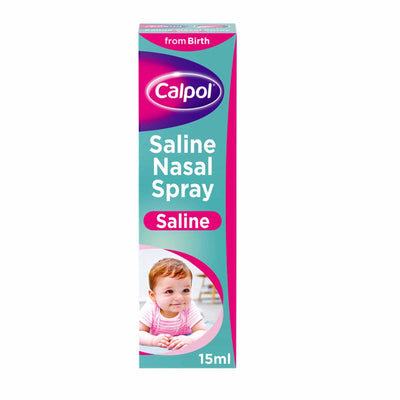
Calpol Saline Nasal Spray from Birth 15ml
Medicine & Drugs£ 5.80UK delivery soon
Order within 2h 14m
In Stock
Authentic 30-day returns 12 viewing -
 Quick view
Calpol
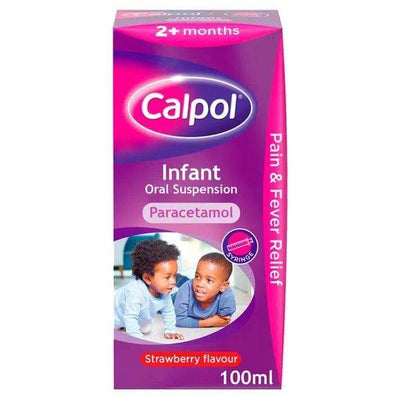
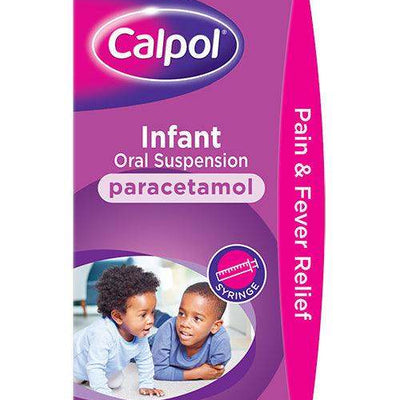
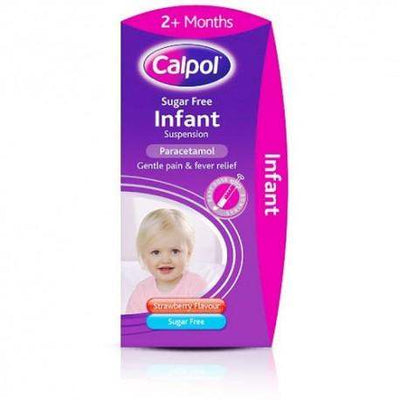
Calpol Infant Suspension, Paracetamol Medication, For 2+ Months, Strawberry Flavour
Medicine & Drugs£ 5.15UK delivery soon
Order within 2h 14m
In Stock
Authentic 30-day returns 12 viewing -
 Quick view
Calpol
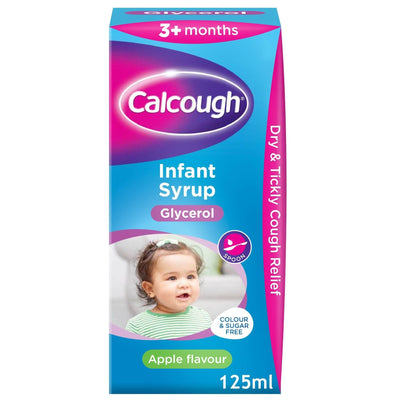
Calpol Calcough Infant Syrup 125ml
Medicine & Drugs£ 6.44UK delivery soon
Order within 2h 14m
In Stock
Authentic 30-day returns 12 viewing -
 Quick view
Nurofen
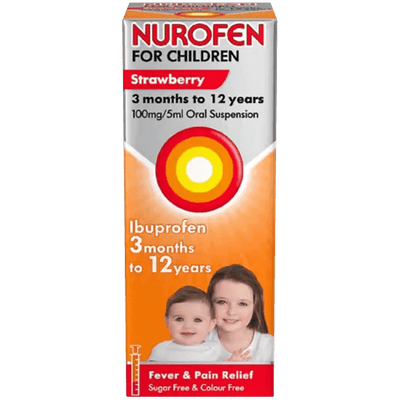
Nurofen For Children Sugar-free Strawberry 200ml
Medicine & Drugs£ 11.41UK delivery soon
Order within 2h 14m
In Stock
Authentic 30-day returns 12 viewing -
 Quick view
Nurofen
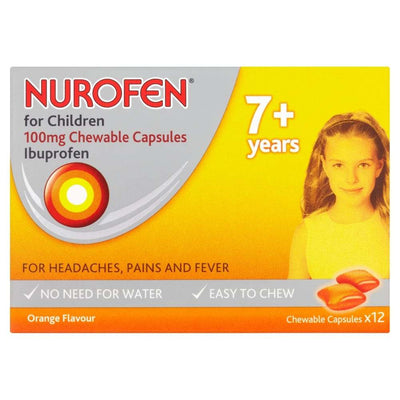
Nurofen for Children Chewable Capsules Pack of 12
Medicine & Drugs£ 6.54UK delivery soon
Order within 2h 14m
In Stock
Authentic 30-day returns 12 viewing -
 Quick view
Ultra Chloraseptic
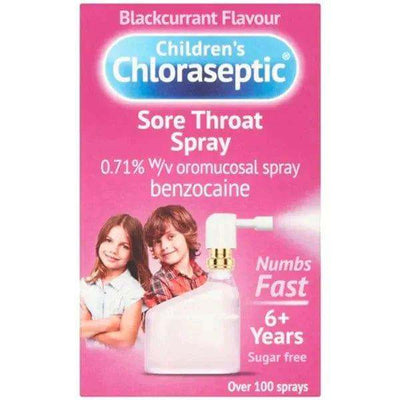
Ultra Chloraseptic Children's Sore Throat Spray Blackcurrant 15ml
Medicine & Drugs£ 7.78UK delivery soon
Order within 2h 14m
In Stock
Authentic 30-day returns 12 viewing -
Sale-44%
 Quick view
Nurofen
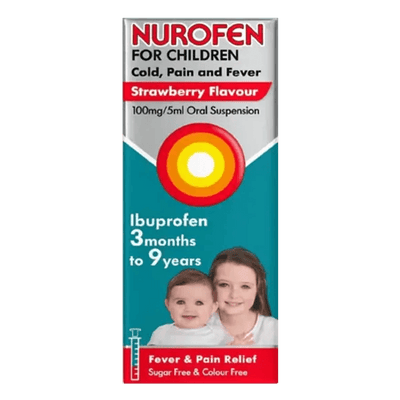
Nurofen for Children Cold, Pain & Fever Strawberry 100ml
Medicine & Drugs£ 4.34£7.73Lowest price in 30 days
UK delivery soon
Order within 2h 14m
In Stock
Authentic 30-day returns 12 viewing -
 Quick view
Kool 'n' Soothe
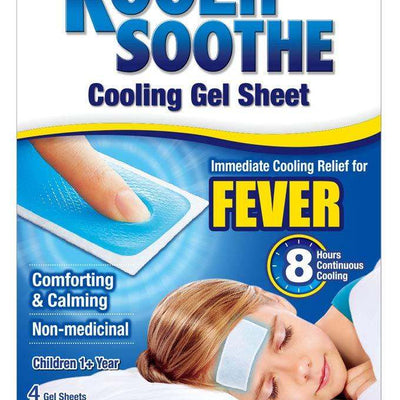
Kool 'n' Soothe Cooling Strip Sachets Kids Pack of 4
Medicine & Drugs£ 3.52UK delivery soon
Order within 2h 14m
In Stock
Authentic 30-day returns 12 viewing -
 Quick view
Calpol
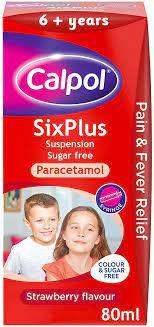
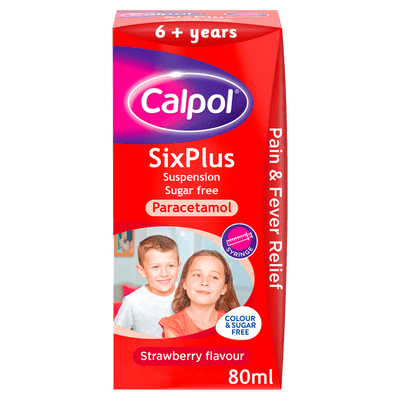
Calpol SixPlus Sugar Free Suspension, Paracetamol Medication, 6+ Years, Strawberry Flavour, 80ml
Medicine & Drugs£ 6.53UK delivery soon
Order within 2h 14m
In Stock
Authentic 30-day returns 12 viewing -
 Quick view
Calpol
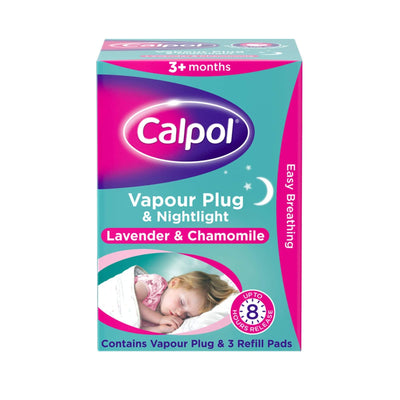
Calpol Vapour Plug & Nightlight Lavender & Chamo-mile 3+ Months
Medicine & Drugs£ 9.48UK delivery soon
Order within 2h 14m
In Stock
Authentic 30-day returns 12 viewing -
 Quick view
Calpol
Calpol Sugar Free Infant Suspension, Medication, 2+ Months, Strawberry Flavour
Medicine & Drugs£ 4.85UK delivery soon
Order within 2h 14m
In Stock
Authentic 30-day returns 12 viewing
Children's Fever & Pain Relief
Children’s fever and pain relief products are essential for managing discomfort, high temperatures and common childhood illnesses such as colds, flu, teething pain and minor infections. This Welzo collection offers a trusted range of child-friendly medicines, fast-acting syrups, dissolvable tablets, suppositories and soothing gels tailored to reduce fever, ease aches and support overall comfort. Shop and buy children’s pain relief online to compare suitable options for your child’s age and symptoms.
What Is Children’s Fever & Pain Relief?
Children’s fever and pain relief refers to over-the-counter medicines formulated specifically for infants, toddlers and young children to help lower high temperatures and relieve discomfort caused by illness or physical strain. These products typically include child-appropriate strengths of ingredients such as paracetamol or ibuprofen, with dosing calibrated by age and weight for safety. Many formulations are flavoured, sugar-free and designed for easy administration.
Fever is a natural part of the immune response, but when a child feels unwell, achy, restless or uncomfortable, temperature-lowering and pain-relieving treatments can support comfort and restful recovery.
Benefits and Features of the Welzo Children’s Fever & Pain Relief Collection
- Age-specific formulations: Includes options suitable from 3 months, 6 months or 2 years and above depending on product.
- Fast-acting relief: Designed to reduce fever and ease symptoms such as headaches, earaches, muscle pain and sore throats.
- Easy-to-administer formats: From liquid suspensions and oral syringes to chewables, sachets and suppositories.
- Great for common childhood concerns: Useful for colds, teething, post-immunisation fever and mild infections.
- Trusted child-health brands: Curated by Welzo to ensure safe, reputable and parent-approved choices.
- Works alongside related collections: Integrates well with Children’s Cough, Cold & Flu, Teething and Baby & Child Health.
Why Is Children’s Fever & Pain Relief Important?
Managing fever and pain can make a significant difference to a child’s comfort when unwell. Relief products help to:
- Reduce high temperatures that are causing distress.
- Ease discomfort from infections, vaccinations or teething.
- Promote better sleep and rest, which supports recovery.
- Enable normal eating and drinking when symptoms might otherwise interfere.
While fever itself is not dangerous in most cases, effective relief helps parents care confidently for their child while monitoring other symptoms.
How to Use Children’s Fever & Pain Relief Safely
- Always check the product is appropriate for your child’s age and weight.
- Use the supplied syringe or spoon to ensure accurate dosing.
- Do not combine products containing the same active ingredient unless advised.
- Allow the recommended time between doses.
- If symptoms persist for more than a few days, seek medical advice.
For additional symptom management, families often explore categories such as Children’s Antihistamines and Children’s Digestive Health.
What Are the Different Types of Children’s Fever & Pain Relief Available?
- Paracetamol suspensions: Often used for fevers, headaches and general aches.
- Ibuprofen suspensions: Useful for inflammation-related discomfort, sore throats and muscular pain.
- Chewable tablets: Convenient for older children who dislike liquid medicine.
- Sachets and melts: Easy-dissolve options for quick absorption.
- Suppositories: Ideal for children unable to take oral medicine due to vomiting or difficulty swallowing.
- Sore-throat and cooling products: Complementary treatments for throat pain, congestion and feverish discomfort.
Most Popular Children’s Fever & Pain Relief Products
Parents often look for products that:
- Have clear dosing instructions for younger age groups.
- Provide fast comfort and long-lasting relief.
- Are gentle on the stomach.
- Feature child-friendly flavours for easier administration.
Many customers browse related categories such as Thermometers and Children’s First Aid for complete home-care support.
Statistics, Research & Expert Insight on Childhood Fever
Fever is one of the most common reasons parents seek medical advice. Clinically, fever is defined as a temperature above 38°C and is typically a sign of the immune system fighting infection. Evidence shows that comfort-focused management — including hydration, rest and age-appropriate fever relief — helps reduce distress without interfering with the body’s natural defences.
Paediatric guidance emphasises treating the child’s discomfort rather than the number on the thermometer. A child who is drinking well, alert and interactive usually copes well with mild-to-moderate fever. Persistent high fever, worsening symptoms or signs of dehydration warrant medical review.
How We Select Our Children’s Fever & Pain Relief Products at Welzo
- Paediatric suitability: All products include clear age and weight guidance.
- Safety and quality: We prioritise reputable, pharmacy-approved brands.
- Ease of use: Liquid formulas, syringes and child-friendly options are chosen for practicality.
- Clinical relevance: Products reflect paediatric best practices for managing fever and discomfort.
- Complements wider care: Works alongside child health categories such as Children’s Immunity and Sleep Aids for Babies & Children.
Trusted by Experts – Welzo Quality Assurance
Welzo ensures all child health medicines meet strict quality and safety criteria. To learn more about our processes and team, visit:
- Welzo Staff
- Ingredient Quality & Purity Certifications
- Supplement Quality Standards & Certifications
Children’s Fever & Pain Relief Reviews
Read verified parent and customer experiences through our reviews hub: Welzo Reviews
Frequently Asked Questions About Children’s Fever & Pain Relief
When should I treat my child’s fever?
Treat a fever when your child is uncomfortable, distressed, unable to sleep or refusing fluids. The focus is comfort rather than targeting a specific temperature.
Can I alternate paracetamol and ibuprofen?
Alternating medicines is sometimes used under guidance, but it should not be done routinely without professional advice. Always follow age and timing guidelines carefully.
How long do children’s fever medicines take to work?
Most liquid formulas begin working within 15–30 minutes, with effects lasting several hours depending on the medicine used.
What if my child vomits after taking medicine?
If vomiting occurs immediately, you may need to re-dose depending on the timing and product instructions. If unsure, ask a pharmacist or GP.
Can I give fever medicine before vaccinations?
Routine pre-medication is not recommended unless advised. However, these medicines are safe to use afterwards if your child develops post-immunisation fever or discomfort.
Are suppositories as effective as liquid medicines?
Yes. Suppositories provide reliable dosing and are ideal for children who cannot tolerate oral medicine due to nausea or difficulty swallowing.
What if fever returns after medication wears off?
It is common for fever to rise again as the medicine wears off. You can repeat dosing within the recommended timing window.
Should I wake my child to give fever medicine?
No. If your child is sleeping comfortably, there is no need to wake them for pain or fever relief.
When should a child’s fever be considered serious?
Seek urgent medical attention if your child has difficulty breathing, a rash that does not fade, is drowsy, dehydrated, persistently vomiting or if you are worried in any way.
Can I use adult formulas in smaller doses?
No. Adult medicines should never be adjusted for children. Always use age-appropriate formulations designed for paediatric use.
Can teething cause fever?
Teething may cause mild temperature increases, but high fever is usually due to infection. If your child has a high or persistent temperature, seek advice.
How often should I check my child’s temperature?
Check it when symptoms change or before giving additional doses. Using a reliable device from our Thermometers range can help ensure accurate readings.
 Rated Excellent by 26,523+ Reviews
 100% Money Back Guarantee