




Your cart is empty
This quantity of item cannot be added to the cart
Continue shopping
Supports & Braces
4.8on Trustindex
browsing now
Order before 2pm for same-day dispatch
2766+ orders this week
-
 Quick view
Actimove
Actimove Rhizo Forte Thumb Brace Right
Supports & Braces£ 38.72UK delivery soon
Order within 2h 14m
In Stock
Authentic 30-day returns 12 viewing -
 Quick view
Actifast
Actifast Tubular Retention Bandage Blue 7.5cm x 5m
Medicine & DrugsA blend of nylon an...£ 8.75UK delivery soon
Order within 2h 14m
In Stock
Authentic 30-day returns 12 viewing -
 Quick view
Clinicrepe
Clinicrepe Crepe Bandage
Medical Tape & Bandages£ 2.47UK delivery soon
Order within 2h 14m
In Stock
Authentic 30-day returns 12 viewing -
 Quick view
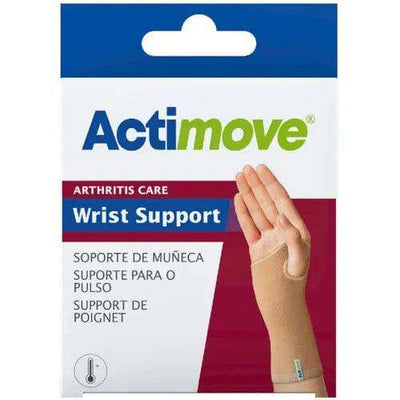
Actimove
Actimove Arthritis Care Wrist Support Beige
Supports & Braces£ 20.77UK delivery soon
Order within 2h 14m
In Stock
Authentic 30-day returns 12 viewing -
 Quick view
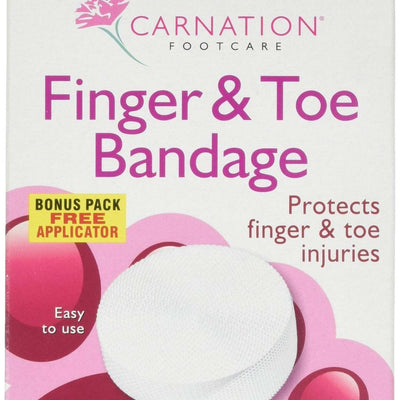
Carnation
Carnation Finger & Toe Bandage 4m
Medical Tape & Bandages£ 5.67UK delivery soon
Order within 2h 14m
In Stock
Authentic 30-day returns 12 viewing -
 Quick view
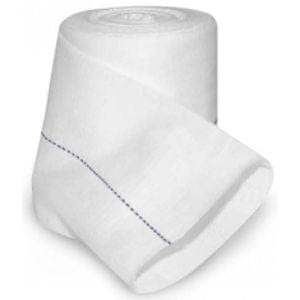
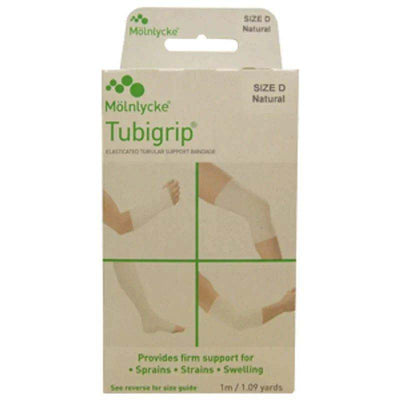
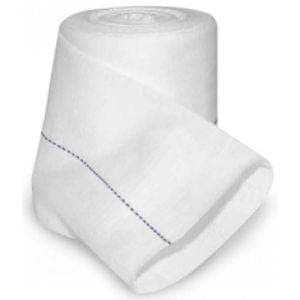
Tubigrip
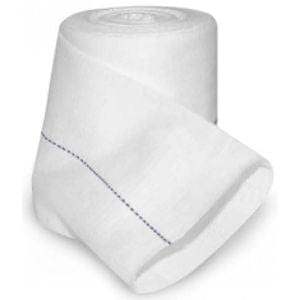
Tubigrip Natural Colour Size
Medical Tape & Bandages£ 4.75UK delivery soon
Order within 2h 14m
In Stock
Authentic 30-day returns 12 viewing -
 Quick view
Actifast
Actifast Tubular Retention Bandage Purple 20cm x 1m
Medicine & Drugs£ 7.49UK delivery soon
Order within 2h 14m
In Stock
Authentic 30-day returns 12 viewing -
 Quick view
Clinicrepe
Clinicrepe Cotton Stretch Bandage
Medical Tape & Bandages£ 1.22UK delivery soon
Order within 2h 14m
In Stock
Authentic 30-day returns 12 viewing -
 Quick view
Actifast
Actifast Tubular Retention Bandage Green 5cm x 3m
Medicine & Drugs£ 3.80UK delivery soon
Order within 2h 14m
In Stock
Authentic 30-day returns 12 viewing -
 Quick view
FastAid
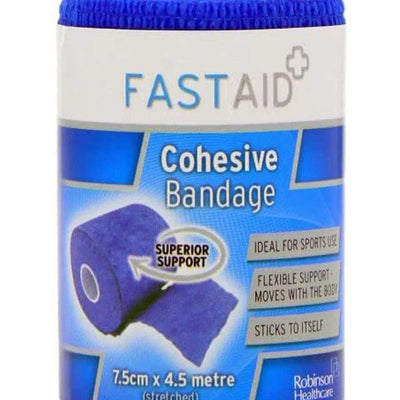
Fastaid Cohesive Bandage 7.5cm x 4.5m
Medical Tape & BandagesNatural latex rubber£ 2.80UK delivery soon
Order within 2h 14m
In Stock
Authentic 30-day returns 12 viewing -
 Quick view
Compeed
Compeed Corn Plasters Medium Pack of 10
Medicine & Drugs£ 7.16UK delivery soon
Order within 2h 14m
In Stock
Authentic 30-day returns 12 viewing -
 Quick view
Actifast
Actifast Tubular Retention Bandage Purple 20cm x 5m
Medicine & Drugs£ 37.80UK delivery soon
Order within 2h 14m
In Stock
Authentic 30-day returns 12 viewing -
 Quick view
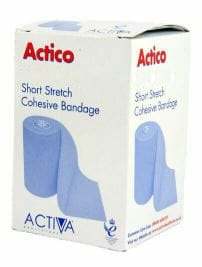
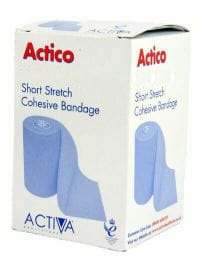
Actico
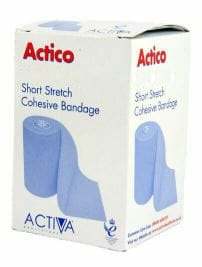
Actico Cohesive Short Stretch Bandage 8cm x 6m
Medicine & Drugs£ 7.67UK delivery soon
Order within 2h 14m
In Stock
Authentic 30-day returns 12 viewing -
 Quick view
Actifast
Actifast Tubular Retention Bandage Green 5cm x 1m
Medicine & Drugs£ 1.36UK delivery soon
Order within 2h 14m
In Stock
Authentic 30-day returns 12 viewing -
 Quick view
K-lite Long
K-lite Long Light Support Bandage 10cm x 5.25m
Medicine & Drugs£ 2.72UK delivery soon
Order within 2h 14m
In Stock
Authentic 30-day returns 12 viewing -
 Quick view
Actico
Actico Cohesive Short Stretch Bandage 12cm x 6m
Medicine & Drugs£ 10.15UK delivery soon
Order within 2h 14m
In Stock
Authentic 30-day returns 12 viewing -
 Quick view
Actico
Actico Cohesive Short Stretch Bandage 6cm x 6m
Medicine & Drugs£ 6.67UK delivery soon
Order within 2h 14m
In Stock
Authentic 30-day returns 12 viewing -
 Quick view
K-lite
K-lite Light Support Bandage 10cm x 4.5m
Medicine & Drugs£ 2.40UK delivery soon
Order within 2h 14m
In Stock
Authentic 30-day returns 12 viewing
Supports & Braces
Orthopaedic supports and braces are designed to stabilise joints, reduce pain and support healthy movement for people managing injuries, chronic musculoskeletal conditions or recovering from surgery. This collection includes knee braces, ankle supports, wrist splints, back supports and posture aids that help you stay active while protecting vulnerable areas of the body. Browse our range to buy orthopaedic supports online and find products that complement your pain relief plan and rehabilitation exercises.
What Are Orthopaedic Supports & Braces?
Orthopaedic supports and braces are structured devices that provide compression, alignment and stability to specific joints or muscle groups. They are frequently recommended for ligament sprains, tendonitis, osteoarthritis, post-fracture rehabilitation and lower back pain. By limiting excessive movement and promoting better joint mechanics, these supports can reduce inflammation, protect healing tissue and improve everyday function. Many customers also pair them with targeted back pain relief or joint pain relief products to build a more complete recovery plan.
Benefits and Features of Orthopaedic Supports & Braces
Using the right orthopaedic support can be a key part of a wider pain management and rehabilitation strategy. Common benefits include:
- Stability and protection for knees, ankles, wrists and shoulders during movement and exercise.
- Targeted compression to help minimise swelling and support circulation around injured tissues.
- Pain reduction for acute injuries or long-term conditions such as arthritis and lumbar strain.
- Improved posture with lumbar belts and back supports that encourage healthier spinal alignment.
- Confidence to stay active while combining supports with appropriate pain relief or drug-free pain relief options.
- Comfort-focused design using breathable, skin-friendly materials suited to longer wear times.
Why Are Orthopaedic Supports Important?
For many people, orthopaedic supports act as a bridge between rest and full activity. They help maintain independence, support return to work or sport, and reduce the risk of re-injury. In conditions like osteoarthritis or chronic back pain, a support can redistribute load, reduce joint stress and make daily tasks such as walking, lifting or using mobility aids more manageable. In first-aid and emergency scenarios, supports work alongside first aid kits and bandages to stabilise an injury before further assessment.
How to Use Orthopaedic Supports & Braces
Use will vary depending on your condition and the type of brace, but general principles include:
- Wearing the support during activities that typically trigger pain or instability.
- Adjusting straps so the brace feels snug and supportive, but not so tight that it restricts circulation.
- Combining use with exercises recommended by a physiotherapist or clinician.
- Considering additional tools such as blood pressure monitors or thermometers if you are recovering from surgery or complex medical treatment.
If you are unsure which brace is appropriate, a healthcare professional can help guide you based on your diagnosis, level of activity and recovery goals.
Types of Orthopaedic Supports & Braces Available
Our orthopaedic range covers multiple body areas and support levels:
- Knee supports and braces for ligament injuries, meniscal issues and arthritis-related pain.
- Ankle braces for acute sprains, instability and sports-related overuse.
- Wrist and thumb splints for carpal tunnel, tendonitis and repetitive strain injuries.
- Back and lumbar supports to assist with lower back pain, sciatica and posture-related discomfort.
- Shoulder and elbow supports for joint stabilisation, rotator cuff problems and sports recovery.
- Specialist braces designed to work alongside rehabilitation programmes and other medical equipment.
Most Popular Orthopaedic Supports & Braces
Popular choices include adjustable knee braces for everyday walking and sport, elasticated ankle supports for sprains, wrist splints for office and manual work, and lumbar belts for standing or lifting-intensive roles. Many customers also purchase medical gloves and other PPE items when supporting a family member’s at-home recovery or wound care.
Statistics, Research & Expert Insight
Clinical guidelines often highlight that bracing and supports can reduce perceived pain and improve function when used alongside exercise and weight management in conditions like knee osteoarthritis. Physiotherapy experts also emphasise that supports may enhance proprioception—the body’s sense of joint position—helping users feel more stable and secure during movement. In sports medicine, functional bracing has been linked to reduced rates of recurrent ankle sprains and improved return-to-play confidence.
How Welzo Selects Orthopaedic Supports & Braces
Welzo evaluates orthopaedic supports based on material quality, design evidence, comfort and user feedback. Products in this collection are chosen to complement wider pain management ranges such as back pain treatments, headache relief and performance and recovery supplements, helping you build a multi-layered approach to recovery. Our clinical team and product specialists work to ensure that supports are durable, user-friendly and compatible with everyday life, from office work to active lifestyles.
Trusted by Experts and Backed by Welzo Quality
To support trust and transparency, Welzo highlights the clinicians, pharmacists and health experts behind our product curation on our Welzo staff page. Our quality processes and material standards are outlined on our ingredient & material quality standards page and our product quality and safety certifications. These frameworks ensure that orthopaedic supports and braces on Welzo meet the expectations of both everyday users and healthcare professionals.
Reviews of Orthopaedic Supports & Braces
Customer experiences can help guide your choice. You can read real-world feedback on comfort, durability and effectiveness across our ranges, including orthopaedic products, via Welzo reviews. Many customers comment on improved mobility, reduced pain during daily tasks, and the benefits of combining braces with targeted pain relief or physiotherapy.
FAQs
Do I need a diagnosis before buying an orthopaedic support?
While many people choose supports for general aches and pains, it is safer and more effective to use them with a clear diagnosis from a healthcare professional. This ensures you select the right type and level of support, and that you pair it with the correct exercises, medication or other treatments such as back pain relief or anti-inflammatory medicines.
Can orthopaedic supports replace pain medication?
Orthopaedic supports are usually used alongside, not instead of, other pain management strategies. For some people, they may reduce the need for frequent medication, especially when combined with lifestyle changes and products from our drug-free pain relief range, but you should always follow medical advice about reducing or changing medicines.
How long should I wear a brace each day?
The ideal wear time depends on your condition and activity level. Some people wear supports only during high-risk tasks (such as sports or lifting), while others may use them for several hours during routine daily activities. A physiotherapist or clinician can advise on a safe schedule, particularly if you are also using over-the-counter medicines or recovering from surgery.
Can an orthopaedic support weaken my muscles?
Long-term dependency on a brace without appropriate exercise can reduce muscle engagement for some people. To avoid this, braces are often used in combination with strengthening and mobility work. Many users coordinate their support use with rehabilitation plans and complementary tools like walking aids or mobility scooters when needed.
Are orthopaedic supports suitable for sports and gym training?
Yes, many supports are specifically designed for sport, running and gym use, helping stabilise joints under load. They can be particularly useful if you are returning to exercise after injury. Some athletes pair supports with targeted sports supplements to support performance, recovery and joint health.
Can I wear a brace while sleeping?
Certain supports, such as some wrist splints, may be worn at night if recommended by a clinician. However, many braces are designed for daytime, weight-bearing activities. Always check product guidance and medical advice before sleeping in a brace.
How do I know which size to choose?
Each product includes a sizing guide that may use measurements such as knee circumference or waist size. Measure carefully and compare with the guide before ordering. Choosing the correct size ensures optimal support and comfort, especially for items like back supports and knee braces.
Can orthopaedic supports help with long-term conditions like arthritis?
Yes, many people with osteoarthritis or other degenerative joint conditions find that braces reduce pain and improve stability, particularly during walking, climbing stairs or using walking aids. Supports are often part of a long-term management plan that may also include weight management, exercise, physiotherapy and appropriate medications or supplements.
 Rated Excellent by 28,951+ Reviews
 100% Money Back Guarantee