


Your cart is empty
This quantity of item cannot be added to the cart
Continue shopping
Walking Aids
4.8on Trustindex
browsing now
Order before 2pm for same-day dispatch
2766+ orders this week
-
Sale-91%
 Quick view
welzo-3
Welzo Switch 2-in-1 Rollator and Transit Wheelchair
£ 169.99£1,999.00Lowest price in 30 days
UK delivery soon
Order within 2h 14m
In Stock
Authentic 30-day returns 12 viewing -
Sale-93%
 Quick view
welzo-3
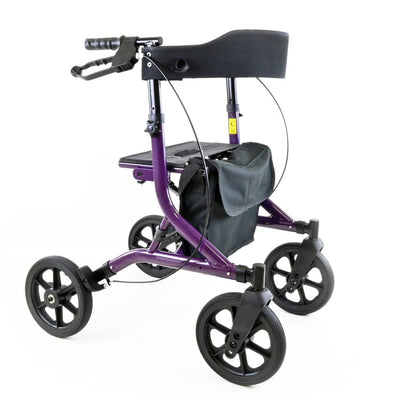
Welzo Pace+ Aluminium Rollator with Seat
£ 139.99£1,999.00Lowest price in 30 days
UK delivery soon
Order within 2h 14m
In Stock
Authentic 30-day returns 12 viewing -
Sale-90%
 Quick view
welzo-3
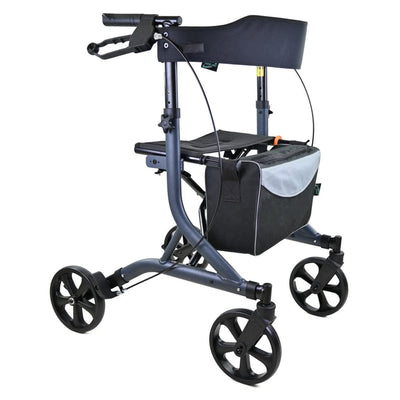
Welzo GlideFlex Lightweight Suspension Rollator
£ 199.99£1,999.00Lowest price in 30 days
UK delivery soon
Order within 2h 14m
In Stock
Authentic 30-day returns 12 viewing -
 Quick view
welzo-3
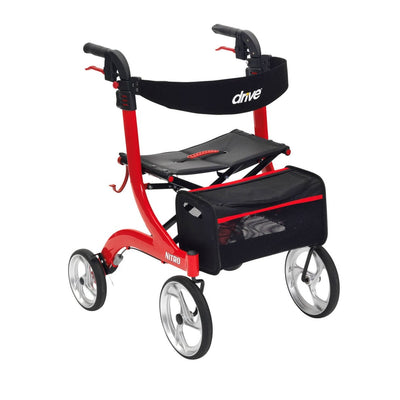
Drive Devilbiss Nitro Rollator with Seat – Lightweight Folding Walker with 10” Wheels & Adjustable Handles
Mobility ScooterSize Options for th...£ 255.00UK delivery soon
Order within 2h 14m
Out of stock
Authentic 30-day returns 12 viewing -
 Quick view
welzo-3
Zoom Ultra Lightweight Folding Rollator with Seat, Storage Bag & 8" Wheels – One Rehab Mobility Aid
Mobility ScooterMax User Weight - 2...£ 199.00UK delivery soon
Order within 2h 14m
Out of stock
Authentic 30-day returns 12 viewing -
 Quick view
welzo-3
Torro Lightweight Folding Rollator with Seat – 8” Wheels, Lockable Brakes, Adjustable Handles
Mobility ScooterMax User Weight - 2...£ 139.00UK delivery soon
Order within 2h 14m
Out of stock
Authentic 30-day returns 12 viewing -
 Quick view
welzo-3
Zoom Plus X-Country All-Terrain Rollator with Seat, 9.8” Wheels & Lightweight Frame – Medium or Large
Mobility ScooterFeature - Medium ...£ 219.00UK delivery soon
Order within 2h 14m
Out of stock
Authentic 30-day returns 12 viewing -
 Quick view
welzo-3
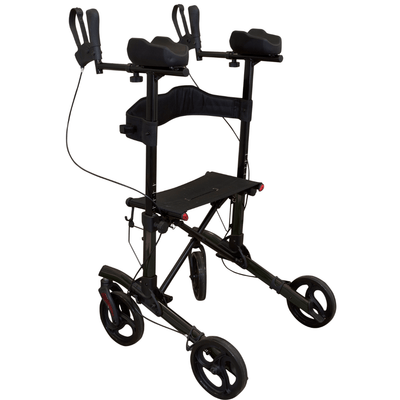
Aidapt Forearm Rollator Walker with Arm Troughs, 8" Wheels & Shopping Bag – Lightweight Folding Mobility Aid
Mobility ScooterMax User Weight - 2...£ 189.00UK delivery soon
Order within 2h 14m
Out of stock
Authentic 30-day returns 12 viewing -
 Quick view
welzo-3
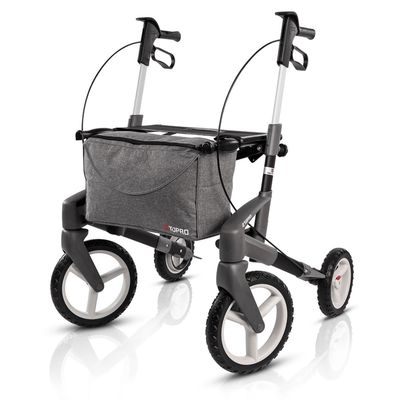
TOPRO Olympos ATR Outdoor Rollator with Off-Road Wheels & Ergo Grip Handles
Mobility ScooterFeature - Specifica...£ 410.00UK delivery soon
Order within 2h 14m
Out of stock
Authentic 30-day returns 12 viewing -
 Quick view
welzo-3
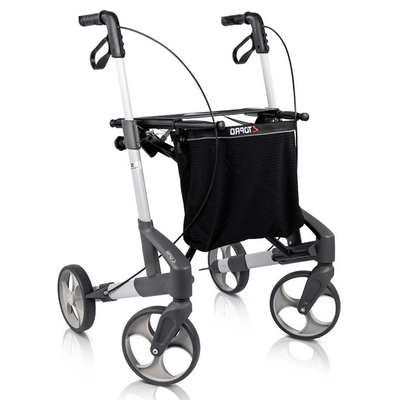
TOPRO Troja Classic Lightweight Folding Rollator with Seat – 7-Year Warranty & Adjustable Handles
Mobility ScooterSize Variants Avail...£ 279.00UK delivery soon
Order within 2h 14m
Out of stock
Authentic 30-day returns 12 viewing -
 Quick view
welzo-3
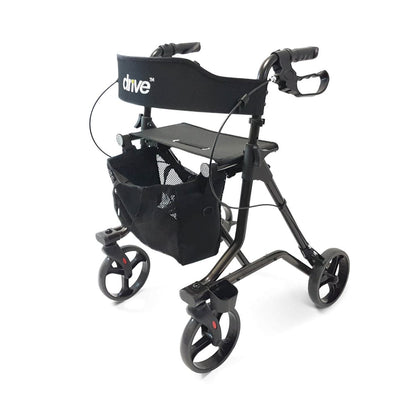
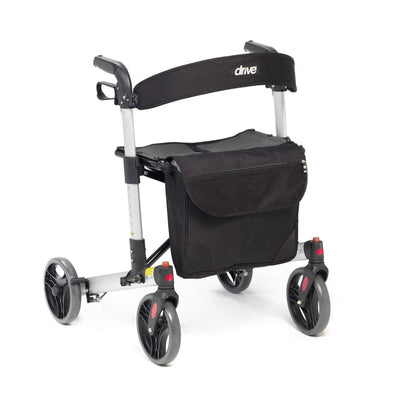
X Fold Lightweight Folding Rollator Walker with Seat & Storage Bag – Drive Devilbiss Mobility Aid (8" Wheels)
Mobility ScooterMax User Weight - 2...£ 159.00UK delivery soon
Order within 2h 14m
Out of stock
Authentic 30-day returns 12 viewing
Walking Aids
Walking aids are supportive tools designed to improve balance, stability, and mobility for people with reduced strength or balance challenges. From simple walking sticks and crutches to more structured frames and rollators, these devices help users achieve safer, more confident movement in everyday life. On Welzo, you can browse and buy walking aids online, comparing options that match your mobility goals and lifestyle while promoting independence and comfort.
What is Walking Aids?
Walking aids are mobility support products that assist individuals who experience difficulty walking due to age, injury, recovery after surgery, muscle weakness, or chronic conditions. The category includes items such as walking sticks, crutches, quad canes, and frames like zimmer frames or rollators. These devices reduce strain, improve balance, and enhance confidence by providing reliable contact points with the ground.
Depending on user needs, walking aids may provide minimal support or incorporate additional features like built-in seats, wheels, brakes, or ergonomic grips for extended use.
Benefits and Features of the Welzo Walking Aids Collection
The Welzo Walking Aids collection focuses on usability, comfort, and safety, offering a range of styles to support different mobility needs. Key features and benefits include:
- Improved stability: Helps reduce falls and maintain balance during walking or standing transitions.
- Reduced strain: Shifts weight off legs and joints, making movement easier and less exhausting.
- Adjustable designs: Many aids feature adjustable height settings to fit individual user heights.
- Comfort grips: Ergonomically designed handles minimise wrist and hand fatigue.
- Portable solutions: Lightweight and foldable options make travel and storage convenient.
If your mobility needs include seated transport over distances, you might also explore broader support tools like Mobility Scooters or powered comfort from Powerchairs.
Why is Walking Aids Important?
Walking aids play a vital role in maintaining independence, confidence, and safety for people with mobility restrictions. They help users manage everyday activities such as walking around the home, navigating outdoor spaces, running errands, or participating in social events. By improving balance and reducing physical strain, walking aids can prevent falls, enhance posture, and support a more active lifestyle. This is especially significant for older adults, people recovering from injuries, or those managing conditions that affect strength or coordination.
Best Products in Walking Aids
The best walking aids are chosen based on user strength, stability needs, and lifestyle. Common popular options include:
- Walking sticks and canes: Simple lightweight support for mild balance assistance.
- Quad canes: Four-footed support offering greater stability than standard canes.
- Crutches: Support devices that help reduce weight on a leg or foot during recovery.
- Walking frames and rollators: Larger support tools with sturdy frames, often featuring wheels and seats for breaks.
Many users also find an everyday carry essential like Portable Hand Sanitizers convenient when using walking aids outside the home.
How to Use Walking Aids?
Using walking aids safely and effectively involves proper adjustment and technique:
- Fit the height: Adjust handles so that your elbow is slightly bent when standing upright.
- Use a comfortable grip: Use ergonomic handles to reduce wrist strain.
- Move with balance: Place the aid in front, then step forward with your weaker or injured leg first, followed by your stronger leg.
- Take your time: Slow and controlled steps reduce risk of slips or imbalance.
- Check terrain: Be cautious on uneven surfaces, wet floors, or thresholds.
If you need support with both balance and seated movement, combining walking aids with options like Self-Propelled Wheelchairs may extend mobility range.
Are there any side effects or interactions of Walking Aids?
Walking aids themselves don’t cause medical side effects, but improper setup or usage can lead to discomfort or strain. Be mindful of:
- Incorrect height: Handles too high or too low can cause shoulder, wrist, or back pain.
- Poor posture: Leaning or hunching over the aid can increase muscle strain.
- Slippery tips: Worn rubber tips on canes or frames can reduce traction; update them regularly.
- Improper technique: Missteps or rushing can reduce stability benefits.
Consulting a physiotherapist or healthcare professional can help you choose the right type and learn safe techniques for walking aid use.
What Are the Different Types of Walking Aids Available?
Walking aids vary depending on the level of support required:
- Walking sticks (canes): Light support for minimal balance challenges.
- Quad canes: Four-footed base for enhanced stability.
- Crutches: Assistive tools for off-loading weight from one or both legs.
- Walking frames and rollators: Larger bases with multiple contact points — often with wheels and seats for rests.
What Are the Most Popular Walking Aids Products Available?
Popular walking aids blend stability, comfort, and ease of use. Lightweight walking sticks are chosen for mild support, quad canes for extra base stability, and rollators for users who need robust support with added seating options. Adjustable and ergonomic designs are often top-rated for extended comfort throughout the day.
Statistics, Research, Expert Information, and Quotes on Walking Aids
Research in mobility support highlights that appropriate assistive devices like walking aids can significantly reduce falls and enhance confidence among users with balance or strength limitations. According to mobility specialists, choosing an aid tailored to your needs — matched with correct height and usage — is key to maximising safety and comfort.
Expert insight: “Selecting the right walking aid and learning proper technique can dramatically improve a person’s ability to move safely and independently, especially in everyday home and community settings,” say physical therapy professionals.
How We Select Our Walking Aids Collection on Welzo
We prioritise walking aids that offer support, adjustability, and user comfort. Products in this collection are chosen for quality construction, ergonomic design, and clarity of specification so customers can make confident decisions based on their mobility needs. Whether you’re seeking minimal balance support or structured frame stability, our curated selection helps match you with the right solution.
Trusted by Experts and Verified Walking Aids Quality on Welzo
Walking aids featured on Welzo are selected for durable build quality, reliable performance, and supportive design features. We highlight products with trusted specifications and user-friendly adjustments so you can choose with confidence and maintain independence in everyday activities.
Customer Reviews
See what customers say about walking aids — including comfort, support, adjustability, and delivery experience — at: Welzo Reviews.
Internal Links to Trust Pages
- Welzo Staff
- Ingredient Quality & Purity Certifications
- Supplement Quality Standards & Certifications
Related Categories You May Find Useful
- Self-Propelled Wheelchairs — for independent manual movement.
- Transit Wheelchairs — caregiver-assisted mobility support.
- Mobility Scooters — powered seated transport options.
- Powerchairs — electric wheelchair solutions for powered movement.
FAQs (Frequently Asked Questions)
What are walking aids used for?
Walking aids are used to improve balance, stability, and confidence when moving, especially for individuals with strength or balance limitations.
How do I choose the right walking aid?
Select a walking aid based on your balance needs, strength, and the type of surface you’ll be walking on — from simple canes to frames with seats for longer distances.
Are walking aids adjustable?
Many walking aids are height-adjustable to fit individual user requirements, enhancing comfort and posture.
Can walkers and rollators be used outdoors?
Yes — sturdy walkers and rollators with wheels are suitable for smooth outdoor surfaces like pavements, plazas, and parks.
How do I maintain a walking aid?
Wipe down handles and frames regularly, inspect rubber tips or wheels, and replace worn parts to maintain functionality.
Should I consult a professional for a walking aid fitting?
A physiotherapist or healthcare professional can help ensure your walking aid is properly fitted and used safely.
Can walking aids help prevent falls?
Yes — when used correctly, walking aids can increase confidence and reduce the likelihood of falls.
What surfaces are best for walking aids?
Walking aids work best on firm, flat surfaces such as indoor floors and smooth pavements; avoid slippery or uneven surfaces where possible.
Are walking aids covered by insurance?
Coverage varies by plan — check with your provider for mobility aid coverage details.
Can children use walking aids?
Yes — child-specific walking aids are available, but ensure proper fitting and supervision for safety.
 Rated Excellent by 28,951+ Reviews
 100% Money Back Guarantee