
Your cart is empty
This quantity of item cannot be added to the cart
Continue shopping
TUDCA (Tauroursodeoxycholic Acid) Supplements
4.8on Trustindex
browsing now
Order before 2pm for same-day dispatch
2766+ orders this week
-
Sale-43%
 Quick view
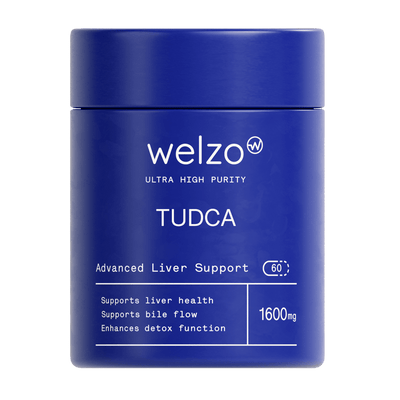
Welzo Ultra Purity
Welzo Ultra Purity TUDCA
SupplementsTauroursodeoxycholi...£ 22.99£39.99Lowest price in 30 days
UK delivery soon
Order within 2h 14m
In Stock
Authentic 30-day returns 12 viewing -
 Quick view
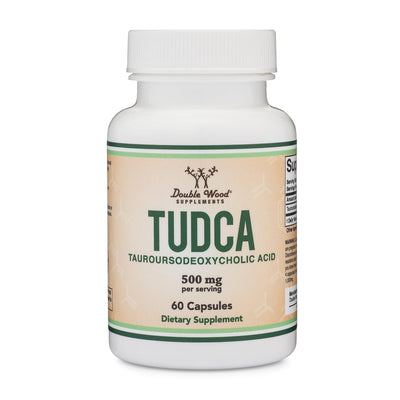
Double Wood Supplements
Double Wood Supplements TUDCA
SupplementsActive ingredient: ...£ 33.06UK delivery soon
Order within 2h 14m
In Stock
Authentic 30-day returns 12 viewing -
 Quick view
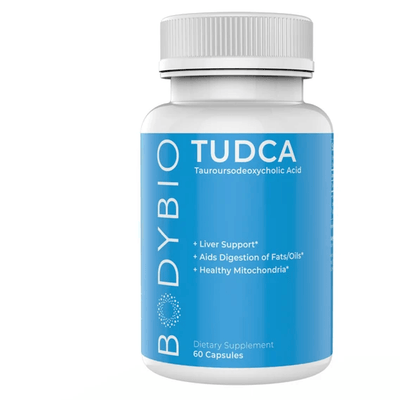
BodyBio
TUDCA (Tauroursodeoxycholic Acid) 60 Capsules - BodyBio
SupplementsTauroursodeoxycholi...£ 77.99UK delivery soon
Order within 2h 14m
In Stock
Authentic 30-day returns 12 viewing -
 Quick view
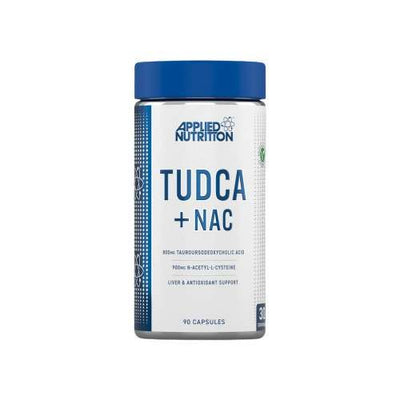
Applied Nutrition
Applied Nutrition Tudca + NAC - 90 caps
Health and WellbeingN-Acetyl-L-Cysteine...£ 37.72UK delivery soon
Order within 2h 14m
In Stock
Authentic 30-day returns 12 viewing -
Sale-19%
 Quick view
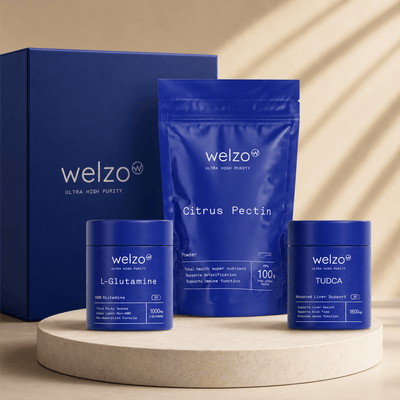
Welzo Ultra Purity
Welzo Ultra Purity Cellular Detox Stack — Modified Citrus Pectin + TUDCA + L-Glutamine
GMP INGREDIENTS WE...£ 55.99£68.99Lowest price in 30 days
UK delivery soon
Order within 2h 14m
In Stock
Authentic 30-day returns 12 viewing -
Sale-19%
 Quick view
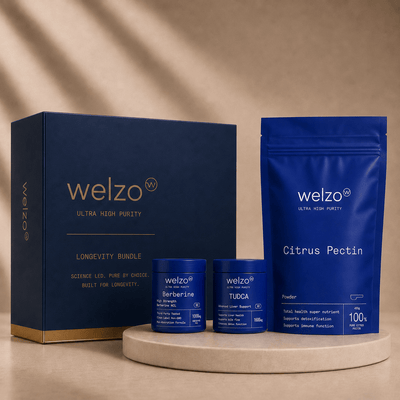
Welzo Ultra Purity
Welzo Ultra Purity Liver & Metabolism Stack — Berberine + TUDCA + Modified Citrus Pectin
WELZO ULTRA PURITY ...£ 57.99£71.99Lowest price in 30 days
UK delivery soon
Order within 2h 14m
In Stock
Authentic 30-day returns 12 viewing
TUDCA (Tauroursodeoxycholic Acid) Supplements
TUDCA — short for tauroursodeoxycholic acid — is a water-soluble bile acid that occurs naturally in the human body and has emerged as one of the most clinically researched supplements for liver health, bile flow, and cellular stress resilience. Once a niche compound used almost exclusively by bodybuilders for hepatic protection, TUDCA is now mainstream in functional medicine, longevity stacks, and post-cycle recovery protocols thanks to a growing body of human evidence covering cholestasis, fatty liver disease, insulin sensitivity, and endoplasmic reticulum (ER) stress regulation.
At Welzo, our TUDCA collection brings together the most reputable brands in capsule, powder, and combination format — including Welzo Ultra Purity TUDCA, Double Wood TUDCA, BodyBio TUDCA, and stacked formulas such as Applied Nutrition TUDCA + NAC. Every product is selected against strict criteria for ingredient identity, third-party purity testing, and clinical relevance of dose, with our editorial process led by our in-house medical content team.
What Is TUDCA?
Tauroursodeoxycholic acid is the taurine-conjugated form of ursodeoxycholic acid (UDCA), a secondary bile acid produced in small quantities by gut microbes and recycled back to the liver via enterohepatic circulation. The taurine conjugation is biologically important: it makes the molecule water-soluble, increases its half-life in bile, and allows it to circulate more efficiently through the hepatobiliary system. While humans synthesise small amounts of TUDCA endogenously, the quantities are modest compared with the doses used in clinical research, which is why supplementation has become the practical route for those wanting therapeutic-level support.
TUDCA has a long heritage in traditional Chinese medicine, where bear bile (its richest natural source) was used for centuries to treat liver and biliary disorders. Modern manufacturing is fully synthetic or fermentation-derived, removing any ethical concerns around the original animal source while delivering a far more standardised, pharmaceutical-grade compound.
How TUDCA Works in the Body
TUDCA's mechanism of action is broader than most supplements in the liver-support category. Three pathways stand out:
- Bile acid pool modulation — TUDCA is a hydrophilic bile acid that displaces cytotoxic hydrophobic bile acids (such as deoxycholic acid) from the bile pool, reducing their potential to damage hepatocyte membranes. This is the same mechanism by which UDCA, its parent molecule, has been used pharmaceutically for primary biliary cholangitis for decades.
- Endoplasmic reticulum (ER) stress reduction — TUDCA acts as a chemical chaperone, helping misfolded proteins refold correctly and easing the unfolded protein response. Because chronic ER stress is implicated in metabolic disease, neurodegeneration, and ageing, this is the mechanism most often cited in TUDCA's longevity and neuroprotective research.
- Anti-apoptotic signalling — TUDCA inhibits the mitochondrial pathway of programmed cell death, protecting hepatocytes, neurons, retinal cells, and beta cells from stress-induced damage.
This combination — bile acid balance, ER stress relief, and cellular protection — explains why TUDCA appears in such a diverse range of clinical trials, from hepatology to neurology to ophthalmology.
Potential Benefits of TUDCA Supplementation
The evidence base for TUDCA spans more than three decades, with peer-reviewed randomised controlled trials examining liver, metabolic, and neurological outcomes. Current research suggests TUDCA may support:
- Liver enzyme balance — Clinical trials in patients with chronic active hepatitis have shown that TUDCA at 500 mg per day reduced serum ALT, AST, and GGT versus controls. Other randomised trials in cirrhosis, HCV-related chronic hepatitis, and cholestasis have reported consistent reductions in liver inflammation markers. For broader hepatic support, our wider liver detox and support supplements range pairs naturally with TUDCA.
- Bile flow and fat digestion — As a bile acid itself, TUDCA may improve bile flow in individuals with sluggish gallbladder function, supporting the emulsification and absorption of dietary fats and fat-soluble vitamins (A, D, E, K). This makes it a popular choice for those who have had their gallbladder removed or who experience post-meal bloating with fatty foods.
- Insulin sensitivity and metabolic health — A small randomised controlled trial in obese, insulin-resistant adults found that 1,750 mg of TUDCA daily for four weeks improved hepatic and muscle insulin sensitivity. This is consistent with TUDCA's role in reducing ER stress in metabolically active tissues, and explains the increasing interest in TUDCA within fatty liver disease (NAFLD/MASLD) protocols. For metabolic stacking, see our berberine supplements collection.
- Neurological resilience — TUDCA crosses the blood-brain barrier and has been investigated in early-stage clinical trials for ALS and Alzheimer's-related conditions, owing to its anti-apoptotic and ER-stress-modulating effects. Evidence is preliminary but mechanistically promising.
- Post-cycle and androgen-cycle hepatic support — TUDCA is one of the most widely used compounds in post cycle therapy protocols, where users seek targeted liver support after periods of elevated hepatic load.
Who Might Consider TUDCA?
TUDCA is most commonly used by adults who:
- Want targeted support for liver enzyme balance, particularly alongside dietary or lifestyle changes.
- Have a personal or family history of fatty liver, sluggish bile flow, or gallbladder issues — including those who have had their gallbladder removed and need ongoing fat-digestion support.
- Follow training cycles or take supplements that increase hepatic load and want pharmacological-grade protection during and after each cycle.
- Are building a longevity or healthspan stack and want a chemical chaperone with broad cellular protective signalling — often layered alongside NMN supplements, anti-aging and longevity supplements, and CoQ10.
- Experience post-meal bloating, fat intolerance, or pale stools — symptoms that may suggest suboptimal bile flow.
- Are interested in metabolic and gut-axis support, often combining TUDCA with gut health and probiotic supplements.
TUDCA Dosage Guidance
Clinical research has used a wide range of TUDCA doses depending on the indication. For general liver support, 250–500 mg per day is common, taken once daily on an empty stomach. For more active hepatic support — for example, during a period of higher metabolic or hepatic load — doses of 750–1,000 mg per day, often split across two servings, are typical and supported by the published trial literature. Studies in chronic active hepatitis used 500 mg daily; trials in obese insulin-resistant adults used 1,750 mg daily; and longer-term trials in liver transplant recipients have used doses in similar ranges, with diarrhoea reported as the only common adverse event in a Cochrane meta-analysis.
Most clinicians recommend taking TUDCA on an empty stomach to maximise absorption, though products containing a digestive-enzyme matrix can be taken with food. As with any supplement, follow the directions on the individual product label, and consult a qualified healthcare professional before starting TUDCA if you are pregnant, breastfeeding, taking prescription medication (particularly bile acid sequestrants or anticoagulants), or managing a long-term condition such as gallstones or biliary obstruction.
How TUDCA Compares to Other Liver Support Supplements
TUDCA occupies a distinct place in the liver-support landscape. It is not interchangeable with milk thistle, NAC, or choline — although they can be complementary:
- TUDCA vs milk thistle — Milk thistle (silymarin) is a botanical antioxidant that supports hepatocyte membrane stability and glutathione status. TUDCA works at the bile acid and ER stress level. Many users stack both for complementary mechanisms; see our Double Wood Milk Thistle and the wider detox and cleansing supplements collection.
- TUDCA vs NAC — NAC is a precursor to glutathione, the liver's master antioxidant. TUDCA does not raise glutathione directly. The two are frequently combined in formulas such as Applied Nutrition TUDCA + NAC and Dr Mercola NAC with Milk Thistle.
- TUDCA vs UDCA — TUDCA is the taurine-conjugated form of UDCA. UDCA is a licensed prescription medicine in the UK (used for primary biliary cholangitis and some gallstone indications); TUDCA is sold as a food supplement. The two are pharmacologically related but legally and clinically distinct.
- TUDCA vs ox bile — Ox bile contains a mixture of conjugated bile acids (including some TUDCA) and is used primarily for fat digestion, particularly in those without a gallbladder. Standardised TUDCA delivers a known, consistent dose of the active bile acid.
Stacking TUDCA: Common Combinations
TUDCA pairs well within several broader protocols:
- Liver and detox stack — TUDCA + milk thistle + NAC, often layered with selenium and B vitamins. Browse our liver detox supplements.
- Metabolic stack — TUDCA + berberine + omega-3, used by those targeting fatty liver, insulin sensitivity, and lipid balance.
- Longevity stack — TUDCA + NMN + resveratrol + CoQ10, leveraging TUDCA's role as a chemical chaperone alongside NAD+ precursors. Explore our full anti-aging and longevity supplements collection.
- Post-cycle support — TUDCA + NAC + milk thistle + zinc, used during recovery phases. See our post cycle recovery supplements.
- Digestive stack — TUDCA + digestive enzymes + bitters, particularly for those with bile flow concerns or post-cholecystectomy.
Why Buy TUDCA Supplements From Welzo
Not all TUDCA products are created equal. The market has well-documented underdosing and purity issues, and a "TUDCA" capsule that is mostly UDCA — or contaminated with heavy metals from poorly controlled manufacturing — offers little of what the research supports. Welzo's TUDCA collection is curated against the following standards:
- Verified TUDCA content — We prioritise brands that publish certificates of analysis confirming TUDCA assay (rather than mixed bile acid content) and identity testing.
- Clinically meaningful doses — Products in this range deliver doses aligned with the research literature, typically 250–500 mg per capsule, supporting flexible daily protocols.
- Transparent sourcing and manufacturing — We list the manufacturing standards and country of origin clearly on each product page, so you can see exactly what you are buying.
- UK fulfilment — Fast, tracked dispatch from our UK warehouse, with options for next-day delivery on most orders.
- Editorial standards — Our in-house medical content team, led by Dr Sameer Nakedar, reviews collection content and product descriptions for accuracy. For deeper reading, our editorial team has produced an in-depth guide to the best TUDCA supplements.
- Range — From single-ingredient capsules to combination formulas with NAC, milk thistle, and digestive enzymes, the collection is built for both first-time users and experienced supplement stackers.
Frequently Asked Questions About TUDCA
Is TUDCA the same as UDCA?
No. UDCA (ursodeoxycholic acid) is the parent molecule and a licensed pharmaceutical in the UK. TUDCA is the taurine-conjugated form of UDCA — water-soluble, with a longer biliary half-life. TUDCA is sold as a food supplement.
When is the best time to take TUDCA?
Most research and product labels recommend taking TUDCA on an empty stomach, typically first thing in the morning or before bed, to maximise absorption. Combination products containing digestive enzymes are usually taken with meals.
Can I take TUDCA with NAC and milk thistle?
Yes — this is one of the most common stacking patterns. TUDCA, NAC, and milk thistle act through different mechanisms (bile acid balance, glutathione synthesis, and antioxidant membrane protection respectively), and many users find them complementary. Combination products are available throughout this collection.
Are there side effects?
TUDCA is generally well tolerated. Cochrane meta-analyses of randomised trials in liver-transplanted patients identified diarrhoea as the only commonly reported adverse event. People with a history of gallstones, biliary obstruction, or who take bile acid sequestrants should consult a healthcare professional before use.
Is TUDCA suitable for vegans?
Modern TUDCA supplements are typically synthetic or fermentation-derived, with no animal-derived TUDCA used. However, capsule shells and excipients vary by brand, so check the individual product page if a fully vegan formulation is essential.
How long does it take to notice effects from TUDCA?
Subjective effects on digestion (reduced bloating after fatty meals, more comfortable bile flow) are sometimes reported within the first one to two weeks. Liver enzyme changes, where they occur, are typically observed in clinical trials over four to twelve weeks of consistent use.
The information on this page is for educational purposes only and is not intended as medical advice, diagnosis, or treatment. Always speak with a qualified healthcare professional before starting any new supplement, particularly if you are pregnant, nursing, taking prescription medication, or managing a medical condition such as gallstones, biliary obstruction, or chronic liver disease.
 Rated Excellent by 26,523+ Reviews
 100% Money Back Guarantee