
Your cart is empty
This quantity of item cannot be added to the cart
Continue shopping
Weight Lifting Belts
4.8on Trustindex
browsing now
Order before 2pm for same-day dispatch
2766+ orders this week
-
Sale-15%
 Quick view
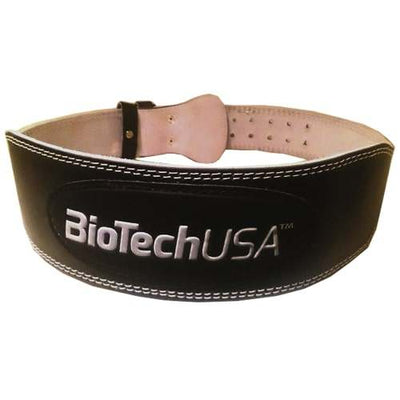
BioTechUSA Accessories
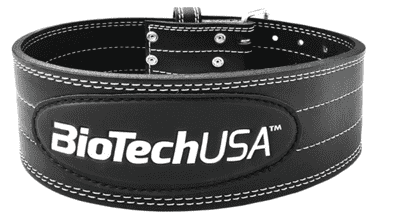
BioTechUSA Accessories Power Belt Austin 6, Black
Accessories£ 24.90£29.28Lowest price in 30 days
UK delivery soon
Order within 2h 14m
In Stock
Authentic 30-day returns 12 viewing -
Sale-15%
 Quick view
BioTechUSA Accessories
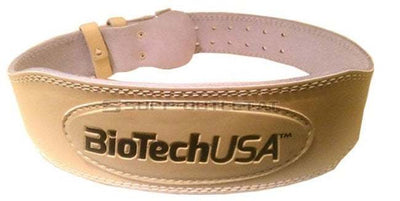
BioTechUSA Accessories Power Belt Austin 2, Natural
Accessories£ 16.58£19.51Lowest price in 30 days
UK delivery soon
Order within 2h 14m
In Stock
Authentic 30-day returns 12 viewing -
Sale-10%
 Quick view
BioTechUSA Accessories
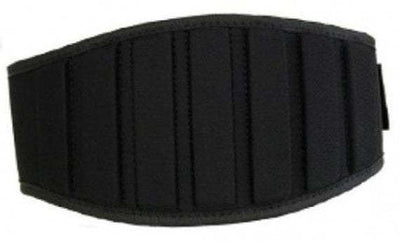
BioTechUSA Accessories Belt with Velcro Closure Austin 5, Black
Accessories£ 15.12£16.79Lowest price in 30 days
UK delivery soon
Order within 2h 14m
Only 1 left
Authentic 30-day returns 12 viewing -
 Quick view
JORDAN
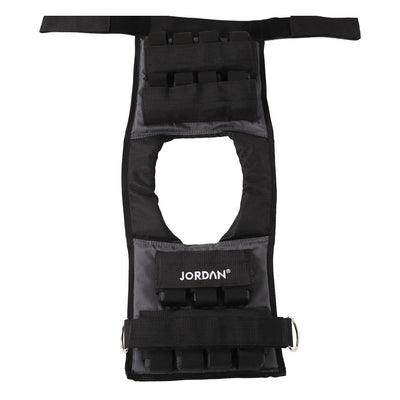
JORDAN Weight Vest 30kg
Sporting Goods- Adjustable weigh...£ 180.00UK delivery soon
Order within 2h 14m
In Stock
Authentic 30-day returns 12 viewing -
 Quick view
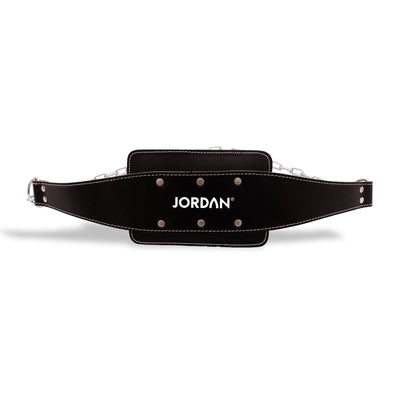
JORDAN
JORDAN Weight Lifting Dipping Belt
Sporting Goods- Heavy-duty leath...£ 39.08UK delivery soon
Order within 2h 14m
In Stock
Authentic 30-day returns 12 viewing -
 Quick view
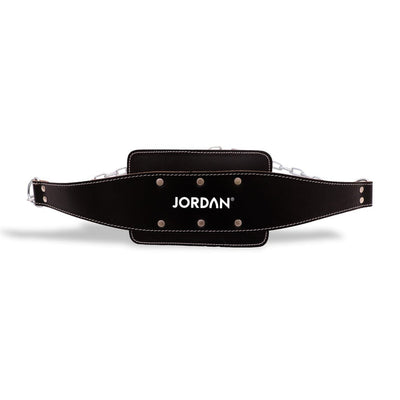
JORDAN
JORDAN Neoprene Weight Lifting Dipping Belt
Sporting Goods- Adjustable neopr...£ 18.00UK delivery soon
Order within 2h 14m
In Stock
Authentic 30-day returns 12 viewing -
 Quick view
Costume National
Costume National Belt
Health & Beauty£ 0.00UK delivery soon
Order within 2h 14m
Out of stock
Authentic 30-day returns 12 viewing -
 Quick view
BioTechUSA Accessories
BioTechUSA Accessories Power Belt Austin 1, Black
Accessories£ 14.26UK delivery soon
Order within 2h 14m
Out of stock
Authentic 30-day returns 12 viewing -
 Quick view
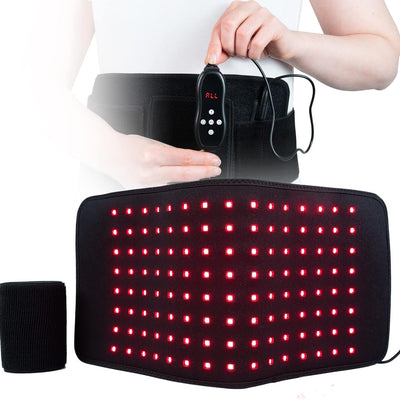
Red Light
RED Light Therapy Infrared Belt
Health Tech£ 199.00UK delivery soon
Order within 2h 14m
Out of stock
Authentic 30-day returns 12 viewing -
 Quick view
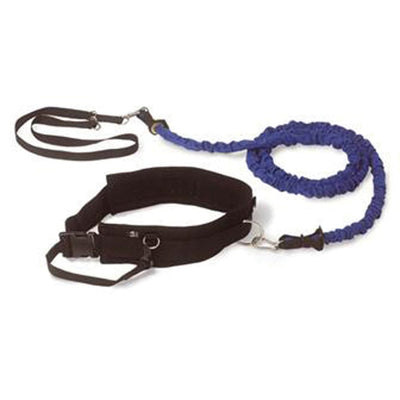
Double
Double Swivel Viper Belt (includes 2 Pro Flexi-cords)
Sporting Goods- Dual swivel desi...£ 0.00UK delivery soon
Order within 2h 14m
Out of stock
Authentic 30-day returns 12 viewing -
 Quick view
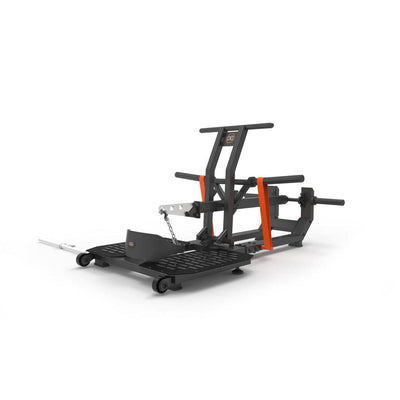
BOOTY BUILDER
Booty Builder Belt Squat
Sporting Goods- Plate-loaded hip...£ 0.00UK delivery soon
Order within 2h 14m
Out of stock
Authentic 30-day returns 12 viewing -
 Quick view
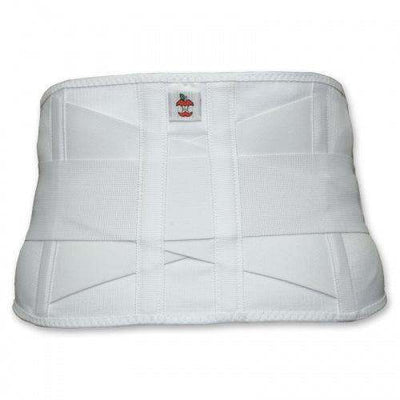
Pharmacy
Dual Pull Lumbosacral Belt - Size: Medium
Supplements£ 37.12UK delivery soon
Order within 2h 14m
Out of stock
Authentic 30-day returns 12 viewing
Weight Lifting Belts
Weight lifting belts are essential gym accessories for anyone serious about strength training, powerlifting or bodybuilding. A good lifting belt helps stabilise your core, supports your lower back and allows you to lift heavier loads with better form. At Welzo, our Weight Lifting Belts collection brings together durable, gym-grade belts you can buy online and have delivered straight to your door, making it easier to upgrade your home or commercial gym set-up.
Whether you’re training alongside barbells & lifting bars or combining your belt with dumbbell training, Welzo provides a one-stop shop for serious lifters who want reliable support, secure fit and long-lasting materials.
What Are Weight Lifting Belts?
Weight lifting belts are wide, rigid belts worn around the waist during heavy compound movements such as squats, deadlifts and overhead presses. By increasing intra-abdominal pressure, they help stabilise the spine and support the core, allowing you to maintain a stronger, safer lifting position under load.
Typically made from leather or heavy-duty synthetic materials with secure buckles or lever mechanisms, weight lifting belts are designed to stand up to years of regular training in both home gyms and commercial facilities.
Benefits and Features of the Welzo Weight Lifting Belts Collection
The Welzo Weight Lifting Belts collection has been curated to support performance, comfort and long-term durability:
- Enhanced core stability: Belts help you brace harder, improving posture and power output.
- Lower back support: Extra lumbar support can reduce the risk of strain during heavy sets.
- Better technique: A correctly fitted belt encourages proper breathing and bracing mechanics.
- Durable construction: Reinforced stitching, thick leather or synthetic materials and robust buckles.
- Versatile use: Ideal for squats, deadlifts, bent-over rows and other heavy compound lifts.
Many lifters choose to pair their belt with other performance-focused gear from our Sports Supplements and Bodybuilding Supplements collections to support strength, energy and recovery around their sessions.
Why Are Weight Lifting Belts Important?
When you lift heavy weights, the pressure placed on the lower back and spine can be substantial. A high-quality weight lifting belt helps you brace more effectively, which:
- Supports the lower back during maximal and near-maximal lifts.
- Helps maintain a neutral spine and better hip/torso alignment.
- Improves confidence under the bar, often enabling gradual strength progression.
- May reduce the risk of technique breakdown as you approach fatigue.
For lifters who are already investing in equipment like power cages & racks and weight plates & bars, a belt is a natural next step in creating a safer, more effective training environment.
How to Use Weight Lifting Belts Safely and Effectively
A belt should be worn snugly – tight enough to brace against, but not so tight that you can’t breathe or set up properly. Most lifters position the belt slightly above the hip bones and below the ribs, then take a deep breath, brace the core and push the abdomen out against the belt before initiating the lift.
General tips include:
- Use belts mainly for heavy sets of compound lifts, not every warm-up rep.
- Learn to brace without a belt first, then add the belt as weights increase.
- Ensure the buckle or lever is positioned where it doesn’t dig into your ribs or hips.
- Regularly check stitching, rivets and buckles for wear and tear.
For more guidance on safe strength training technique and heavy lower-body lifts, you can explore Welzo’s Hack Squat: How to Do Them Properly for Stronger Legs article, which highlights how proper form and equipment choice support long-term progress.
Types of Weight Lifting Belts Available
At Welzo, you’ll find a range of belt styles to suit different lifting preferences and training environments:
- Lever belts: Offer a very secure, consistent fit with quick on/off adjustments.
- Prong belts (single or double): Classic, versatile option suitable for most lifters.
- Powerlifting belts: Thick, uniform width belts designed for maximal stability.
- Olympic lifting belts: Often slightly tapered for greater mobility in the clean & jerk or snatch.
- Nylon/Velcro belts: Lighter and more flexible, ideal for mixed training or functional fitness.
Many gym users team their chosen belt with complementary equipment like gym machines & equipment and weight benches to build a complete, belt-friendly strength set-up.
Most Popular Weight Lifting Belts at Welzo
Our most popular weight lifting belts tend to share a few key characteristics:
- High-density leather or heavy-duty synthetic materials.
- Reinforced stitching for added longevity.
- Comfortable padding that doesn’t compromise stability.
- Secure prong or lever systems that won’t slip under load.
Lifters who shop our belts often browse related performance brands in Jordan Fitness and Hatton collections when upgrading their wider training environment.
Statistics, Research and Expert Insights on Weight Lifting Belts
Research on resistance training indicates that proper bracing and spinal alignment are crucial in reducing injury risk and maximising force production. When used correctly, weight lifting belts can:
- Increase intra-abdominal pressure, which supports the spine under load.
- Encourage lifters to maintain a more upright, stable torso during squats and deadlifts.
- Improve perceived confidence and readiness for heavy attempts.
Strength coaches generally recommend that intermediate and advanced lifters use belts in conjunction with, not as a replacement for, solid core training and good movement mechanics.
How We Select Our Weight Lifting Belts Collection on Welzo
Every belt in the Welzo collection is chosen using the same strict criteria we apply across our Sports Supplements and Anti-Ageing & Longevity ranges:
- Material quality: Preference for premium leather or high-grade synthetics built to last.
- User comfort: Belts should provide support without excessive pinching or rubbing.
- Performance feedback: Positive reviews from regular lifters and coaches.
- Brand reputation: Trusted manufacturers known for reliable gym gear.
We regularly review customer feedback and pair our belts with other strength products, such as items from Bodybuilding Supplements, to ensure we offer a performance-focused, gym-ready collection.
Trusted by Experts and Verified Quality on Welzo
Welzo works with a team of healthcare professionals, sports specialists and product experts who help us review the quality and suitability of everything we stock. While belts are not supplements, we apply the same evidence-led, safety-first mindset used across our healthcare and performance ranges.
Weight Lifting Belt Reviews
Lifting belts on Welzo are rated by real customers who use them in home gyms, commercial facilities and performance settings. Many reviewers highlight improved confidence under the bar, better back support and long-term durability.
You can read more customer experiences and ratings across Welzo products on our Welzo Reviews page.
Internal Links to Trust & Quality Pages
To learn more about the people and standards behind Welzo, explore:
- Welzo Staff – meet the team behind the platform.
- Ingredient Quality & Purity Certifications – our approach to product quality.
- Supplement Quality Standards & Certifications – how we assess and approve supplements.
FAQs about Weight Lifting Belts
Do beginners need a weight lifting belt?
Beginners don’t need to use a belt straight away. It’s more important to learn correct technique and how to brace the core without assistance. A belt can be introduced later as the weights become heavier and your form is already solid.
When should I wear a weight lifting belt during my workout?
Most lifters reserve belts for heavy sets of squats, deadlifts and other compound lifts at around 75–80% of their maximum or above. Warm-up sets and lighter accessory work usually don’t require a belt.
How tight should a weight lifting belt be?
A belt should be tight enough that you can push your abdomen against it when you brace, but not so tight that you can’t breathe or set up properly. You should still be able to take a deep breath and move into your starting position comfortably.
Can weight lifting belts prevent all back injuries?
No belt can guarantee that injuries won’t occur. Belts are a support tool, not a substitute for good technique, appropriate programming and sensible load progression. Strengthening the core and following a structured training plan are still essential.
Are leather belts better than nylon belts?
Leather belts are typically stiffer and offer more rigid support, which many powerlifters prefer for maximal lifts. Nylon belts are lighter and more flexible, making them popular for mixed training or high-rep, functional workouts. The best choice depends on your training style and comfort preferences.
Can I use a weight lifting belt for every exercise?
It’s not usually necessary to wear a belt for every exercise. Isolation movements, light sets and many machine-based exercises don’t require additional support. Over-relying on a belt can discourage proper core engagement, so it’s best used strategically.
How do I care for and maintain my lifting belt?
Store your belt in a cool, dry place and avoid leaving it in damp gym bags for long periods. Wipe it down after training and check regularly for cracks, frayed stitching or damaged buckles. With basic care, a good belt can last for many years.
Are weight lifting belts allowed in competitions?
Most powerlifting and strength-sport federations allow belts, but there are rules about width, thickness and materials. If you plan to compete, check the rules for your federation to ensure your belt meets their specifications.
 Rated Excellent by 28,951+ Reviews
 100% Money Back Guarantee