
Your cart is empty
This quantity of item cannot be added to the cart
Continue shopping
Gym flooring and mats
4.8on Trustindex
browsing now
Order before 2pm for same-day dispatch
2766+ orders this week
-
 Quick view
JORDAN
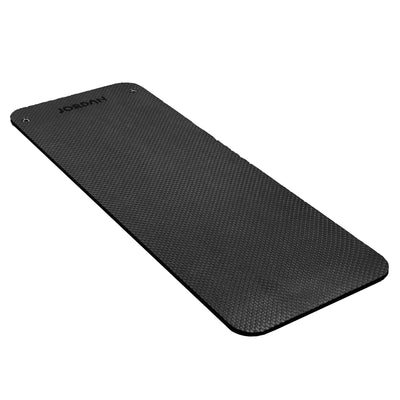
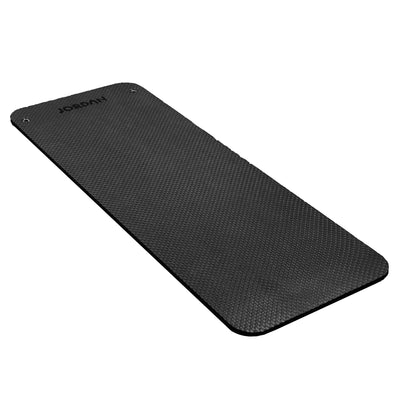
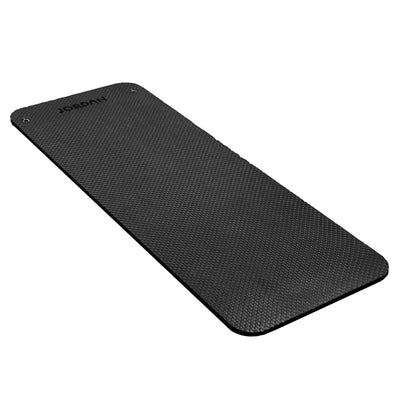
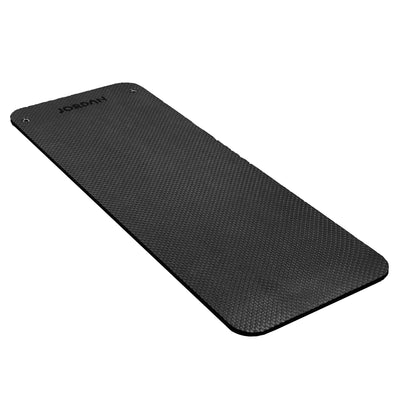
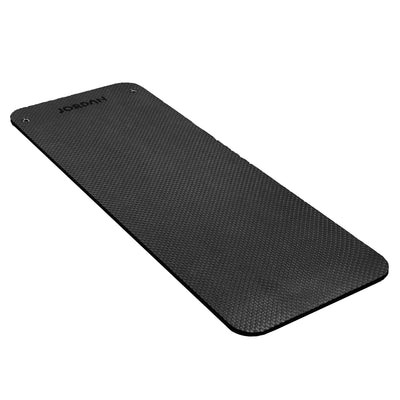
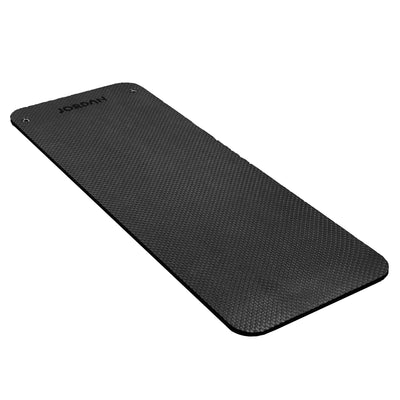
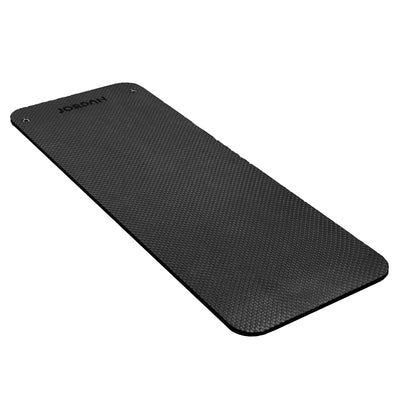
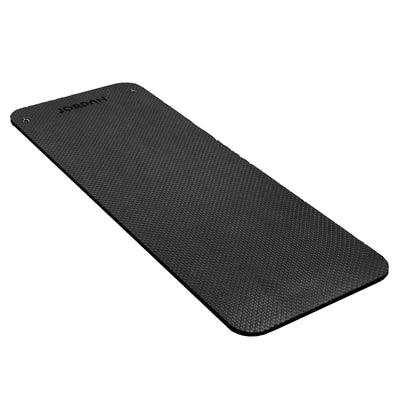
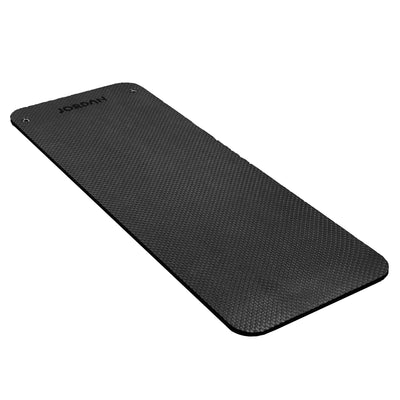
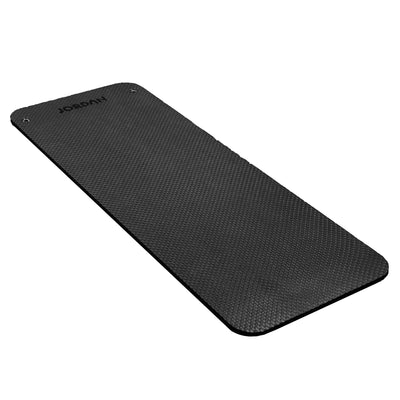
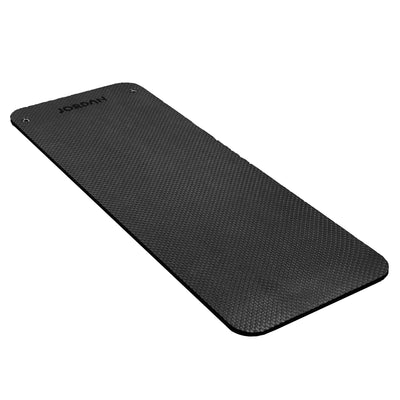
JORDAN 19mm Sports Mats -160x60cm Black
Sporting Goods- 19mm thick foam ...£ 70.20UK delivery soon
Order within 2h 14m
In Stock
Authentic 30-day returns 12 viewing -
 Quick view
JORDAN
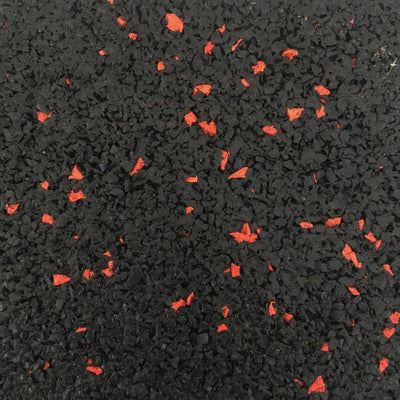
JORDAN Activ Square - Gym Flooring - Black Tile with red fleck 50cm x 50cm x 15mm
Sporting Goods- 50cm x 50cm tile...£ 17.12UK delivery soon
Order within 2h 14m
Only 5 left
Authentic 30-day returns 12 viewing -
 Quick view
JORDAN
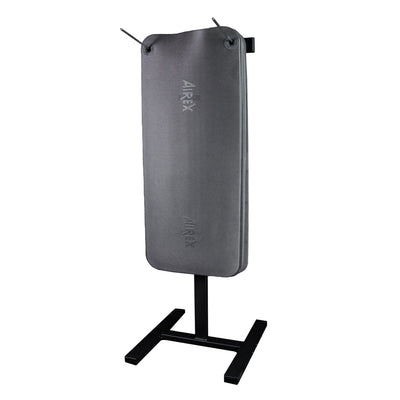
JORDAN Sports Mat Storage Rack Double Sided - Grey
Sporting Goods- Double-sided des...£ 216.00UK delivery soon
Order within 2h 14m
Out of stock
Authentic 30-day returns 12 viewing -
 Quick view
JORDAN
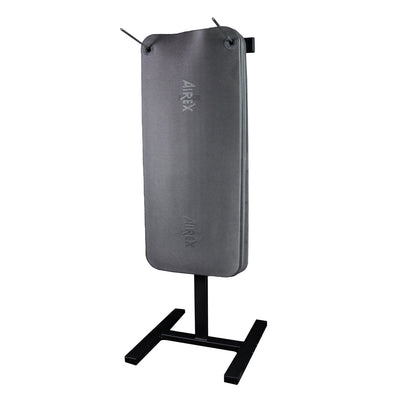
JORDAN Sports Mat Storage Rack Double Sided - Black
Sporting Goods- Holds up to 10 e...£ 216.00UK delivery soon
Order within 2h 14m
Out of stock
Authentic 30-day returns 12 viewing -
 Quick view
JORDAN
JORDAN Sports Mat Adjustable Wall Hanger Grey
Sporting Goods- Stores exercise/...£ 56.40UK delivery soon
Order within 2h 14m
In Stock
Authentic 30-day returns 12 viewing -
 Quick view
JORDAN
JORDAN Sports Mat Adjustable Wall Hanger Black
Sporting Goods- Heavy-duty steel...£ 56.40UK delivery soon
Order within 2h 14m
In Stock
Authentic 30-day returns 12 viewing -
 Quick view
JORDAN
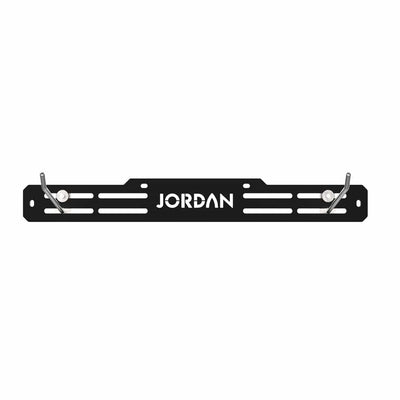
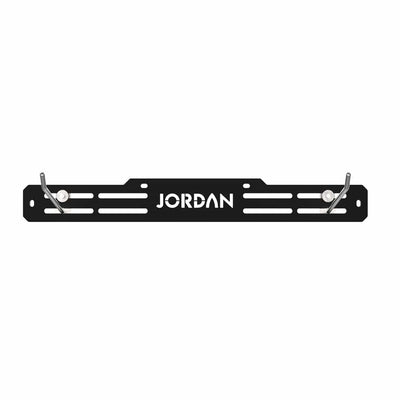
JORDAN Sports Mat Wall Hanger GRY
Sporting Goods- Holds multiple t...£ 31.20UK delivery soon
Order within 2h 14m
Only 3 left
Authentic 30-day returns 12 viewing -
 Quick view
JORDAN
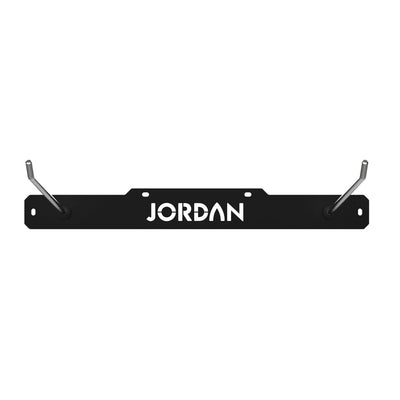
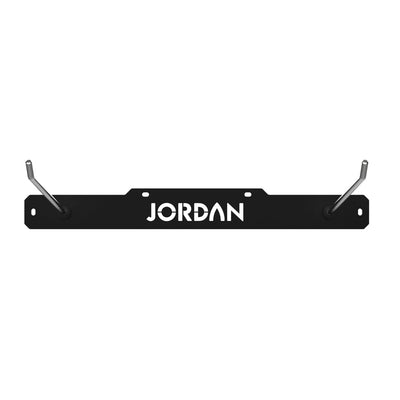
JORDAN Sports Mat Wall Hanger Black
Sporting Goods- Holds gym/sports...£ 31.20UK delivery soon
Order within 2h 14m
Out of stock
Authentic 30-day returns 12 viewing -
 Quick view
JORDAN
JORDAN 9mm Sports Mats - 160x60cm Black
Sporting Goods- 9mm thick NBR fo...£ 49.20UK delivery soon
Order within 2h 14m
In Stock
Authentic 30-day returns 12 viewing -
 Quick view
JORDAN
JORDAN 9mm Sports Mats - 120x60cm Grey
Sporting Goods- 120cm x 60cm siz...£ 45.60UK delivery soon
Order within 2h 14m
In Stock
Authentic 30-day returns 12 viewing -
 Quick view
JORDAN
JORDAN 9mm Sports Mats - 120x60cm Black
Sporting Goods- High-density EVA...£ 45.60UK delivery soon
Order within 2h 14m
Out of stock
Authentic 30-day returns 12 viewing -
 Quick view
JORDAN
JORDAN 9mm Sports Mats - 160x60cm Blue
Sporting Goods- 160cm x 60cm dim...£ 49.20UK delivery soon
Order within 2h 14m
In Stock
Authentic 30-day returns 12 viewing -
 Quick view
JORDAN
JORDAN 9mm Sports Mats - 120x60cm Blue
Sporting Goods- High-density EVA...£ 45.60UK delivery soon
Order within 2h 14m
In Stock
Authentic 30-day returns 12 viewing -
 Quick view
JORDAN
JORDAN 19mm Sports Mats - 160x60cm Grey
Sporting Goods- 19mm thick foam ...£ 70.20UK delivery soon
Order within 2h 14m
In Stock
Authentic 30-day returns 12 viewing -
 Quick view
JORDAN
JORDAN 19mm Sports Mats - 120x60cm Grey
Sporting Goods- 19mm thick high-...£ 66.00UK delivery soon
Order within 2h 14m
In Stock
Authentic 30-day returns 12 viewing -
 Quick view
JORDAN
JORDAN 19mm Sports Mats -120x60cm Black
Sporting Goods- 19mm thick high-...£ 66.00UK delivery soon
Order within 2h 14m
Out of stock
Authentic 30-day returns 12 viewing -
 Quick view
JORDAN
JORDAN 19mm Sports Mats - 160x60cm Blue
Sporting Goods- 19mm thick exerc...£ 70.20UK delivery soon
Order within 2h 14m
In Stock
Authentic 30-day returns 12 viewing -
 Quick view
JORDAN
JORDAN 19mm Sports Mats - 120x60cm Blue
Sporting Goods- 19mm thick foam ...£ 66.00UK delivery soon
Order within 2h 14m
In Stock
Authentic 30-day returns 12 viewing
Gym flooring and mats
Gym flooring and mats provide a durable, protective foundation for strength training, cardio workouts, functional fitness, and mobility exercises. Designed to absorb impact, reduce vibration, and enhance grip underfoot, gym flooring systems help protect both equipment and underlying surfaces while improving training safety and comfort. Whether used in a home gym, garage setup, or professional training facility, gym flooring and mats support consistent performance across a wide range of exercises and equipment.
High-quality gym flooring materials such as rubber tiles, foam mats, and roll-out flooring are engineered to handle repeated stress from weights, machines, and high-impact movements. Gym flooring and mats can be purchased online on Welzo, allowing customers to build customised training spaces with flooring solutions matched to their workout goals.
What is Gym Flooring and Mats?
Gym flooring and mats are specialised surfaces designed to protect floors, reduce noise, and provide shock absorption during exercise. These products are commonly made from rubber, EVA foam, or composite materials and are used beneath free weights, gym machines, cardio equipment, and open workout areas to enhance stability and safety.
Benefits and Features of the Welzo Gym Flooring and Mats Collection
The Welzo Gym Flooring and Mats collection is selected to support a wide range of training environments. Key benefits and features include:
- Shock absorption to reduce impact on joints and floors
- Slip-resistant textures for improved grip and balance
- Noise reduction during weightlifting and dynamic movements
- Durable materials designed for repeated heavy use
- Flexible formats, including interlocking tiles and roll-out mats
Why is Gym Flooring and Mats Important?
Gym flooring and mats are essential for maintaining a safe and functional workout space. Without proper flooring, dropped weights and heavy equipment can damage floors, increase noise levels, and create unstable training conditions. Quality flooring also helps reduce joint strain during high-impact activities such as jumping, sprinting, and Olympic lifting.
Best Products in Gym Flooring and Mats
Different training styles require different flooring solutions. Popular options include heavy-duty rubber tiles for strength zones, cushioned foam mats for stretching and functional training, and roll-out mats for cardio areas. Flooring is commonly paired with equipment such as Squat Racks & Stands to protect floors from loaded barbell lifts.
How to Use Gym Flooring and Mats?
Gym flooring and mats should be installed on a clean, level surface for optimal performance. Interlocking tiles should be fitted tightly together to prevent movement, while roll-out mats should be fully extended and flattened before placing equipment on top. Flooring should be positioned strategically beneath free weights, machines, and high-impact zones.
Are there any side effects or interactions of Gym Flooring and Mats?
Gym flooring and mats are generally safe when used correctly. Poor installation may result in uneven seams or minor shifting during exercise. Some rubber mats may have a temporary odour when new, which typically dissipates with ventilation. Choosing appropriate thickness and density for your training load helps minimise these issues.
What Are the Different Types of Gym Flooring and Mats Available?
- Rubber gym tiles for heavy weightlifting
- EVA foam mats for bodyweight and mobility training
- Roll-out mats for cardio equipment and open spaces
- High-impact pads for deadlift and drop zones
- Interlocking floor systems for modular layouts
What Are the Most Popular Gym Flooring and Mats Products Available?
Interlocking rubber tiles and roll-out protective mats are among the most popular gym flooring options due to their durability and ease of installation. These products are often used alongside strength tools such as Kettlebells & Kettlebell Sets and Dumbbells to create stable training zones.
Statistics, Research, Expert Information and Quotes on Gym Flooring and Mats
Fitness industry research consistently highlights the role of shock-absorbing flooring in reducing injury risk and extending equipment lifespan. Strength and conditioning professionals emphasise that stable, non-slip flooring improves lifting mechanics, balance, and confidence during complex movements.
How We Select Our Gym Flooring and Mats Collection on Welzo
Our gym flooring and mats are selected based on material durability, impact resistance, grip quality, and real-world performance. We prioritise flooring solutions that support both home and professional training environments while offering long-term value and versatility.
Trusted by Experts and Verified Gym Flooring and Mats Quality on Welzo
The Gym Flooring and Mats collection on Welzo is curated to meet high standards of safety, durability, and usability. These products are suitable for demanding training routines and are chosen to support long-term gym setups.
Customer Reviews
Read verified customer experiences and feedback on gym flooring and mats at Welzo Reviews.
Internal Links to Trust Pages
- Welzo Staff
- Ingredient Quality & Purity Certifications
- Supplement Quality Standards & Certifications
Related Categories You May Find Useful
Gym flooring is often combined with other training essentials such as Exercise Bikes, Weight Gym Benches, and Cable Machines & Gym Attachments to build complete workout environments.
FAQs (Frequently Asked Questions)
What thickness of gym flooring is best for weightlifting?
Rubber flooring between 15–30mm thick is typically recommended for heavy-weightlifting areas to absorb impact and protect floors.
Can gym mats be used on carpet?
Yes, but dense rubber mats perform best on solid, flat surfaces to prevent shifting during exercise.
Do gym mats reduce noise from dropped weights?
Yes, quality gym mats help absorb vibration and significantly reduce noise compared with uncovered floors.
Are interlocking gym tiles durable?
High-density interlocking tiles are designed for repeated use and can withstand heavy equipment when installed correctly.
How do I clean gym flooring?
Regular sweeping and occasional mopping with mild detergent keeps gym flooring hygienic and slip-resistant.
Is rubber or foam better for a home gym?
Rubber is better for heavy lifting, while foam mats are more suitable for stretching and low-impact workouts.
Can gym flooring be cut to size?
Many rubber and foam mats can be trimmed with sharp tools to fit specific room dimensions.
Does gym flooring protect joints?
Yes, shock-absorbing flooring helps reduce joint stress during jumping, running, and dynamic exercises.
Is gym flooring suitable for outdoor use?
Some rubber mats are weather-resistant, but most gym flooring is designed for indoor use.
How long does gym flooring last?
With proper care, high-quality gym flooring can last many years even in high-use environments.
 Rated Excellent by 28,951+ Reviews
 100% Money Back Guarantee