





Your cart is empty
This quantity of item cannot be added to the cart
Continue shopping
Kettlebells and Kettlebell Sets
4.8on Trustindex
browsing now
Order before 2pm for same-day dispatch
2766+ orders this week
-
 Quick view
JORDAN
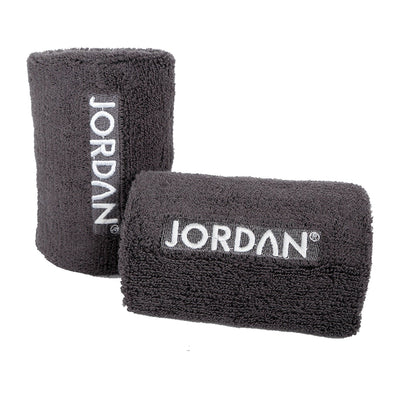
JORDAN Kettlebell Wrist Guard (pair)
Sporting Goods- Neoprene constru...£ 10.20UK delivery soon
Order within 2h 14m
Out of stock
Authentic 30-day returns 12 viewing -
 Quick view
JORDAN
JORDAN 16kg Black rubber kettlebell with chrome handle (each)
Sporting Goods- 16kg weight - B...£ 84.49UK delivery soon
Order within 2h 14m
Out of stock
Authentic 30-day returns 12 viewing -
 Quick view
JORDAN
JORDAN 24kg Black rubber kettlebell with chrome handle (each)
Sporting Goods- 24kg weight - B...£ 126.73UK delivery soon
Order within 2h 14m
Out of stock
Authentic 30-day returns 12 viewing -
 Quick view
JORDAN
JORDAN 20kg Black rubber kettlebell with chrome handle (each)
Sporting Goods- 20kg weight - B...£ 105.60UK delivery soon
Order within 2h 14m
Out of stock
Authentic 30-day returns 12 viewing -
 Quick view
JORDAN
JORDAN 8kg Black rubber kettlebell with chrome handle (each)
Sporting Goods- 8kg weight - Bl...£ 42.25UK delivery soon
Order within 2h 14m
Out of stock
Authentic 30-day returns 12 viewing -
 Quick view
JORDAN
JORDAN 6kg Black rubber kettlebell with chrome handle (each)
Sporting Goods- 6kg solid cast i...£ 31.69UK delivery soon
Order within 2h 14m
In Stock
Authentic 30-day returns 12 viewing -
 Quick view
JORDAN
JORDAN Kettlebell Rack - Grey
Sporting Goods- Holds up to 10 k...£ 480.00UK delivery soon
Order within 2h 14m
Out of stock
Authentic 30-day returns 12 viewing -
 Quick view
JORDAN
JORDAN Kettlebell Rack - Black
Sporting Goods- Holds up to 10 k...£ 480.00UK delivery soon
Order within 2h 14m
In Stock
Authentic 30-day returns 12 viewing -
 Quick view
JORDAN
JORDAN 18kg Black rubber kettlebell with chrome handle (each)
Sporting Goods- 18kg weight - B...£ 95.05UK delivery soon
Order within 2h 14m
Out of stock
Authentic 30-day returns 12 viewing -
 Quick view
JORDAN
JORDAN 14kg Black rubber kettlebell with chrome handle (each)
Sporting Goods- 14kg weight for ...£ 73.93UK delivery soon
Order within 2h 14m
Out of stock
Authentic 30-day returns 12 viewing -
 Quick view
JORDAN
JORDAN 12kg Black rubber kettlebell with chrome handle (each)
Sporting Goods- 12kg weight - B...£ 63.38UK delivery soon
Order within 2h 14m
Out of stock
Authentic 30-day returns 12 viewing -
 Quick view
JORDAN
JORDAN 10kg Black rubber kettlebell with chrome handle (each)
Sporting Goods- 10kg weight - B...£ 52.80UK delivery soon
Order within 2h 14m
Out of stock
Authentic 30-day returns 12 viewing -
 Quick view
JORDAN
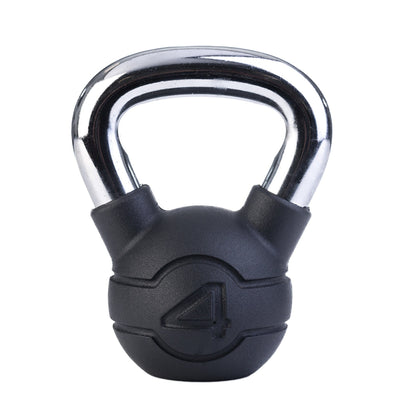
JORDAN 4kg Black rubber kettlebell with chrome handle (each)
Sporting Goods- 4kg weight for b...£ 21.13UK delivery soon
Order within 2h 14m
In Stock
Authentic 30-day returns 12 viewing -
 Quick view
JORDAN
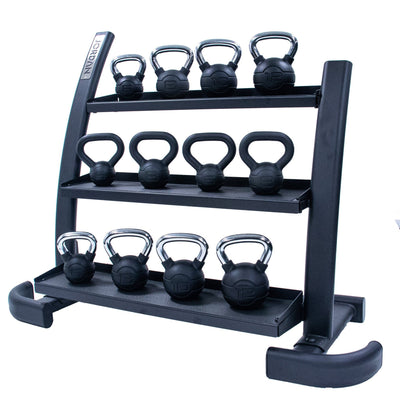
JORDAN Kettlebell Rack, 3 tier, Grey
Sporting Goods- Holds up to 12 k...£ 444.00UK delivery soon
Order within 2h 14m
In Stock
Authentic 30-day returns 12 viewing -
 Quick view
JORDAN
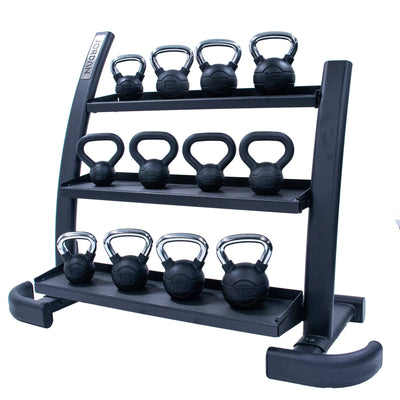
JORDAN Kettlebell Rack, 3 tier, Black
Sporting Goods- Holds up to 12 k...£ 444.00UK delivery soon
Order within 2h 14m
Only 2 left
Authentic 30-day returns 12 viewing -
 Quick view
JORDAN
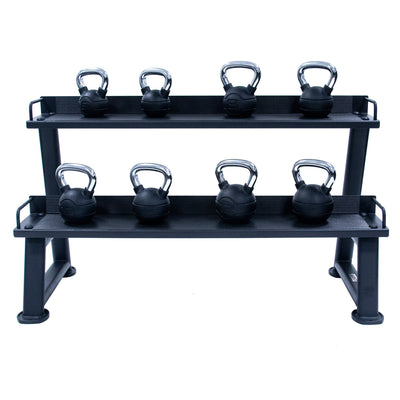
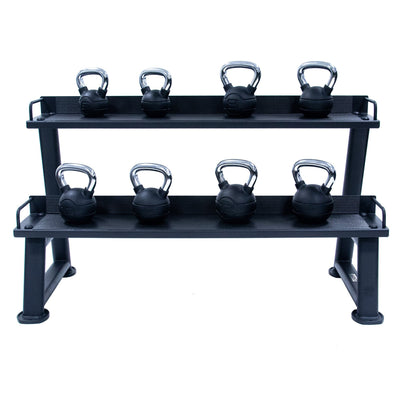
JORDAN Kettlebell Rack, 2 tier, Grey
Sporting Goods- 2-tier storage d...£ 246.00UK delivery soon
Order within 2h 14m
In Stock
Authentic 30-day returns 12 viewing -
 Quick view
JORDAN
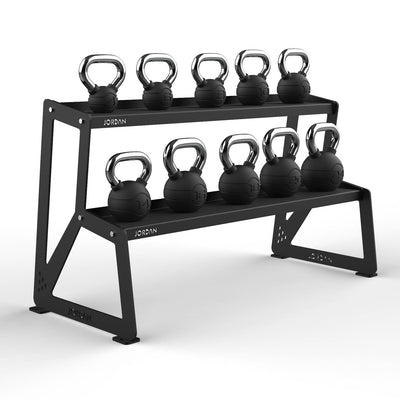
JORDAN Kettlebell Rack, 2 tier, Black
Sporting Goods- 2-tier storage d...£ 246.00UK delivery soon
Order within 2h 14m
In Stock
Authentic 30-day returns 12 viewing -
 Quick view
JORDAN
JORDAN 40kg Black Neoprene Covered Kettlebell
Sporting Goods- 40kg/88lbs weigh...£ 176.72UK delivery soon
Order within 2h 14m
In Stock
Authentic 30-day returns 12 viewing
Kettlebells and Kettlebell Sets
Kettlebells are a versatile strength-training tool designed for dynamic lifting, swinging, pressing, and carrying movements that build total-body power. A kettlebell combines a compact weight with an offset handle, which naturally challenges grip, core stability, and coordination. From single-bell workouts to complete kettlebell sets for progressive loading, this category supports everything from conditioning and fat loss to strength, endurance, and athletic performance. You can purchase kettlebells and kettlebell sets online on Welzo, with options suited to beginners through to experienced lifters.
What are Kettlebells and Kettlebell Sets?
Kettlebells are cast-iron or steel weights shaped like a ball with a handle. Unlike dumbbells, kettlebells shift the load away from the centre of your hand, which increases demands on stabilising muscles during movement. Kettlebell sets typically include multiple weights (or adjustable options where available), helping you scale resistance over time for different exercises and training goals.
Benefits and Features of the Welzo Kettlebells and Kettlebell Sets Collection
Kettlebell training is popular because it blends strength and cardio in one session. Key benefits and features you can expect from this collection include:
- Full-body training: Swings, cleans, presses, squats, and carries target multiple muscle groups at once.
- Time-efficient conditioning: High-rep kettlebell circuits can elevate heart rate while building muscular endurance.
- Grip and core engagement: The offset load encourages trunk stability and stronger hands/forearms.
- Progressive training options: Sets support structured progression across weights and movement patterns.
- Space-friendly: Ideal for home gyms where you want a lot of training variety in a compact footprint.
If you’re building a broader strength setup alongside kettlebells, you may also want to pair your routine with Dumbbells for accessory work and unilateral strength development.
Why are Kettlebells and Kettlebell Sets Important?
Kettlebells are valuable because they train strength in movement, not just in isolated positions. Ballistic lifts like swings and snatches can improve hip power and posterior-chain strength, while presses and squats develop upper-body strength and leg drive. They’re also excellent for improving work capacity—meaning you can do more quality work in less time—without needing large machines or extensive equipment.
For lifters who like heavier strength progressions or barbell-based programming, adding kettlebells to a weekly plan can complement training with Barbells & Lifting Bars by providing conditioning and stability-focused work.
Best Products in Kettlebells and Kettlebell Sets
The “best” kettlebell depends on your goals, available space, and training style. When choosing, focus on:
- Weight range: Beginners often start lighter for swings and technique, then progress for squats/presses.
- Handle comfort: A smooth, well-shaped handle supports safer high-rep work and reduces friction hotspots.
- Base stability: A flat base can help when doing floor-based moves or storing bells upright.
- Set composition: Sets are ideal if you train regularly and want clear progression without re-buying later.
To support progressive loading across different movement patterns, many people combine kettlebells with Weight Plates & Weight Bars for structured strength cycles and heavier compound work.
How to Use Kettlebells and Kettlebell Sets?
Kettlebells can be used for strength, conditioning, mobility, and athletic power. A simple approach is to build a routine around foundational patterns:
- Hinge: Kettlebell swings, deadlift variations
- Squat: Goblet squats, front-loaded squats
- Press: Overhead press, push press
- Pull: Rows, high pulls
- Carry: Farmer carries, rack carries, overhead carries
For home setups, pairing kettlebells with a stable bench can expand training variety. Consider combining with Weight & Gym Benches for supported rows, presses, and step-up variations.
Are there any side effects or interactions of Kettlebells and Kettlebell Sets?
Kettlebells are generally safe when used with good technique and appropriate loading, but common issues can occur if form or progression is rushed:
- Lower back strain: Often from poor hinging mechanics or swinging too heavy too soon.
- Wrist/forearm discomfort: Usually from improper rack position or catching the bell incorrectly.
- Shoulder irritation: Can happen with overhead work if mobility/stability isn’t ready for the load.
- Grip overuse: High-volume swings and carries can fatigue hands/forearms—progress gradually.
If you have an existing injury or medical condition, it’s sensible to speak with a qualified professional before starting ballistic kettlebell movements.
What Are the Different Types of Kettlebells and Kettlebell Sets Available?
Kettlebells come in several common styles, each suited to different training preferences:
- Cast-iron kettlebells: Classic general-purpose option for most home and gym use.
- Competition kettlebells: Typically uniform size across weights, often preferred for sport-style lifting.
- Coated kettlebells: May include protective finishes that reduce floor wear and improve durability.
- Kettlebell sets: Multi-weight bundles to support progressive overload and varied exercises.
Many people also add speed and agility elements alongside kettlebell work; plyometric options like a Plyo Jump Box can complement conditioning and lower-body power training.
What Are the Most Popular Kettlebells and Kettlebell Sets Products Available?
Popular choices tend to be driven by practicality and training goals. Common “most popular” picks include:
- Starter kettlebells: Ideal for learning swings, goblet squats, and basic presses.
- Mid-weight workhorses: Frequently used for circuits and conditioning sessions.
- Progressive kettlebell sets: Great for long-term training consistency and home gym buildouts.
For those building a more complete conditioning toolkit, sled work can be a powerful addition. Explore Weight Sleds for low-impact, high-output training that pairs well with kettlebell programming.
Statistics, Research, Expert Information and Quotes on Kettlebells and Kettlebell Sets
Kettlebell training is widely used in strength and conditioning because it can develop multiple physical qualities at once—strength endurance, power, and cardiovascular conditioning—especially when programmed as circuits or intervals. Ballistic movements (like swings) can emphasise posterior-chain development and hip drive, while grinds (like presses and goblet squats) build controlled strength and stability. Many coaches integrate kettlebells as an efficient tool for general fitness, athletic preparedness, and time-efficient training blocks.
How We Select Our Kettlebells and Kettlebell Sets Collection on Welzo
When curating kettlebells and kettlebell sets, we prioritise practical training value and user experience. Selection considerations typically include:
- Training versatility: Products suitable for both ballistic and controlled strength work.
- Grip and handling: Comfortable handle shapes for both high-rep and heavier lifts.
- Durability: Materials and finishes designed for frequent use.
- Progression: Availability of multiple weights or sets to support structured overload.
- Home-gym suitability: Options that work well in limited space without compromising training quality.
Trusted by Experts and Verified Kettlebells and Kettlebell Sets Quality on Welzo
Quality matters with kettlebells because they are handled frequently and used dynamically. A well-made kettlebell supports safer technique, better grip confidence, and consistent training outcomes. Choosing reliable equipment helps reduce avoidable issues like uncomfortable handling, unstable bases, or finishes that degrade quickly under normal use.
Customer Reviews
To read verified customer feedback and shopping experiences, visit our reviews page: Welzo Reviews.
Internal Links to Trust Pages
- Welzo Staff
- Ingredient Quality & Purity Certifications
- Supplement Quality Standards & Certifications
Related Categories You May Find Useful
If you’re building a well-rounded training setup around kettlebells, these closely related categories can help you expand strength, conditioning, and workout variety:
- Gym Flooring and Mats for safer training surfaces and better stability.
- Sandbags for functional strength, carries, and odd-object conditioning.
- Medicine Ball for power throws, rotational work, and athletic conditioning.
- Battle Rope for high-intensity intervals and upper-body conditioning.
- Exercise Bikes to add low-impact cardio alongside strength sessions.
FAQs (Frequently Asked Questions)
What weight kettlebell should a beginner start with for home workouts?
Many beginners start with a lighter kettlebell to learn safe technique for swings, goblet squats, and presses, then increase weight once movement quality is consistent. Your best starting point depends on strength level, training history, and the exercises you plan to prioritise.
Are kettlebell sets better than buying a single kettlebell?
Kettlebell sets are ideal if you train regularly because different movements often require different loads. Sets make progression easier and reduce the need to keep re-buying as you get stronger.
How often should I do kettlebell workouts each week?
Many people see strong results with 2–4 kettlebell sessions per week, depending on intensity, recovery, and whether you also do other strength or cardio training.
Can kettlebells help with fat loss and conditioning?
Yes. Kettlebell circuits and interval-style training can elevate heart rate while building strength and endurance, which makes them a popular choice for conditioning-focused programming.
What are the best kettlebell exercises for full-body strength?
Foundational moves like kettlebell swings, goblet squats, presses, rows, and loaded carries are widely used for full-body training because they combine multiple muscle groups and movement patterns.
Is it safe to do kettlebell swings if I have back pain?
If you have back pain, it’s important to be cautious with ballistic movements like swings. Technique, load, and individual history matter—consider professional guidance before starting or returning to swings.
What is the difference between cast-iron and competition kettlebells?
Cast-iron kettlebells vary in size as weight increases, while competition kettlebells are usually a more uniform size across weights. Choice often comes down to training preference and grip/handling feel.
Do kettlebells build muscle as effectively as dumbbells or barbells?
Kettlebells can build muscle effectively, particularly through progressive overload with presses, squats, rows, and carries. Barbells may allow heavier loading for certain lifts, while kettlebells excel for conditioning and stability demands.
How do I avoid wrist bruising during kettlebell cleans and snatches?
Wrist discomfort often happens when the bell “flops” onto the forearm. Refining technique—especially the path of the bell and hand insertion—can dramatically improve comfort and control.
What size training space do I need for kettlebell workouts?
You can do most kettlebell workouts in a small space, but you’ll want enough clearance for swings and overhead work. A stable, non-slip surface is also helpful for comfort and safety.
 Rated Excellent by 28,951+ Reviews
 100% Money Back Guarantee