











Your cart is empty
This quantity of item cannot be added to the cart
Continue shopping
Prebiotics
4.8on Trustindex
browsing now
Order before 2pm for same-day dispatch
2766+ orders this week
-
 Quick view
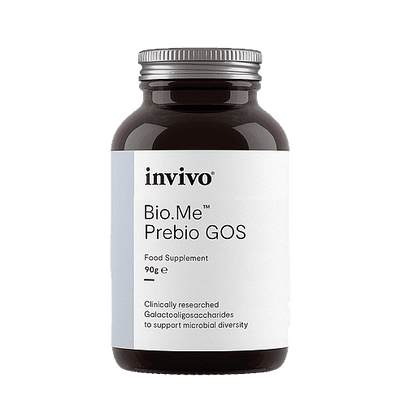
Invivo
Bio.Me Prebio GOS (Prebiotic), 90g - Invivo
SupplementsNeoGos P70 (Galacto...£ 26.54UK delivery soon
Order within 2h 14m
In Stock
Authentic 30-day returns 12 viewing -
 Quick view
Klaire Labs
BiotaGen Prebiotic Powder, 150g - Klaire Labs
SupplementsInulin (derived fro...£ 29.71UK delivery soon
Order within 2h 14m
In Stock
Authentic 30-day returns 12 viewing -
 Quick view
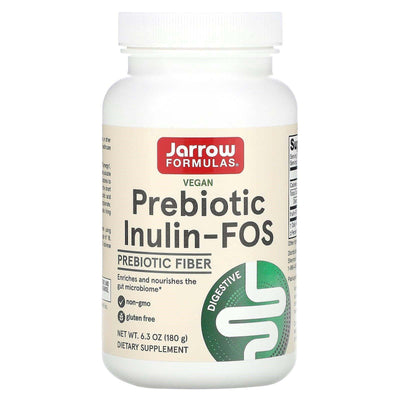
Jarrow Formulas
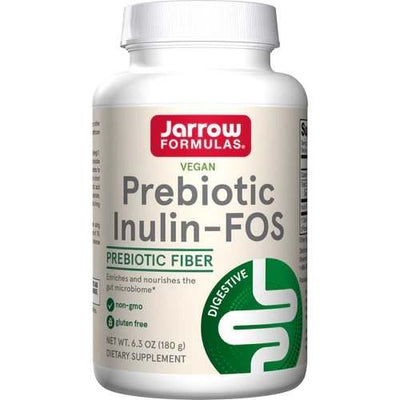
Prebiotic Inulin FOS Powder, 180g - Jarrow Formulas
Supplements100% Inulin-FOS£ 14.83UK delivery soon
Order within 2h 14m
Out of stock
Authentic 30-day returns 12 viewing -
 Quick view
Swanson
Swanson Probiotic+ Prebiotic Fiber 500 Million CFU 60 Veggie Capsules
SupplementsOther Ingredients -...£ 9.94UK delivery soon
Order within 2h 14m
In Stock
Authentic 30-day returns 12 viewing -
 Quick view
Klaire Labs
BiotaGen Prebiotic, 120 Capsules - Klaire Labs
Supplements(other) Vegetarian ...£ 35.86UK delivery soon
Order within 2h 14m
In Stock
Authentic 30-day returns 12 viewing -
 Quick view
Swanson
Swanson Probiotic+ Prebiotic Fiber - 60 vcaps
Health and WellbeingTotal Carbohydrate£ 8.87UK delivery soon
Order within 2h 14m
Out of stock
Authentic 30-day returns 12 viewing -
 Quick view
Microbiome Labs
MegaPre Precision Prebiotic (180 capsules) - Microbiome Labs
SupplementsProprietary Functio...£ 59.99UK delivery soon
Order within 2h 14m
Out of stock
Authentic 30-day returns 12 viewing -
 Quick view
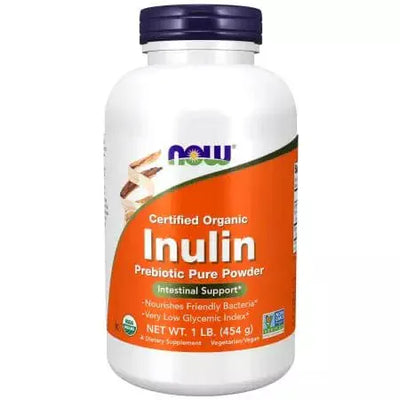
Now Foods
Now Foods Inulin Prebiotic Pure Powder 1lb
SupplementsOther Ingredients -...£ 26.10UK delivery soon
Order within 2h 14m
Out of stock
Authentic 30-day returns 12 viewing -
Sale-4%
 Quick view
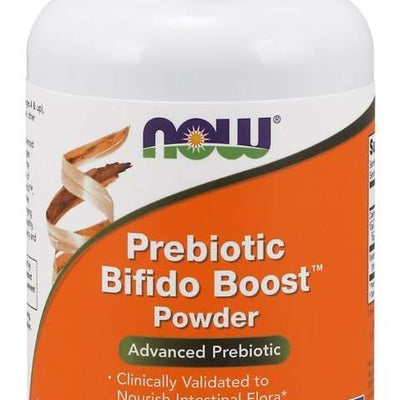
NOW Foods
NOW Foods Prebiotic Bifido Boost Powder - 85 grams
Health and WellbeingCalories£ 15.82£16.55Lowest price in 30 days
UK delivery soon
Order within 2h 14m
In Stock
Authentic 30-day returns 12 viewing -
 Quick view
NOW Foods
NOW Foods Prebiotic Fiber with Fibersol-2 - 340 grams
Health and WellbeingCalories£ 21.82UK delivery soon
Order within 2h 14m
In Stock
Authentic 30-day returns 12 viewing -
Sale-24%
 Quick view
Swanson
Swanson Prebiotic Jerusalem Artichoke, 400mg - 60 caps
Health and WellbeingJerusalem Artichoke...£ 4.55£5.96Lowest price in 30 days
UK delivery soon
Order within 2h 14m
In Stock
Authentic 30-day returns 12 viewing -
 Quick view
Klaire Labs
Galactomune Prebiotic Powder, 150g - Klaire Labs (SFI Health)
SupplementsGalactooligosacchar...£ 46.08UK delivery soon
Order within 2h 14m
Only 4 left
Authentic 30-day returns 12 viewing -
 Quick view
Jarrow Formulas
Jarrow Formulas Prebiotic Inulin-FOS - 180 grams
Health and WellbeingCalories£ 10.99UK delivery soon
Order within 2h 14m
Out of stock
Authentic 30-day returns 12 viewing -
 Quick view
Golden Greens
Biofibre Organic Prebiotic Inulin 250g - Golden Greens
Supplements100% Pure£ 15.35UK delivery soon
Order within 2h 14m
Out of stock
Authentic 30-day returns 12 viewing -
 Quick view
Living Things
Living Things Prebiotic Soda 12x330ml
Vitamins & MineralsSparkling water£ 27.77UK delivery soon
Order within 2h 14m
Only 4 left
Authentic 30-day returns 12 viewing -
Sale-24%
 Quick view
Life Extension
Life Extension Florassist Prebiotic Chewable, Natural Strawberry - 60 vegetarian chewable tabs
Health and WellbeingTotal Carbohydrate£ 16.83£22.00Lowest price in 30 days
UK delivery soon
Order within 2h 14m
In Stock
Authentic 30-day returns 12 viewing -
 Quick view
Now Foods
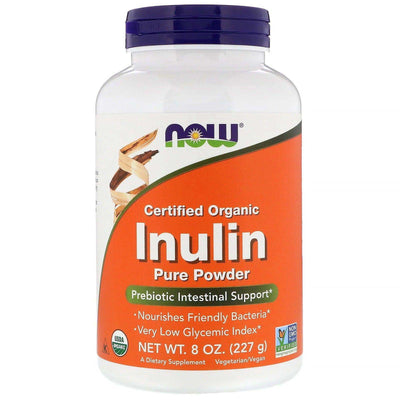
Certified Organic Inulin, Prebiotic Pure Powder, 227g - Now Foods
SupplementsOrganic Inulin (FOS...£ 17.40UK delivery soon
Order within 2h 14m
In Stock
Authentic 30-day returns 12 viewing -
 Quick view
Jarrow Formulas
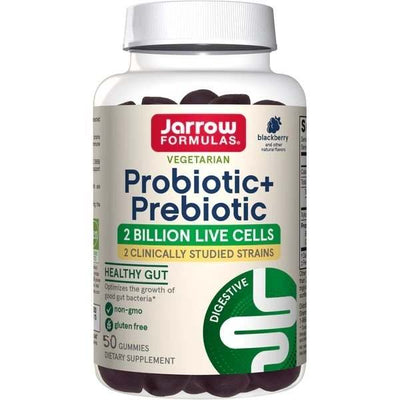
Jarrow Formulas Probiotic + Prebiotic
Health and WellbeingCalories£ 19.38UK delivery soon
Order within 2h 14m
Out of stock
Authentic 30-day returns 12 viewing
Prebiotics
Prebiotics are non-digestible fibres and functional carbohydrates that help nourish beneficial bacteria in the gut. Often described as “food for your microbiome,” prebiotics support fermentation processes in the colon and contribute to a balanced digestive environment. Unlike probiotics, which introduce live bacteria, prebiotics work by selectively feeding the microbes already present in your digestive system.
As modern diets vary widely in fibre intake, many people use prebiotic supplements to support digestive comfort, regularity, and long-term gut balance. Prebiotics can be taken alone or as part of a broader digestive routine, and they are available to buy online on Welzo in a range of formats and ingredient profiles.
What are prebiotics?
Prebiotics are specific types of fermentable fibres that resist digestion in the upper gastrointestinal tract and are instead metabolised by beneficial gut bacteria in the colon. During fermentation, these fibres can support the production of short-chain fatty acids (SCFAs), which play a role in maintaining normal gut barrier function and digestive health.
Many people use prebiotics alongside probiotics to create a more complete microbiome-focused routine, particularly when consistency and long-term digestive balance are the goal.
Benefits and Features of the Welzo Prebiotics Collection
- Microbiome support: Prebiotics selectively feed beneficial gut bacteria.
- Digestive balance: Regular use may support bowel regularity and digestive comfort.
- Multiple formats: Available in powders, capsules, and blended formulations.
- Routine compatibility: Easy to combine with broader digestion-focused categories such as digestive enzymes.
Why are Prebiotics Important?
The gut microbiome plays a key role in digestion, nutrient processing, and overall wellbeing. Prebiotics are important because they help create an environment where beneficial bacteria can thrive, supporting a stable and resilient digestive ecosystem.
They can be particularly useful for individuals with low dietary fibre intake or those looking for structured gut support beyond diet alone. For wider digestive care, some users also explore gut health options as part of a broader routine.
Best Products in Prebiotics
The most suitable prebiotic supplement depends on individual tolerance, goals, and preferred format. When choosing, consider the following:
- Gentle daily support: Lower-dose or slower-fermenting fibres for sensitive digestion.
- Regularity-focused options: Fibre-led formulas such as fibre supplements.
- Single-ingredient formulas: Straightforward options using fibres like inulin.
- Combination routines: Some people pair prebiotics with strains found in Lactobacillus Acidophilus supplements.
How to Use Prebiotics?
- Start gradually: Begin with a small dose and increase slowly over 1–2 weeks.
- Use consistently: Daily intake is usually recommended for ongoing support.
- Stay hydrated: Adequate fluid intake helps fibre-based supplements work effectively.
- Stack carefully: Some users combine prebiotics with options like Saccharomyces Boulardii, depending on tolerance.
Are there any side effects or interactions of Prebiotics?
Prebiotics are generally well tolerated, but digestive changes may occur—particularly when starting or increasing dosage too quickly. Possible effects include:
- Temporary bloating or gas
- Changes in stool frequency or consistency
- Mild abdominal discomfort in sensitive individuals
Those with existing digestive conditions or who take medications affected by fibre timing should seek professional advice before use. During acute digestive upset, some individuals may also rely on short-term support from rehydration treatments.
What Are the Different Types of Prebiotics Available?
- Inulin-type fructans: Highly fermentable fibres commonly derived from chicory root.
- Resistant fibres: Slower-fermenting fibres that may feel gentler for some users.
- Blended prebiotics: Multi-fibre formulas designed to diversify intake.
- Synbiotic formulas: Combined prebiotics and probiotics in a single product.
What Are the Most Popular Prebiotics Products Available?
Popular choices tend to align with everyday digestive needs, including:
- Simple daily prebiotics for microbiome maintenance
- Fibre-forward options aimed at regularity
- Chewable or flavoured formats used alongside routines such as multivitamin gummies
Statistics, Research, Expert Information and Quotes on Prebiotics
Research into prebiotics has expanded alongside growing interest in the gut microbiome. Studies commonly focus on how fermentable fibres influence bacterial diversity, fermentation by-products such as SCFAs, and digestive comfort. Individual response varies depending on fibre type, dosage, and baseline diet.
Expert insight: Many practitioners recommend introducing prebiotics gradually and monitoring tolerance, as slower titration often leads to better long-term adherence.
Further reading: Prebiotics vs Probiotics – What’s the Difference?
How We Select Our Prebiotics Collection on Welzo
The prebiotics range is curated to offer flexibility across fibre types, dosages, and formats. Selection focuses on clear labelling, practical serving guidance, and compatibility with other digestive-support categories.
Many customers integrate prebiotics into wider wellness routines alongside products such as immunity supplements.
Trusted by Experts and Verified Prebiotics Quality on Welzo
Quality and transparency are essential for microbiome-focused supplements. Products are chosen with attention to ingredient identity, dosage clarity, and suitability for everyday use.
Customers exploring broader nutrition goals may also review curated ranges such as Welzo Editors’ Pick of Supplements.
Customer Reviews
Read verified customer feedback and experiences on our reviews page: Welzo Reviews.
Internal Links to Trust Pages
- Welzo Staff
- Ingredient Quality & Purity Certifications
- Supplement Quality Standards & Certifications
Related Categories You May Find Useful
FAQs (Frequently Asked Questions)
What is the best time of day to take prebiotics?
Prebiotics can be taken at any consistent time. Those with sensitive digestion may prefer taking them with meals.
Can prebiotics cause bloating at first?
Yes, temporary bloating or gas can occur when starting. Gradual dose increases usually help.
How long do prebiotics take to work?
Some effects may be noticed within days, but consistent benefits often require several weeks of daily use.
Should prebiotics and probiotics be taken together?
They serve different roles and are often used together, but this depends on individual goals and tolerance.
Are prebiotics suitable for sensitive stomachs?
Some fibres are gentler than others. Starting with low doses and slower-fermenting fibres may help.
Can prebiotics be taken long-term?
Many people use them daily long-term, provided they tolerate the fibre well.
Do prebiotics help with constipation?
They may support regularity, especially when combined with adequate hydration and dietary fibre.
Can prebiotics interfere with medication absorption?
Fibre may affect the timing of some medications. Spacing doses can help—seek pharmacist advice if unsure.
Are prebiotics suitable for low-FODMAP diets?
Some prebiotics may not suit strict low-FODMAP plans. Product choice and portion size are important.
What’s the difference between prebiotics and fibre supplements?
All prebiotics are fibres, but not all fibres are prebiotics. Prebiotics specifically feed beneficial gut bacteria.
 Rated Excellent by 26,523+ Reviews
 100% Money Back Guarantee