


Your cart is empty
This quantity of item cannot be added to the cart
Continue shopping
Colic Medication, Relief and Drops
4.8on Trustindex
browsing now
Order before 2pm for same-day dispatch
2766+ orders this week
-
 Quick view
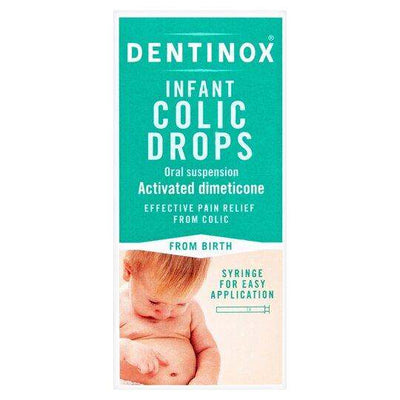
Dentinox
Dentinox Infant Colic Drops
Medicine & Drugs£ 4.29UK delivery soon
Order within 2h 14m
In Stock
Authentic 30-day returns 12 viewing -
 Quick view
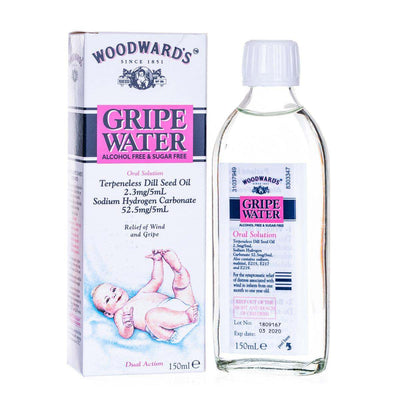
Woodwards
Woodwards Gripe Water
Medicine & Drugs£ 5.98UK delivery soon
Order within 2h 14m
In Stock
Authentic 30-day returns 12 viewing -
 Quick view
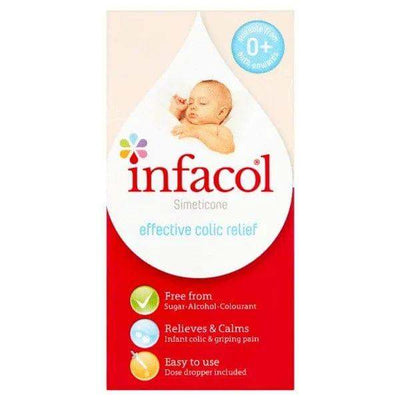
Infacol
Infacol Suspension 55ml
Medicine & Drugs£ 9.83UK delivery soon
Order within 2h 14m
In Stock
Authentic 30-day returns 12 viewing -
 Quick view
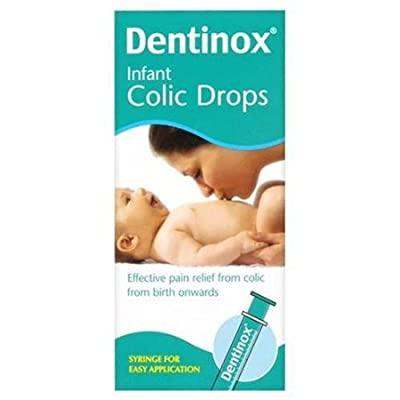
Dentinox
Dentinox Colic Drops With Syringe 100ml
Medicine & Drugs£ 4.64UK delivery soon
Order within 2h 14m
In Stock
Authentic 30-day returns 12 viewing -
 Quick view
Dentinox
Dentinox Cradle Cap Treatment Shampoo 125ml
Medicine & DrugsSodium lauryl ether...£ 5.40UK delivery soon
Order within 2h 14m
In Stock
Authentic 30-day returns 12 viewing -
 Quick view
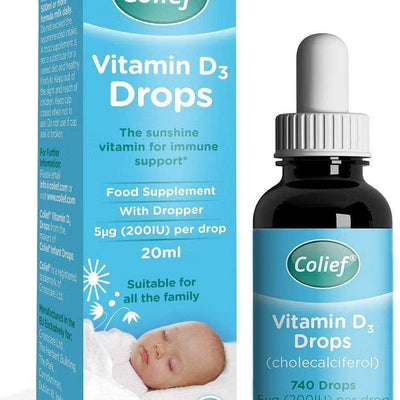
Colief
Colief Vitamin D3 Drops 20ml
Vitamins & Supplements£ 9.13UK delivery soon
Order within 2h 14m
In Stock
Authentic 30-day returns 12 viewing -
 Quick view
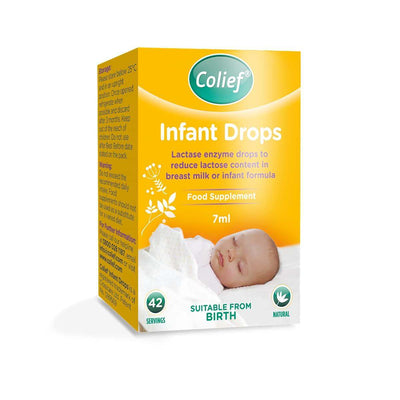
Colief
Colief Infant Drops 7ml
Medicine & DrugsLiquid Lactase Enzyme£ 17.21UK delivery soon
Order within 2h 14m
In Stock
Authentic 30-day returns 12 viewing -
 Quick view
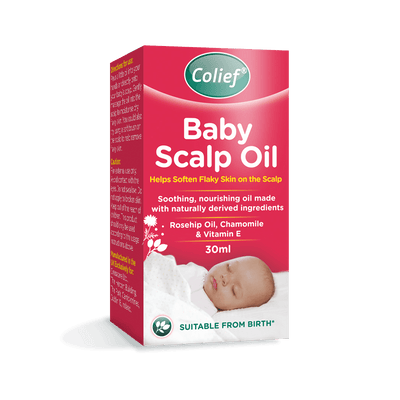
Colief
Colief Baby Scalp Oil 30ml
Body Oil£ 8.14UK delivery soon
Order within 2h 14m
In Stock
Authentic 30-day returns 12 viewing -
 Quick view
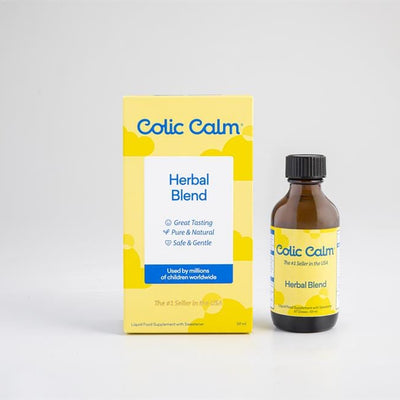
Colic Calm
Colic Calm Herbal Blend 59ml
Medicine & Drugs£ 27.24UK delivery soon
Order within 2h 14m
Out of stock
Authentic 30-day returns 12 viewing -
 Quick view
Colief
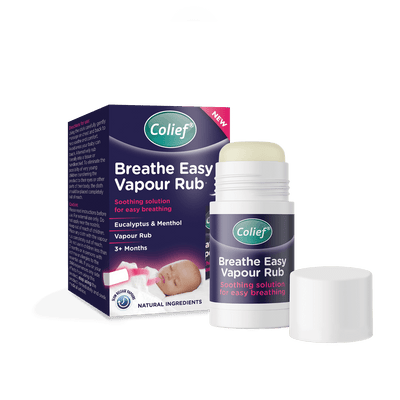
Colief Breathe Easy Vapour Rub 30g
Health Care£ 6.46UK delivery soon
Order within 2h 14m
Out of stock
Authentic 30-day returns 12 viewing -
 Quick view
Colief
Colief Breathe Easy Patch Pack of 6
Health Care£ 6.49UK delivery soon
Order within 2h 14m
Out of stock
Authentic 30-day returns 12 viewing
Colic Medication, Relief and Drops
Colic is a common but distressing condition affecting many young infants, often characterised by excessive crying, discomfort and difficulty settling. Welzo’s Colic Relief Collection offers a carefully selected range of gentle, baby-safe products designed to support digestion, reduce trapped wind and help soothe your baby’s discomfort.
What Is Colic?
Colic is defined as frequent, prolonged crying in an otherwise healthy baby, typically beginning within the first few weeks of life and easing by three to four months. It is often described using the “rule of threes”: crying for more than three hours per day, for more than three days per week, for at least three weeks. While the exact cause is unclear, possible contributors include digestive immaturity, gas or trapped wind, oversensitivity to stimulation and normal newborn development stages.
Colic does not indicate illness and is not harmful, but it can be deeply challenging for families.
What Is Colic Relief?
Colic relief products aim to soothe digestive discomfort, reduce trapped wind and support the baby’s natural digestive processes. These may include simeticone drops, gripe mixtures, probiotics, soothing herbal blends and feeding accessories designed to minimise air intake.
Welzo’s Colic Relief range includes formulations specifically created for infants from birth, and our selection prioritises safety, gentle ingredients and clinically supported mechanisms.
Benefits & Features of Colic Relief Products
Colic relief products are designed to help soothe digestive discomfort, reduce trapped wind and support calmer routines for babies experiencing colic. These formulations and feeding tools aim to make feeding, settling and daily care easier for both infants and parents. Some benefits and features include:
-
Reduces trapped wind by supporting the natural movement of gas in the digestive system.
-
Soothes bloating and digestive discomfort, helping babies feel more comfortable.
-
Helps ease crying episodes commonly associated with colic.
-
Supports calmer feeding and settling routines, improving overall comfort after feeds.
-
Aids the development of the digestive system during the early months.
-
Feeding accessories minimise excess air intake, helping prevent wind-related discomfort.
-
Colic drops may break down gas bubbles in the stomach and intestines to relieve pressure.
-
Simple, easy-to-administer liquid formats, suitable on their own or mixed with breast milk or formula.
-
Suitable options for various infant age groups, each with clear usage guidance.
-
May support more settled sleeping and feeding patterns by reducing tummy discomfort.
Colic relief products can play an important role in supporting a baby’s early digestive comfort and helping families navigate the challenges of colic more smoothly. For more products, check out our Infant Health, Children's Skincare, Children's Vitamins and Children's probiotics collections.
Why Is Colic Relief Important?
For families coping with colic, effective relief can significantly improve quality of life. Persistent colic episodes can disrupt sleep for both baby and parents, heighten stress levels and lead to feeding difficulties. Supporting the baby’s digestion and helping reduce trapped wind may contribute to calmer routines and improved comfort.
Colic relief products can play an important role in:
-
Supporting a healthy digestive transition during the early months
-
Reducing crying episodes linked to wind or discomfort
-
Encouraging more settled sleep and feeding patterns
-
Giving parents confidence and reassurance
Colic itself is temporary, but the right support can make an immediate difference to daily routines.
Statistics, Research & Expert Information on Colic
Colic affects approximately 1 in 5 infants within the first few months of life.
Research describes colic as one of the most common conditions seen in otherwise healthy newborns during early development.
The “rule of threes” definition remains widely used in clinical settings: crying for more than three hours per day, three days per week, for three weeks.
Studies suggest that digestive immaturity, gut microbiota changes, sensitivity to stimulation and air intake during feeding may contribute to symptoms.
Clinical reviews note that while colic is self-limiting, supporting the infant’s digestion and reducing trapped wind may help reduce crying duration.
FAQs
Q. How do I know if my baby has colic?
Typical signs include intense crying for long periods, drawing up of the legs, a red face, clenched fists and difficulty settling, often in the late afternoon or evening.
Q. Are colic relief drops safe from birth?
Many simeticone-based products and gripe-relief formulations are suitable from birth. Always check the age recommendation for each product.
Q. Can I use colic relief products every day?
Yes, most can be used daily as directed. Always follow the product’s instructions or seek pharmacist guidance.
Q. How quickly do colic relief drops work?
Some products may provide relief within minutes, while others may help gradually over repeated use.
Q. When should I speak to a doctor?
Seek medical advice if your baby has a fever, vomiting is severe or frequent, stools change significantly or the crying pattern changes suddenly.
Q. Do I need a prescription for colic remedies?
No, most colic relief products can be purchased over the counter.
 Rated Excellent by 28,951+ Reviews
 100% Money Back Guarantee