
Your cart is empty
This quantity of item cannot be added to the cart
Continue shopping
Smart Health Devices
4.8on Trustindex
browsing now
Order before 2pm for same-day dispatch
2766+ orders this week
-
Sale-55%
 Quick view
welzo-3
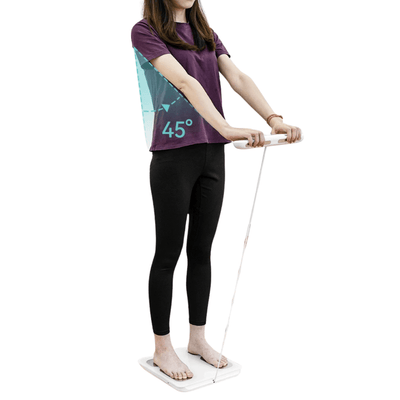
Welzo Smart 8-Electrode Bioimpedance Digital Body Composition Scale – High-Precision Weight, Body Fat, Water, Muscle Mass, BMI Analyser
scalesProduct Specificati...£ 99.99£219.99Lowest price in 30 days
UK delivery soon
Order within 2h 14m
In Stock
Authentic 30-day returns 12 viewing
Smart Health Devices
Smart health devices are modern, sensor-led tools designed to help people monitor key wellbeing signals at home. These devices collect health measurements, display them clearly, and support ongoing awareness of changes over time — helping individuals take a more informed and proactive approach to everyday health.
From tracking temperature and blood pressure to monitoring respiratory-related metrics, smart health devices make routine health checks more accessible. You can buy smart health devices online on Welzo and choose options designed for regular, at-home use.
What are Smart Health Devices?
Smart health devices are electronic tools that measure physiological indicators such as body temperature, blood pressure, and breathing-related values. Designed primarily for home use, they offer simple operation, fast readings, and clear outputs that help users understand their health data without specialist training.
Many people use these devices to establish baseline readings, monitor changes over time, or support conversations with healthcare professionals when something feels out of the ordinary.
Benefits and Features of the Welzo Smart Health Devices Collection
Smart health devices are valued for convenience, clarity, and repeatability. They allow people to monitor key metrics regularly without relying solely on occasional in-person checks.
This category complements wider at-home care setups and often sits alongside practical essentials such as medical equipment for comprehensive home readiness.
Why is Smart Health Devices Important?
Regular monitoring can be particularly useful for people managing ongoing conditions, tracking recovery, or simply staying informed about their well-being. Consistent readings taken in familiar environments can help reduce uncertainty and improve confidence in day-to-day health decisions.
Smart devices also support earlier awareness of changes, encouraging timely action when readings shift outside a person’s usual range.
Best Products in Smart Health Devices
The best device depends on what you want to monitor most often. Many households begin with temperature-monitoring tools, then add other devices as needs evolve.
For quick and reliable readings, thermometers are among the most commonly chosen options for everyday home use.
How to Use Smart Health Devices?
To get the most accurate results, devices should be used according to the manufacturer's guidance. This typically includes correct positioning, calm measurement conditions, and consistent timing where possible.
Recording readings over time — whether digitally or manually — can help identify meaningful patterns rather than isolated fluctuations.
Are there any side effects or interactions of Smart Health Devices?
Smart health devices are generally safe and non-invasive. The most common issue is inaccurate readings caused by incorrect usage, poor positioning, or unsuitable measurement conditions.
If a reading appears unusual, it’s advisable to repeat it under calmer conditions and seek professional advice if concerns persist.
What Are the Different Types of Smart Health Devices Available?
Blood pressure monitors: Designed for at-home tracking of systolic and diastolic pressure, often chosen for routine monitoring (Blood Pressure Monitors).
Respiratory monitoring tools: Devices used to support awareness of breathing-related metrics (Respiratory Devices).
Temperature monitoring devices: Tools for quick checks and ongoing tracking during illness or recovery.
What Are the Most Popular Smart Health Devices Products Available?
Most popular devices tend to be those that are easy to use, deliver fast results, and fit naturally into daily routines. Temperature devices, blood pressure monitors, and respiratory-focused tools remain among the most widely used for home monitoring.
Statistics, Research, Expert Information and Quotes on Smart Health Devices
As home-based health monitoring becomes more common, experts consistently emphasise that the value of smart devices lies in consistent use and correct technique. Tracking trends over time is generally more informative than focusing on isolated readings.
When combined with professional guidance, home monitoring can support earlier awareness and more informed health discussions.
How We Select Our Smart Health Devices Collection on Welzo
Devices are selected based on usability, clarity of instructions, reliability for repeat measurements, and suitability for everyday home environments. We prioritise products that help users monitor confidently without unnecessary complexity.
Trusted by Experts and Verified Smart Health Devices Quality on Welzo
Quality selection focuses on dependable measurement performance, clear user guidance, and designs that support safe, regular use. Each device is reviewed with real-world home monitoring in mind.
Customer Reviews
Read verified customer experiences and feedback here: Welzo Reviews.
Internal Links to Trust Pages
Welzo Staff, Ingredient Quality & Purity Certifications, Supplement Quality Standards & Certifications
FAQs (Frequently Asked Questions)
What are smart health devices used for?
They’re used to monitor health indicators such as temperature, blood pressure, and breathing-related metrics at home.
Are smart health devices accurate?
They can be reliable for routine monitoring when used correctly, though results depend on proper technique and conditions.
Can smart health devices replace medical diagnosis?
No. They are designed for monitoring and awareness, not diagnosis or treatment.
How often should I use a smart health device?
Usage frequency depends on your goals — some people monitor daily, while others use devices only when needed.
What should I do if I get an unusual reading?
Repeat the measurement calmly. If readings remain concerning, seek professional advice.
Can multiple people use the same device?
Often yes, provided hygiene guidance is followed, and settings are adjusted correctly for each user.
Do smart health devices need calibration?
Most home devices do not require professional calibration, but should be maintained according to manufacturer guidance.
Are smart health devices suitable for children?
Some are, but age suitability should always be checked on the individual product page.
Do I need an app to use smart health devices?
Not always — some devices work independently, while others offer optional app connectivity.
How should smart health devices be stored?
Store them in a clean, dry place and follow care instructions to maintain accuracy.
 Rated Excellent by 28,951+ Reviews
 100% Money Back Guarantee