
Your cart is empty
This quantity of item cannot be added to the cart
Continue shopping
Medical Thermometer Range
4.8on Trustindex
browsing now
Order before 2pm for same-day dispatch
2766+ orders this week
-
 Quick view
Numark
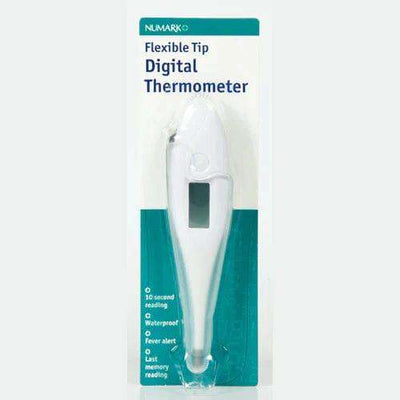
Numark Flexible Tip Digital Thermometer
Medical Thermometers£ 5.62UK delivery soon
Order within 2h 14m
In Stock
Authentic 30-day returns 12 viewing -
 Quick view
Suresign
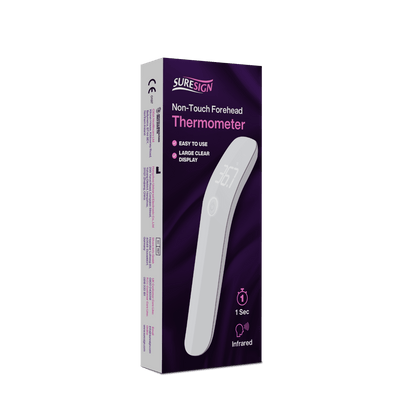
SURESIGN non touch forehead thermometer
Medicine & Drugs£ 24.99UK delivery soon
Order within 2h 14m
In Stock
Authentic 30-day returns 12 viewing -
 Quick view
Suresign
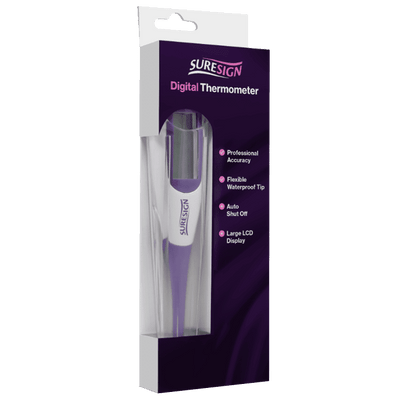
Suresign Digital Thermometer
Medicine & Drugs£ 5.10UK delivery soon
Order within 2h 14m
In Stock
Authentic 30-day returns 12 viewing -
 Quick view
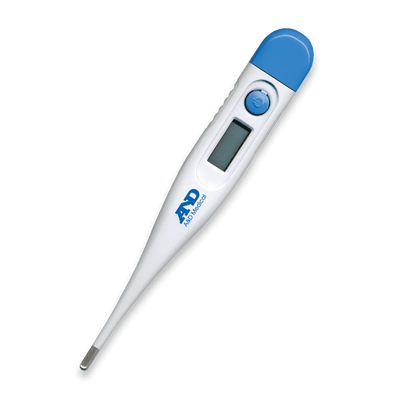
A&D
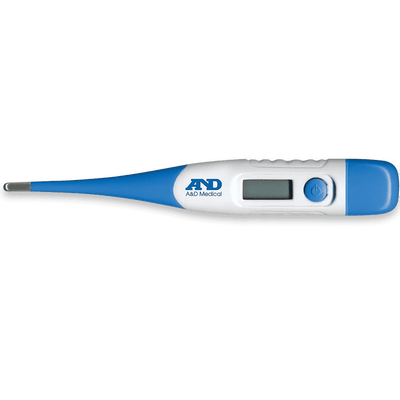
A&D Medical UT-113 Digital Flex Tip Thermometer
Medicine & Drugs£ 4.31UK delivery soon
Order within 2h 14m
In Stock
Authentic 30-day returns 12 viewing -
 Quick view
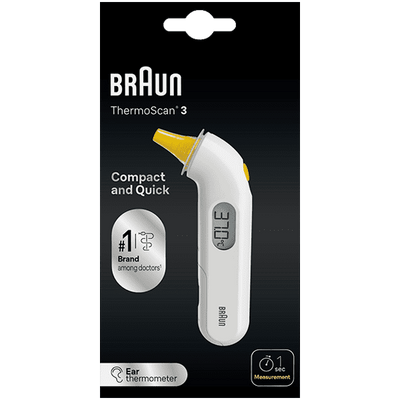
Braun
Braun ThermoScan 3 Compact Ear Thermometer IRT 3030
Medicine & Drugs£ 41.94UK delivery soon
Order within 2h 14m
In Stock
Authentic 30-day returns 12 viewing -
 Quick view
A&D
A&D Digital Thermometer UT-103
Medicine & Drugs£ 2.72UK delivery soon
Order within 2h 14m
In Stock
Authentic 30-day returns 12 viewing -
 Quick view
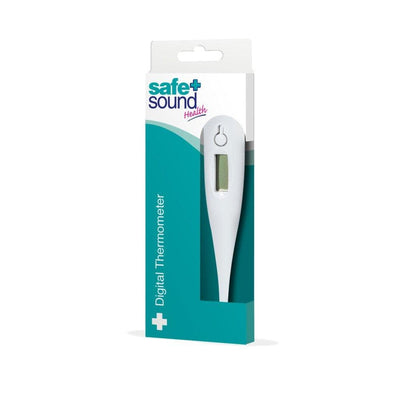
Safe & Sound
Safe & Sound Rigid Digital Thermometer
Medical Thermometers£ 8.41UK delivery soon
Order within 2h 14m
Out of stock
Authentic 30-day returns 12 viewing -
 Quick view
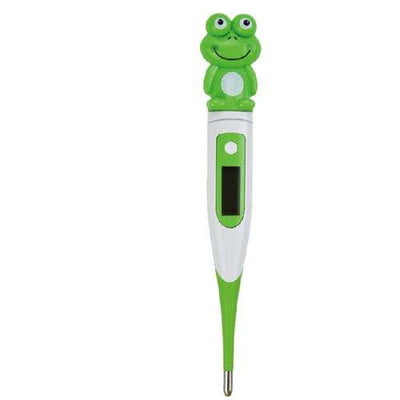
VitaKids
VitaKids Digital Thermometer - Green Frog
Medicine & Drugs£ 2.79UK delivery soon
Order within 2h 14m
Out of stock
Authentic 30-day returns 12 viewing -
 Quick view
VitaKids
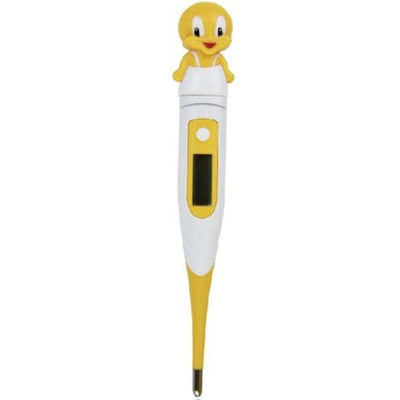
VitaKids Digital Thermometer - Yellow Duck
Medicine & Drugs£ 2.79UK delivery soon
Order within 2h 14m
Out of stock
Authentic 30-day returns 12 viewing
Medical Thermometer Range
Thermometers are essential home and clinical devices used to measure body temperature accurately, helping identify fevers, monitor infections and support health decisions for adults, children and infants. From digital stick thermometers to advanced no-touch infrared models, the right thermometer allows families to check temperatures quickly, safely and hygienically. This collection provides a wide range of medical-grade thermometers available to buy online, suitable for everyday home use, childcare, first aid kits, workplaces and travel.
What Are Thermometers?
Thermometers are temperature-measuring devices that detect changes in body heat and convert them into a readable digital or visual signal. In healthcare, thermometers play a vital role in identifying signs of fever, infection, inflammation or illness. Modern thermometers use advanced sensors—such as infrared, digital probes or tympanic technology—to deliver fast and precise readings. They are designed for different parts of the body, including the forehead, ear, underarm, mouth and rectum, depending on the user’s age and comfort needs.
Many users purchase thermometers alongside supportive products from related categories such as Baby & Child Health, Children’s Fever & Pain Relief, First Aid Kits, Wound Care and Medical Equipment.
Benefits & Features of the Thermometers Collection
- Fast and accurate results: Many modern thermometers provide readings within seconds, allowing quick decisions about illness and care.
- Suitable for all ages: Options exist for newborns, toddlers, teenagers and adults, including gentle, no-contact models for sleeping infants.
- Digital clarity: Large backlit screens, fever alerts and memory recall help track temperature trends over time.
- Hygienic and safe: No-touch infrared models reduce cross-contamination and are ideal for families with multiple children.
- Versatile placement: Different designs allow oral, axillary, ear, forehead or rectal measurement according to comfort and accuracy preference.
- Travel-ready options: Compact models fit into first aid kits, suitcases or baby bags for reliable monitoring on the go.
- Integration with home medical routines: Many individuals pair thermometers with supplements, relief products and medical supplies for complete home health monitoring.
Why Are Thermometers Important?
A thermometer is one of the most important tools in any home. Body temperature is a key indicator of health, and even small rises can signal infection or illness. Monitoring fever helps parents make informed decisions about childcare, helps adults manage viral symptoms and supports carers of elderly or vulnerable individuals.
Thermometers are especially important for:
- Tracking childhood illnesses and viral infections.
- Monitoring symptoms during cold and flu seasons.
- Supporting recovery after vaccinations or medical treatments.
- Managing chronic conditions where temperature changes may be significant.
- First aid situations where overall health assessment is important.
Regular monitoring helps prevent unnecessary worry and ensures timely medical attention when needed.
How to Use Thermometers Effectively
- Prepare correctly: For oral readings, avoid food and drink 10–15 minutes beforehand. For ear or forehead models, ensure the area is clean and unobstructed.
- Follow placement guidelines: Each type of thermometer has an optimal position—oral thermometers under the tongue, ear devices in the canal, infrared no-touch units aimed at the forehead.
- Measure twice if unsure: To confirm accuracy, take two readings a minute apart.
- Keep devices clean: Wipe sensors with alcohol wipes and disinfect surfaces to maintain hygiene.
- Interpret results appropriately: A fever is generally considered above 38°C, but always interpret readings alongside symptoms.
- Store properly: Avoid heat, dampness or battery drain by keeping the device in its case.
Types of Thermometers Available
- Digital stick thermometers: Simple, affordable and effective for oral, underarm or rectal use.
- No-touch infrared thermometers: Ideal for babies, children or nighttime checks without disturbance.
- Ear (tympanic) thermometers: Fast and accurate sensors measuring infrared heat inside the ear canal.
- Forehead (temporal artery) thermometers: Swipe-based or no-contact scanners for convenient, hygienic use.
- Multi-mode thermometers: Versatile devices capable of reading ear, forehead and room temperature.
- Child-friendly thermometers: Pacifier thermometers and soft-tip probes designed for infants.
- Advanced smart thermometers: Devices that store medical history and track temperature trends.
Expert Insights & Temperature-Monitoring Guidance
Healthcare experts recommend choosing thermometers based on the user’s age and accuracy needs. For infants under three months, rectal or high-quality forehead readings tend to be most reliable. For toddlers and older children, ear thermometers or digital probes are fast and child-friendly. Adults often prefer digital or infrared models for convenience and hygiene.
No-touch thermometers have become a preferred option for families because they eliminate cross-contamination, require no contact and are suitable for sleeping children. Advanced models with fever indicators, memory recall and multi-user modes also help track illness progression, making it easier to evaluate recovery or decide when to seek medical care.
Experts also highlight the importance of combining thermometers with essential health supplies, including child health essentials, children’s pain & fever relief, first aid kits and medical equipment.
How Welzo Selects Thermometers
Welzo carefully curates thermometers to ensure accuracy, ease of use and suitability for all households. Our selection is based on:
- Measurement accuracy: Devices must deliver reliable readings under real-world conditions.
- Ease of use: Clear screens, intuitive buttons and simple instructions.
- Hygiene and safety: Contactless or easy-clean options preferred for multi-user households.
- Suitability by age: Options for infants, children and adults.
- Durability and build quality: Devices must withstand frequent home use.
- Integration with health routines: Suitable for use alongside fever relief products and first-aid supplies.
Welzo Trust & Quality Assurance
FAQs – Thermometers
Which thermometer is best for babies?
No-touch and forehead thermometers are ideal for babies, offering gentle, disturbance-free readings. For newborns, rectal readings may offer the highest accuracy but should be used with caution.
Are infrared thermometers accurate?
Yes, when used correctly. Ensure the forehead is clean and free from sweat, dirt or hair, and follow the recommended distance guidelines.
How often should I check for fever?
During illness, check every 2–4 hours or whenever symptoms change. For children, check more frequently if they appear unwell.
Can eating or drinking affect readings?
Yes—oral readings may be inaccurate if taken within 10–15 minutes of consuming hot or cold food or drink.
What temperature is considered a fever?
Generally, a temperature over 38°C indicates fever. Infants under three months with temperatures above 38°C require urgent medical advice.
How do I clean a thermometer?
Use alcohol wipes or a soft cloth with disinfectant. Avoid immersing digital components in liquid.
Do thermometers need calibration?
Most home thermometers don’t require manual calibration, but if readings become inconsistent, consider replacing the device.
Which thermometer is most hygienic?
No-touch infrared thermometers are the most hygienic, ideal for multi-person households or workplaces.
Can I use the same thermometer for oral and underarm?
Yes, but ensure it is disinfected between uses and avoid mixing oral and rectal use for hygiene reasons.
Why does my thermometer give different readings?
Environmental factors such as sweating, low batteries, poor positioning or measurement timing can cause variation. Take two readings to confirm.
 Rated Excellent by 26,523+ Reviews
 100% Money Back Guarantee