


Your cart is empty
This quantity of item cannot be added to the cart
Continue shopping
Antiseptic Creams, Ointments & Sprays
4.8on Trustindex
browsing now
Order before 2pm for same-day dispatch
2766+ orders this week
-
 Quick view
Safe & Sound
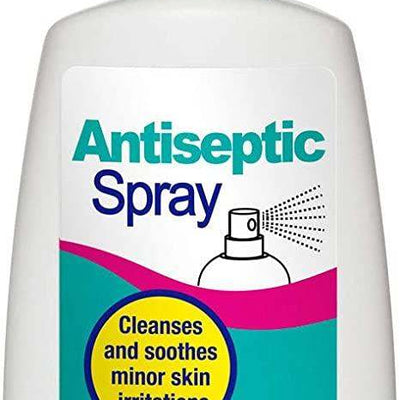
Safe & Sound Cleansing Antiseptic Spray 100ml
Antiseptics & Cleaning SuppliesAqua£ 3.35UK delivery soon
Order within 2h 14m
In Stock
Authentic 30-day returns 12 viewing -
 Quick view
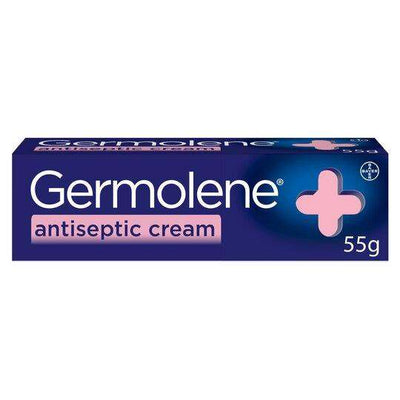
Germolene
Germolene Antiseptic Cream 55g
Medicine & Drugs£ 5.39UK delivery soon
Order within 2h 14m
In Stock
Authentic 30-day returns 12 viewing -
 Quick view
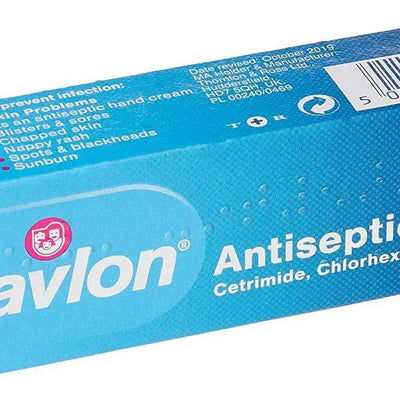
Savlon
Savlon Antiseptic Cream
Antiseptics & Cleaning Supplies£ 3.19UK delivery soon
Order within 2h 14m
In Stock
Authentic 30-day returns 12 viewing -
 Quick view
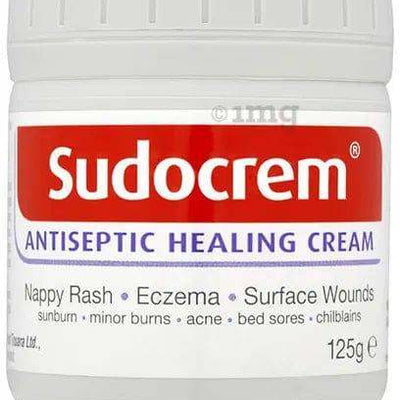
Sudocrem
Sudocrem Antiseptic Cream
Lotion & Moisturizer£ 6.46UK delivery soon
Order within 2h 14m
In Stock
Authentic 30-day returns 12 viewing -
 Quick view
Care
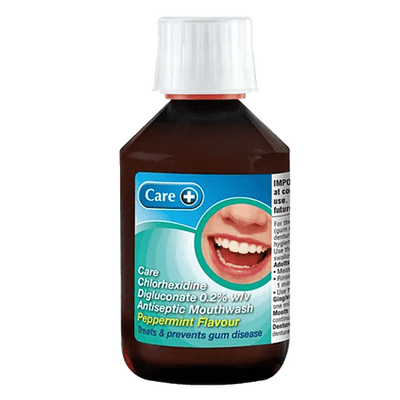
Care Chlorhexidine Antiseptic Mouthwash Pepper-mint 300ml
Medicine & Drugs£ 6.14UK delivery soon
Order within 2h 14m
In Stock
Authentic 30-day returns 12 viewing -
 Quick view
Dettol
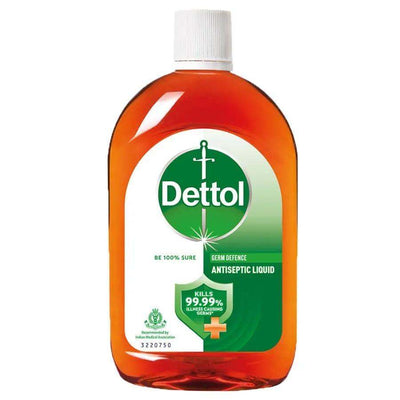
Dettol Antiseptic Disinfectant Original
Antiseptics & Cleaning Supplies£ 5.24UK delivery soon
Order within 2h 14m
In Stock
Authentic 30-day returns 12 viewing -
 Quick view
Savlon
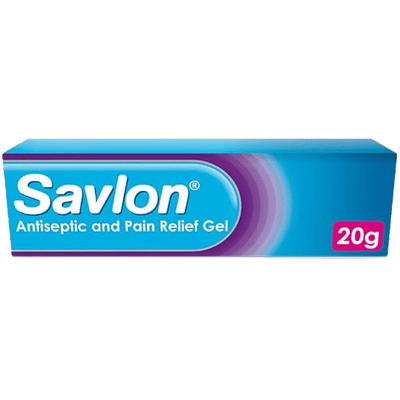
Savlon Antiseptic and Pain Relief Gel 20g
Medicine & Drugs£ 7.01UK delivery soon
Order within 2h 14m
In Stock
Authentic 30-day returns 12 viewing -
 Quick view
Savlon
Savlon Antiseptic Cream 15g
Medicine & DrugsCetrimide 0.5% w/w ...£ 2.56UK delivery soon
Order within 2h 14m
In Stock
Authentic 30-day returns 12 viewing -
 Quick view
TCP
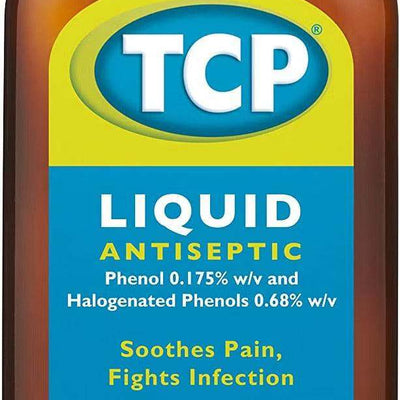
TCP Antiseptic Liquid
Antiseptics & Cleaning SuppliesActive ingredients:...£ 5.44UK delivery soon
Order within 2h 14m
Out of stock
Authentic 30-day returns 12 viewing -
 Quick view
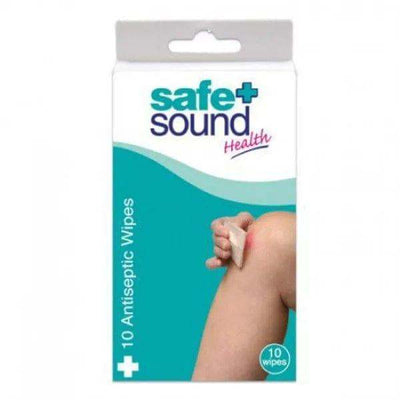
Safe & Sound
Safe & Sound Antiseptic Wipes Pack of 10
Hand Sanitizers & Wipes£ 2.50UK delivery soon
Order within 2h 14m
Out of stock
Authentic 30-day returns 12 viewing -
 Quick view
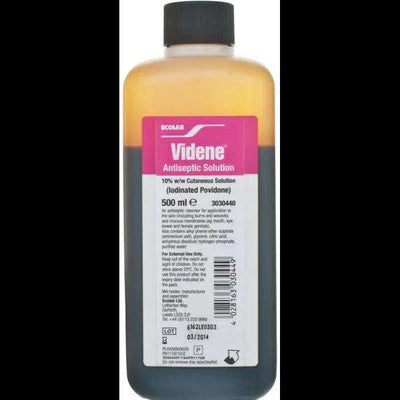
Pharmacy
Videne Antiseptic Solution 500ml
Medicine & Drugs£ 13.64UK delivery soon
Order within 2h 14m
Out of stock
Authentic 30-day returns 12 viewing -
 Quick view
Biotics Research
Biotics Research Beta-TCP – 90 Tablets
SupplementsCellulose (E460)£ 41.83UK delivery soon
Order within 2h 14m
Out of stock
Authentic 30-day returns 12 viewing
Antiseptic Creams, Ointments & Sprays
Antiseptic Creams, Ointments & Sprays are essential first-aid products designed to clean, protect and support the healing of minor wounds. These formulations help reduce bacterial growth, prevent infection and soothe irritated or damaged skin. Whether you are treating cuts, grazes, insect bites, burns or blisters, antiseptic products provide an immediate and effective line of defence — and are easy to buy online for fast home delivery.
What Are Antiseptic Creams, Ointments & Sprays?
Antiseptic products are topical solutions formulated with ingredients that help prevent the spread of bacteria, fungi and viruses on the skin’s surface. Creams and ointments offer thicker coverage ideal for dry or cracked skin, while sprays provide hands-free application for hard-to-reach areas or sensitive wounds. These products are widely used in home first-aid kits, childcare settings, workplaces and travel packs.
Many people pair them with related categories such as First Aid Supplies, Wound Care, Plasters, Bandages, Children’s First Aid and Insect Protection for complete protection.
Benefits & Features of Antiseptic Creams, Ointments & Sprays
- Kills bacteria on contact: Helps prevent infection in fresh wounds and reduces the risk of complications.
- Soothes irritation: Creams and ointments ease redness, itching and inflammation from bites, rashes or grazes.
- Promotes faster healing: Protecting a wound from microbes supports natural skin regeneration.
- Easy to apply: Sprays allow no-touch application, ideal for children or sensitive areas.
- Multi-purpose use: Effective for cuts, abrasions, insect stings and mild burns.
- Suitable for family use: Child-friendly formulas available when combined with ranges such as Baby & Child Health and Children’s Relief Products.
Why Are Antiseptic Products Important?
Even small wounds can become infected if left untreated. Everyday activities expose skin to bacteria, especially on hands, knees and feet. Antiseptic products form a protective barrier and neutralise harmful microbes quickly. They are particularly important for:
- Children who frequently fall or scratch themselves.
- People with active lifestyles or outdoor hobbies.
- Travellers needing fast on-the-go protection.
- Those managing recurrent skin irritation, bites or chafing.
- Households building a complete first-aid station.
How to Use Antiseptic Creams, Ointments & Sprays
- Clean the wound: Use warm water, wipes or products from Antiseptics to remove dirt.
- Apply a thin layer: Creams and ointments should cover the wound without blocking airflow.
- Use sprays for sensitive areas: Avoid touching broken skin where contact may cause discomfort.
- Cover with a plaster or dressing: Combine with Plasters or Dressings for best healing outcomes.
- Reapply daily: Especially if the wound becomes wet or dirty.
- Seek medical help if needed: Increasing redness, pus or pain may indicate infection.
Types of Antiseptic Products Available
- Antiseptic creams: Thicker moisturising formulas ideal for dry skin or slow-healing wounds.
- Antiseptic ointments: Greasier textures that provide longer-lasting protection and moisture retention.
- Antiseptic sprays: Quick, easy, hands-free application — ideal for children or sensitive skin.
- Cooling antiseptic gels: Provide relief from insect bites, rashes and mild burns.
- Wound-cleaning solutions: Prepares skin before applying a dressing or plaster.
Expert Insight on Antiseptic Use
Healthcare professionals highlight that the best outcomes come from combining antiseptics with clean wound-care techniques. Creams with added moisturisers can help prevent scarring by maintaining hydration, while sprays are recommended for sports teams, schools and travel due to convenience and hygiene. For repeated irritation, antiseptic ointments help strengthen the skin barrier and reduce friction.
Experts also emphasise the importance of pairing antiseptics with the right coverings — using breathable plasters or sterile bandages prevents bacteria from re-entering the wound.
How Welzo Selects Antiseptic Products
Welzo’s range is curated based on safety, reliability and formulation quality. Each product is assessed for:
- Dermatological suitability: Non-irritating formulas suitable for sensitive skin.
- Fast action: Ability to neutralise microbes quickly.
- Ease of application: Spray options for parents and carers.
- Trusted brands: Products widely used in UK homes, schools and clinics.
- Compatibility with broader first-aid supplies: Works alongside Wound Care and First Aid Kits.
Welzo Trust & Quality Assurance
- Meet the Welzo Medical & Pharmacy Team
- Quality & Purity Standards
- Safety & Compliance Certifications
- Welzo Customer Reviews
FAQs – Antiseptic Creams, Ointments & Sprays
Can I use antiseptic cream on children?
Yes, most formulas are safe for children, but always check the label for age-specific guidance, especially for infants.
Should I use a plaster after applying antiseptic?
Yes — covering the wound with a plaster or dressing helps protect the antiseptic layer and improves healing.
Are sprays as effective as creams?
Sprays are equally effective at cleaning wounds and are ideal for sensitive or hard-to-reach areas.
Can antiseptic products reduce scars?
Keeping wounds clean and hydrated can help reduce scarring. Some ointments provide long-lasting moisture to support skin repair.
What should I do if a wound keeps reopening?
Use a cushioned dressing and avoid friction. If the wound does not improve after several days, seek medical advice.
Can antiseptics be used on burns?
Mild burns may benefit from cooling antiseptic gels, but deeper burns require urgent medical attention.
How often should I apply antiseptic?
Once or twice daily, or whenever the dressing becomes wet or dirty.
Are antiseptics suitable for acne?
Some mild antiseptic formulas can soothe inflamed spots, but medicated acne treatments may be more effective for persistent breakouts.
What’s the difference between an antiseptic and an antibiotic cream?
Antiseptics kill or inhibit a broad range of microbes, while antibiotics target specific bacteria. Antiseptics are typically preferred for general first-aid use.
Can I take antiseptics when travelling?
Yes — sprays are particularly useful for travel kits, schools, sports bags and camping trips.
 Rated Excellent by 28,951+ Reviews
 100% Money Back Guarantee