




Your cart is empty
This quantity of item cannot be added to the cart
Continue shopping
Children's Hayfever Medicine & Allergy Relief
4.8on Trustindex
browsing now
Order before 2pm for same-day dispatch
2766+ orders this week
-
 Quick view
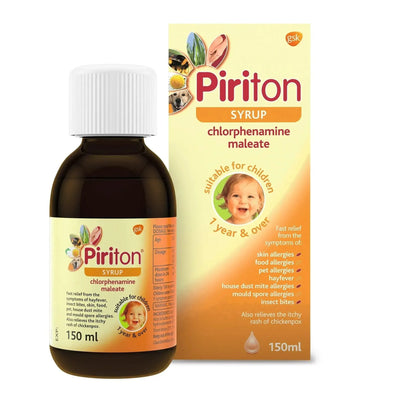
Piri
Piriton Syrup 150ml
Medicine & DrugsChlorphenamine malate£ 8.06UK delivery soon
Order within 2h 14m
In Stock
Authentic 30-day returns 12 viewing -
 Quick view
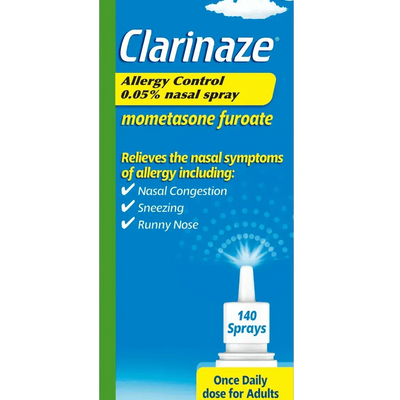
Clarinaze
Clarinaze Allergy Control Nasal Spray 140 Dose
Medicine & Drugs£ 17.84UK delivery soon
Order within 2h 14m
In Stock
Authentic 30-day returns 12 viewing -
 Quick view
Benadryl
Benadryl Allergy Relief 8mg Capsules
Medicine & DrugsAcrivastine 8mg and...£ 7.20UK delivery soon
Order within 2h 14m
In Stock
Authentic 30-day returns 12 viewing -
 Quick view
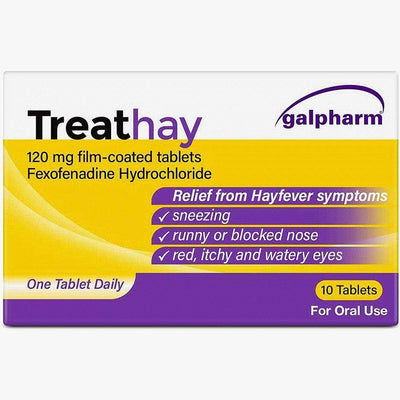
Treathay
Treathay 120mg Fexofenadine Tablets
Medicine & Drugs£ 3.86UK delivery soon
Order within 2h 14m
In Stock
Authentic 30-day returns 12 viewing -
 Quick view
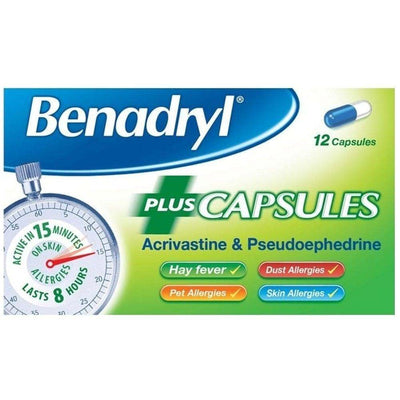
Benadryl
Benadryl Allergy Relief Plus Decongestant Capsules Pack of 12
Medicine & Drugs£ 8.66UK delivery soon
Order within 2h 14m
In Stock
Authentic 30-day returns 12 viewing -
 Quick view
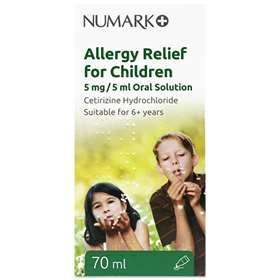
Numark
Numark Allergy Relief for Children Oral Solution 70ml
Medicine & Drugs£ 3.33UK delivery soon
Order within 2h 14m
In Stock
Authentic 30-day returns 12 viewing -
 Quick view
Anthisan
Anthisan Cream
Lotion & Moisturizer£ 8.05UK delivery soon
Order within 2h 14m
In Stock
Authentic 30-day returns 12 viewing -
 Quick view
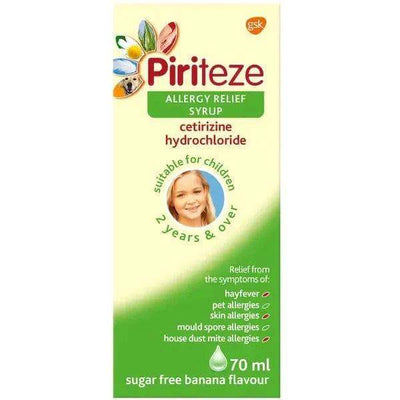
Piri
Piriteze Allergy Relief Syrup 70ml
Medicine & DrugsCetirizine hydrochl...£ 8.47UK delivery soon
Order within 2h 14m
In Stock
Authentic 30-day returns 12 viewing -
 Quick view
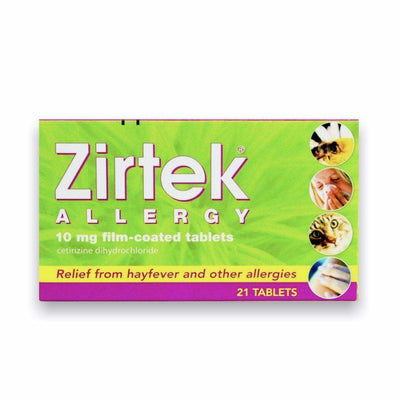
Zirtek
Zirtek Allergy Tablets Pack of 21
Medicine & Drugs£ 12.48UK delivery soon
Order within 2h 14m
In Stock
Authentic 30-day returns 12 viewing -
 Quick view
Clarityn
Clarityn 1 a Day Allergy 10mg Tablets Pack of 30
Medicine & Drugs£ 11.12UK delivery soon
Order within 2h 14m
In Stock
Authentic 30-day returns 12 viewing -
 Quick view
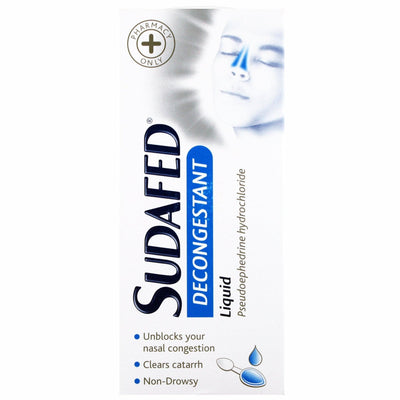
Sudafed
Sudafed Decongestant Liquid 100ml
Medicine & Drugs£ 5.89UK delivery soon
Order within 2h 14m
In Stock
Authentic 30-day returns 12 viewing -
 Quick view
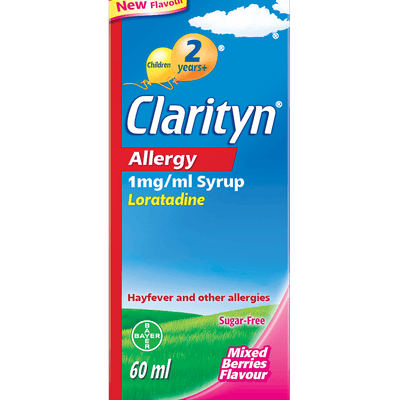
Clarityn
Clarityn Children's Allergy Syrup 60ml
Medicine & Drugs£ 8.21UK delivery soon
Order within 2h 14m
In Stock
Authentic 30-day returns 12 viewing -
 Quick view
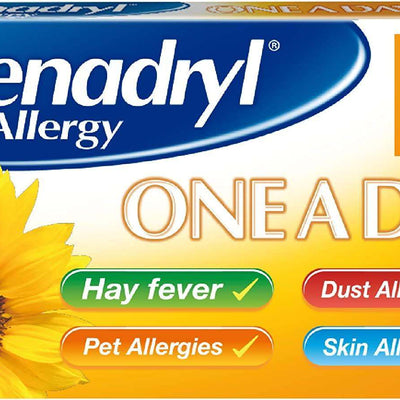
Benadryl
Benadryl Allergy One a Day Tablets Pack of 30
Medicine & Drugs£ 12.00UK delivery soon
Order within 2h 14m
In Stock
Authentic 30-day returns 12 viewing -
 Quick view
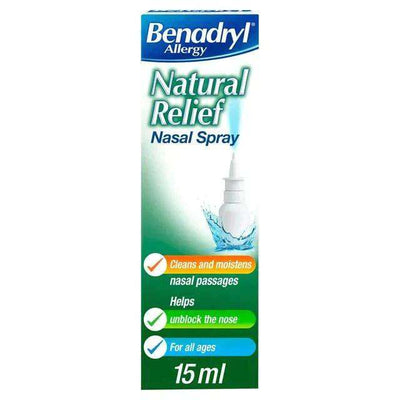
Benadryl
Benadryl Allergy Natural Relief Spray 15ml
Medicine & Drugs£ 6.94UK delivery soon
Order within 2h 14m
In Stock
Authentic 30-day returns 12 viewing -
 Quick view
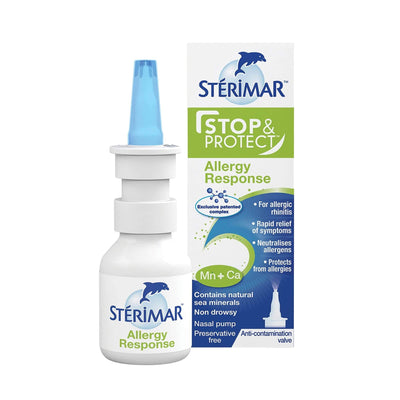
Sterimar
Sterimar Stop & Protect Allergy Response Nasal Spray 20ml
Medicine & Drugs£ 13.02UK delivery soon
Order within 2h 14m
In Stock
Authentic 30-day returns 12 viewing -
 Quick view
Clarityn
Clarityn Allergy Tablets Pack of 14
Medicine & Drugs£ 7.00UK delivery soon
Order within 2h 14m
Out of stock
Authentic 30-day returns 12 viewing -
 Quick view
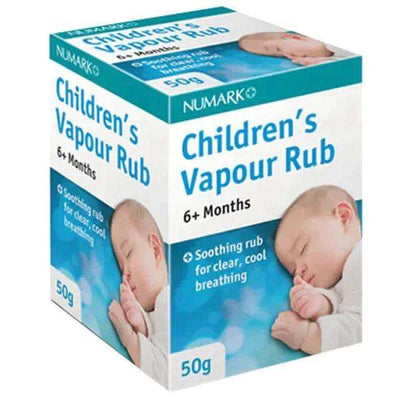
Numark
Numark Children's Vapour Rub 50g
Medicine & Drugs£ 2.50UK delivery soon
Order within 2h 14m
Out of stock
Authentic 30-day returns 12 viewing -
 Quick view
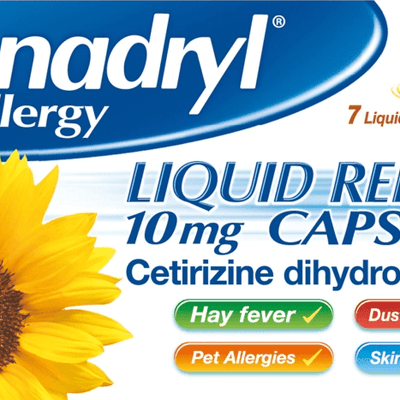
Benadryl
Benadryl Allergy Liquid Release 10mg Pack of 7
Medicine & Drugs£ 5.89UK delivery soon
Order within 2h 14m
Out of stock
Authentic 30-day returns 12 viewing
Children's Hayfever Medicine & Allergy Relief
Explore Welzo’s curated range of children’s hayfever medicine and allergy relief products, designed to help manage symptoms such as sneezing, itchy eyes and a runny or blocked nose. Parents searching to buy trusted solutions online will find child-friendly antihistamines, nasal sprays, eye drops and natural options suitable for seasonal allergies and year-round sensitivities. This collection supports families looking for fast, gentle and effective allergy relief with products formulated specifically for young, sensitive systems.
What Is Children’s Hayfever & Allergy Relief?
Children’s hayfever treatments help reduce the body’s response to pollen, dust mites, mould spores and pet dander. Hayfever occurs when a child’s immune system reacts to airborne particles, causing inflammation in the nose, eyes and throat. Treatments include oral antihistamines, anti-inflammatory nasal sprays and soothing eye drops, each formulated for age-appropriate dosing and gentle symptom control.
Benefits and Features of the Welzo Children’s Hayfever Collection
- Child-safe antihistamines designed to minimise drowsiness.
- Easy-to-use nasal sprays for congestion, itching and sneezing control.
- Eye drops that soothe redness, watering and irritation.
- Formulas suitable for different ages, including toddlers and older children.
- Options for seasonal and perennial allergies.
- Brands chosen for reliability, clinical testing and safety.
For parents looking for complementary products, Welzo also offers children’s fever & pain relief, child immunity support, eye drops and nasal congestion relief.
Why Is Hayfever Relief Important for Children?
Untreated hayfever can affect a child’s sleep, school performance, concentration and overall comfort during high-pollen periods. Persistent allergy symptoms may also worsen eczema or asthma and may lead to habitual nose-rubbing, disrupted sleep and difficulty focusing in class. Effective treatment supports daily wellbeing, outdoor play and balanced immune responses.
How to Use Children’s Hayfever Medicine
- Oral antihistamines: usually taken once daily; ideal for general symptom relief.
- Nasal sprays: help reduce swelling and irritation inside the nose; best used regularly during the pollen season.
- Eye drops: soothe itchy, red or watery eyes; can be used before school or outdoor activities.
- Environmental support: keeping windows closed on high-pollen days, using sunglasses and washing clothing after outdoor play.
Types of Children’s Hayfever Treatments Available
- Liquid antihistamines for younger children.
- Chewable tablets for easy administration.
- Steroid-free nasal sprays for congestion relief.
- Saline sprays to clear allergens from the nose.
- Soothing eye drops designed for sensitive eyes.
- Natural options formulated for gentle support.
You may also consider related collections such as allergy syrups, irritated eyes, baby & child skin conditions and cough sweets & lozenges.
Most Popular Children’s Hayfever & Allergy Relief Products
Our bestselling options include non-drowsy antihistamines, fast-acting nasal sprays and gentle eye drops, selected based on safety, clinical reputation and parent reviews. These formulas are widely recommended for seasonal allergies triggered by grass, tree and weed pollen.
Expert Insight and Research-Based Information
Hayfever in children often becomes noticeable from ages 2–7, when their immune system begins to recognise environmental allergens. Sensitivity levels vary depending on pollen type, weather patterns and personal predisposition. Experts note that children commonly display the “allergic salute” — an upward nose wipe caused by persistent itching and blockage.
Pollen counts tend to peak:
- Early morning (5am–10am)
- Late evening (7pm–10pm)
Rainy days may temporarily reduce symptoms as moisture brings pollen to the ground, while warm, dry, windy days can worsen exposure. Daily treatment throughout the peak season offers better control than reactive dosing.
How Welzo Selects Children’s Hayfever Products
Welzo evaluates safety, age suitability, clinical evidence, dosing clarity, and brand reputation. Products are chosen to support families looking for reliable relief with options for varying symptom intensity and preferences, including medicated and non-medicated choices.
Trusted by Experts – Quality Assurance at Welzo
All products meet UK safety standards and are sourced from reputable suppliers. Parents can learn more via:
- Welzo Staff
- Ingredient Quality & Purity Certifications
- Supplement Quality Standards
- Customer Reviews
Can children develop hayfever suddenly?
Yes. Many children begin experiencing symptoms between ages 2–7 as their immune system matures and becomes more sensitive to pollen and airborne allergens.
What are the earliest signs of hayfever in young children?
Frequent sneezing, nose rubbing, runny or blocked nose, itchy eyes and throat irritation are common early signs.
Is children’s hayfever worse in the morning?
Often yes. Pollen levels tend to rise in the morning and evening.
Can hayfever affect a child’s sleep?
Yes. Congestion and irritation can disrupt sleep, impacting daytime concentration.
Does my child need allergy medicine daily?
Daily use during the pollen season is usually more effective for consistent relief.
Can children take antihistamines before school?
Yes. Many non-drowsy antihistamines are designed for once-daily morning use.
Is it safe to combine antihistamines with nasal sprays?
Yes, when age-appropriate. This approach is often recommended for stronger symptom control.
Can hayfever worsen eczema?
Yes. Allergies can trigger skin inflammation and flare-ups.
Do rainy days help reduce hayfever symptoms?
Rain lowers airborne pollen temporarily, often easing symptoms.
Should children avoid the outdoors on high-pollen days?
Not entirely, but limiting exposure during peak pollen times can help.
Can a runny nose be mistaken for hayfever?
Yes. Unlike a cold, hayfever tends to be long-lasting and includes itching.
Can indoor allergens cause hayfever-like symptoms?
Yes. Dust mites, pet dander and mould can trigger year-round allergies.
Do air purifiers help with children’s allergy symptoms?
HEPA air purifiers reduce indoor allergens, supporting easier breathing.
 Rated Excellent by 28,951+ Reviews
 100% Money Back Guarantee