
Your cart is empty
This quantity of item cannot be added to the cart
Continue shopping
Body SPF
4.8on Trustindex
browsing now
Order before 2pm for same-day dispatch
2766+ orders this week
-
 Quick view
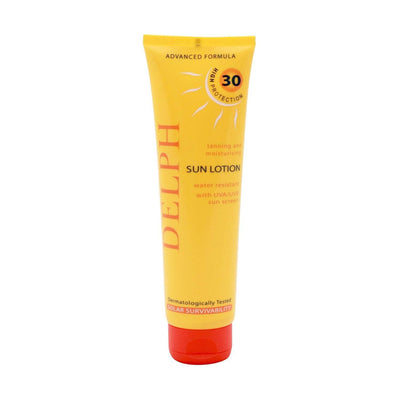
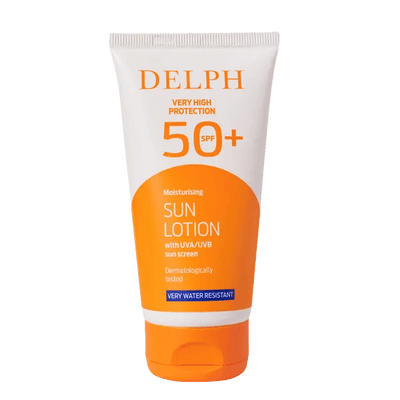
Delph
Delph Sun Lotion SPF30 150ml
Sunscreen£ 5.69UK delivery soon
Order within 2h 14m
In Stock
Authentic 30-day returns 12 viewing -
 Quick view
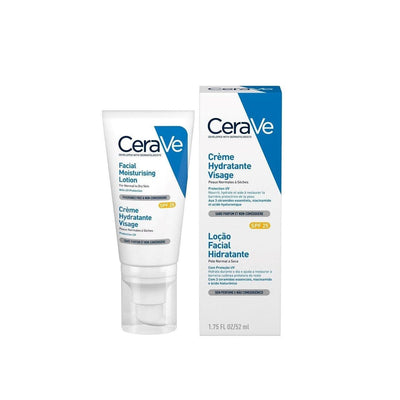
CeraVe
CeraVe Facial Moisturising Lotion SPF30 52ml
Sunscreen£ 21.35UK delivery soon
Order within 2h 14m
In Stock
Authentic 30-day returns 12 viewing -
 Quick view
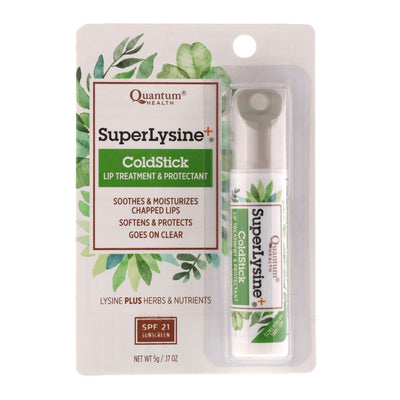
Quantum Health
Super Lysine+ ColdStick, Lip Treatment & Protectant, SPF 21, 5g - Quantum Health
Supplements£ 13.27UK delivery soon
Order within 2h 14m
Out of stock
Authentic 30-day returns 12 viewing -
 Quick view
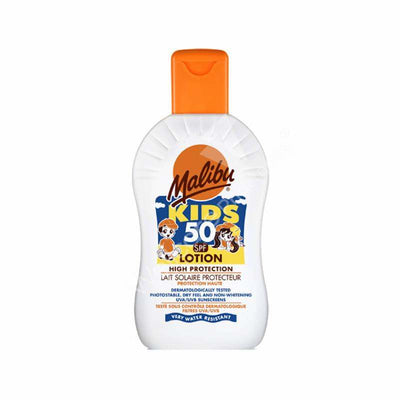
Malibu
Malibu For Kids SPF 50 200ml
£ 6.55UK delivery soon
Order within 2h 14m
In Stock
Authentic 30-day returns 12 viewing -
 Quick view
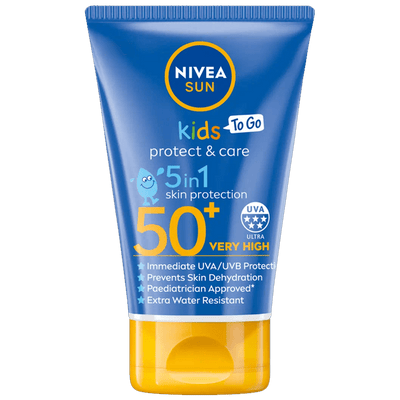
Nivea
Nivea Sun Kids Protect & Care Lotion SPF50+ UVA 5* 50ml
Medicine & Drugs£ 2.49UK delivery soon
Order within 2h 14m
Out of stock
Authentic 30-day returns 12 viewing -
 Quick view
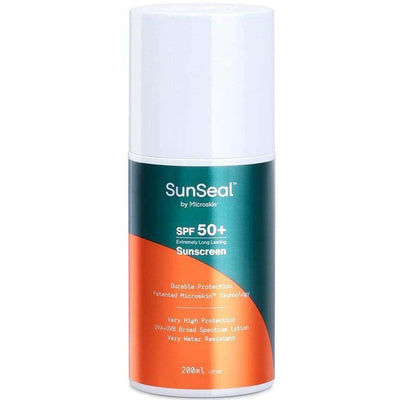
SunSeal
SunSeal Sunscreen SPF50+ Lotion Spray
Sunscreen£ 19.10UK delivery soon
Order within 2h 14m
Out of stock
Authentic 30-day returns 12 viewing -
 Quick view
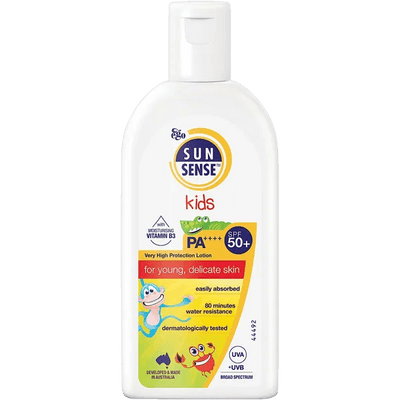
SunSense
Sunsense Kids Milk SPF50 125ml
Medicine & Drugs£ 13.10UK delivery soon
Order within 2h 14m
Out of stock
Authentic 30-day returns 12 viewing -
 Quick view
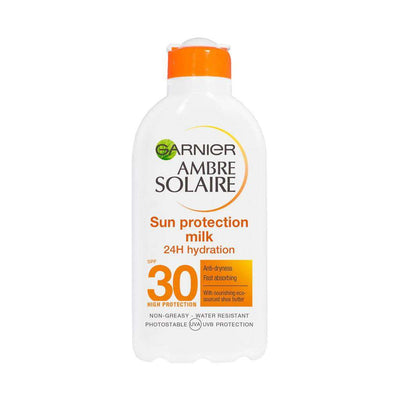
Ambre Solaire
Ambre Solaire Milk SPF15
Sunscreen£ 12.50UK delivery soon
Order within 2h 14m
In Stock
Authentic 30-day returns 12 viewing -
 Quick view
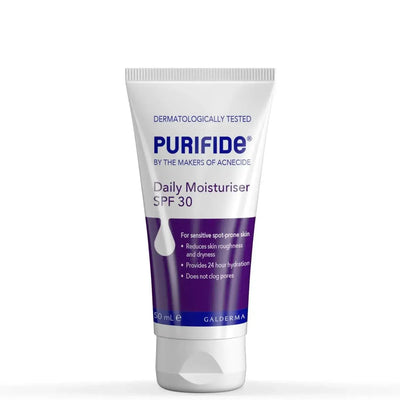
Acnecide
Acnecide Daily Moist SPF30
Acne Treatments & Kits£ 14.50UK delivery soon
Order within 2h 14m
In Stock
Authentic 30-day returns 12 viewing -
 Quick view
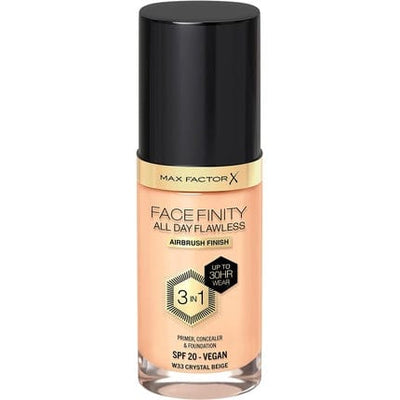
Max Factor
Max Factor Facefinity 3-in-1 All Day Flawless Foundation SPF 20 Crystal Beige 200g
Health & Beauty£ 8.18UK delivery soon
Order within 2h 14m
In Stock
Authentic 30-day returns 12 viewing -
 Quick view
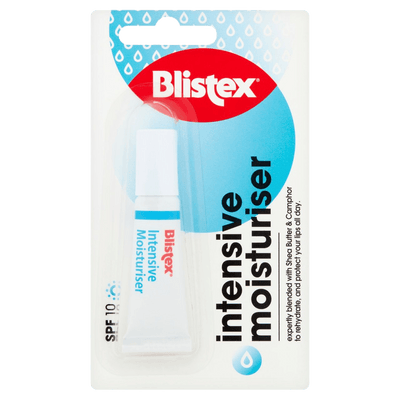
Blistex
Blistex Intensive Moisturiser SPF10 5g
Medicine & DrugsAqua£ 3.26UK delivery soon
Order within 2h 14m
In Stock
Authentic 30-day returns 12 viewing -
 Quick view
Delph
Delph Sun Lotion SPF50 150ml
Medicine & Drugs£ 9.99UK delivery soon
Order within 2h 14m
In Stock
Authentic 30-day returns 12 viewing -
 Quick view
Pharmacy
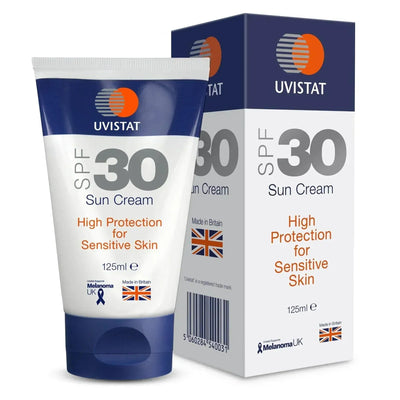
Uvistat Sun Cream SPF30 125ml
Sunscreen£ 18.10UK delivery soon
Order within 2h 14m
In Stock
Authentic 30-day returns 12 viewing -
 Quick view
Acnecide
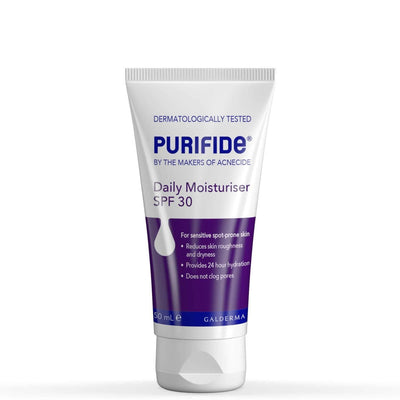
Purifide Acnecide Daily Moisturiser SPF30 50ml
Lotion & Moisturizer£ 17.56UK delivery soon
Order within 2h 14m
In Stock
Authentic 30-day returns 12 viewing -
 Quick view
Max Factor
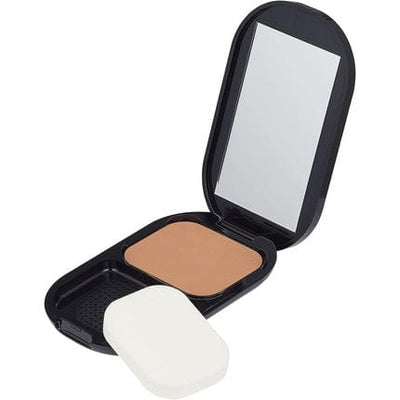
Max Factor Facefinity Compact Foundation Spf20 009 Caramel 10g
Health & Beauty£ 4.62UK delivery soon
Order within 2h 14m
Out of stock
Authentic 30-day returns 12 viewing -
 Quick view
Charlotte Tilbury
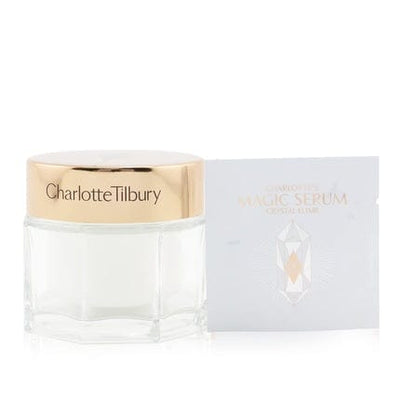
Charlotte Tilbury Magic Cream SPF15 50ml
Health & Beauty£ 81.52UK delivery soon
Order within 2h 14m
Out of stock
Authentic 30-day returns 12 viewing -
 Quick view
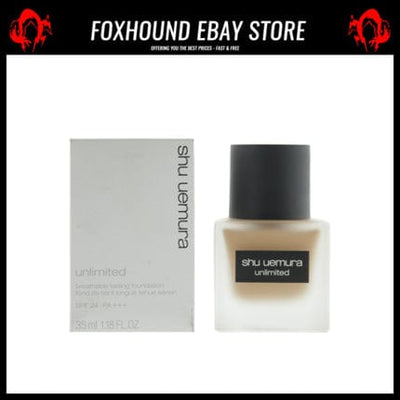
Unlimited
Shu Uemura Unlimited SPF 24/PA+++ 734 Rich Beige Foundation 35ml
Health & Beauty£ 20.22UK delivery soon
Order within 2h 14m
Out of stock
Authentic 30-day returns 12 viewing -
 Quick view
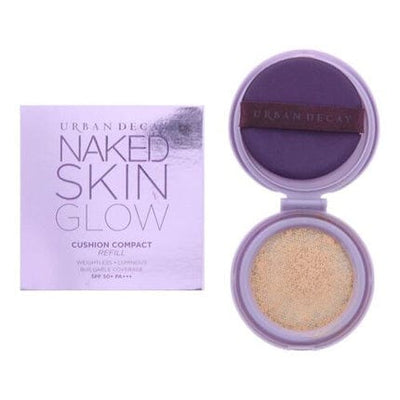
Urban Decay
Urban Decay Naked Skin SPF 50 PA Refill 3.25 Powder Foundation 13g for Women
Health & Beauty£ 14.68UK delivery soon
Order within 2h 14m
Out of stock
Authentic 30-day returns 12 viewing
Body SPF
Body SPF products are designed to protect the skin on your body from the harmful effects of sun exposure, including premature ageing, sunburn, and long-term UV damage. Unlike facial sunscreens, body SPFs are formulated for larger surface areas, easier application, and comfortable all-day wear.
They are an essential part of daily skin protection, whether you’re on holiday, commuting, exercising outdoors, or spending extended time in the sun.
What Is Body SPF?
Body SPF refers to sunscreens specifically created for use on the body, offering broad-spectrum protection against UVA and UVB rays. These products come in various formats, including lotions, sprays, gels, and milks, making them suitable for different skin types and lifestyles.
Many modern body SPFs are designed to absorb quickly and resist sweat, making them practical for everyday routines as well as active use.
Benefits and Features of Body SPF
Broad-spectrum UV protection: Helps protect against both UVA (ageing) and UVB (burning) rays.
Prevention of skin damage: Reduces the risk of sunburn, pigmentation, and photoageing.
Daily usability: Lightweight formulas allow comfortable everyday wear.
Multiple formats: Available as creams, sprays, and gels for different preferences.
Why Is Body SPF Important?
Sun exposure affects the entire body, not just the face. Areas such as arms, legs, shoulders, chest, and neck are regularly exposed and can accumulate damage even during everyday activities.
Consistent protection becomes especially important when combined with recovery-focused skincare such as Aftersun products after prolonged sun exposure.
Best Body SPF Products to Buy Online
The best body SPF depends on your skin type, activity level, and environment:
- Everyday protection: Lightweight lotions suitable for daily wear
- Travel and reapplication: Compact formats from Travel Size SPF
- Sensitive skin: Gentle formulas that work well alongside Fragrance-Free Products
How to Use Body SPF
Apply body SPF generously to all exposed skin 15–30 minutes before sun exposure. Use enough product to fully cover arms, legs, shoulders, and other exposed areas.
Reapply every two hours, or more often after swimming, sweating, or towel drying. For extended outdoor days, pairing SPF with cleansing routines using Body Washes helps maintain skin comfort.
Side Effects and Interactions
Body SPF products are generally safe for regular use, but a few considerations apply:
- Patch test if you have sensitive or reactive skin
- Avoid applying to broken or irritated skin
- Discontinue use if redness or irritation develops
What Types of Body SPF Are Available?
- Moisturising creams and lotions for daily hydration
- Sprays and mists for quick, even application
- Water-resistant formulas for swimming and sports
- Gentle options that complement Natural Bath Products routines
Most Popular Body SPF Options
Popular body SPF products combine high protection with comfortable textures that don’t feel greasy or heavy. Many people keep more than one option—one for everyday use and one for holidays or intense sun exposure.
Body SPF is often included as part of complete summer-care routines built around Everyday Essentials.
Statistics, Research, Expert Information and Quotes
Dermatology research consistently shows that regular sunscreen use significantly reduces the risk of sun-related skin damage and premature ageing. Broad-spectrum SPF is recommended year-round, not just during summer months.
For practical guidance on keeping body skin smooth and healthy alongside sun protection, this article is a helpful reference: The Best Body Scrubs for Smooth, Glowing Skin
How We Select Body SPF Products
Body SPF products are selected based on protection level, formulation quality, ease of application, and suitability for repeated daily use. Preference is given to SPFs that offer reliable broad-spectrum coverage without compromising comfort.
Trusted by Experts and Verified Quality
All body SPF products are chosen with strict quality controls, ingredient assessment, and compliance with recognised sun-protection standards.
Customer Reviews
Read verified customer feedback on our customer reviews page.
Trust and Standards
- Meet the Welzo team
- Ingredient quality and purity certifications
- Supplement quality standards and certifications
FAQs
What SPF level should I use on my body?
Most experts recommend at least SPF 30 for daily body protection.
Should I wear body SPF every day?
Yes, especially on exposed areas, even on cloudy days.
Can body SPF be used on the face?
Body SPF is formulated for the body; facial SPFs are usually better for facial skin.
How often should I reapply body SPF?
Every two hours, or after swimming or sweating.
Is body SPF safe for sensitive skin?
Many formulas are, but fragrance-free options are best for sensitivity.
Does body SPF expire?
Yes, always check the expiry date for effectiveness.
Can I apply body SPF over moisturiser?
Yes—apply moisturiser first, then SPF.
How should body SPF be stored?
Store in a cool, dry place away from direct heat and sunlight.
 Rated Excellent by 26,523+ Reviews
 100% Money Back Guarantee