
Your cart is empty
This quantity of item cannot be added to the cart
Continue shopping
Aftersun
4.8on Trustindex
browsing now
Order before 2pm for same-day dispatch
2766+ orders this week
-
 Quick view
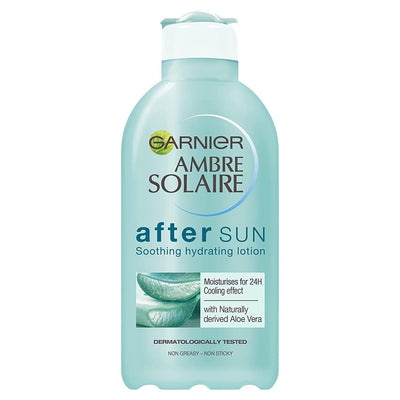
Ambre Solaire
Ambre Solaire Aftersun Lotion
Lotion & Moisturizer£ 12.00UK delivery soon
Order within 2h 14m
In Stock
Authentic 30-day returns 12 viewing -
 Quick view
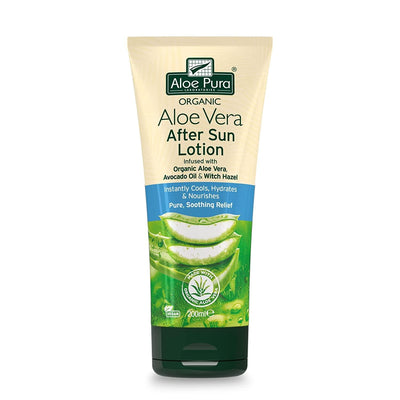
Aloe Pura
Aloe Pura Aftersun Lotion
Lotion & Moisturizer£ 6.99UK delivery soon
Order within 2h 14m
Out of stock
Authentic 30-day returns 12 viewing
Aftersun
Aftersun products are designed to calm, cool and rehydrate skin after sun exposure. Whether your skin feels warm, tight, dry or simply over-exposed, the right after sun care helps restore comfort, supports the skin barrier and reduces that “post-sun” sensitivity.
This collection brings together post-sun gels, lotions, creams and sprays that focus on hydration and soothing support. Think lightweight cooling textures for immediate relief, plus richer replenishing options for skin that needs extra recovery overnight.
What is Aftersun?
Aftersun refers to skincare formulated specifically for use after UV exposure. Unlike standard moisturisers, after sun products typically prioritise fast comfort (cooling and calming) and deep rehydration to offset moisture loss from heat, wind, salt water or chlorine. If your skin is easily reactive, choosing gentler formulas can help support comfort alongside your routine for sensitive skin skincare.
Benefits and Features of the Aftersun Collection
Aftersun is most effective when it combines immediate soothing with longer-term hydration and barrier support. Many people notice the biggest difference in comfort when after sun care is used consistently for 24–48 hours after heavy sun exposure.
- Cooling comfort: helps reduce the “heat” feeling after sun exposure and supports calmer-feeling skin.
- Rapid hydration: replenishes moisture to reduce tightness and dryness, especially for dehydrated skin care.
- Barrier support: improves skin comfort after UV stress, helping skin feel less sensitive over time.
- Layering friendly: works well alongside daily sun care routines so your skin stays protected the next day.
Why is Aftersun Important?
Sun exposure can leave skin depleted and more prone to irritation. Aftersun helps bring skin back to baseline by restoring hydration and supporting the protective barrier. It also encourages better consistency with sun habits—when skin feels comfortable, it’s easier to stick to daily protection and reapplication. For ongoing daytime protection, build a routine around Body SPF.
Best Products in Aftersun
The “best” aftersun option depends on how your skin feels after exposure:
- Cooling gels for immediate relief when skin feels hot or flushed—ideal after beach days or outdoor sports.
- Hydrating lotions for all-over replenishment on arms, legs and shoulders.
- Richer creams for areas that feel rough or tight, especially after multiple days in strong sun.
If you prefer calming, plant-leaning care, explore formulas commonly paired with Aloe Vera Skincare routines.
How to Use Aftersun
Aftersun works best when applied early and repeated as needed. A simple routine:
- Cleanse gently (avoid very hot water if skin feels warm).
- Apply a generous layer of aftersun to exposed areas.
- Reapply later in the day and again before bed if skin still feels dry or warm.
On holiday or when you’re outdoors all day, pairing aftersun with easy reapplication options like Travel Size SPF can make your routine more consistent.
Side Effects or Interactions of Aftersun
Aftersun is typically well tolerated, but any skincare can irritate if your skin barrier is compromised. If you are prone to sensitivity, avoid heavily fragranced formulas and patch test first. If your skin feels irritated, switch to simpler soothing care—some people prefer gel textures similar to skin soothing gel formats for comfort.
If you have blistering, severe pain, fever, or extensive peeling, seek medical advice promptly.
Different Types of Aftersun Available
Aftersun products come in formats designed for different preferences and needs:
- Gels: lightweight, cooling, fast-absorbing—great in humid climates.
- Lotions & milks: balanced hydration for full-body use.
- Sprays: quick application for hard-to-reach areas.
- After sun + skincare hybrids: barrier-supporting options that pair well with broader sunscreen skincare routines.
Most Popular Aftersun Products
Many customers gravitate toward cooling gels for immediate relief, then switch to richer lotions at night for deeper hydration. If you’re looking for a simple “day after” routine, many people protect skin the next morning using a higher protection level like Body SPF 50, then continue aftersun in the evening.
Statistics, Research, Expert Information and Quotes
Skincare experts commonly recommend treating post-sun skin as “stressed skin”: prioritise hydration, reduce friction, avoid harsh exfoliation for a few days, and support the barrier. Ingredients that are often favoured for post-sun comfort include humectants (to bind water), emollients (to soften), and calming agents that reduce the sensation of tightness.
How Welzo Selects the Aftersun Collection
Our Aftersun range is chosen for comfort-first performance, texture variety and suitability across different skin types. We look for formulas that:
- Feel soothing quickly without heavy residue
- Support hydration across multiple applications
- Work well in a routine that includes daily sun protection
- Offer options for sensitive or reactive skin
Trusted by Experts and Verified Aftersun Quality
We prioritise reputable brands and product lines with clear usage guidance and consistent customer feedback. Our goal is to make it easy to find after sun care that fits your lifestyle—whether you’re travelling, working outdoors, or maintaining daily sun habits with Face SPF 30.
Aftersun Customer Reviews
To see what customers say about our service and shopping experience, visit our reviews page: Welzo Reviews.
Internal Trust Pages
- Welzo Staff
- Ingredient Quality & Purity Certifications
- Supplement Quality Standards & Certifications
Expert Guidance for Smarter Sun Routines
Aftersun is one part of the bigger picture: understanding UV exposure helps you protect skin more effectively and recover better. If you want a practical read on everyday sun exposure scenarios, visit: Can You Tan Through a Window?
Related Collections to Browse
FAQs
What is aftersun used for?
Aftersun is used to soothe, cool and hydrate skin after sun exposure, helping reduce tightness and discomfort and supporting recovery.
When should I apply aftersun?
Apply aftersun as soon as possible after sun exposure—ideally after a gentle shower—then reapply later and before bed if skin still feels dry.
Can aftersun help with redness?
Aftersun is commonly used to calm the feeling of warmth and reduce visible redness by improving hydration and comfort, though results vary by skin type and exposure level.
Can I use aftersun on my face?
Many aftersun products are suitable for the face, but facial skin can be more sensitive—choose lighter textures and patch test if you’re prone to reactions.
Does aftersun prevent peeling?
Aftersun can support hydration and comfort, which may reduce dryness, but it cannot guarantee prevention of peeling after heavy UV exposure.
How often should I reapply aftersun?
Reapply as needed—often 1–3 times in the first 24 hours after heavy sun exposure, especially if skin feels tight or dry.
Is aftersun the same as moisturiser?
Not exactly. Aftersun is typically formulated for post-UV comfort (cooling + replenishing). A standard moisturiser focuses more generally on hydration and barrier support.
Should I stop using active skincare ingredients after sun exposure?
After significant sun exposure, many people pause strong actives (like harsh exfoliants) for a few days and focus on gentle hydration and barrier support.
 Rated Excellent by 28,951+ Reviews
 100% Money Back Guarantee