
Your cart is empty
This quantity of item cannot be added to the cart
Continue shopping
Dehydrated Skin Care
4.8on Trustindex
browsing now
Order before 2pm for same-day dispatch
2766+ orders this week
-
 Quick view
Dr Dennis Gross
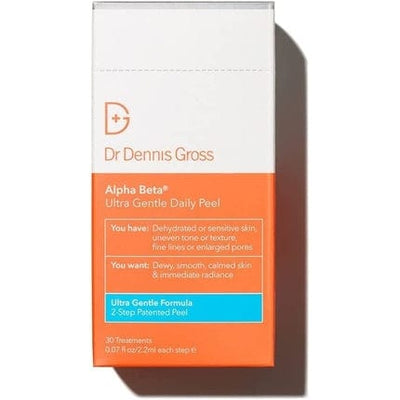
Dr. Dennis Gross Alpha Beta Ultra Gentle Daily Peel for Dehydrated or Sensitive Skin 30 Treatments
Health & Beauty£ 86.32UK delivery soon
Order within 2h 14m
Out of stock
Authentic 30-day returns 12 viewing
Dehydrated Skin Care
Dehydrated skin care focuses on restoring water content in the skin so it feels comfortable, looks brighter, and maintains a smoother, more resilient surface. When skin becomes dehydrated, it can feel tight, look dull, and show rough or uneven texture — and this can happen to any skin type, including oily and combination skin.
The goal is simple: add hydration, reduce moisture loss, and support the skin barrier so your routine delivers lasting softness and a healthier-looking glow. If you’re looking to buy dehydrated skin care online, the right combination of gentle cleansing, hydrating layers, and daily protection can make a noticeable difference.
What is Dehydrated Skin Care?
Dehydrated skin care refers to products and routines designed to address a lack of water in the skin. It’s different from dry skin: dry skin is a skin type that lacks oil, while dehydrated skin is a condition where the skin lacks water. Dehydration is often linked to environmental stress, over-cleansing, harsh exfoliation, hot water, low humidity, and inconsistent moisturising.
Effective dehydrated skin care typically uses humectants (to attract water), emollients (to smooth and soften), and barrier-supporting ingredients (to reduce moisture loss), layered in a way that keeps hydration in the skin for longer.
Benefits and Features of the Welzo Dehydrated Skin Care Collection
Dehydrated skin routines work best when they’re consistent and barrier-friendly. Many customers start by switching to a non-stripping cleanser from Cleansing Face Washes to avoid that “tight after washing” feeling and create a better base for hydrating steps.
- Helps skin feel more comfortable by replenishing water content and reducing tightness.
- Supports a smoother look and feel by improving surface texture linked to dehydration.
- Layers well with lightweight hydrators and treatment steps such as Face Serums that deliver concentrated hydration.
- Works especially well when paired with water-binding ingredients found in Hyaluronic Acid products.
Why is Dehydrated Skin Care Important?
When the skin barrier is under-hydrated, it can become more reactive, less elastic, and more prone to looking dull or uneven. Supporting hydration helps the skin perform its protective role more effectively, which can reduce the cycle of sensitivity, tightness, and flaky-looking patches.
Dehydration can also make active ingredients feel “stronger” than intended, so restoring hydration first often makes the entire routine easier to tolerate. If you want a simple daily anchor step, reliable moisturising is key — many people pair hydrating layers with a daily cream from Moisturisers to help keep water in the skin.
Best Products in Dehydrated Skin Care
The best dehydrated skin care products usually fall into a few practical categories: gentle cleansers, hydrating serums, barrier-supporting moisturisers, and protective day products. If your skin feels dry by midday, adding daytime protection that also hydrates can help — options in SPF Moisturiser Skincare are often chosen to keep skin comfortable while supporting daily UV protection.
For those using stronger actives or spending significant time outdoors, higher daily protection can also support barrier comfort. Many routines include a dedicated daily sunscreen like Face SPF 50+ to reduce dryness and sensitivity linked to UV exposure.
How to Use Dehydrated Skin Care?
- Cleanse gently: Use lukewarm water and avoid harsh, foaming cleansers if you feel tight after washing.
- Hydrate in layers: Apply hydrating steps onto slightly damp skin to improve water retention.
- Seal with moisturiser: Finish with a moisturiser to reduce moisture loss and support the skin barrier.
- Protect in the morning: Use SPF daily to reduce environmental stress that can worsen dehydration.
- Adjust by season: In colder or drier months, increase moisturising and reduce overly drying steps.
Are there any side effects or interactions of Dehydrated Skin Care?
Dehydrated skin care is generally well tolerated, but reactions can still happen if formulas contain irritants for your skin (such as strong fragrance) or if too many active products are layered together. If your skin is reactive, simplify the routine and prioritise barrier support using gentler options from Sensitive Skin Skincare.
Over-exfoliation is a common trigger for dehydration-like symptoms. If stinging or redness appears, reduce exfoliating steps and focus on hydration and barrier recovery until skin feels stable again.
What Are the Different Types of Dehydrated Skin Care Available?
- Hydrating cleansers: Designed to cleanse without stripping the skin.
- Humectant serums: Water-binding formulas that boost hydration (often with hyaluronic acid or glycerin).
- Barrier creams: Moisturisers that help reduce transepidermal water loss and improve comfort.
- Hydrating masks: Weekly “top-up” treatments to quickly restore comfort and softness.
What Are the Most Popular Dehydrated Skin Care Products Available?
Popular dehydrated skin care choices tend to be simple, consistent staples rather than overly complicated routines. Many people choose a gentle cleanser, a hydrating serum, a daily moisturiser, and a reliable SPF. If your skin feels stressed or easily flushed, adding a weekly comfort step can help — some customers like using a soothing mask from Calming Face Masks to support hydration and reduce that “tight and uncomfortable” feeling.
If you’re building full-body hydration habits as well (especially in winter), coordinating face routines with dependable sun protection and exposure habits can matter too — some people match facial SPF routines with consistent body protection from Body SPF on high-exposure days.
Statistics, Research, Expert Information and Quotes
From a routine design perspective, dehydrated skin responds best to: gentle cleansing, regular moisturising, and consistent daily protection. Dermatology guidance commonly emphasises that supporting the skin barrier and maintaining hydration helps reduce the look of roughness and improves overall skin feel, especially when dryness or dehydration is triggered by environmental stress or over-cleansing.
For deeper reading on hydration-focused ingredients and how experts evaluate hydrating serums, you can use this Welzo blog guide at the end of your research step: 15 Best Hyaluronic Acid Serums of 2025.
How we select our Dehydrated Skin Care Collection on Welzo
We prioritise products that support hydration without unnecessary harshness, with a focus on routine compatibility (how products layer), ingredient quality, and customer feedback on comfort and skin feel over time. Where possible, we favour formulas that suit a range of skin types, including oily-but-dehydrated skin, combination skin, and sensitivity-prone routines.
Trusted by Experts and Verified Dehydrated Skin Care Quality on Welzo
We take quality seriously, especially for categories that support barrier function and daily skin comfort. You can learn more about the people behind our clinical and content oversight on Welzo Staff, and review how we approach standards and verification through Ingredient Quality, Purity & Certifications and Supplement Quality Standards & Certifications.
Customer Reviews
To read verified customer feedback across skincare and wellness shopping experiences, visit Welzo Reviews.
FAQs
What is the difference between dry skin and dehydrated skin?
Dry skin is a skin type that lacks oil, while dehydrated skin is a condition where skin lacks water. You can have oily skin and still be dehydrated.
Can oily skin be dehydrated?
Yes. Oily skin can still feel tight or look dull if it lacks water, especially after over-cleansing or using drying products.
What are common signs of dehydrated skin?
Tightness, dullness, rough texture, makeup sitting unevenly, and skin feeling “dry” even when it produces oil can all be signs.
How often should I moisturise dehydrated skin?
Most people moisturise twice daily (morning and night). Very dehydrated skin may benefit from an additional light layer when needed.
Should I use a hydrating serum before moisturiser?
Yes. A hydrating serum is typically applied before moisturiser so the moisturiser can help seal that hydration into the skin.
Can dehydrated skin make active ingredients feel irritating?
It can. When the skin barrier is stressed, actives may sting more. Restoring hydration and barrier support often improves tolerance.
Do I still need SPF if my skin is dehydrated?
Yes. Daily SPF helps reduce environmental stress and supports long-term barrier health, which is important for maintaining hydration.
How quickly can dehydrated skin improve?
Some people notice comfort improvements within days, but consistent barrier support typically shows better texture and resilience over several weeks.
What should I avoid if my skin is dehydrated?
Very hot water, harsh cleansers, excessive exfoliation, and over-layering strong actives can worsen dehydration for many people.
Can I buy dehydrated skin care online?
Yes — you can purchase dehydrated skin care online and build a routine around gentle cleansing, hydration layers, moisturising, and daily protection.
 Rated Excellent by 28,951+ Reviews
 100% Money Back Guarantee