



Your cart is empty
This quantity of item cannot be added to the cart
Continue shopping
Hydrating Face Masks
4.8on Trustindex
browsing now
Order before 2pm for same-day dispatch
2766+ orders this week
-
 Quick view
welzo-3
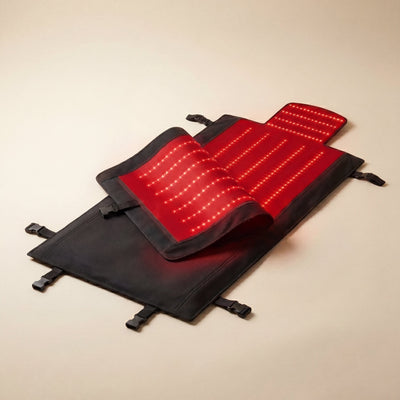
Welzo Lumina Red Light Therapy Biohacker Set – Full-Body Red Light Blanket, Face Mask & Precision Wand
£ 169.99UK delivery soon
Order within 2h 14m
In Stock
Authentic 30-day returns 12 viewing -
 Quick view
welzo-3
Welzo Skin Radiance Routine Skin LED Red Light Therapy Face Mask, Pure Bovine Collagen Peptides Powder - Welzo Ultra, Red Light Therapy Mask for Neck & Chest
£ 143.99UK delivery soon
Order within 2h 14m
In Stock
Authentic 30-day returns 12 viewing -
 Quick view
welzo-3
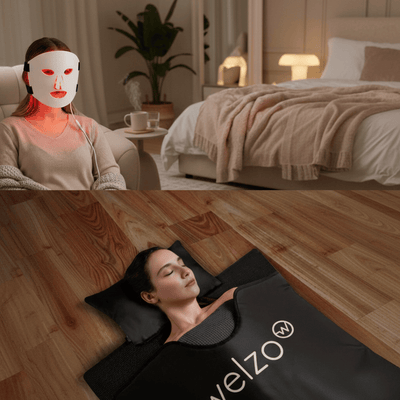
Welzo Face Mask and Sauna Relaxation Routine
£ 237.99UK delivery soon
Order within 2h 14m
In Stock
Authentic 30-day returns 12 viewing -
 Quick view
welzo-3
Welzo Red Light Face Mask and ThermoPod Portable Sauna Bundle
£ 476.99UK delivery soon
Order within 2h 14m
In Stock
Authentic 30-day returns 12 viewing -
 Quick view
welzo
Welzo Red Light Face Mask and Collagen Routine
£ 143.99UK delivery soon
Order within 2h 14m
In Stock
Authentic 30-day returns 12 viewing -
 Quick view
Shiseido
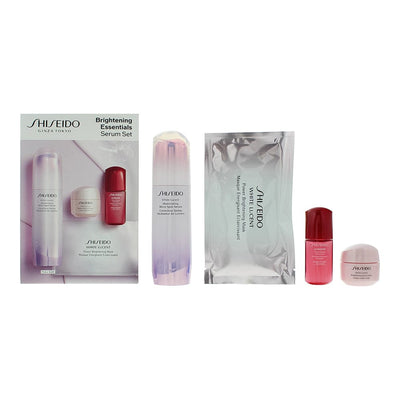
Shiseido Brightening Essentials 4 Piece Gift Set: Serum 50ml - Gel Cream 15ml - Power Infusing Concentrate 10ml - Face Mask 1pc
Health & Beauty£ 79.09UK delivery soon
Order within 2h 14m
In Stock
Authentic 30-day returns 12 viewing -
 Quick view
Erno Laszlo
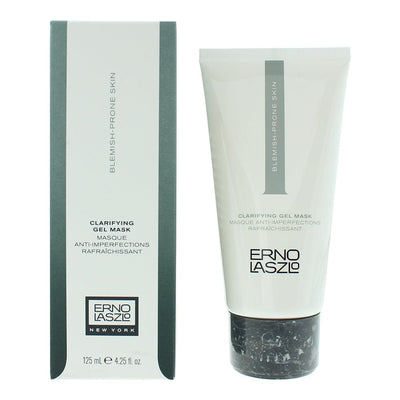
Erno Laszlo Clarifying Gel Mask 125ml
Health & Beauty£ 63.12UK delivery soon
Order within 2h 14m
In Stock
Authentic 30-day returns 12 viewing -
 Quick view
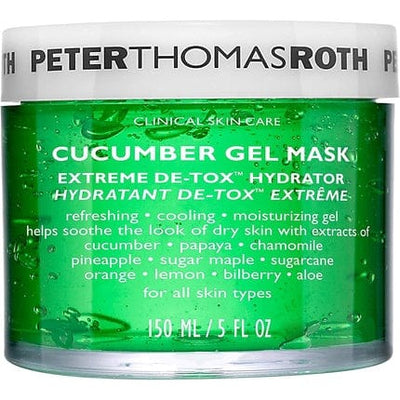
Peter Thomas Roth
Cucumber Gel Mask Extreme De-Tox Hydrator Cooling and Hydrating Facial Mask 150ml
Health & Beauty£ 52.56UK delivery soon
Order within 2h 14m
In Stock
Authentic 30-day returns 12 viewing -
 Quick view
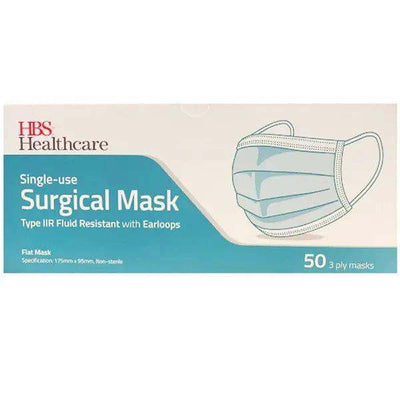
Generic Brand
Surgical 3-Ply Disposable Type IIR Medical Face Mask with Ear Loop Pack of 50
Health Care£ 3.58UK delivery soon
Order within 2h 14m
Out of stock
Authentic 30-day returns 12 viewing -
 Quick view
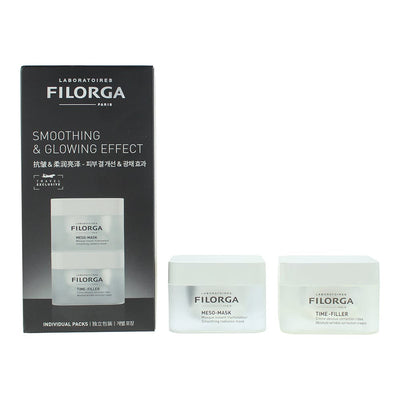
Filorga
Filorga Smoothing & Glowing Effect 2 Piece Gift Set: Cream 50ml - Face Mask 50ml
Health & Beauty£ 14.68UK delivery soon
Order within 2h 14m
Out of stock
Authentic 30-day returns 12 viewing -
 Quick view
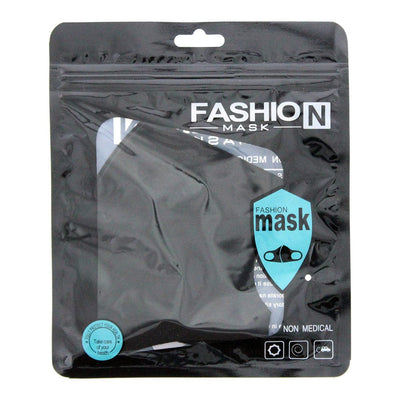
Unbranded
Reusable Face Mask Black
Health & Beauty£ 1.74UK delivery soon
Order within 2h 14m
Out of stock
Authentic 30-day returns 12 viewing -
 Quick view
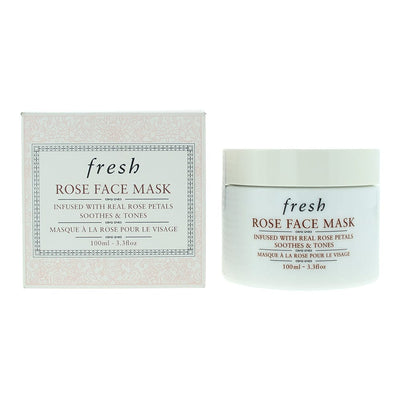
Fresh
Fresh Rose Face Mask Infused with Real Rose Petals Soothes and Tones 100ml
Health & Beauty£ 32.49UK delivery soon
Order within 2h 14m
Out of stock
Authentic 30-day returns 12 viewing -
 Quick view
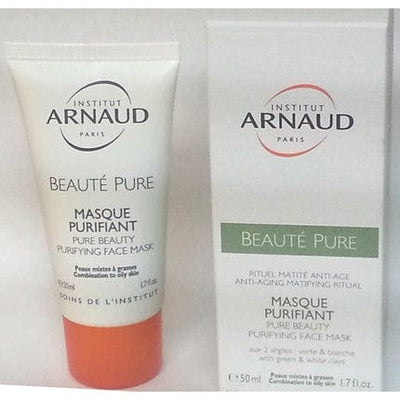
Institut Arnaud
Institut Arnaud Pure Beauty Purifying Face Mask
Health & Beauty£ 5.45UK delivery soon
Order within 2h 14m
Out of stock
Authentic 30-day returns 12 viewing -
 Quick view
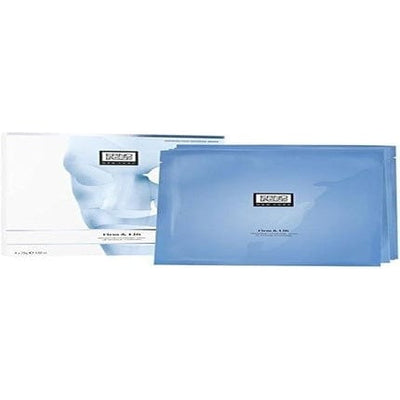
Erno Laszlo
ERNO LASZLO Firmarine Hydrogel Mask 25g
Health & Beauty£ 25.63UK delivery soon
Order within 2h 14m
Out of stock
Authentic 30-day returns 12 viewing -
 Quick view
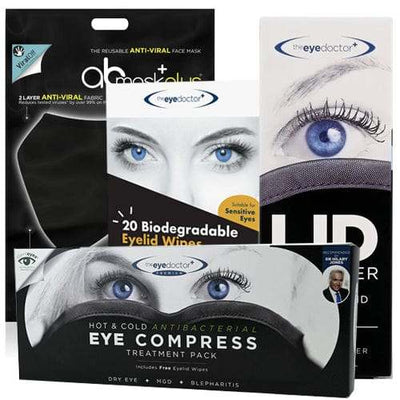
The Body Doctor
The Body Doctor Face Mask & Dry Eye Bundle
Medicine & Drugs£ 48.93UK delivery soon
Order within 2h 14m
Out of stock
Authentic 30-day returns 12 viewing
Hydrating Face Masks
Hydrating face masks are intensive skincare treatments designed to replenish moisture, relieve tightness, and restore a comfortable, healthy-looking glow. When skin feels dry, dull, or “pulled,” it’s often a sign that the moisture barrier needs support and water-binding ingredients need topping up.
Unlike everyday moisturisers, hydrating masks are made to sit on the skin for longer, creating a sustained contact time that helps deliver humectants, emollients, and soothing compounds where they are needed most. Used weekly (or whenever skin looks depleted), they can help skin appear smoother, bouncier, and more radiant.
What Are Hydrating Face Masks?
Hydrating face masks are formulations created to increase water content in the outer layers of skin and reduce moisture loss. They commonly rely on humectants (to attract water), emollients (to soften and smooth), and occlusives (to help reduce transepidermal water loss). Many routines start with a gentle cleanse to remove surface buildup before applying a hydrating mask for maximum comfort and absorption — especially when paired with a suitable cleansing face wash.
Benefits and Features of Hydrating Face Masks
- Immediate comfort for dryness: Helps reduce the feeling of tightness and flakiness by restoring moisture.
- Plumper-looking skin: Well-hydrated skin typically looks smoother and more even in texture.
- Barrier-supporting feel: Many masks include ceramides, panthenol, squalane, or soothing botanicals to support the skin barrier.
- Glow-boosting routine step: Hydration can improve how light reflects off skin, giving a fresher appearance.
- Works across skin types: Dehydration can happen to oily and combination skin too — hydration is about water, not oil.
Why Are Hydrating Face Masks Important?
Skin can become dehydrated for many reasons: indoor heating, cold weather, over-cleansing, travel, sun exposure, and active-heavy routines. When hydration drops, skin may look dull and feel rough, and fine lines can appear more noticeable. A targeted hydrating mask can help “reset” comfort levels and support a healthier-looking skin surface.
If you’re regularly exposed to heat, wind, or strong sun, pairing hydration with recovery care can be helpful — for example, after long outdoor days, many people combine hydration-focused routines with soothing options from after sun care to keep skin feeling calm and supported.
Best Products in Hydrating Face Masks
The best hydrating face mask for you depends on your skin’s needs and the texture you enjoy. Gel masks tend to feel light and refreshing, cream masks often feel more nourishing, and overnight masks can provide longer-lasting comfort. If you prefer to browse broadly across formats and ingredients, exploring the wider face masks range is a good starting point to compare options.
For very dry or compromised-feeling skin, a richer mask followed by a barrier-supporting moisturiser can help keep skin comfortable for longer — especially when matched with a suitable product from moisturisers.
How to Use Hydrating Face Masks
- Cleanse first: Start with a gentle cleanser and pat skin dry.
- Apply evenly: Spread a thin, even layer over face (avoid eyes and lips unless the product states otherwise).
- Leave on as directed: Most hydrating masks are used for 10–20 minutes; overnight masks are left on while sleeping.
- Remove or massage in: Rinse off if required, or massage remaining essence into skin if the mask is leave-on.
- Seal with moisturiser: Finish with a moisturiser to help keep hydration in place.
Are There Any Side Effects or Interactions of Hydrating Face Masks?
Hydrating masks are generally well tolerated, but irritation can occur if you’re sensitive to fragrance, essential oils, or certain preservatives. If your skin is reactive, choose gentler formulas and patch test first. Those who regularly experience sensitivity may prefer options aligned with sensitive skin skincare to reduce the chance of stinging or redness.
If you use strong actives (such as retinoids or exfoliating acids), consider using a hydrating mask on “recovery nights” to balance comfort and reduce dryness.
What Are the Different Types of Hydrating Face Masks Available?
- Gel masks: Lightweight, cooling textures that feel refreshing and comfortable.
- Cream masks: Richer formulas designed for dryness and a nourished feel.
- Overnight masks: Leave-on products that provide extended hydration while you sleep.
- Wash-off masks: Traditional masks that rinse clean after the recommended time.
- Hydrating sheet masks: Serum-soaked masks designed to deliver a concentrated moisture boost.
What Are the Most Popular Hydrating Face Mask Products Available?
Popular hydrating masks typically focus on proven hydrators (like hyaluronic acid and glycerin), barrier helpers (like ceramides and panthenol), and soothing ingredients (like aloe or oat). Many routines pair hydrating masks with lightweight layering steps, such as hydrating or calming serums from face serums, followed by moisturiser for longer-lasting comfort.
Statistics, Research, Expert Information and Quotes on Hydrating Face Masks
From a skincare science perspective, hydration-focused routines commonly rely on humectants that bind water at the skin surface and support a smoother-looking complexion. Ingredients like hyaluronic acid are frequently discussed in clinical and dermatology-led skincare guidance because of their ability to attract and hold water, improving the appearance of dryness-related texture.
For a deeper dive into hydration-first ingredients (and why they’re so widely used in modern skincare), you can read this Welzo article at the end of your research: 15 Best Hyaluronic Acid Serums of 2025.
How We Select Hydrating Face Masks
Hydrating face masks are selected based on formulation quality, ingredient balance (hydration + comfort + barrier support), texture usability, and suitability across different skin types. Preference is given to products that provide noticeable comfort without leaving a heavy residue, alongside consistent customer feedback and trusted brand standards.
We also consider how well masks integrate into a complete routine, including compatibility with broader skincare steps such as cleansing, moisturising, and recovery care.
Trusted by Experts and Verified Hydrating Face Mask Quality
Quality is assessed with a focus on ingredient integrity, user experience, and reliable sourcing. Hydrating masks should deliver comfort without unnecessary irritation and should support consistent routine use, especially for those managing seasonal dryness or dehydration from lifestyle factors.
Hydrating Face Mask Reviews
To see what customers say about hydration-focused skincare and related products, visit Welzo Reviews.
Internal Trust Pages
- Welzo Staff
- Ingredient Quality & Purity Certifications
- Supplement Quality Standards & Certifications
FAQs
What is the difference between dry skin and dehydrated skin?
Dry skin typically lacks oil (lipids), while dehydrated skin lacks water. You can be oily and still dehydrated, which is why hydration-focused masks can help many skin types.
How often should I use a hydrating face mask?
Most people use a hydrating mask 1–3 times per week. If your skin is very dehydrated, you may use it more frequently as tolerated, following label directions.
Can I use a hydrating face mask if I have oily or acne-prone skin?
Yes. Look for lightweight gel or water-based masks and avoid overly heavy textures if you’re prone to congestion.
Should I apply a hydrating mask before or after my serum?
In most routines, masks go after cleansing and before moisturiser. If you use a serum, you can apply it after the mask (unless the mask is an overnight/leave-on formula).
Do I need to wash off a hydrating face mask?
It depends on the product. Wash-off masks should be rinsed, while sheet masks and many overnight masks are designed to leave a residue that you massage into skin.
What ingredients should I look for in a hydrating face mask?
Common hydration-friendly ingredients include hyaluronic acid, glycerin, panthenol, ceramides, and soothing botanicals such as aloe or oat.
Can hydrating masks help with flaky makeup or rough texture?
They can help improve the look of dryness-related texture by boosting moisture and comfort, which often helps makeup sit more smoothly.
What should I do if a hydrating mask stings?
Rinse it off and stop using it. Stinging can be a sign of sensitivity, barrier disruption, or fragrance intolerance. Patch test future products and opt for gentler formulas.
 Rated Excellent by 28,951+ Reviews
 100% Money Back Guarantee