
Your cart is empty
This quantity of item cannot be added to the cart
Continue shopping
Calming Face Masks
4.8on Trustindex
browsing now
Order before 2pm for same-day dispatch
2766+ orders this week
-
 Quick view
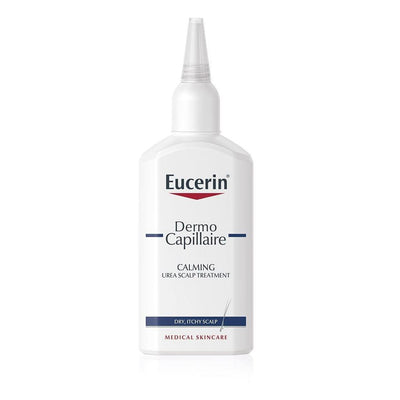
Eucerin
Eucerin DermoCapillaire Calming Urea Scalp Treatment 100ml
Hair Care£ 16.80UK delivery soon
Order within 2h 14m
In Stock
Authentic 30-day returns 12 viewing -
 Quick view
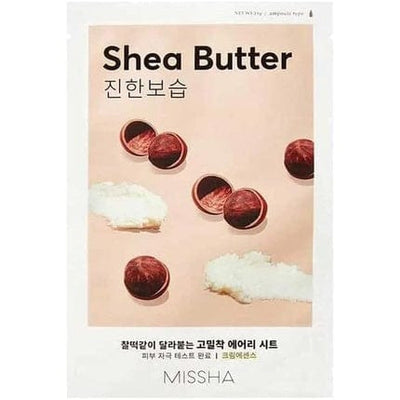
Missha
Missha Airy Fit Shea Butter Sheet Mask 19g
Health & Beauty£ 3.07UK delivery soon
Order within 2h 14m
Only 3 left
Authentic 30-day returns 12 viewing -
 Quick view
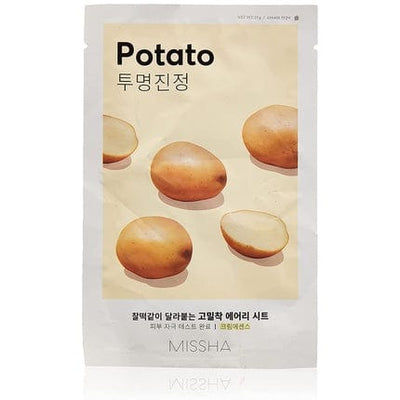
Missha
Missha Airy Fit Sheet Mask Potato 20g
Health & BeautyWATER GLYCERIN. DF'...£ 3.07UK delivery soon
Order within 2h 14m
Only 2 left
Authentic 30-day returns 12 viewing -
 Quick view
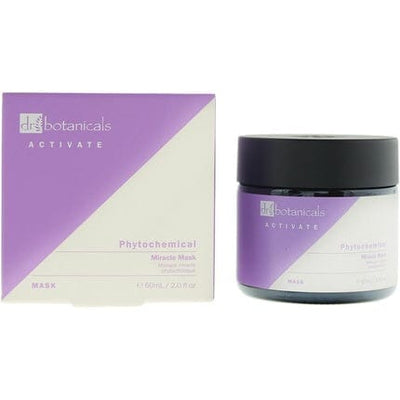
Dr Botanicals
Dr Botanicals Phytochemical Miracle Mask 60ml
Health & Beauty£ 17.96UK delivery soon
Order within 2h 14m
In Stock
Authentic 30-day returns 12 viewing -
 Quick view
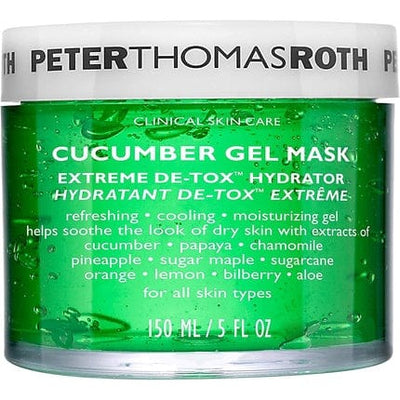
Peter Thomas Roth
Cucumber Gel Mask Extreme De-Tox Hydrator Cooling and Hydrating Facial Mask 150ml
Health & Beauty£ 52.56UK delivery soon
Order within 2h 14m
In Stock
Authentic 30-day returns 12 viewing -
 Quick view
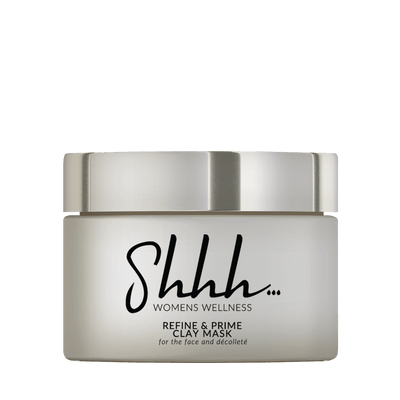
Shhh...Menopause Wellness
Refine & Prime Clay Mask - 50ml
£ 18.00UK delivery soon
Order within 2h 14m
In Stock
Authentic 30-day returns 12 viewing -
 Quick view
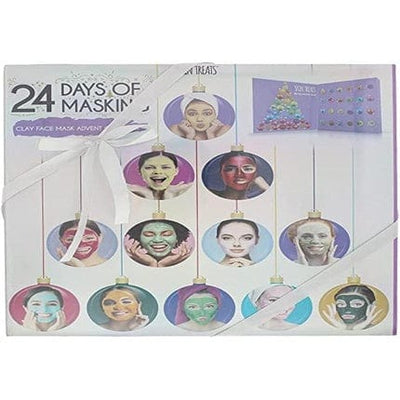
Skin Treats
Skin Treats 24 Days of Masking 24 Piece Gift Set 800g
Health & Beauty£ 4.62UK delivery soon
Order within 2h 14m
Out of stock
Authentic 30-day returns 12 viewing -
 Quick view
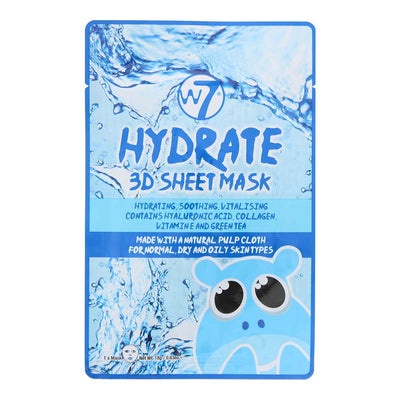
W7
W7 Hydrate 3D Sheet Mask 18g
Health & Beauty£ 2.40UK delivery soon
Order within 2h 14m
Out of stock
Authentic 30-day returns 12 viewing -
 Quick view
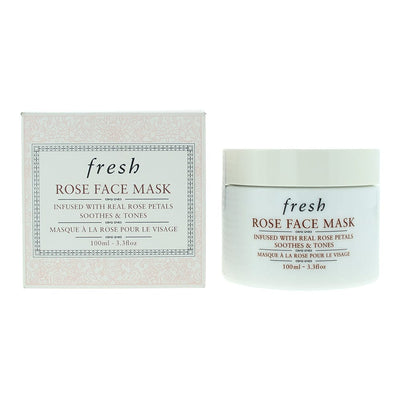
Fresh
Fresh Rose Face Mask Infused with Real Rose Petals Soothes and Tones 100ml
Health & Beauty£ 32.49UK delivery soon
Order within 2h 14m
Out of stock
Authentic 30-day returns 12 viewing -
 Quick view
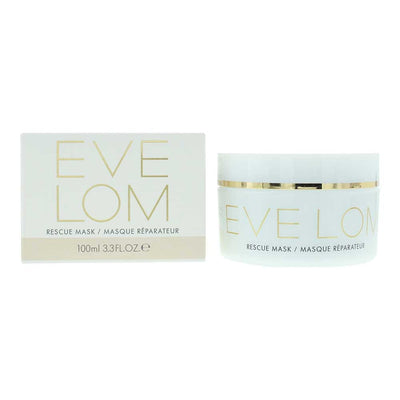
Eve Lom
Eve Lom Rescue Mask 100ml
Health & Beauty£ 56.95UK delivery soon
Order within 2h 14m
Out of stock
Authentic 30-day returns 12 viewing -
 Quick view
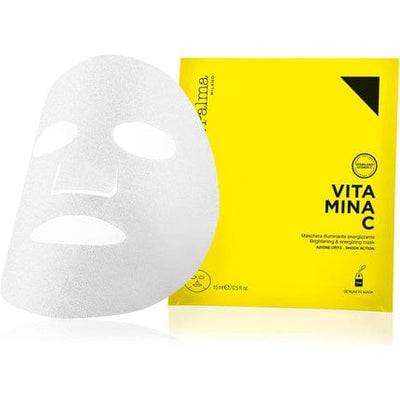
Diego Dalla Palma
Diego Dalla Palma Vitamin C Super Heroes Mask for Unisex 0.5oz
Health & Beauty£ 6.74UK delivery soon
Order within 2h 14m
Out of stock
Authentic 30-day returns 12 viewing -
 Quick view
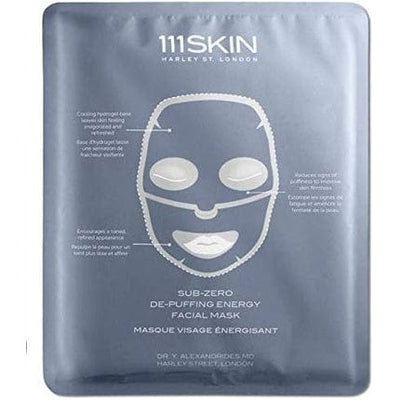
111skin
111SKIN Sub-Zero de-Puffing Energy Facial Mask 1 Mask 30ml/1.01fl.oz
Health & Beauty£ 12.83UK delivery soon
Order within 2h 14m
Out of stock
Authentic 30-day returns 12 viewing -
 Quick view
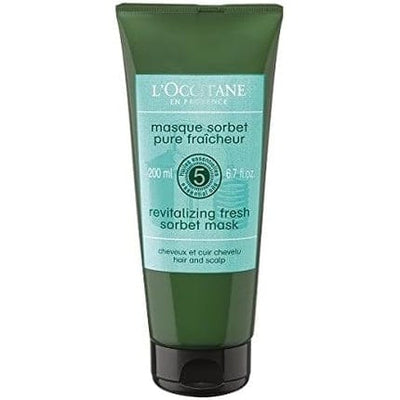
L'Occitane
L'Occitane Revitalizing Fresh Sorbet Mask 200ml
Health & Beauty£ 18.37UK delivery soon
Order within 2h 14m
Out of stock
Authentic 30-day returns 12 viewing -
 Quick view
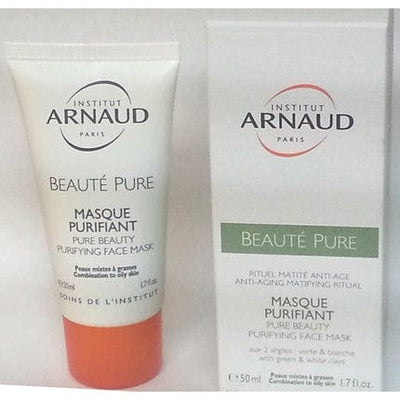
Institut Arnaud
Institut Arnaud Pure Beauty Purifying Face Mask
Health & Beauty£ 5.45UK delivery soon
Order within 2h 14m
Out of stock
Authentic 30-day returns 12 viewing -
 Quick view
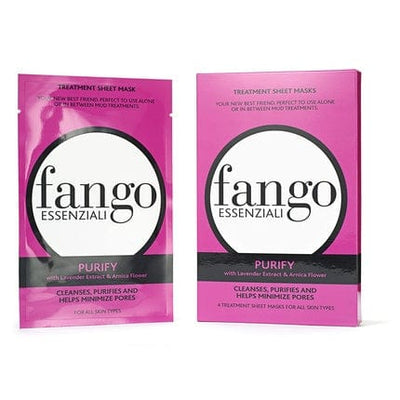
Borghese
Borghese Fango Essenziali Treatment Sheet Mask with Lavender Extract and Arnica Flower
Health & Beauty£ 12.83UK delivery soon
Order within 2h 14m
Out of stock
Authentic 30-day returns 12 viewing -
 Quick view
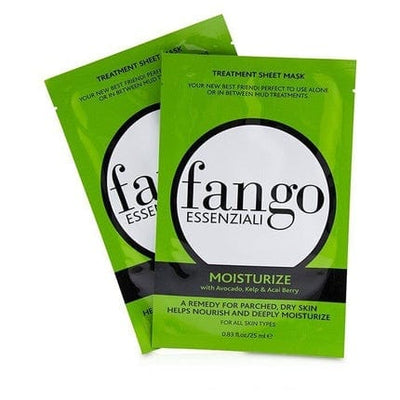
Borghese
Borghese Fango Essenziali Moisturizing Treatment Sheet Masks 25ml
Health & Beauty£ 14.68UK delivery soon
Order within 2h 14m
Out of stock
Authentic 30-day returns 12 viewing -
 Quick view
Borghese
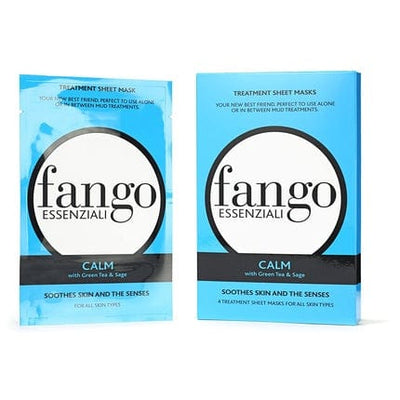
Borghese Fango Essenziali Treatment Sheet Mask Tea Green& Sage
Health & Beauty£ 12.83UK delivery soon
Order within 2h 14m
Out of stock
Authentic 30-day returns 12 viewing -
 Quick view
Peter Thomas Roth
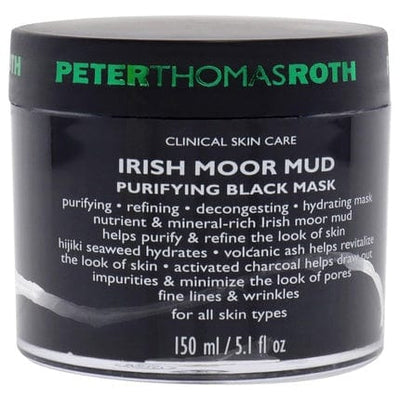
Peter Thomas Roth Unscented Mask 5 Fl Oz
Health & Beauty£ 35.12UK delivery soon
Order within 2h 14m
Out of stock
Authentic 30-day returns 12 viewing
Calming Face Masks
Calming face masks are comfort-first treatments designed to soothe the look of redness, ease tightness, and help stressed skin feel more balanced. They’re especially useful when your complexion feels reactive after weather changes, over-exfoliation, shaving, travel, or a run of long days where your barrier feels a bit “off.”
These masks typically focus on hydration, barrier support, and gentle, soothing ingredients, helping skin look calmer and feel softer after use. If your goal is relief rather than “instant intensity,” calming masks are one of the easiest upgrades to add to a weekly routine.
What is Calming Face Masks?
Calming face masks are skincare masks formulated to support sensitive, reactive, or irritated-looking skin by replenishing moisture and reducing the feeling of discomfort. They’re often built around soothing botanical extracts, barrier-supporting lipids, and hydration-focused humectants.
They can be used alongside your broader routine of cleansers, toners and treatments found in the Skincare Products collection, particularly when your skin needs a gentler reset.
Benefits and Features of the Welzo Calming Face Masks Collection
Calming masks are chosen for their ability to deliver comfort without overwhelming sensitive skin. Common benefits include:
- Soothing feel on contact: Comfort-focused textures (gel, cream, serum-soaked sheet masks) that help skin feel less tight.
- Barrier support: Hydration and emollients that help reduce the look of dryness and flaking over time.
- Redness-conscious routines: Helpful for skin that looks stressed after environmental exposure, shaving, or active-heavy routines.
- Easy to integrate: Works well after cleansing and before moisturising, without requiring a full routine overhaul.
For a gentle pre-mask cleanse that doesn’t leave skin feeling stripped, many people pair their routine with options from Facial Cleansers for Sensitive Skin.
Why is Calming Face Masks Important?
When your skin barrier is compromised, even “normal” products can suddenly sting, feel uncomfortable, or make redness more noticeable. Calming masks are important because they provide a low-effort way to support hydration and comfort—often helping skin look more even and feel less reactive.
They’re also useful as a recovery step if you’ve been using exfoliants, retinoids, strong acne treatments, or if your skin is adjusting to seasonal changes. If you’re building a routine around comfort and resilience, the Skin Soothing Products collection can be a helpful companion category to explore.
Best Products in Calming Face Masks
The “best” calming mask depends on what your skin is asking for that week. If you’re dealing with dryness and tightness, richer cream masks can feel more supportive. If you’re oily but reactive, lightweight gel or sheet masks can calm without heaviness.
If you also enjoy mask variety (purifying, brightening, hydrating and more), you can browse wider formats within Face Masks and then narrow down to comfort-focused options when your skin needs extra kindness.
How to Use Calming Face Masks?
- Cleanse gently: Wash with a non-stripping cleanser and pat skin dry.
- Apply the mask: Use an even layer (cream/gel) or apply the sheet mask smoothly to the face.
- Leave on as directed: Typically 10–20 minutes (or follow the product label).
- Remove and finish: Rinse (if required) or massage remaining serum into skin, then seal with moisturiser.
After masking, lock in the comfort with barrier-friendly hydration from Face Moisturisers.
Are there any side effects or interactions of Calming Face Masks?
Calming masks are generally designed for sensitive use, but reactions can still happen—especially if you’re sensitive to fragrance, essential oils, or certain botanicals. If your skin is highly reactive, patch testing is a smart step, and choosing simpler formulas can help.
If you’re using strong actives (like exfoliating acids or retinoids), consider using a calming mask on “rest days” rather than layering multiple potent steps on the same night. To keep your routine balanced, some people use a gentle toner after cleansing and before treatments—see Face Toners for options that suit different skin types.
What Are the Different Types of Calming Face Masks Available?
- Gel calming masks: Lightweight, cooling textures that feel especially soothing on warm or flushed skin.
- Cream masks: Richer masks that support comfort when dryness is the main issue.
- Sheet masks: Serum-soaked masks that deliver hydration quickly and evenly.
- Overnight masks: Leave-on comfort masks that support barrier recovery while you sleep.
What Are the Most Popular Calming Face Masks Products Available?
Popular calming masks tend to share a few traits: they’re hydration-forward, feel gentle during use, and leave skin looking more rested. Many routines also pair calming masks with lightweight treatment steps on non-irritating days—such as hydrating or barrier-friendly serums.
If you like adding a targeted step after masking (once skin feels comfortable), browse lightweight formulas in Face Serums to tailor your routine without overcomplicating it.
Statistics, Research, Expert Information and Quotes
From a routine-design standpoint, calming masks work well because they increase “contact time” between skin and supportive ingredients—meaning soothing, hydrating components can sit on the skin longer than they typically would in a quick-apply product. Dermatology guidance commonly emphasises barrier support, gentle cleansing, and limiting irritants when skin is reactive.
For a useful overview of mask types (including soothing and calming options) and how to choose them based on skin concerns, read: Choosing the Best Face Masks for Acne-Prone Skin.
How we select our Calming Face Masks Collection on Welzo
We focus on masks that prioritise comfort, hydration, and skin-barrier friendliness. Selection considerations typically include formula gentleness, suitability for reactive skin types, ingredient transparency, and customer feedback on how the mask feels during and after use.
Trusted by Experts and Verified Calming Face Masks Quality on Welzo
Quality matters most when skin is sensitive. Welzo’s approach to verification and trust includes transparency around sourcing, formulation standards, and clear supporting information for customers.
Learn more about the people behind the platform on Welzo Staff, and explore how standards are defined on Ingredient Quality, Purity & Certifications and Supplement Quality Standards & Certifications.
Calming Face Masks Reviews
To see what customers say about their experiences across skincare and wellness, visit Welzo Reviews.
FAQs
Which calming face mask is best for redness-prone skin?
Look for masks focused on hydration and barrier support, and avoid strong fragrance if you’re easily reactive. Gel and cream masks are often preferred for redness-prone routines.
How often should I use a calming face mask?
Most people use a calming mask 1–3 times per week, increasing frequency during colder months or when skin feels stressed.
Can I use a calming face mask after exfoliating?
Yes—many people use a calming mask after exfoliation to support comfort. If your skin feels irritated, consider reducing exfoliation frequency and focus on recovery.
Are calming face masks suitable for acne-prone skin?
Often, yes. Choose lighter textures if you’re oily or acne-prone, and avoid overly heavy formulas if you notice congestion.
Do I rinse off a calming face mask?
It depends on the mask type. Some cream masks are rinse-off, while sheet masks usually leave serum behind to be patted in. Always follow product instructions.
Should I moisturise after using a calming mask?
Yes. Moisturising after masking helps seal in hydration and supports the skin barrier for longer-lasting comfort.
Can sensitive skin use calming face masks every day?
Some gentle hydrating sheet masks or overnight masks may be suitable more frequently, but daily use isn’t necessary for most people. Start with 1–2 times weekly and adjust.
What should I avoid if my skin is reactive?
If your skin is reactive, avoid layering multiple strong actives in one routine, and be cautious with fragrance or essential oils if you know you’re sensitive.
How do I choose a calming mask for dry skin?
Richer cream masks and overnight masks can feel more supportive for dry skin, especially when dryness and tightness are your main concerns.
 Rated Excellent by 26,523+ Reviews
 100% Money Back Guarantee