
Your cart is empty
This quantity of item cannot be added to the cart
Continue shopping
Electric Scooters
4.8on Trustindex
browsing now
Order before 2pm for same-day dispatch
2766+ orders this week
-
Sale-22%
 Quick view
welzo-3
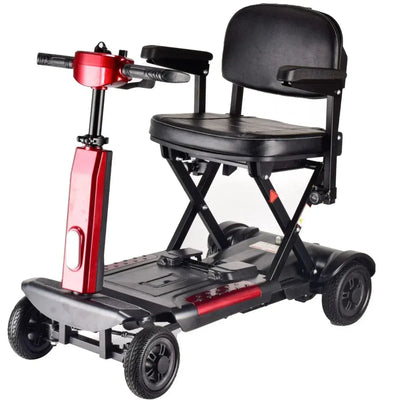
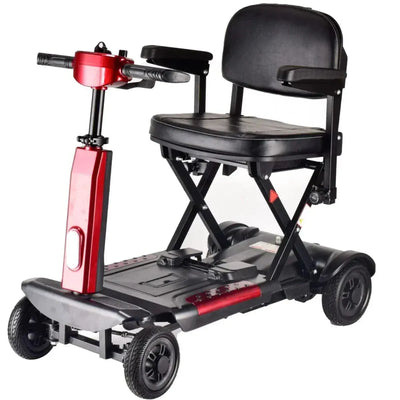
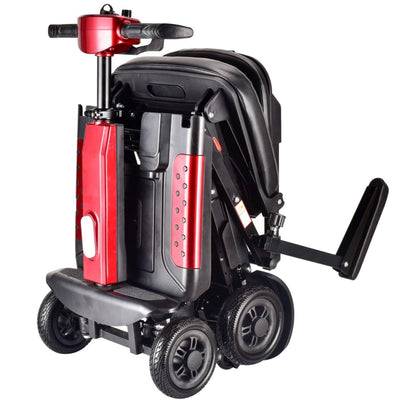
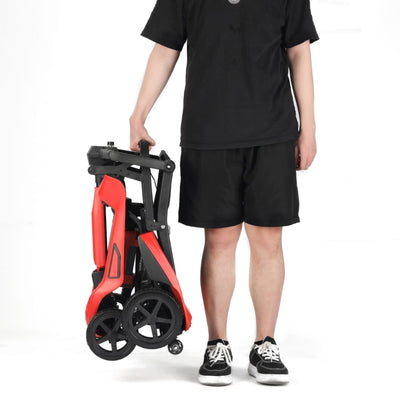
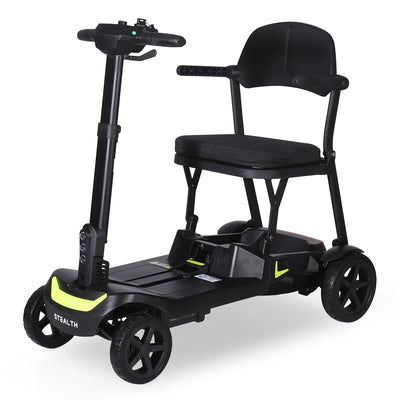
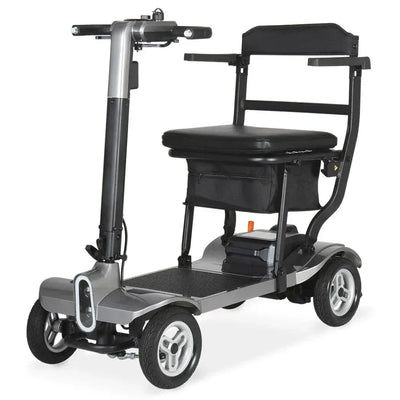
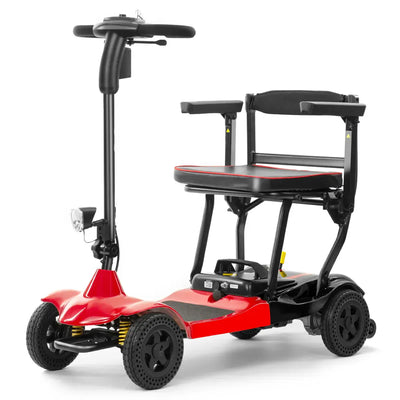
My Mobility Instant Folding Lightweight Portable Mobility Scooter
Mobility Scooter£ 699.99£899.00Lowest price in 30 days
UK delivery soon
Order within 2h 14m
In Stock
Authentic 30-day returns 12 viewing -
Sale-22%
 Quick view
welzo-3
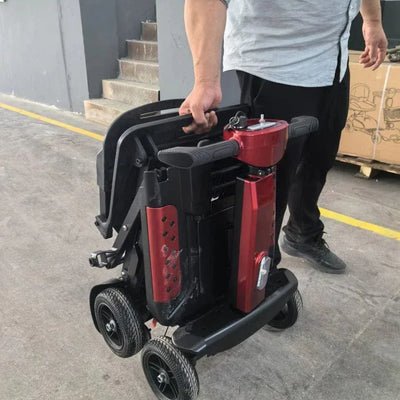
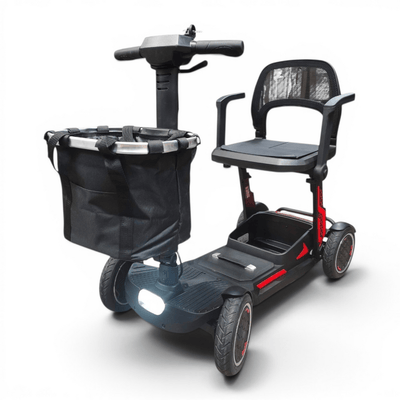
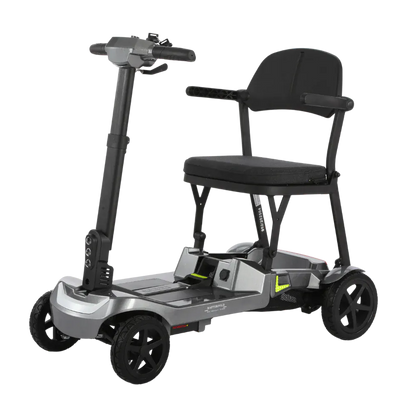
Welzo MyMobility Scooter – Lightweight Folding Mobility Scooter
Mobility Scooter£ 699.99£899.00Lowest price in 30 days
UK delivery soon
Order within 2h 14m
In Stock
Authentic 30-day returns 12 viewing -
Sale-58%
 Quick view
welzo-3
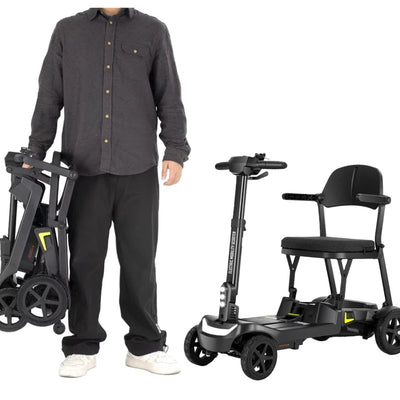
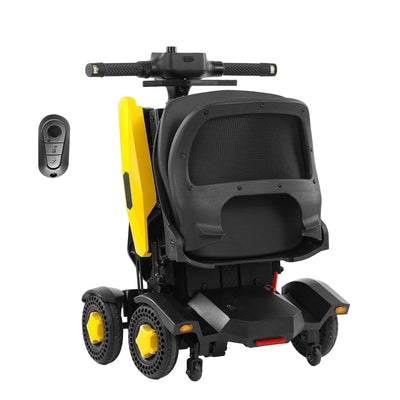
Welzo FreeFold X Lightweight 16KG Foldable Mobility Scooter – Portable Electric Scooter, Lithium Battery, 30km Range
Mobility Scooter£ 799.99£1,899.00Lowest price in 30 days
UK delivery soon
Order within 2h 14m
In Stock
Authentic 30-day returns 12 viewing -
Sale-23%
 Quick view
welzo-3
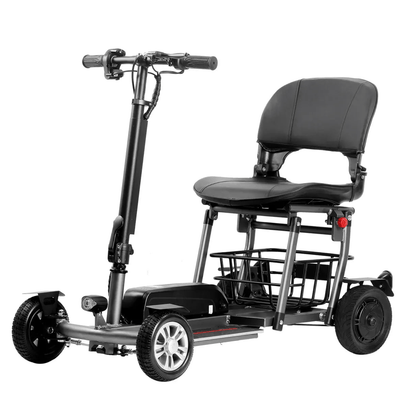
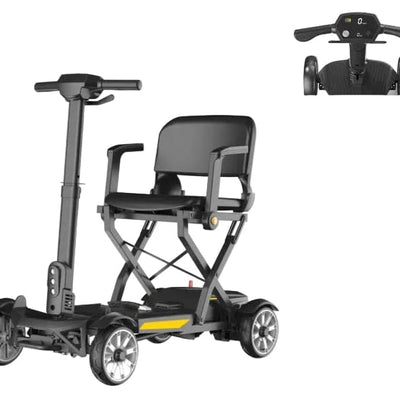
Welzo MyMobility Ultimate Foldy Instant Folding Mobility Scooter
Mobility Scooter£ 694.00£899.00Lowest price in 30 days
UK delivery soon
Order within 2h 14m
In Stock
Authentic 30-day returns 12 viewing -
Sale-20%
 Quick view
welzo-3
Premium Lightweight Folding Mobility Scooter with Removable Battery – Just 24kg, 10–15km Range
Mobility Scooter£ 796.79£999.99Lowest price in 30 days
UK delivery soon
Order within 2h 14m
In Stock
Authentic 30-day returns 12 viewing -
Sale-53%
 Quick view
welzo-3
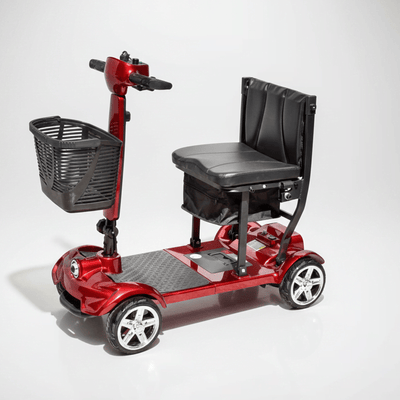
Welzo Red FreeFold X Lightweight 16KG Foldable Mobility Scooter – Portable Electric Scooter, Lithium Battery, 30km Range
Mobility Scooter£ 899.99£1,899.00Lowest price in 30 days
UK delivery soon
Order within 2h 14m
In Stock
Authentic 30-day returns 12 viewing -
Sale-14%
 Quick view
welzo-3
Freefold X Scooter Battery
£ 299.99£349.00Lowest price in 30 days
UK delivery soon
Order within 2h 14m
In Stock
Authentic 30-day returns 12 viewing -
 Quick view
welzo-3
Welzo Easyfold Lightweight Folding Mobility Scooter
£ 799.99UK delivery soon
Order within 2h 14m
In Stock
Authentic 30-day returns 12 viewing -
Sale-58%
 Quick view
welzo-3
Welzo SwiftFold Ultra-Light Folding Mobility Scooter
£ 829.99£1,999.00Lowest price in 30 days
UK delivery soon
Order within 2h 14m
In Stock
Authentic 30-day returns 12 viewing -
Sale-60%
 Quick view
welzo-3
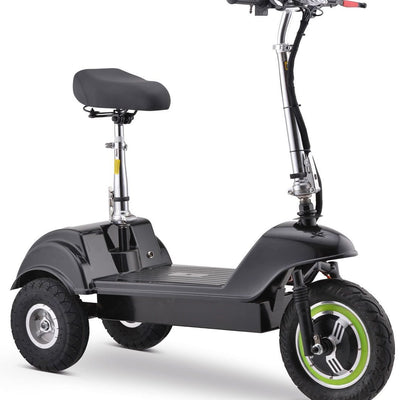
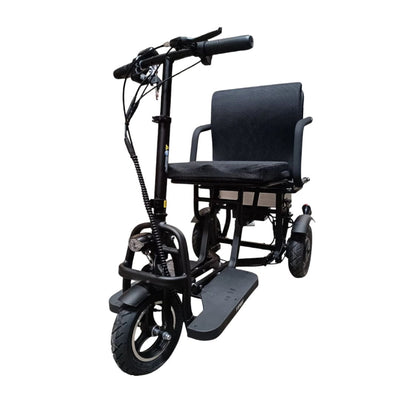
Folding 3-Wheel Electric Mobility Scooter With Seat
bike£ 399.99£999.99Lowest price in 30 days
UK delivery soon
Order within 2h 14m
In Stock
Authentic 30-day returns 12 viewing -
Sale-53%
 Quick view
welzo-3
Welzo FreeFold X Raptor Dark Grey Lightweight 16KG Foldable Mobility Scooter
Mobility Scooter£ 899.99£1,899.00Lowest price in 30 days
UK delivery soon
Order within 2h 14m
In Stock
Authentic 30-day returns 12 viewing -
Sale-62%
 Quick view
welzo-3
Welzo Move360 Automatic Foldable Mobility Scooter
Mobility Scooter£ 729.99£1,899.00Lowest price in 30 days
UK delivery soon
Order within 2h 14m
In Stock
Authentic 30-day returns 12 viewing -
 Quick view
welzo-3
Lightweight Folding Mobility Scooter with Lithium Battery – Up to 10 Miles Range
Mobility Scooter£ 1,829.99UK delivery soon
Order within 2h 14m
In Stock
Authentic 30-day returns 12 viewing -
 Quick view
welzo-3
Premium Welzo Automatic GlideFOLD 1000 Folding Mobility Scooter
£ 999.99UK delivery soon
Order within 2h 14m
Out of stock
Authentic 30-day returns 12 viewing -
 Quick view
welzo-3
Welzo FreedomGo Instant Lightweight 19kg Folding Mobility Scooter 12 km Range
Mobility Scooter£ 559.00UK delivery soon
Order within 2h 14m
Out of stock
Authentic 30-day returns 12 viewing -
 Quick view
welzo-3
Welzo VoltRide 700 Folding Mobility Scooter
£ 889.89UK delivery soon
Order within 2h 14m
Out of stock
Authentic 30-day returns 12 viewing -
Sale-58%
 Quick view
welzo-3
Welzo Feather Ultra-Light 15KG Long Range Folding Mobility Scooter
Mobility Scooter£ 799.99£1,899.00Lowest price in 30 days
UK delivery soon
Order within 2h 14m
In Stock
Authentic 30-day returns 12 viewing -
 Quick view
welzo-3
Welzo OneTouch Folding Mobility Scooter – Lightweight 4-Wheel Electric Travel Scooter
£ 899.99UK delivery soon
Order within 2h 14m
Out of stock
Authentic 30-day returns 12 viewing
Electric Scooters
Electric scooters are battery-powered personal transport devices designed to make short-to-medium journeys faster, simpler, and more flexible. They typically combine a rechargeable battery, electric motor, and handlebar controls to support smooth acceleration and controlled braking for urban commuting, local errands, or leisure rides. Many models are compact enough for home storage, and some are designed for more stable handling over longer routes. Customers can buy electric scooters online on Welzo by comparing practical factors such as expected range, ride comfort, portability, and everyday usability.
What are Electric Scooters?
Electric scooters are motorised scooters powered by an electric motor and a rechargeable battery. Most feature a standing deck, handlebars for steering, and user-friendly controls for speed and braking. Unlike push scooters, electric scooters reduce physical effort and can help riders travel more efficiently, especially for “last-mile” journeys and short commutes.
Electric scooters vary by frame design, motor output, tyre type, and comfort features. Some prioritise portability and compact storage, while others focus on stability, ride feel, and longer-range capability.
Benefits and Features of the Welzo Electric Scooters Collection
The Welzo Electric Scooters collection focuses on practical mobility, with features chosen for real-world use:
- Convenient everyday travel: A useful option for short commutes and local journeys.
- Flexible mobility: Helps reduce reliance on short car trips where appropriate.
- Range and charging practicality: Options suited to different daily travel distances.
- Comfort and handling: Design factors that support steadier, more predictable riding.
- Portability in mind: Many scooters are designed to be stored more easily than larger vehicles.
If you’re comparing electric scooters with alternative mobility solutions, you may also want to explore Mobility Scooters for seated, support-focused designs.
Why is Electric Scooters Important?
Electric scooters can be an important mobility option because they support efficient, flexible travel without the overhead of car parking, short-distance congestion, or the time cost of walking longer routes. They are often used for quick local movement and “last-mile” connections, helping riders reach destinations more smoothly when public transport or driving isn’t ideal.
For some users, electric scooters are also part of a wider mobility toolkit—particularly when balancing convenience, independence, and everyday time savings.
Best Products in Electric Scooters
The best electric scooter for you depends on how and where you plan to ride. When comparing options, consider:
- Commuter-focused scooters: Practical for regular local travel with a balance of portability and stability.
- Longer-distance scooters: Better suited to extended routes where range matters more.
- Stability-oriented scooters: Often preferred where predictable handling and comfort are priorities.
If you’re building a broader mobility setup for different needs, you may find Road Legal Scooters useful for comparing other compliant transport formats (where applicable).
How to Use Electric Scooters?
Electric scooters are generally straightforward to use, but safe use depends on preparation and routine checks:
- Charge correctly: Follow charging guidance to support battery performance over time.
- Check key components: Confirm brakes, tyres, and steering feel stable before riding.
- Practise at low speed: Build confidence with acceleration and braking in a safe area.
- Plan your route: Choose smoother paths where possible and ride predictably around others.
- Store carefully: Keep your scooter in a dry, stable environment to reduce wear.
If your travel routine involves transporting the scooter by car, collections such as Car Boot Scooters can be helpful for comparing compact, transport-friendly mobility options.
Are there any side effects or interactions of Electric Scooters?
Electric scooters don’t have medical “side effects,” but there are safety considerations that affect comfort and risk:
- Falls and bumps: Uneven surfaces, sudden obstacles, or overconfidence at speed can increase risk.
- Wet conditions: Reduced traction can affect braking distance and handling stability.
- Overuse strain: Longer rides can lead to wrist or leg fatigue without breaks and good posture.
- Battery care: Incorrect charging or damage can reduce performance and reliability.
For general preparedness at home, some customers keep basics from First Aid on hand for minor scrapes or bumps.
What Are the Different Types of Electric Scooters Available?
Electric scooters come in different styles depending on how they’re intended to be used:
- Foldable commuter scooters: Designed for easier storage and everyday journeys.
- Comfort-first scooters: Built to prioritise steadier handling and ride feel.
- Range-focused scooters: Better for longer routes where fewer recharges are preferred.
- Alternative powered mobility: Some users may prefer seated powered options for additional support.
If you’re comparing alternatives that offer a fully seated, powered experience, you may also want to view Powerchairs.
What Are the Most Popular Electric Scooters Products Available?
The most popular electric scooters are usually those that balance everyday stability, practical range, and ease of storage. Many customers prioritise predictable braking, comfortable handling for their typical route, and a form factor that fits their home or work storage space. Depending on travel needs, popularity may lean toward commuter-friendly designs or more range-focused models.
Statistics, Research, Expert Information, and Quotes on Electric Scooters
Electric scooters are widely discussed as part of modern micromobility, especially for short journeys that would otherwise be done by car or public transport. Transport safety guidance typically highlights the same practical themes: ride predictably, stay alert to surface hazards, avoid unsuitable weather conditions where possible, and maintain your scooter properly.
Expert guidance commonly emphasises: using appropriate protective equipment, choosing routes that suit your scooter type, and completing quick pre-ride checks to reduce avoidable incidents.
How We Select Our Electric Scooters Collection on Welzo
We select electric scooters with everyday usability in mind, focusing on practical specifications that help customers choose confidently. That includes considerations such as general ride stability, braking control, expected battery performance, and suitability for common commuting scenarios. We also prioritise clear product information so customers can compare options based on the factors that matter most to their routine.
Trusted by Experts and Verified Electric Scooters Quality on Welzo
Reliable electric scooter use depends on choosing a model suited to your route and using it responsibly. Welzo prioritises scooters that support practical daily mobility with clear specifications and usability-focused design. Matching battery range to your real route, storing your scooter correctly, and keeping up with basic checks can help maintain consistent performance over time.
Customer Reviews
To read what customers say about delivery, service, and overall experience, visit Welzo Reviews.
Internal Links to Trust Pages
- Welzo Staff
- Ingredient Quality & Purity Certifications
- Supplement Quality Standards & Certifications
Related Categories You May Find Useful
If you’re comparing transport and mobility options, these related categories may help you choose what fits your routine best:
- Folding Mobility Scooters for compact storage and portability-focused designs.
- Walking Aids for alternative mobility support options.
- Wheelchairs for mobility assistance across different needs and preferences.
- Mobility Aids for broader independence and movement solutions.
FAQs (Frequently Asked Questions)
What should I consider before buying an electric scooter for commuting?
Focus on real-world range, stable braking, predictable handling, and whether the scooter’s size and portability suit your storage and transport needs.
How do I choose the right battery range for an electric scooter?
Estimate your typical round-trip distance and choose a model with extra capacity to account for hills, colder weather, and battery ageing over time.
What features improve stability and comfort on an electric scooter?
Key comfort factors include tyre type, deck size, handlebar ergonomics, and the overall frame design—especially for longer rides.
How often should I charge an electric scooter?
Charging depends on use. Many riders charge after each day of commuting or top up regularly to avoid deep discharges, following manufacturer guidance.
What basic maintenance should I do for an electric scooter?
Check tyres, braking response, and steering feel regularly, and keep the scooter clean and stored in a dry place to reduce wear.
Are electric scooters suitable for longer journeys?
Some models are better suited to longer routes, but comfort and range depend on battery capacity, motor capability, terrain, and riding conditions.
How can I reduce risk when riding an electric scooter?
Ride at controlled speeds, avoid wet or uneven surfaces where possible, stay alert to obstacles, and practise safe braking distances.
Can I store an electric scooter in a small flat or office?
Many scooters are designed to be compact for storage. Check folded dimensions and weight if portability is a priority.
What type of electric scooter is best for everyday errands?
Most people prefer a balanced scooter that’s stable, easy to manoeuvre, and has enough range for local trips without frequent charging.
Is an electric scooter a good alternative to short car trips?
For many users, yes—electric scooters can be a flexible option for short journeys where convenience and time savings matter.
 Rated Excellent by 28,951+ Reviews
 100% Money Back Guarantee