



Your cart is empty
This quantity of item cannot be added to the cart
Continue shopping
Mobility Aids
4.8on Trustindex
browsing now
Order before 2pm for same-day dispatch
2766+ orders this week
-
Sale-22%
 Quick view
welzo-3
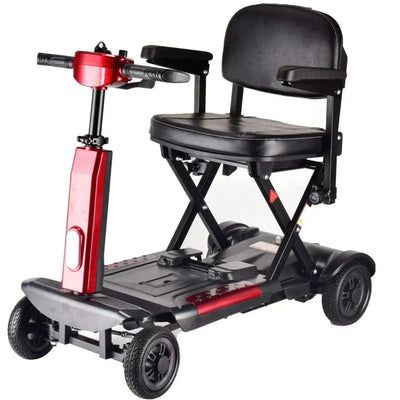
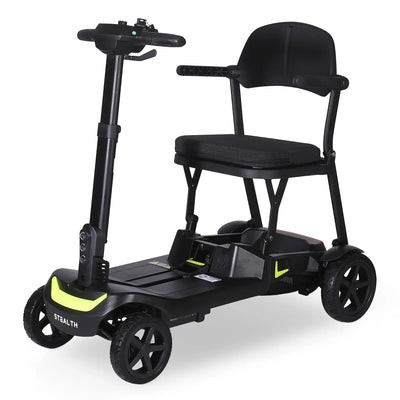
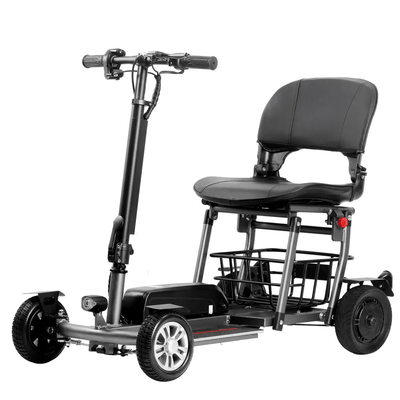
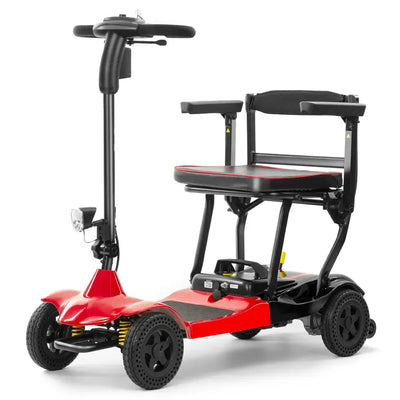
My Mobility Instant Folding Lightweight Portable Mobility Scooter
Mobility Scooter£ 699.99£899.00Lowest price in 30 days
UK delivery soon
Order within 2h 14m
In Stock
Authentic 30-day returns 12 viewing -
Sale-22%
 Quick view
welzo-3
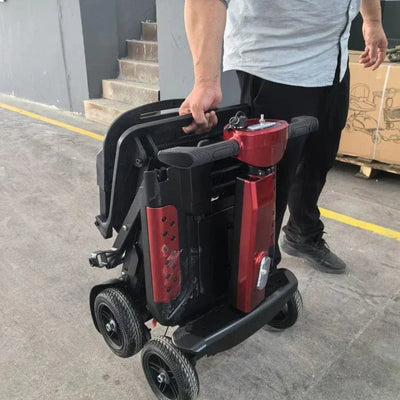
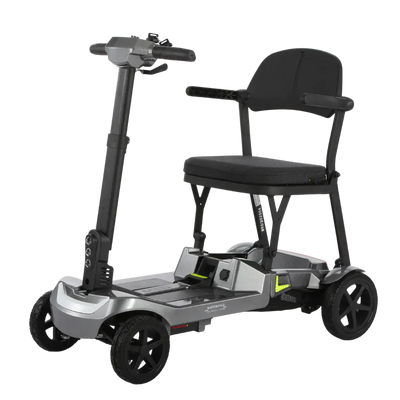
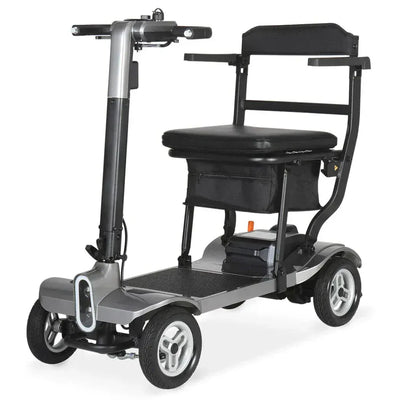
Welzo MyMobility Scooter – Lightweight Folding Mobility Scooter
Mobility Scooter£ 699.99£899.00Lowest price in 30 days
UK delivery soon
Order within 2h 14m
In Stock
Authentic 30-day returns 12 viewing -
Sale-58%
 Quick view
welzo-3
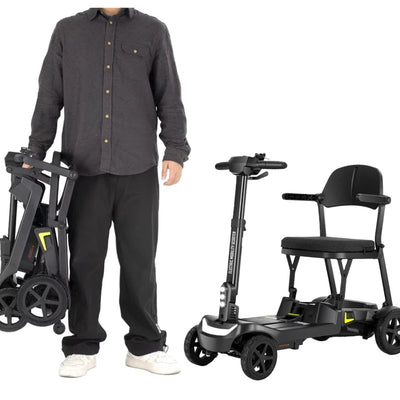
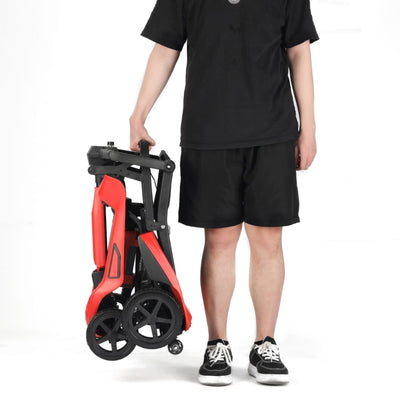
Welzo FreeFold X Lightweight 16KG Foldable Mobility Scooter – Portable Electric Scooter, Lithium Battery, 30km Range
Mobility Scooter£ 799.99£1,899.00Lowest price in 30 days
UK delivery soon
Order within 2h 14m
In Stock
Authentic 30-day returns 12 viewing -
Sale-23%
 Quick view
welzo-3
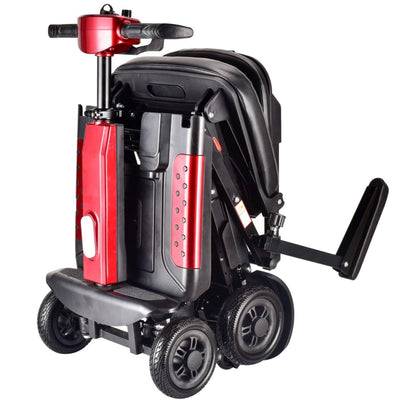
Welzo MyMobility Ultimate Foldy Instant Folding Mobility Scooter
Mobility Scooter£ 694.00£899.00Lowest price in 30 days
UK delivery soon
Order within 2h 14m
In Stock
Authentic 30-day returns 12 viewing -
Sale-20%
 Quick view
welzo-3
Premium Lightweight Folding Mobility Scooter with Removable Battery – Just 24kg, 10–15km Range
Mobility Scooter£ 796.79£999.99Lowest price in 30 days
UK delivery soon
Order within 2h 14m
In Stock
Authentic 30-day returns 12 viewing -
Sale-53%
 Quick view
welzo-3
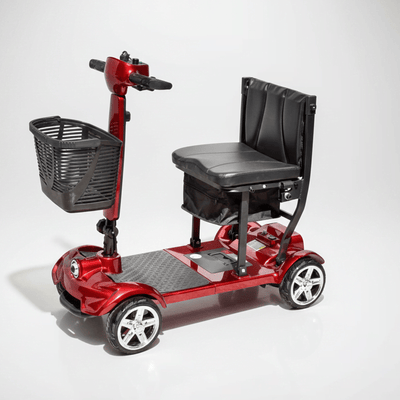
Welzo Red FreeFold X Lightweight 16KG Foldable Mobility Scooter – Portable Electric Scooter, Lithium Battery, 30km Range
Mobility Scooter£ 899.99£1,899.00Lowest price in 30 days
UK delivery soon
Order within 2h 14m
In Stock
Authentic 30-day returns 12 viewing -
 Quick view
welzo-3
Welzo Easyfold Lightweight Folding Mobility Scooter
£ 799.99UK delivery soon
Order within 2h 14m
In Stock
Authentic 30-day returns 12 viewing -
Sale-58%
 Quick view
welzo-3
Welzo SwiftFold Ultra-Light Folding Mobility Scooter
£ 829.99£1,999.00Lowest price in 30 days
UK delivery soon
Order within 2h 14m
In Stock
Authentic 30-day returns 12 viewing -
Sale-60%
 Quick view
welzo-3
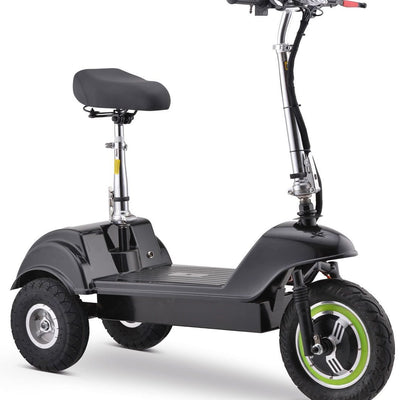
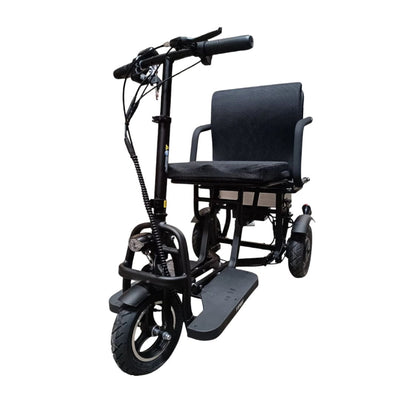
Folding 3-Wheel Electric Mobility Scooter With Seat
bike£ 399.99£999.99Lowest price in 30 days
UK delivery soon
Order within 2h 14m
In Stock
Authentic 30-day returns 12 viewing -
Sale-53%
 Quick view
welzo-3
Welzo FreeFold X Raptor Dark Grey Lightweight 16KG Foldable Mobility Scooter
Mobility Scooter£ 899.99£1,899.00Lowest price in 30 days
UK delivery soon
Order within 2h 14m
In Stock
Authentic 30-day returns 12 viewing -
Sale-62%
 Quick view
welzo-3
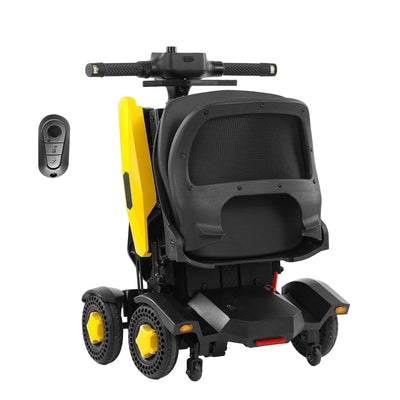
Welzo Move360 Automatic Foldable Mobility Scooter
Mobility Scooter£ 729.99£1,899.00Lowest price in 30 days
UK delivery soon
Order within 2h 14m
In Stock
Authentic 30-day returns 12 viewing -
Sale-58%
 Quick view
welzo-3
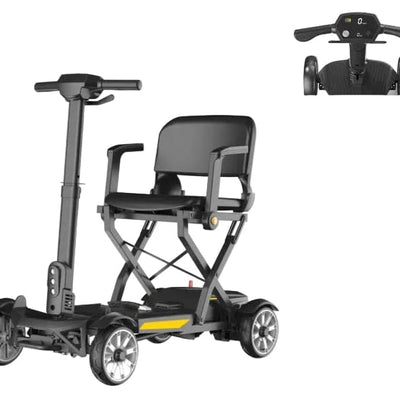
Welzo EasyFold Air 14kg UK's Lightest Auto Folding Mobility Scooter
Mobility Scooter£ 799.00£1,899.00Lowest price in 30 days
UK delivery soon
Order within 2h 14m
In Stock
Authentic 30-day returns 12 viewing -
 Quick view
welzo-3
Lightweight Folding Mobility Scooter with Lithium Battery – Up to 10 Miles Range
Mobility Scooter£ 1,829.99UK delivery soon
Order within 2h 14m
In Stock
Authentic 30-day returns 12 viewing -
 Quick view
welzo-3
Premium Welzo Automatic GlideFOLD 1000 Folding Mobility Scooter
£ 999.99UK delivery soon
Order within 2h 14m
Out of stock
Authentic 30-day returns 12 viewing -
 Quick view
welzo-3
Welzo FreedomGo Instant Lightweight 19kg Folding Mobility Scooter 12 km Range
Mobility Scooter£ 559.00UK delivery soon
Order within 2h 14m
Out of stock
Authentic 30-day returns 12 viewing -
Sale-58%
 Quick view
welzo-3
Welzo Feather Ultra-Light 15KG Long Range Folding Mobility Scooter
Mobility Scooter£ 799.99£1,899.00Lowest price in 30 days
UK delivery soon
Order within 2h 14m
In Stock
Authentic 30-day returns 12 viewing -
 Quick view
welzo-3
Welzo VoltRide 700 Folding Mobility Scooter
£ 889.89UK delivery soon
Order within 2h 14m
Out of stock
Authentic 30-day returns 12 viewing -
 Quick view
welzo-3
Welzo OneTouch Folding Mobility Scooter – Lightweight 4-Wheel Electric Travel Scooter
£ 899.99UK delivery soon
Order within 2h 14m
Out of stock
Authentic 30-day returns 12 viewing
Mobility Aids
Mobility aids are tools and devices designed to support movement, balance, and independence for people with reduced mobility — whether due to age, injury, chronic conditions, or recovery. These aids range from walking supports and powered options to everyday accessories that help users navigate life with greater ease and confidence. At Welzo, you can explore and buy mobility aids online, choosing from a variety of solutions that help you stay active, safe, and comfortable in daily routines, home environments, and community settings.
What are Mobility Aids?
Mobility aids are devices that assist individuals experiencing difficulty with standing, walking, balance, or movement. They include simple, lightweight devices such as walking sticks and crutches, as well as more advanced equipment such as rollators, walkers, scooters, and powerchairs. Mobility aids are intended to enhance independence, improve stability, and reduce strain on joints and muscles.
Each type of mobility aid has different use cases — from short-distance support inside the home to outdoor movement and travel. Choosing the right aid depends on strength, balance, environment, travel distance, and personal comfort preferences.
Benefits and Features of the Welzo Mobility Aids Collection
The Welzo Mobility Aids collection focuses on practical design, comfort, safety, and usability to support everyday movement goals. Key benefits include:
- Enhanced independence: Movement support that helps users accomplish tasks with less reliance on others.
- Improved stability: Aids that help reduce falls and increase confidence when walking or standing.
- Comfort-focused design: Ergonomic handles, adjustable heights, and supportive builds for extended use.
- Versatility: Indoor and outdoor options to support life at home, in the community, or during travel.
- Compatibility: Models that work alongside other daily living aids and accessories.
For users looking for additional mobility support in seated transport, products like Powerchairs provide powered movement with ergonomic seating.
Why is Mobility Aids Important?
Mobility aids play a vital role in enhancing quality of life for people with movement challenges. They reduce physical strain, help maintain balance, and make daily activities—such as getting in and out of the house, walking short distances, or navigating uneven surfaces—more manageable. By offering stability and support, mobility aids also help prevent falls and reduce the risk of injuries related to balance loss.
For many individuals, reliable mobility support leads to greater independence, confidence, and social participation—reducing barriers to everyday activities and enhancing overall well-being.
Best Products in Mobility Aids
Choosing the best mobility aid depends on individual needs, strength, and lifestyle. Commonly selected options include:
- Walking sticks and canes: Lightweight support for balance and posture assistance.
- Crutches: For partial weight bearing and temporary support during recovery.
- Walkers and rollators: Greater stability with built-in seats and wheels for easier movement.
- Mobility scooters: Seated electric options for longer distances and outdoor navigation.
Many users complement these mobility tools with everyday supportive essentials such as Hand Sanitisers & Antibacterial Hand Gels — convenient for hygiene after walks or travel.
How to Use Mobility Aids?
Using a mobility aid safely and effectively varies by device, but general best practices include:
- Fit and adjust properly: Ensure handles, height, and balance points are correctly set for your body.
- Learn proper gait techniques: Work with a therapist or follow guidance if you’re new to using a specific aid.
- Maintain awareness: Watch for uneven surfaces, thresholds, and obstacles when walking outdoors.
- Check regularly: Inspect wheels, grips, brakes, and frame stability to ensure safe use over time.
- Take breaks: Allow rests when using aids for longer distances to reduce fatigue.
For certain users who need support beyond manual aids, options like Mobility Scooters offer powered movement with ease of control and seating comfort.
Are there any side effects or interactions of Mobility Aids?
Mobility aids themselves do not have medical side effects, but incorrect usage or improper fit can lead to discomfort or increased risk of falls. Common issues may include:
- Incorrect height adjustment: May cause poor balance, pain, or strain on joints.
- Poor posture: Slouching or leaning can increase discomfort over time.
- Inadequate support: Using a device that doesn’t match your strength or surface conditions may reduce effectiveness.
- Wheel or brake issues: Worn or malfunctioning components on wheeled aids can affect safety.
Meeting with a healthcare professional to choose and adjust the right mobility aid can minimise risk and improve comfort. Additionally, supportive basics like First Aid supplies can be helpful to keep within reach for minor bumps and scrapes.
What Are the Different Types of Mobility Aids Available?
Mobility aids are designed to match different levels of support needs, environments, and activities:
- Canes and walking sticks: Simple, lightweight balance support for short distances and basic assistance.
- Crutches: Temporary support for injury recovery and partial weight bearing.
- Walkers and rollators: Four-point support with wheels, seats, and braking options for greater stability.
- Mobility scooters and powerchairs: Electric seated transport for longer distances with comfort and control.
What Are the Most Popular Mobility Aids Products Available?
Popular mobility aids are those that balance stability, ease of use, and adaptability for everyday tasks. Many users favour rollators with built-in seats for resting during longer walks, or lightweight canes for more straightforward balance support. Powered mobility scooters are also common among users who plan outdoor travel or extended daily movement.
Statistics, Research, Expert Information and Quotes on Mobility Aids
Studies in mobility and rehabilitation consistently show that appropriate use of mobility aids reduces the risk of falls, improves overall activity levels, and supports independence in daily tasks. Occupational therapists often emphasise that choosing the right mobility aid — matched to user strength, lifestyle, and environment — can significantly impact quality of life.
Expert Insight: “Mobility aids are tools that help bridge the gap between functional capacity and activity demands,” says a rehabilitation specialist professionals. “Proper fitting and user education are as important as the device itself.”
How We Select Our Mobility Aids Collection on Welzo
Welzo selects mobility aids based on stability, comfort, ease of use, and real-world relevance. We prioritise devices that offer clear specifications, an adjustable design where applicable, and user-centred build quality. Customer feedback, durability, and ease of set-up are additional factors we consider to help you choose devices that are suitable for your daily lifestyle.
Trusted by Experts and Verified Mobility Aids Quality on Welzo
Mobility aids featured on Welzo are chosen for dependable performance, practical usability, and supportive features that help users move with confidence. We prioritise products with clear care instructions, reliable build quality, and trusted support to help you make an informed decision when choosing mobility solutions that match your needs.
Customer Reviews
See what customers say about mobility aids, delivery, and service experience on our reviews page: Welzo Reviews.
Internal Links to Trust Pages
- Welzo Staff
- Ingredient Quality & Purity Certifications
- Supplement Quality Standards & Certifications
Related Categories You May Find Useful
- Walking Aids — additional devices that enhance everyday balance and movement.
- Wheelchairs — manual mobility support for users with different strength needs.
- Mobility Scooters — powered seated transport for longer routes.
- Powerchairs — advanced electric support for users requiring seated mobility with power assistance.
FAQs (Frequently Asked Questions)
What types of mobility aids are available?
Mobility aids range from simple walking sticks and canes to rollators, walkers, scooters, and powerchairs — each suited to different support needs and environments.
How do I choose the right mobility aid?
Consider your level of strength, balance needs, environment (indoor vs outdoor), and travel distances. Professional guidance from a therapist or clinician can also help you select the best option.
Can mobility aids be used at home?
Yes — many aids such as canes, walkers, and rollators are designed for both indoor and outdoor use depending on your needs.
Are powered mobility aids suitable for long distances?
Powered aids — such as mobility scooters and powerchairs — are more suitable for longer distances, outdoor travel, or situations where sustained physical effort is not ideal.
Do mobility aids require assembly?
Some models may require basic setup or adjustment for height and comfort. Clear instructions are usually provided with each device.
How often should I check my mobility aid for wear?
Regularly inspect brakes, grips, wheels, and frame stability to ensure consistent safe use, especially before longer walks.
Can mobility aids prevent falls?
Appropriately chosen and correctly used mobility aids can significantly reduce the risk of falls by providing balance support and stability.
Is a professional fitting necessary?
Professional fitting helps ensure the device matches your height, strength, and balance needs, which can improve comfort and safety.
Are mobility aids covered by insurance?
Coverage varies by region and insurance plan. Check your provider details to see what types of mobility aids may be supported.
How should I clean and maintain my mobility aid?
Wipe down handles and frames with mild cleaner, check wheels and brakes regularly, and store in a dry place to protect components and extend device lifespan.
 Rated Excellent by 28,951+ Reviews
 100% Money Back Guarantee