
Your cart is empty
This quantity of item cannot be added to the cart
Continue shopping
Hand Sanitisers & Antibacterial Hand Gels
4.8on Trustindex
browsing now
Order before 2pm for same-day dispatch
2766+ orders this week
-
 Quick view
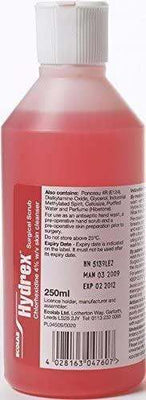
Hydrex
Hydrex Surgical Scrub
Hand Sanitizers & WipesPonceau 4R (E124)£ 11.30UK delivery soon
Order within 2h 14m
In Stock
Authentic 30-day returns 12 viewing -
 Quick view
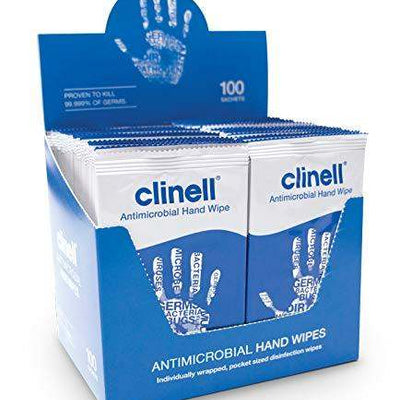
Clinell
Clinell Antibacterial Hand Wipe Pack of 100
Hand Sanitizers & Wipes£ 10.57UK delivery soon
Order within 2h 14m
In Stock
Authentic 30-day returns 12 viewing -
Sale-63%
 Quick view
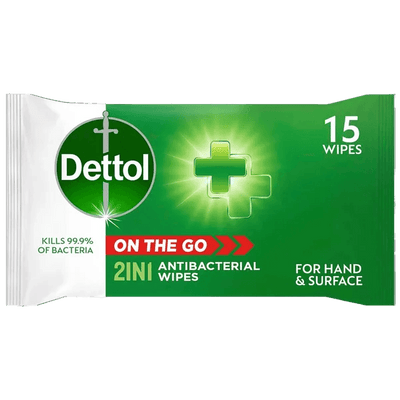
Dettol
Dettol On The Go 2-in-1 Antibacterial Wipes Pack of 15
Medicine & Drugs£ 2.09£5.61Lowest price in 30 days
UK delivery soon
Order within 2h 14m
In Stock
Authentic 30-day returns 12 viewing -
 Quick view
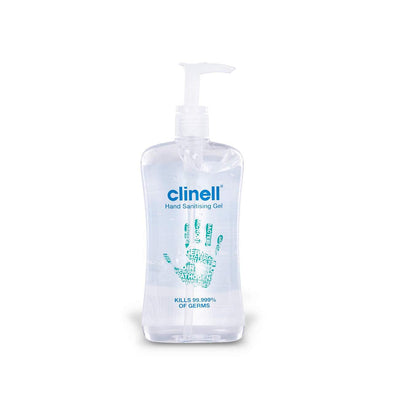
Clinell
Clinell Hand Sanitising Gel 500ml
Hand Sanitizers & Wipes£ 7.06UK delivery soon
Order within 2h 14m
In Stock
Authentic 30-day returns 12 viewing -
 Quick view
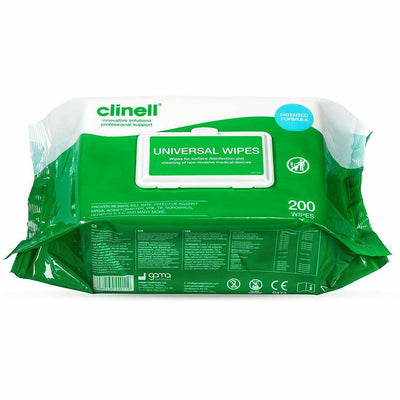
Clinell
Clinell Universal Wipes Pack of 200
Hand Sanitizers & Wipes£ 7.65UK delivery soon
Order within 2h 14m
In Stock
Authentic 30-day returns 12 viewing -
 Quick view
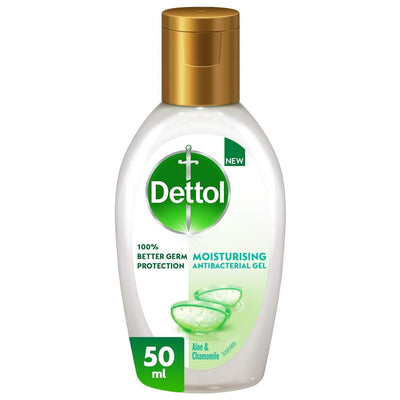
Dettol
Dettol Anti-bacterial Hand Gel 50ml
Hand Sanitizers & Wipes£ 2.58UK delivery soon
Order within 2h 14m
In Stock
Authentic 30-day returns 12 viewing -
 Quick view
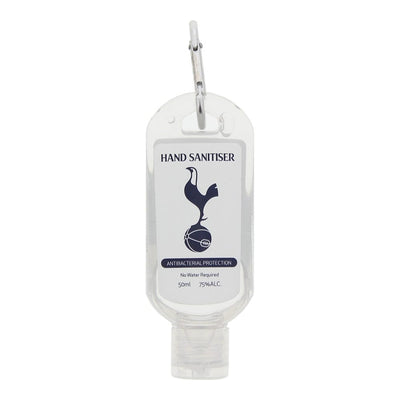
EPL
EPL Tottenham Hotspur Hand Sanitiser 50ml
Health & Beauty£ 3.76UK delivery soon
Order within 2h 14m
Only 1 left
Authentic 30-day returns 12 viewing -
 Quick view
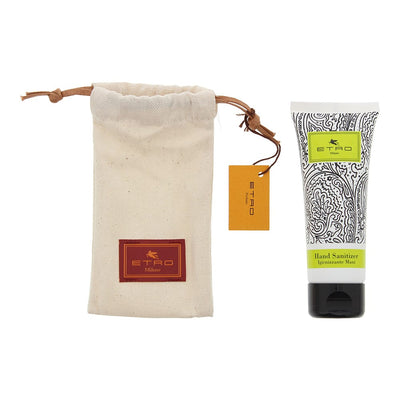
Etro
Etro Pegaso Essence 2 Piece Gift Set: Hand Sanitiser 75ml - Pouch
Health & Beauty£ 14.22UK delivery soon
Order within 2h 14m
Only 3 left
Authentic 30-day returns 12 viewing -
 Quick view
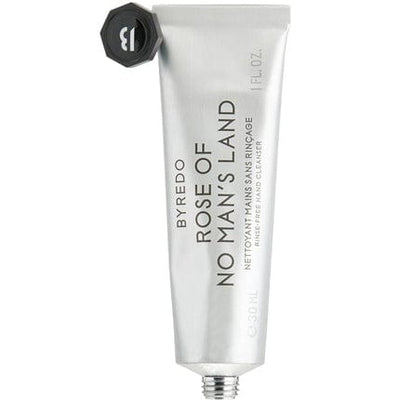
Byredo
Byredo Rose Of No Man's Land Rinse-Free Hand Cleanser
Health & Beauty£ 32.82UK delivery soon
Order within 2h 14m
In Stock
Authentic 30-day returns 12 viewing -
 Quick view
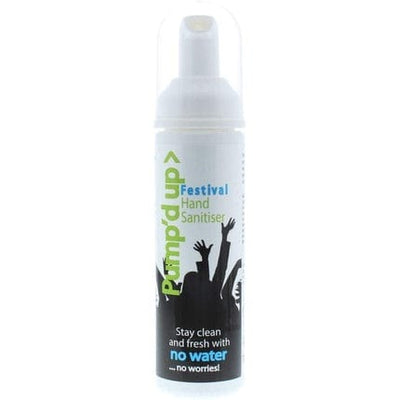
Pump'd Up
Pump'd Up Hand Sanitizer 70ml
Health & BeautyIngredients: Aqua£ 2.51UK delivery soon
Order within 2h 14m
In Stock
Authentic 30-day returns 12 viewing -
 Quick view
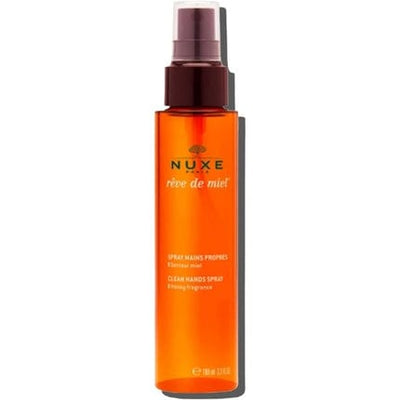
NUXE
Nuxe Rêve de Miel Clean Hands Spray 100ml
Health & Beauty£ 3.60UK delivery soon
Order within 2h 14m
Out of stock
Authentic 30-day returns 12 viewing -
 Quick view
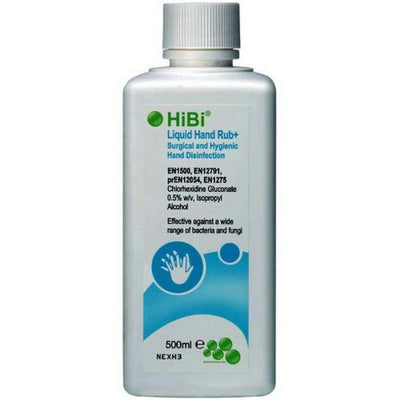
Hibi
Hibi Liquid Hand Rub+ 500ml
Hand Sanitizers & Wipes£ 14.44UK delivery soon
Order within 2h 14m
Out of stock
Authentic 30-day returns 12 viewing -
 Quick view
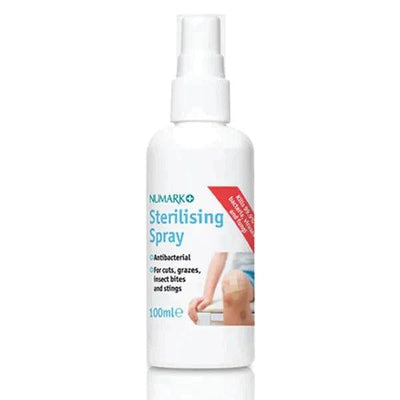
Numark
Numark Sterilising Spray 100ml
Medicine & Drugs£ 2.39UK delivery soon
Order within 2h 14m
Out of stock
Authentic 30-day returns 12 viewing -
 Quick view
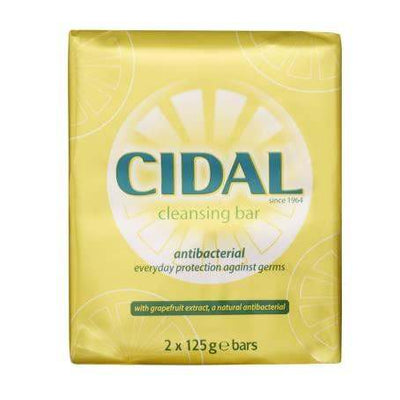
Cidal
Cidal Soap 125g
£ 3.90UK delivery soon
Order within 2h 14m
Out of stock
Authentic 30-day returns 12 viewing -
 Quick view
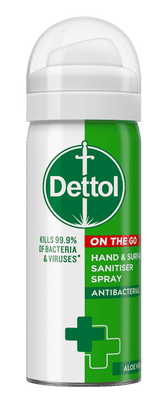
Dettol
Dettol On The Go Antibacterial Hand & Surface Sanitiser Spray 50ml
Hand Sanitizers & Wipes£ 2.88UK delivery soon
Order within 2h 14m
Out of stock
Authentic 30-day returns 12 viewing -
 Quick view
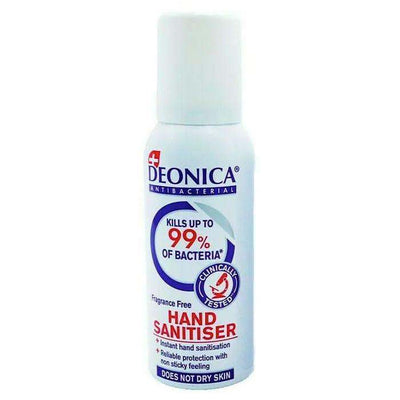
Pharmacy
Deonica Antibacterial Hand Sanitiser 100ml
Hand Sanitizers & Wipes£ 2.24UK delivery soon
Order within 2h 14m
Out of stock
Authentic 30-day returns 12 viewing -
 Quick view
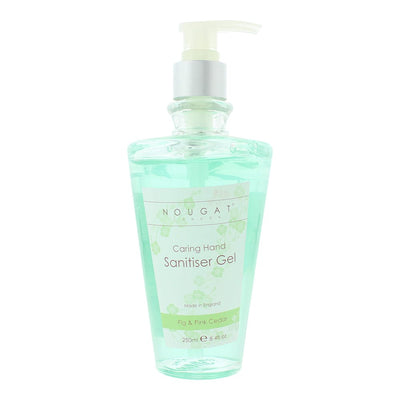
Nougat London
Nougat London Hand Sanitiser 250ml
Health & Beauty£ 0.00UK delivery soon
Order within 2h 14m
Out of stock
Authentic 30-day returns 12 viewing -
 Quick view
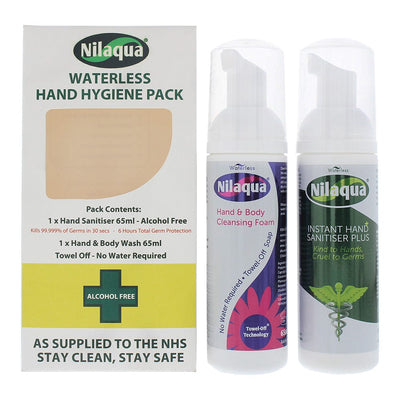
Nilaqua
Waterless Nilaqua Hand Hygiene Pack 2 Piece Gift Set: Hand Sanitiser 65ml - Hand & Body Wash 65ml
Health & Beauty£ 0.00UK delivery soon
Order within 2h 14m
Out of stock
Authentic 30-day returns 12 viewing
Hand Sanitisers & Antibacterial Hand Gels
Hand sanitisers and antibacterial hand gels provide fast, convenient protection against everyday germs when soap and water are not available. They are used at home, in public spaces and while travelling to help break the chain of infection. Many people keep sanitisers alongside daily essentials from everyday essentials and travel must-haves in travel essentials to stay protected wherever they are.
What Are Hand Sanitisers and Antibacterial Hand Gels?
Hand sanitisers and antibacterial gels are topical formulations designed to reduce the number of microbes on the skin. Most are alcohol-based, using ethanol or isopropyl alcohol at a concentration typically between 60–70% to inactivate a broad range of bacteria and many viruses. Non-alcohol or low-alcohol products often include antimicrobial agents to support hygiene when frequent washing is impractical.
Why Hand Hygiene Matters
Hands are one of the main pathways for spreading infection. Regular use of hand sanitiser can reduce the transfer of germs after touching surfaces such as door handles, phones or public transport rails. Many healthcare professionals advise combining alcohol hand rubs with good skincare, especially in people who already use products from skin care, to maintain the skin barrier while keeping hygiene standards high.
Key Benefits of Hand Sanitisers & Gels
- Fast action: Works within seconds when rubbed thoroughly over the hands.
- No water required: Ideal when sinks or wash facilities are unavailable.
- Portable protection: Pocket-sized bottles fit into bags, cars or desks.
- Supports infection control: Helps reduce the spread of germs between people and surfaces.
- Flexible formats: Available as gels, sprays, foams and on-the-go formats similar to portable hand sanitisers.
Expert Insights on Effective Use
Infection-control specialists frequently emphasise that sanitiser effectiveness depends on using enough product and covering all hand surfaces. One hospital infection-prevention nurse summarises it as: “Apply a generous amount, rub over palms, backs of hands, between fingers and around the thumbs until completely dry. If hands are visibly dirty, soap and water should come first.”
Occupational health practitioners also highlight the importance of skin care when using sanitisers frequently: “Regular moisturising helps maintain the skin barrier, which is essential when staff are sanitising dozens of times a day.” Many users therefore pair hand rubs with creams and balms from ranges like hand cream and gentle cleansing options in soaps.
Types of Hand Sanitisers & Antibacterial Gels
The Welzo collection includes a variety of formats to suit different settings and preferences:
- Alcohol-based gels: The standard choice for rapid disinfection in both home and professional environments.
- Sprays and foams: Lightweight options that are easy to distribute across the hands.
- Fragrance-free formulas: Suitable for sensitive skin or workplaces that avoid strong scents.
- Moisturising sanitisers: Products enriched with emollients to help counter dryness.
- Large refill bottles: Cost-effective solutions for offices, clinics and high-traffic areas, often stored alongside medical equipment.
When and How to Use Hand Sanitiser
Use hand sanitiser whenever handwashing is not possible, especially after travelling, before eating, after coughing or sneezing, and after contact with frequently touched surfaces. Apply enough gel to cover all hand surfaces, then rub for at least 20 seconds until dry. For people managing broader health needs, combining good hand hygiene with suitable support from over-the-counter products can be an important part of a wider prevention strategy.
Who Are Hand Sanitisers Suitable For?
Most alcohol-based sanitisers are suitable for adults and older children when used as directed. For younger children, parents should supervise use and ensure products are kept out of reach between applications. Families may keep sanitisers alongside baby-care items in baby & child toiletries for quick cleaning during outings, always ensuring children do not ingest the product.
Hand Sanitisers, Skin Health & Irritation
Frequent use of alcohol-based products can sometimes lead to dryness or irritation, particularly in colder weather or in people with existing skin conditions. Dermatology guidance typically recommends:
- Choosing sanitisers with added moisturisers where possible.
- Applying a nourishing cream after work or before bed.
- Avoiding broken or severely cracked skin and using appropriate protection until it heals.
Individuals who also rely on targeted products from wound care or specialist skin ranges can integrate hand sanitisers into their routine while protecting vulnerable areas.
Why Buy Hand Sanitisers & Gels from Welzo?
Welzo curates hand sanitisers and antibacterial gels from trusted brands with a strong record in hygiene and skincare. The range is designed to support everyday life, commuting, workplace compliance and travel. By bringing these products together with categories such as summer essentials and travel essentials, customers can build a complete protection kit for home, office and holidays in one place.
Hand Sanitisers & Antibacterial Hand Gels FAQs
1. Are alcohol-based hand sanitisers better than non-alcohol versions?
Alcohol-based sanitisers are widely recommended for general use because they act quickly on many common germs. Non-alcohol products can be useful in specific situations but may not have the same broad effectiveness.
2. How much hand sanitiser should I use?
Use enough to fully cover both hands, including backs, between fingers and around thumbs. Hands should remain wet with product for at least 20 seconds before drying.
3. Can hand sanitiser replace handwashing completely?
No. Hand sanitiser is a useful alternative when soap and water are not available, but washing with soap and water remains important, especially when hands are visibly dirty or greasy.
4. Is hand sanitiser safe for children?
It can be used with supervision in older children, ensuring they rub hands until dry and do not put wet hands in their mouth. Products should always be stored safely out of reach.
5. Why do some sanitisers sting on broken skin?
The alcohol content can irritate cuts or abrasions. Avoid applying sanitiser directly to broken skin and consider protecting those areas while they heal.
6. Can frequent use damage my skin?
Frequent use can lead to dryness in some people. Pairing sanitisers with moisturisers or hand creams helps maintain the skin barrier and comfort.
7. Do I need different sanitisers for home and travel?
Performance is similar, but many people choose larger bottles for home or workplaces and smaller travel-sized formats for bags, cars and holidays.
8. How should I store hand sanitiser?
Keep in a cool, dry place away from direct heat and flames, with caps tightly closed to prevent evaporation and accidental spills.
9. Does hand sanitiser expire?
Yes. Over time, alcohol can evaporate or degrade, reducing effectiveness. Always check the expiry date on the label and replace when needed.
10. Can I use hand sanitiser before eating?
It is better to wash hands with soap and water before eating, but if that is not possible, using hand sanitiser and allowing it to dry completely is a practical alternative.
 Rated Excellent by 26,523+ Reviews
 100% Money Back Guarantee