
Your cart is empty
This quantity of item cannot be added to the cart
Continue shopping
Body Washes
4.8on Trustindex
browsing now
Order before 2pm for same-day dispatch
2766+ orders this week
-
 Quick view
Seba Med
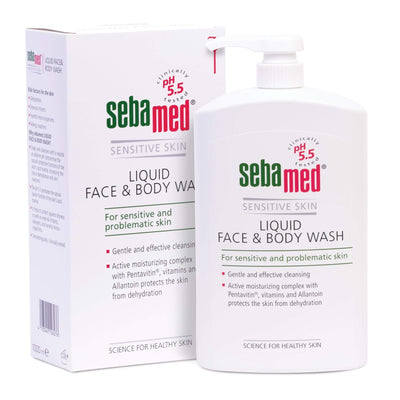
Sebamed Liquid Face & Body Wash 1Ltr
Body WashAqua£ 24.89UK delivery soon
Order within 2h 14m
In Stock
Authentic 30-day returns 12 viewing -
 Quick view
Fenjal
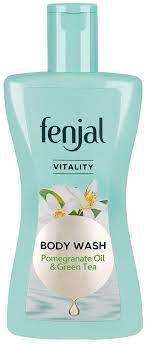
Fenjal Vitality Body Wash 200ml
Body Wash£ 4.82UK delivery soon
Order within 2h 14m
In Stock
Authentic 30-day returns 12 viewing -
 Quick view
Jojo Siwa Beauty
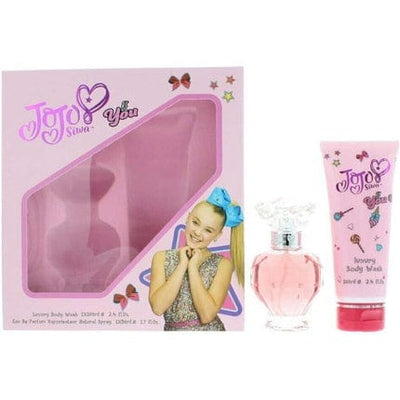
JOJO Siwa Beauty Be You 30ml Eau De Parfum + 100ml Body Wash
Health & Beauty£ 9.09UK delivery soon
Order within 2h 14m
Only 1 left
Authentic 30-day returns 12 viewing -
 Quick view
Fenjal
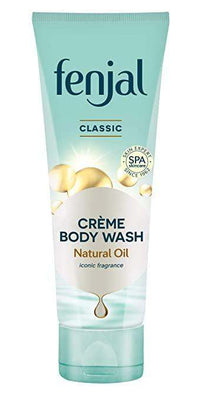
Fenjal Classic Creme Body Wash 200ml
Body Wash£ 6.53UK delivery soon
Order within 2h 14m
Out of stock
Authentic 30-day returns 12 viewing -
 Quick view
Aveeno
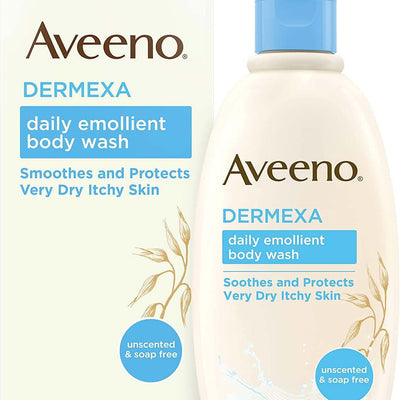
Aveeno Dermexa Emollient Bodywash
Body WashIngredients: Aqua£ 11.88UK delivery soon
Order within 2h 14m
In Stock
Authentic 30-day returns 12 viewing -
 Quick view
Aveeno
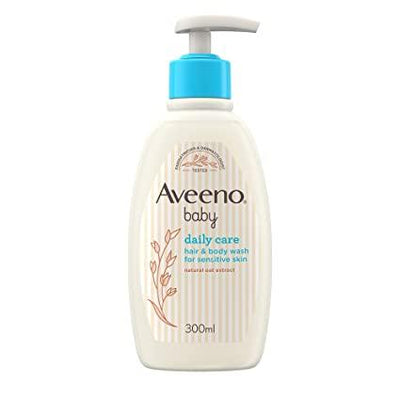
Aveeno Baby Daily Hair&Body Wash
Body Wash£ 8.05UK delivery soon
Order within 2h 14m
In Stock
Authentic 30-day returns 12 viewing -
 Quick view
Byredo
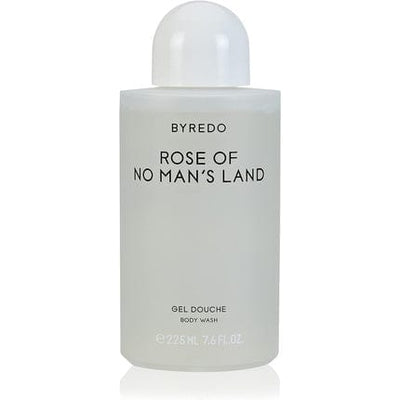
Byredo Rose Of No Man's Land Body Wash 225ml
Health & Beauty£ 41.52UK delivery soon
Order within 2h 14m
Out of stock
Authentic 30-day returns 12 viewing -
 Quick view
Byredo
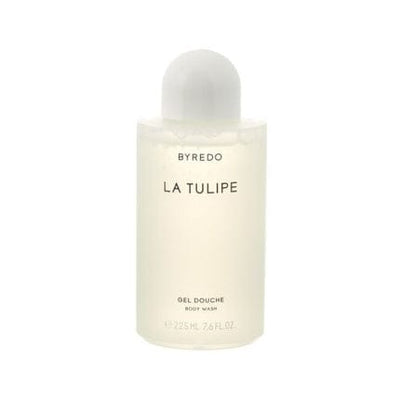
La Tulipe Body Wash Women's 225ml
Health & Beauty£ 38.32UK delivery soon
Order within 2h 14m
Out of stock
Authentic 30-day returns 12 viewing -
 Quick view
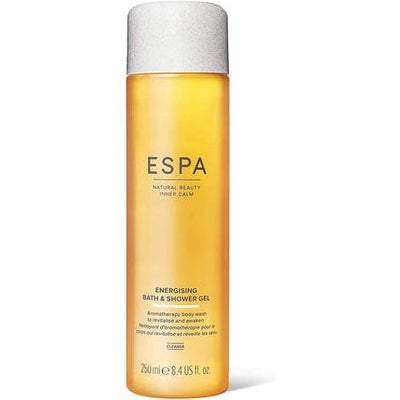
Espa
ESPA Energising Body Wash 250ml
Health & Beauty£ 25.27UK delivery soon
Order within 2h 14m
In Stock
Authentic 30-day returns 12 viewing -
 Quick view
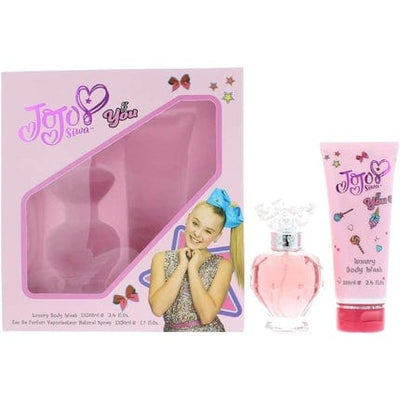
Jojo Siwa Beauty
JOJO Siwa Beauty Be You 50ml Eau De Parfum + 100ml Body Wash
Health & Beauty£ 9.78UK delivery soon
Order within 2h 14m
In Stock
Authentic 30-day returns 12 viewing -
 Quick view
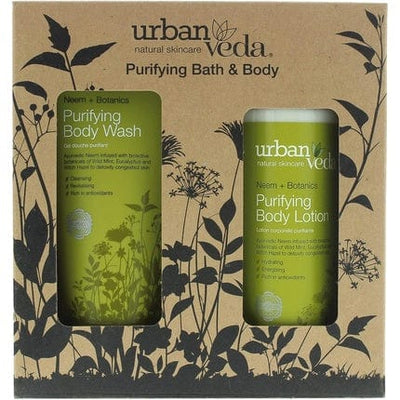
Urban Veda
Urban Veda Purifying Bath & Body Gift Set for Oily and Acne Prone Skin - Includes Body Wash 200ml and Body Lotion 250ml
Health & Beauty£ 13.38UK delivery soon
Order within 2h 14m
Out of stock
Authentic 30-day returns 12 viewing -
 Quick view
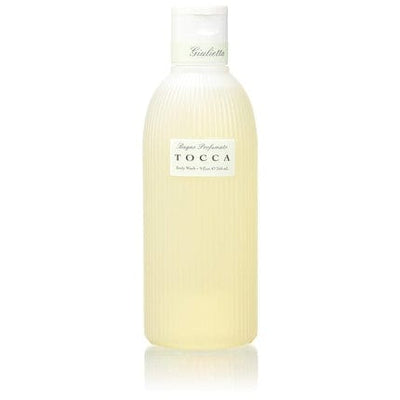
Tocca
TOCCA Giulietta Bagno Profumato Body Wash 9 oz
Health & Beauty£ 19.51UK delivery soon
Order within 2h 14m
In Stock
Authentic 30-day returns 12 viewing -
 Quick view
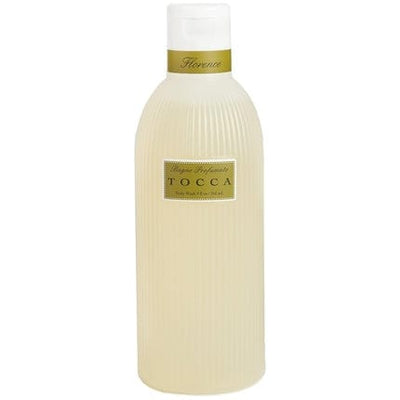
Tocca
TOCCA Florence Bagno Profumato Body Wash 9 oz
Health & Beauty£ 19.51UK delivery soon
Order within 2h 14m
Only 2 left
Authentic 30-day returns 12 viewing -
 Quick view
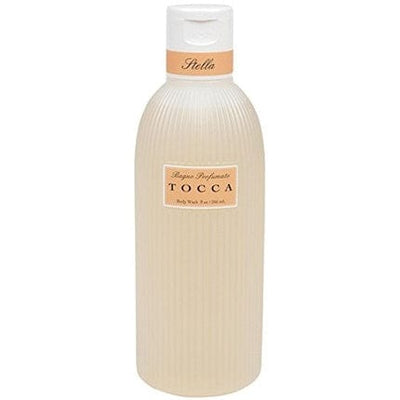
Tocca
Tocca Stella Bagno Profumato Body Wash 9 oz
Health & Beauty£ 19.51UK delivery soon
Order within 2h 14m
In Stock
Authentic 30-day returns 12 viewing -
 Quick view
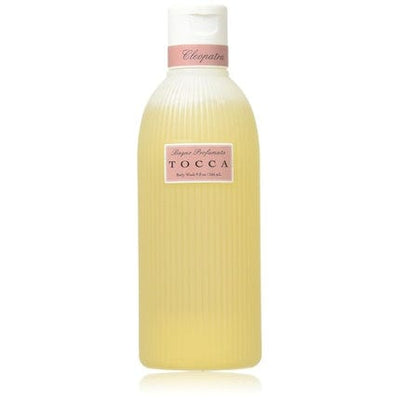
Tocca
Tocca Bagno Profumato Body Wash Cleopatra 9 ounces
Health & Beauty£ 19.51UK delivery soon
Order within 2h 14m
In Stock
Authentic 30-day returns 12 viewing -
 Quick view
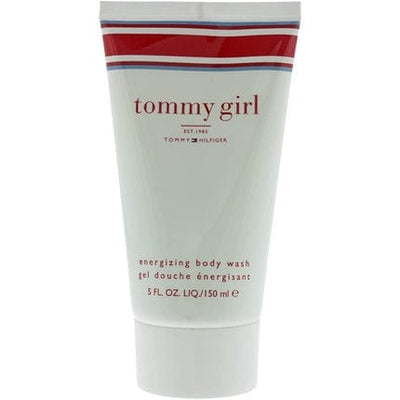
Tommy Hilfiger
Tommy Hilfiger Tommy Girl Energizing Body Wash 150ml
Health & Beauty£ 5.45UK delivery soon
Order within 2h 14m
Out of stock
Authentic 30-day returns 12 viewing -
 Quick view
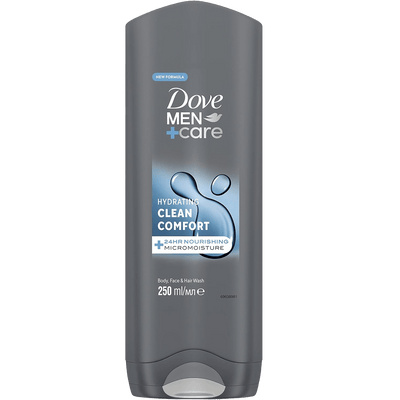
Dove
Dove Men+Care Clean Comfort Body Wash 250ml
Medicine & Drugs£ 6.00UK delivery soon
Order within 2h 14m
In Stock
Authentic 30-day returns 12 viewing -
 Quick view
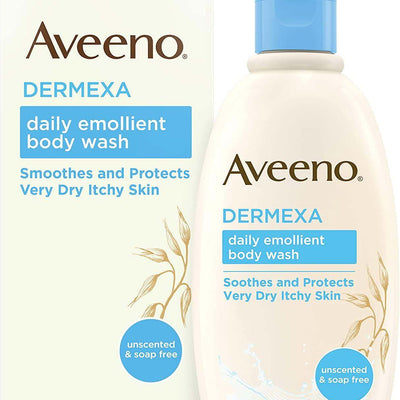
Aveeno
Aveeno Dermexa Daily Emollient Body Wash 300ml
Body WashAqua£ 11.88UK delivery soon
Order within 2h 14m
In Stock
Authentic 30-day returns 12 viewing
Body Washes
Body washes are liquid cleansers for the body designed to lift away sweat, oil and daily buildup while helping skin feel comfortable, soft and refreshed. From creamy moisturising shower gels to fragrance-free, sensitive-skin washes and invigorating fresh scents, the right body wash can turn a quick rinse into a consistent, skin-supportive routine. At Welzo, you can browse and compare body washes online, choose formulas by skin type or finish, and purchase body wash products with easy home delivery.
What are Body Washes?
Body washes are cleansing products used in the shower or bath to clean the skin without the “tight” feel some people get from traditional bar soaps. Most body washes use gentle cleansing agents (surfactants) to remove grime, plus skin-comfort ingredients like humectants (that attract water), emollients (that soften) and barrier-supporting conditioners that help skin feel smoother after rinsing. Some also include targeted add-ons such as exfoliating acids, deodorising ingredients or soothing components for dry or reactive skin.
Benefits and Features of the Welzo Body Washes Collection
- Cleanses without over-stripping: options designed to cleanse effectively while supporting skin comfort.
- Choices by skin need: moisturising, sensitive-skin, refreshing, exfoliating and fragrance-free formulas.
- Everyday usability: suitable for daily showers, post-gym cleanses, and quick routines.
- Texture variety: gels, creams and oil-infused washes to match preference and season.
- Routine-friendly pairing: easy to combine with body moisturisers after bathing for smoother skin.
Why are Body Washes Important?
Your skin barrier is your “everyday shield” against dryness, friction and environmental stress. A body wash is often the most frequent product used on the skin, so choosing the right cleanser can make a noticeable difference to how skin feels after showering. If your skin feels tight, itchy or flaky after washing, the issue is often not “needing more moisturiser” alone — it can be that your cleanser is too harsh for your skin type, the water is too hot, or you’re cleansing for longer than necessary.
If you’re building a simple body-care routine, many people find it helpful to follow cleansing with hydration from a dedicated moisturiser category such as Body Lotions & Moisturisers to lock in comfort after bathing.
Best Products in Body Washes
The “best” body wash depends on what you want your shower to do for you. A good way to choose is to match the formula to your skin’s daily reality:
- For dry or tight-feeling skin: look for creamy, moisturising washes with conditioning ingredients that leave less residue-free “squeak” and more comfort.
- For sensitive or reactive skin: consider fragrance-free, minimal-ingredient formulas and avoid heavy essential oils if you know they irritate you.
- For post-gym or summer freshness: choose lighter gel textures and refreshing scents that rinse clean without feeling heavy.
- For rough texture: use targeted exfoliating washes sparingly (not every day) and always follow with moisturiser.
If you prefer alternative cleansing formats alongside body wash, you may also like exploring Soaps for bar-based options.
How to Use Body Washes
For a comfortable cleanse that supports skin feel, small details matter more than most people realise:
- Use warm, not hot water: hot showers can increase dryness and leave skin feeling tight.
- Less is usually more: a small amount on a washcloth, sponge or hands is typically enough.
- Focus on key areas: underarms, feet and skin folds often need more attention than arms/legs.
- Rinse thoroughly: leftover cleanser can contribute to dryness or irritation for some people.
- Moisturise after bathing: apply lotion while skin is slightly damp for better comfort.
If you want to add exfoliation for smoother-looking skin, do it strategically rather than aggressively. A practical approach is to exfoliate 1–2 times per week, then moisturise well afterward. For product ideas and technique tips, you can also read: The Best Body Scrubs for Smooth, Glowing Skin.
Are there any side effects or interactions of Body Washes?
Body washes are generally well tolerated, but side effects can occur depending on ingredients and skin type. Possible issues include dryness, stinging, redness or itchiness (often linked to fragrance, essential oils, strong cleansing agents or exfoliating actives). If you’re using medicated body treatments (for example, prescription topicals), it’s sensible to choose a gentle, fragrance-free wash and avoid layering strong exfoliating washes on the same areas unless advised by a clinician.
Patch testing can be useful if you have sensitive skin: try a small amount on one area for a few days before using it all over. If irritation persists, stop use and seek professional advice.
What Are the Different Types of Body Washes Available?
- Moisturising body washes: creamier textures designed to leave skin feeling softer after rinsing.
- Refreshing shower gels: lighter gels that feel clean and invigorating.
- Sensitive-skin washes: often fragrance-free and designed for comfort-focused routines.
- Exfoliating body washes: may include mild acids or smoothing ingredients for rough texture (best used a few times weekly).
- Fragrance-led body washes: focused on scent experience and layering with other bath products.
If you like creating a spa-style routine at home, pairing your shower routine with bath-focused products can be a great upgrade, such as Bath Salts.
What Are the Most Popular Body Wash Products Available?
Popular choices tend to fall into three everyday “use cases”:
- Daily comfort cleansers: gentle options that don’t leave skin feeling stripped.
- Moisture-focused washes: especially popular in colder months or for dry-feeling skin.
- Fresh and invigorating gels: often preferred after workouts or in warm weather.
If you travel frequently or want gym-bag friendly options, compact formats can help keep routines consistent: Travel-Sized Bath Products.
Statistics, Research, Expert Information and Quotes on Body Washes
Dermatology-led skincare guidance commonly emphasises that cleansing should support the skin barrier, not fight it. In practical terms, that means choosing cleansers that feel comfortable after rinsing (not tight), limiting very hot water exposure, and using moisturiser after bathing when needed. For many people, simply switching to a gentler body wash and shortening shower time can noticeably improve dryness and irritation over time.
How We Select Our Body Washes Collection on Welzo
- Skin-first range: we prioritise body washes that support everyday comfort across different skin types.
- Clear use-cases: moisturising, sensitive-skin, refreshing and exfoliating options are easy to compare.
- Ingredient transparency: preference for clear labels and practical usage guidance.
- Routine compatibility: products that pair well with moisturising and bath categories.
- Customer experience: we consider how products fit real daily routines (quick showers, gym use, travel).
Trusted by Experts and Verified Body Wash Quality on Welzo
We take quality seriously and aim to make it easier to shop with confidence by sharing how we approach product standards and selection.
- Welzo Staff
- Ingredient Quality & Purity Certifications
- Supplement Quality Standards & Certifications
Customer Reviews
To read verified feedback about shopping experience and product satisfaction, visit: Welzo Reviews.
Explore Related Bath & Body Categories
If you’re refining your full routine beyond cleansing, these categories are commonly paired with body washes: Handwash.
FAQs
Which body wash is best for very dry skin in winter?
Look for a moisturising, cream-based body wash designed to cleanse without leaving skin feeling tight. Keep showers warm (not hot), reduce shower time, and apply a body moisturiser right after bathing while skin is slightly damp.
What is the best fragrance-free body wash for sensitive skin?
If you react to fragrance or essential oils, choose a fragrance-free body wash with a shorter ingredient list and avoid heavy “tingling” or exfoliating actives. Patch test first if your skin is easily irritated.
Is body wash better than soap for itchy or tight-feeling skin?
Many people find body wash gentler than traditional soap bars because modern formulas often include skin-conditioning ingredients. The best option is the one that cleanses well without leaving discomfort after rinsing.
Can body wash cause irritation or a rash?
Yes. Irritation can happen due to fragrance, essential oils, strong cleansers, or exfoliating ingredients. If you notice stinging, redness or itching, stop using the product and switch to a gentler formula.
How much body wash should I use per shower?
Usually a small amount is enough — especially if you use a washcloth or sponge. Using more doesn’t necessarily clean better and can increase the chance of dryness if you over-cleanse.
Should I use a body wash with exfoliating acids every day?
For many people, exfoliating washes are best used 1–3 times per week rather than daily, especially if you also shave or have sensitive skin. Overuse can lead to dryness or irritation.
What body wash is best after the gym?
A refreshing gel body wash that rinses clean is a popular choice post-workout. Focus cleansing on underarms, back and areas that trap sweat, and moisturise afterward if skin feels dry.
Can I use body wash in a bath instead of the shower?
Many body washes can be used in the bath, but they may not foam like a dedicated bath product. If you want more of a soak experience, consider pairing your routine with bath-focused products such as bath salts.
What’s the best routine for smoother-looking skin using body wash?
Use a gentle body wash daily, add exfoliation 1–2 times weekly (not aggressively), then apply moisturiser after bathing. Consistency matters more than harsh scrubbing.
 Rated Excellent by 28,951+ Reviews
 100% Money Back Guarantee