
Your cart is empty
This quantity of item cannot be added to the cart
Continue shopping
Hayfever & Allergy Syrup
4.8on Trustindex
browsing now
Order before 2pm for same-day dispatch
2766+ orders this week
-
 Quick view
Piri
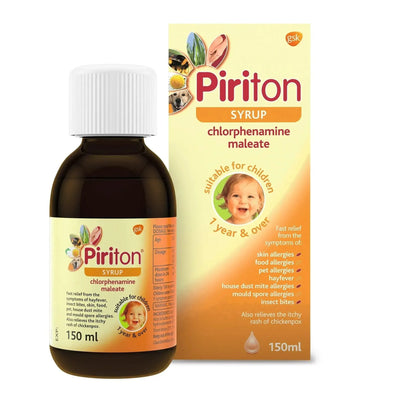
Piriton Syrup 150ml
Medicine & DrugsChlorphenamine malate£ 8.06UK delivery soon
Order within 2h 14m
In Stock
Authentic 30-day returns 12 viewing -
 Quick view
Numark
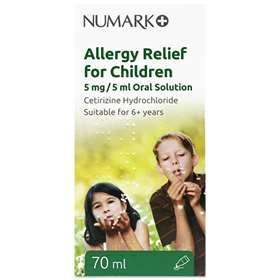
Numark Allergy Relief for Children Oral Solution 70ml
Medicine & Drugs£ 3.33UK delivery soon
Order within 2h 14m
In Stock
Authentic 30-day returns 12 viewing -
 Quick view
Piri
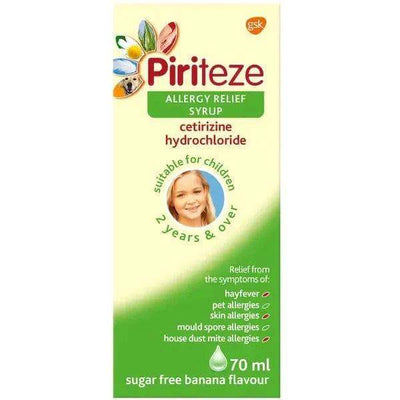
Piriteze Allergy Relief Syrup 70ml
Medicine & DrugsCetirizine hydrochl...£ 8.47UK delivery soon
Order within 2h 14m
In Stock
Authentic 30-day returns 12 viewing -
 Quick view
Sudafed
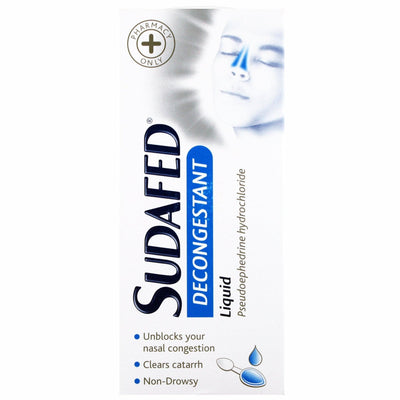
Sudafed Decongestant Liquid 100ml
Medicine & Drugs£ 5.89UK delivery soon
Order within 2h 14m
In Stock
Authentic 30-day returns 12 viewing -
 Quick view
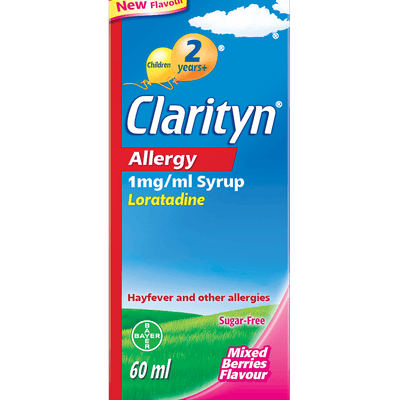
Clarityn
Clarityn Children's Allergy Syrup 60ml
Medicine & Drugs£ 8.21UK delivery soon
Order within 2h 14m
In Stock
Authentic 30-day returns 12 viewing -
 Quick view
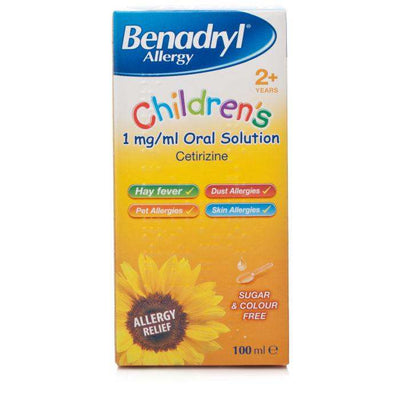
Benadryl
Benadryl Allergy Relief 1mg Solution Childrens 100ml
Medicine & Drugs£ 4.93UK delivery soon
Order within 2h 14m
Out of stock
Authentic 30-day returns 12 viewing
Hayfever & Allergy Syrup
Hayfever & allergy syrups provide targeted antihistamine relief in an easy-to-consume liquid form. They are especially effective for managing sneezing, itching, watery eyes, blocked or runny noses and general seasonal allergy discomfort. Because syrups absorb quickly and offer flexible dosing, they are widely used for children, adults with swallowing difficulties and people who need rapid symptom control during peak pollen seasons. Users shopping this category often explore complementary collections such as Allergy Eye Drops, Steam Inhalers and Nose Moisturising Products for full-spectrum allergy management.
What Are Hayfever & Allergy Syrups?
Hayfever & allergy syrups are liquid antihistamines formulated to block the activity of histamine — the chemical released during allergic reactions that causes inflammation, irritation and mucus production. These syrups are commonly used for hayfever (pollen allergy), dust-mite allergy, pet dander sensitivity and mild food- or environment-triggered itching. Many formulations are sugar-free, dye-free and specially developed for paediatric use, allowing precise weight-based dosing.
How Hayfever Syrups Work – A Deeper Scientific View
Histamine binds to receptors found in the nose, eyes, throat and skin, causing classic allergy symptoms. Antihistamines such as loratadine, cetirizine and chlorphenamine work by binding to these receptors without triggering a reaction. This blocks histamine from activating them — reducing inflammation, mucus secretion, nerve irritation and blood-vessel dilation. According to clinical allergy literature, liquid antihistamines can reach peak plasma concentration faster than tablets, which is why many parents and clinicians prefer syrups for rapid relief.
Benefits of Allergy Syrups
- Rapid onset: Liquid absorption bypasses tablet breakdown time.
- Ideal for children: Flavoured, sugar-free and easy to dose accurately.
- Non-drowsy options: Suitable for school, work and daytime use.
- Flexible dosing: Adjustable amounts for younger children or symptom severity.
- Better for sensitive stomachs: Liquids are often gentler than tablets.
- Wide histamine coverage: Effective for pollen, dust, pet hair, mould and minor skin reactions.
Expert Insights & Evidence-Based Understanding
Allergy consultants consistently recommend antihistamine syrups for paediatrics and individuals needing rapid relief. A clinical pharmacist explains: “Oral liquid antihistamines begin working sooner because the active ingredient is already dissolved. This can be particularly helpful during sudden pollen spikes.”
Paediatric allergy specialists emphasise the importance of flexible dosing: “Weight-based dosing is safer and more accurate in children, and syrups allow precise control that tablets can’t match.”
Insights from allergy-management books such as ‘The Allergy Solution’ and ‘The Hay Fever Handbook’ highlight that a multi-layered approach — combining antihistamines, nasal moisturisers, eye drops and environmental control — significantly improves long-term symptom reduction. Users often pair syrups with categories such as Allergy Eye Drops and Immunity Supplements for holistic support.
Types of Hayfever & Allergy Syrups
Loratadine Syrup (Non-Drowsy)
Ideal for daytime use, loratadine offers strong histamine-blocking effects while remaining non-sedative. Often chosen for school or work hours. Works best for sneezing, itchy eyes and runny noses.
Cetirizine Syrup (Fast-Acting)
Known for its fast onset, cetirizine works well for intense or sudden allergy flares. Particularly effective for itchy skin, hives, pollen surges and persistent sneezing fits.
Chlorphenamine Syrup (Sedating)
Best for evening or night-time symptoms due to its sedative properties. Often recommended when itching disrupts sleep or when allergy symptoms worsen overnight.
Paediatric Allergy Syrups
Specially formulated for children with gentle flavours, often sugar-free and designed to offer safe dosing flexibility. Frequently used alongside Children’s Cough & Cold Relief.
How to Use Allergy Syrups Effectively
Shake the bottle thoroughly before use and measure the dose using the supplied syringe or calibrated spoon. For children, always follow age- and weight-specific dosing instructions. For adults, stick to once- or twice-daily dosing depending on the antihistamine. Many people combine their syrup with supportive categories such as Vitamin C, Zinc and Nasal Moisturisers to soothe dryness and enhance immune resilience.
Seasonal & Environmental Triggers Explained
Allergy books and clinical research indicate that understanding triggers is key. Common triggers include:
- Pollen from grass, trees and weeds
- House dust mites
- Pet dander (cats, dogs, small animals)
- Mould spores (especially after rain or in damp homes)
- Cold air and pollution (irritant-induced rhinitis)
Many individuals pair antihistamine syrup use with environmental measures such as keeping windows closed during high pollen hours, showering after outdoor exposure and using indoor air purifiers.
Related Welzo Collections
Customers exploring allergy syrups also browse: Allergy Eye Drops, Steam Inhalers, Nasal Moisturisers, Immunity Supplements, and Children’s Cold Relief.
Hayfever & Allergy Syrup FAQs
1. How quickly do allergy syrups work?
Most begin working within 15–30 minutes, with peak effect around 1–2 hours.
2. Are allergy syrups safe for long-term use?
Yes — when used as directed, they are safe throughout the allergy season.
3. Can children take adult allergy syrups?
No — always follow the paediatric version and correct dose based on age and weight.
4. Do antihistamine syrups make you sleepy?
Non-drowsy types like loratadine or cetirizine generally do not cause sedation.
5. Can allergy syrups help eczema or skin itching?
Yes — antihistamines can reduce itching associated with mild skin allergies.
6. How long should I take allergy syrup?
You can continue throughout pollen season or as long as symptoms persist.
7. Can I combine syrup with nasal sprays?
Yes — many people combine the two for stronger symptom control.
8. Are syrups better than tablets?
Liquids act faster and are easier for children or adults who dislike tablets.
9. Can allergy syrup be taken before bed?
Yes — but choose a non-drowsy or drowsy formula depending on your needs.
10. Does syrup help with pet allergies?
Yes — it reduces histamine reactions caused by cat, dog and small-animal dander.
11. Can I give allergy syrup on an empty stomach?
Most antihistamine syrups can be taken with or without food, but taking them with food may reduce the chance of mild stomach upset in sensitive users.
12. Can I take allergy syrup alongside pain relief like paracetamol or ibuprofen?
Yes — antihistamines generally do not interact with standard pain relievers. Always follow dosage instructions on both products.
13. Can allergy syrups help with nighttime coughing?
Yes — some antihistamines reduce post-nasal drip and throat irritation, which can ease nighttime cough caused by allergies.
14. Why does my allergy syrup stop working after a while?
Severe pollen spikes, new environmental triggers or inconsistent dosing can reduce effectiveness. Switching antihistamine types may help when symptoms evolve.
15. Can I take allergy syrup daily as a preventative measure?
Yes — many people take non-drowsy antihistamines daily during high-pollen months to prevent symptoms before they start.
 Rated Excellent by 28,951+ Reviews
 100% Money Back Guarantee