
Your cart is empty
This quantity of item cannot be added to the cart
Continue shopping
Medical Equipment & Supplies
4.8on Trustindex
browsing now
Order before 2pm for same-day dispatch
2766+ orders this week
-
 Quick view
Opticare
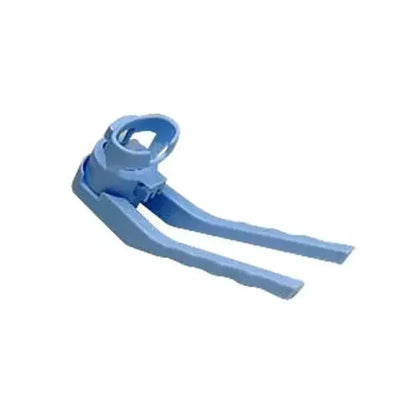
Opticare Arthro 5 Eye Drop Dispenser
Eye Drops & Lubricants£ 10.20UK delivery soon
Order within 2h 14m
In Stock
Authentic 30-day returns 12 viewing -
 Quick view
Appeel
Appeel No Sting Medical Adhesive Remover
Medicine & Drugs£ 23.96UK delivery soon
Order within 2h 14m
In Stock
Authentic 30-day returns 12 viewing -
 Quick view
Opticare
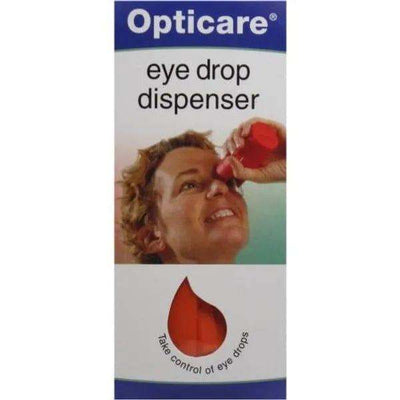
Opticare Arthro 10 Eye Drop Dispenser
Eye Drops & Lubricants£ 11.59UK delivery soon
Order within 2h 14m
In Stock
Authentic 30-day returns 12 viewing -
 Quick view
Kwai
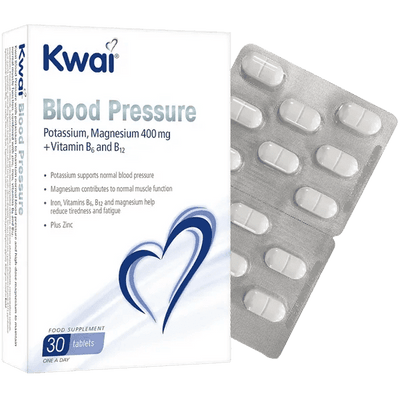
Kwai Blood Pressure Tablets Pack of 30
Medicine & Drugs£ 15.80UK delivery soon
Order within 2h 14m
In Stock
Authentic 30-day returns 12 viewing -
 Quick view
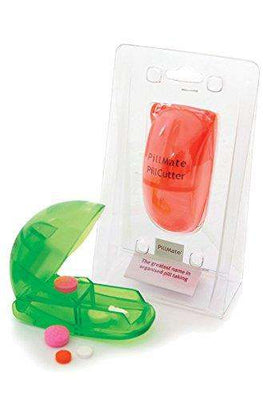
Pillmate
Pillmate Pill Cutter
Health & Beauty£ 5.36UK delivery soon
Order within 2h 14m
In Stock
Authentic 30-day returns 12 viewing -
 Quick view
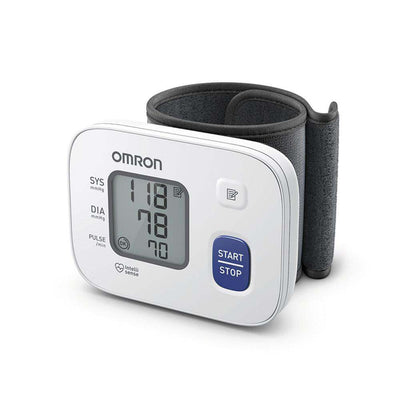
Omron
Omron RS2 Automatic Wrist Blood Pressure Monitor
Blood Pressure Monitors£ 60.84UK delivery soon
Order within 2h 14m
In Stock
Authentic 30-day returns 12 viewing -
 Quick view
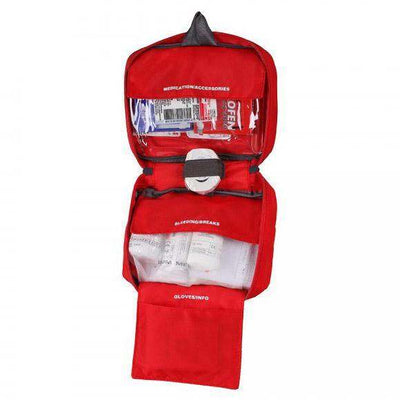
Lifesystems
Lifesystems Explorer First Aid Kit
First Aid Kits£ 39.55UK delivery soon
Order within 2h 14m
In Stock
Authentic 30-day returns 12 viewing -
Sale-12%
 Quick view
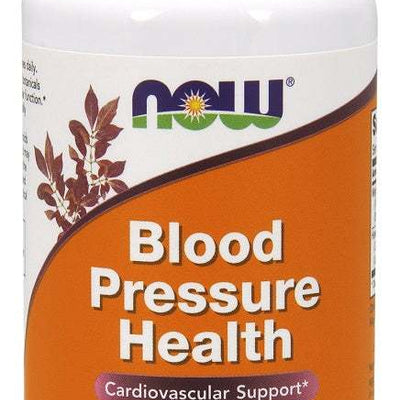
NOW Foods
NOW Foods Blood Pressure Health - 90 vcaps
Health and WellbeingGrape Seed Extract ...£ 24.30£27.58Lowest price in 30 days
UK delivery soon
Order within 2h 14m
In Stock
Authentic 30-day returns 12 viewing -
 Quick view
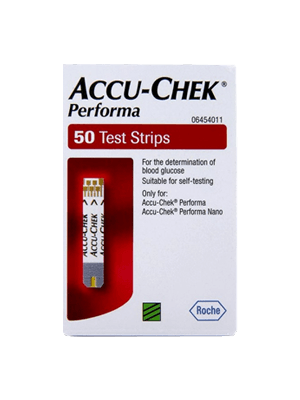
Accu-Chek
Accu-Chek Performa Test Strips
Blood Glucose Test Strips£ 11.56UK delivery soon
Order within 2h 14m
In Stock
Authentic 30-day returns 12 viewing -
Sale-33%
 Quick view
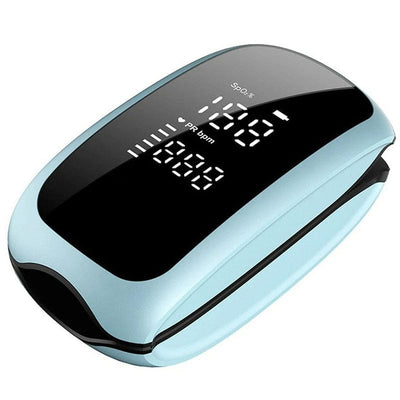
welzo-3
Pulse Oximeter with Strap & Lanyard – Blood Oxygen Saturation Monitor
Specifications: Di...£ 19.99£29.99Lowest price in 30 days
UK delivery soon
Order within 2h 14m
In Stock
Authentic 30-day returns 12 viewing -
 Quick view
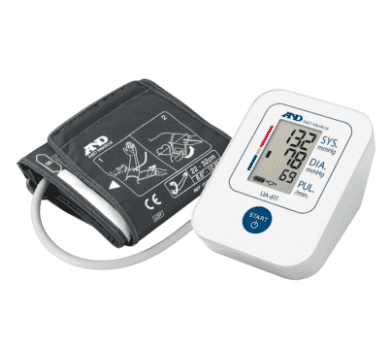
A&D
A&D Blood Pressure Arm Monitor - UA-611
Medicine & Drugs£ 29.54UK delivery soon
Order within 2h 14m
In Stock
Authentic 30-day returns 12 viewing -
 Quick view
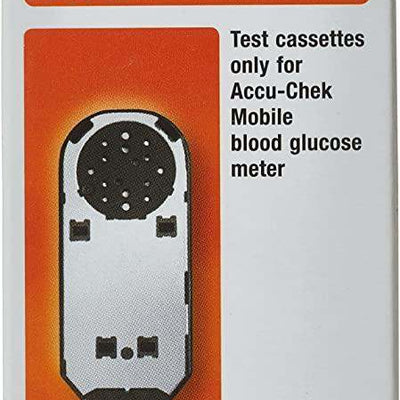
Accu-Chek
Accu-Chek Mobile Test Cassette
Blood Glucose Meters£ 27.30UK delivery soon
Order within 2h 14m
In Stock
Authentic 30-day returns 12 viewing -
 Quick view
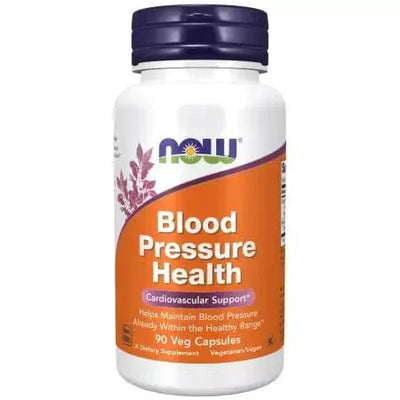
Now Foods
Now Foods Blood Pressure Health 90 Veg Capsules
SupplementsOther Ingredients -...£ 29.59UK delivery soon
Order within 2h 14m
In Stock
Authentic 30-day returns 12 viewing -
 Quick view
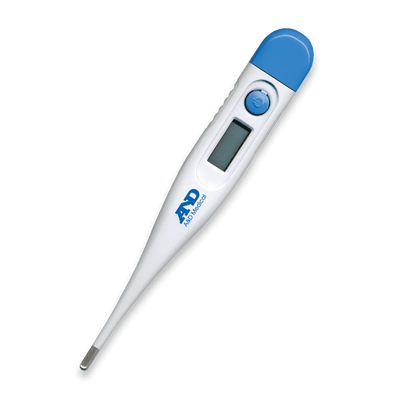
A&D
A&D Digital Thermometer UT-103
Medicine & Drugs£ 2.72UK delivery soon
Order within 2h 14m
In Stock
Authentic 30-day returns 12 viewing -
 Quick view
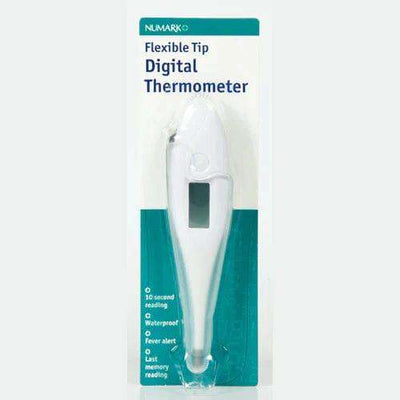
Numark
Numark Flexible Tip Digital Thermometer
Medical Thermometers£ 5.62UK delivery soon
Order within 2h 14m
In Stock
Authentic 30-day returns 12 viewing -
 Quick view
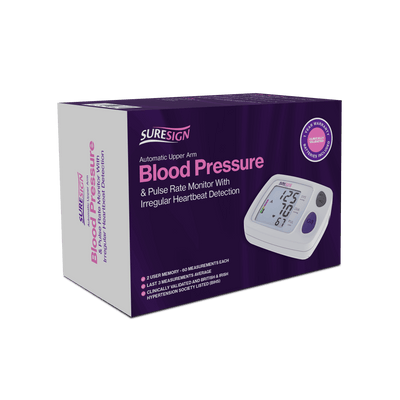
Suresign
SURESIGN Blood Pressure Monitor (New Model)
Medicine & Drugs£ 30.99UK delivery soon
Order within 2h 14m
In Stock
Authentic 30-day returns 12 viewing -
 Quick view
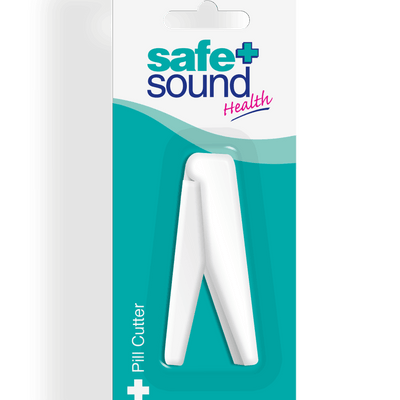
Safe & Sound
Safe & Sound Pill Cutter
Health & Beauty£ 3.77UK delivery soon
Order within 2h 14m
In Stock
Authentic 30-day returns 12 viewing -
 Quick view
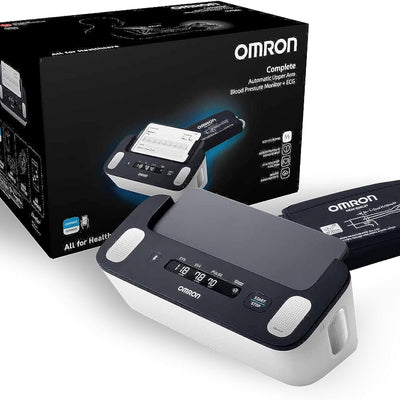
Omron
OMRON Complete 2-in-1 Upper Arm Blood Pressure Monitor & ECG Machine - AFib Detection, Bluetooth App Sync, Clinically Validated, Free 1-Year Premium App Access
Display: No on-devi...£ 499.00UK delivery soon
Order within 2h 14m
In Stock
Authentic 30-day returns 12 viewing
Medical Equipment & Supplies
Medical equipment and medical supplies are essential tools that support health management, diagnostics, treatment and at-home care. Our comprehensive range includes reliable devices, clinical tools and everyday healthcare essentials designed to help individuals, carers and healthcare professionals monitor their wellbeing with confidence. Browse our collection to buy medical equipment online, whether you need diagnostic monitors, first-aid products or advanced home-use medical devices.
What Are Medical Equipment & Supplies?
Medical equipment and supplies include devices and consumables used for monitoring health, managing conditions, supporting treatment and ensuring safe care environments. These products range from diagnostic tools such as thermometers and Blood Pressure Monitors to essential consumables like Medical Gloves, Plasters and Antiseptic Solutions. Many people use medical supplies alongside home health essentials from the Respiratory Devices and Medical Equipment categories for complete health management.
Benefits & Features of Medical Equipment & Supplies
- Accurate monitoring: Devices such as thermometers and blood pressure monitors help track vital health indicators.
- Improved home care: Enables safe and effective management of chronic conditions from home.
- Faster detection: Diagnostic tools can help identify issues early, supporting proactive intervention.
- Safety & hygiene: Supplies such as gloves, bandages and antiseptic sprays help reduce infection risk.
- Convenient & cost-effective: Home-use equipment reduces the need for frequent clinic visits.
- Suitable for all ages: From family first-aid to elderly care and paediatric support products.
Why Medical Equipment Is Important
With more individuals managing health at home, medical equipment plays a vital role in ensuring ongoing wellness. Home monitoring can significantly improve management of conditions such as hypertension, diabetes and respiratory concerns. Products like Thermometers and Nebulisers & Respiratory Devices help families stay prepared for sudden health changes. Consumables such as Bandages and First Aid Supplies ensure fast response to minor injuries.
How to Use Medical Equipment Safely
- Always read the user instructions before operating any medical device.
- Ensure diagnostic tools like BP monitors and thermometers are calibrated and maintained.
- Replace consumables such as gloves, plasters and dressings after each use.
- Store all medical supplies away from direct sunlight and out of reach of children.
- Clean equipment regularly using appropriate antiseptic products such as those found in Antiseptic Creams & Sprays.
- Use respiratory devices with sterile accessories to reduce contamination risk.
Types of Medical Equipment & Supplies Available
- Diagnostics: Including Blood Pressure Monitors, Thermometers and oxygen-related devices.
- Respiratory equipment: Nebulisers, inhalation devices and peak-flow meters.
- First-aid products: Dressings, Bandages, saline pods and first-aid kits.
- Wound care: Plasters, gauzes, adhesive tapes, burn gel and wound-healing sprays.
- Protection & hygiene: Nitrile & Medical Gloves, masks and PPE essentials.
- General clinical tools: Hot/cold packs, supports and braces from the Supports & Braces category.
Most Popular Medical Devices & Supplies
Customers often purchase diagnostic essentials such as digital thermometers, upper arm blood pressure monitors, finger pulse oximeters and rapid first-aid components. Popular consumable products include nitrile gloves, antiseptic sprays and wound dressings, often purchased alongside First Aid Kits for complete home emergency preparation.
Expert Insight, Studies & Statistics
- Home medical monitoring usage in the UK has increased by over 30% in the last five years as more care shifts outside clinical settings.
- Accurate BP monitoring at home can help reduce cardiovascular risk by enabling earlier intervention and better medication adherence.
- Nitrile gloves remain the preferred option in medical environments due to their high resistance to punctures and allergens.
- Digital thermometers are now the most widely used home diagnostic tool for children and adults.
- Studies show that well-stocked first-aid kits can reduce complication rates for minor injuries by up to 40%.
How Welzo Selects Medical Equipment
Welzo prioritises devices and supplies that meet strict safety, accuracy and quality requirements. Products are selected based on:
- Clinical reliability and accurate readings for at-home health monitoring.
- High-quality materials and medical-grade construction.
- User-friendly design suitable for patients of all experience levels.
- Compatibility with categories such as Respiratory Devices and Home Medical Equipment.
Welzo Trust, Quality & Assurance
- Meet the Welzo Specialists
- Quality & Equipment Standards
- Product Certification Guidelines
- Customer Reviews & Experiences
FAQs – Medical Equipment & Supplies
What medical equipment should every home have?
Most households benefit from a thermometer, basic first-aid kit, plasters, antiseptic spray and gloves. For ongoing conditions, devices like BP monitors or respiratory tools may be required.
Are home medical devices accurate?
Most modern home devices are highly accurate when used correctly. Look for clinically validated equipment and follow the user guidelines.
How often should I replace medical supplies?
Consumables like gloves, dressings and plasters should be replaced after each use. Check expiry dates on antiseptics and wound-care items.
Do I need training to use medical equipment?
Most home-use products are designed for simplicity. For more advanced devices, follow the instruction manual or consult a healthcare professional.
How do I store medical supplies safely?
Keep them in a cool, dry place away from heat, moisture and direct sunlight. First-aid kits should be easily accessible.
Can medical devices help manage chronic conditions?
Yes. Devices such as blood pressure monitors and respiratory tools enable continuous monitoring and better condition management.
Is a first-aid kit necessary if I already have bandages?
Yes. A full kit offers a structured, complete set of emergency supplies that bandages alone cannot replace.
What’s the difference between nitrile and latex gloves?
Nitrile gloves are stronger, more puncture-resistant and suitable for those with latex allergies.
Are digital thermometers better than traditional ones?
Digital thermometers provide faster, safer and more accurate readings, making them ideal for children and adults.
Can I use antiseptic sprays on all wounds?
Most minor cuts and grazes are suitable for antiseptic sprays, but deep wounds may require medical attention.
 Rated Excellent by 28,951+ Reviews
 100% Money Back Guarantee