

Your cart is empty
This quantity of item cannot be added to the cart
Continue shopping
Respiratory Devices
4.8on Trustindex
browsing now
Order before 2pm for same-day dispatch
2766+ orders this week
-
 Quick view
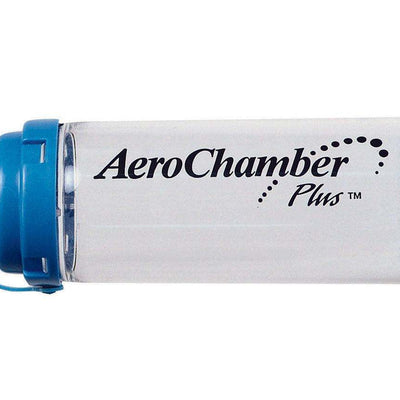
Aerochamber Plus
Aerochamber Plus Device
Health Care£ 12.23UK delivery soon
Order within 2h 14m
In Stock
Authentic 30-day returns 12 viewing -
 Quick view
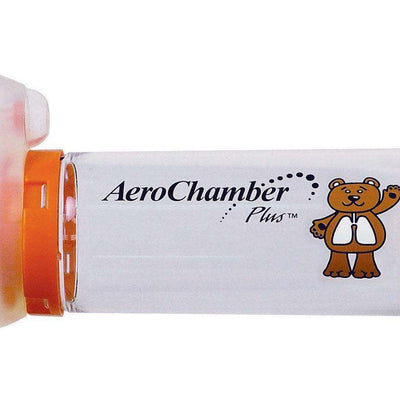
Aerochamber Plus
Aerochamber Plus Adult Device & Mask
Health Care£ 20.34UK delivery soon
Order within 2h 14m
In Stock
Authentic 30-day returns 12 viewing -
 Quick view
Aerochamber Plus
Aerochamber Plus Child Device & Mask
Health Care£ 20.41UK delivery soon
Order within 2h 14m
In Stock
Authentic 30-day returns 12 viewing -
 Quick view
Pharmacy
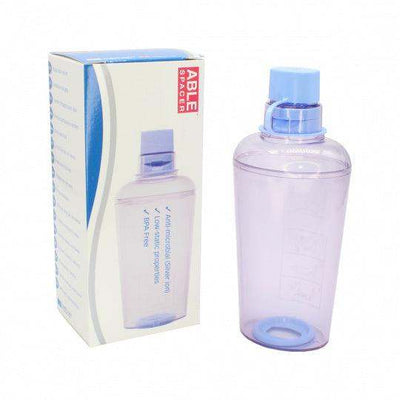
Able Spacer
Health Care£ 10.00UK delivery soon
Order within 2h 14m
Out of stock
Authentic 30-day returns 12 viewing -
 Quick view
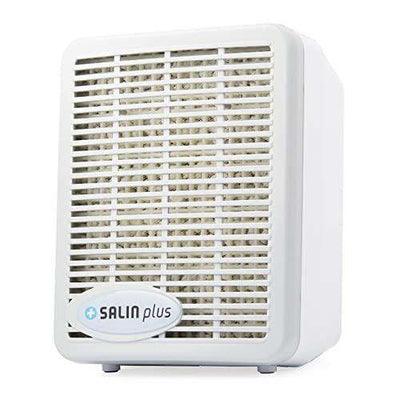
Salin Plus
Salin Plus Air Purifier Device
Health Care£ 127.25UK delivery soon
Order within 2h 14m
Out of stock
Authentic 30-day returns 12 viewing -
 Quick view
Pharmacy
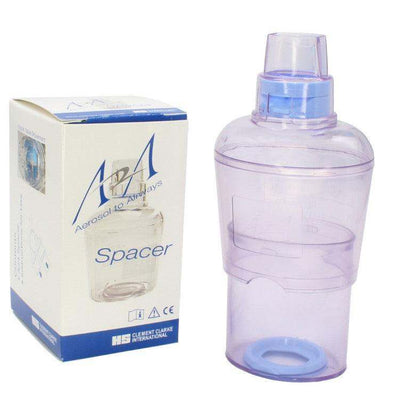
A2A Universal Spacer
Medicine & Drugs£ 3.53UK delivery soon
Order within 2h 14m
Out of stock
Authentic 30-day returns 12 viewing
Respiratory Devices
Welzo’s respiratory devices collection brings together home nebulisers, steam inhalers, peak flow meters, spacers, breathing trainers and related respiratory equipment designed to support easier breathing and lung health. These electrical and non-electrical respiratory products help people manage asthma, bronchitis, COPD, post-viral breathing issues and everyday respiratory comfort, all available to buy online for convenient home use.
What Are Respiratory Devices?
Respiratory devices are tools and machines that support, improve or monitor breathing. They can deliver medication directly into the lungs, help clear mucus from the airways, train respiratory muscles or track how well your lungs are working over time. At-home devices sit alongside prescribed inhalers and medicines, giving people more control over their day-to-day breathing and recovery.
Customers often use this collection alongside related ranges such as asthma medication, lung & respiratory supplements, oxygen concentrators and snoring & sleep breathing aids.
Benefits & Features of the Welzo Respiratory Devices Collection
- Targeted lung delivery: Nebulisers and inhalation devices deliver a fine mist of medication or saline deep into the airways, supporting more efficient treatment.
- Home monitoring: Peak flow meters and other monitors allow you to track changes in breathing, helping to spot flare-ups early.
- Muscle training & rehabilitation: Breathing trainers strengthen respiratory muscles, supporting recovery after illness and improving exercise tolerance.
- Comfort and symptom control: Steam inhalers, saline nebulisers and humidifying devices can ease congestion, dryness and irritation.
- Family-friendly options: Many respiratory devices include different mask sizes or mouthpieces suitable for both adults and children.
- Integration with wider care: Devices are chosen to complement products in medical equipment and blood pressure monitors for a more complete home health set-up.
Why Are Respiratory Devices Important?
Lung function and breathing quality have a direct impact on energy levels, sleep, exercise capacity and overall quality of life. Conditions such as asthma, COPD and post-viral respiratory issues can cause wheezing, chest tightness and breathlessness. Having the right respiratory devices at home helps to:
- Deliver prescribed treatments more effectively.
- Monitor breathing trends rather than relying on occasional checks.
- Respond quickly to early signs of a flare-up.
- Support long-term management plans agreed with healthcare professionals.
- Improve confidence and reassurance for people and families living with respiratory conditions.
How to Use Respiratory Devices Safely & Effectively
- Follow device instructions: Always read the leaflet and follow set-up, cleaning and maintenance guidance carefully.
- Use the correct technique: For nebulisers and spacers, the way you breathe in and out is as important as the device itself. Take slow, steady breaths as recommended.
- Keep equipment clean: Wash and air-dry masks, mouthpieces and chambers regularly to reduce infection risk and keep performance consistent.
- Monitor and record: If you use peak flow or similar devices, record results so you and your clinician can see patterns over time.
- Combine with lifestyle: Staying active where possible, avoiding smoke, managing weight and supporting the immune system (for example with products in immunity supplements) all help your lungs.
- Know your action plan: Use your devices within the asthma or respiratory action plan agreed with your doctor or nurse.
Types of Respiratory Devices Available on Welzo
- Compressor nebulisers: Use compressed air to convert liquid medication into a fine mist that can be inhaled through a mask or mouthpiece.
- Mesh nebulisers: Compact, quiet devices ideal for travel or for children who may dislike larger machines.
- Steam inhalers & saline devices: Offer warm steam or saline mist to help ease congestion and soothe dry or irritated airways.
- Peak flow meters: Handheld devices that measure how fast you can blow air out of your lungs, useful for asthma monitoring.
- Spacers & holding chambers: Attach to inhalers to help deliver more medication into the lungs and reduce medication being deposited in the mouth or throat.
- Breathing trainers: Inspiratory and expiratory trainers that strengthen breathing muscles and support rehabilitation or sports performance.
- Related oxygen equipment: Although often prescribed separately, our oxygen concentrators collection offers further support for more advanced respiratory needs.
Most Popular Uses for Respiratory Devices
People use respiratory devices for a range of reasons, including:
- Supporting regular asthma or COPD management at home.
- Helping children who struggle to use inhalers correctly to receive their medication more easily via a spacer or nebuliser.
- Relieving congestion and irritation during cold and flu season alongside products in the cold remedies and cough syrups collections.
- Improving lung recovery after chest infections or prolonged illness.
- Supporting breathing and sleep quality in people who snore or experience mild sleep-related breathing disturbance.
Expert Insight & Respiratory Health Information
Experts increasingly encourage patients with chronic respiratory conditions to take an active role in monitoring and managing their own health at home. Regular peak flow readings, for example, can show subtle changes in airway narrowing even before symptoms become obvious. Breathing trainers are used in pulmonary rehabilitation programmes to help reduce breathlessness, increase exercise tolerance and support everyday activities.
Nebulisers are especially useful where higher doses of inhaled medication are needed, or where very young children, older adults or those with poor inhaler technique need more support. Simple measures such as humidifying the air, inhaling steam or using saline mists can help loosen mucus and make coughing more effective, particularly in the context of colds and seasonal respiratory infections.
How Welzo Selects Respiratory Devices
Welzo’s respiratory device range is curated to meet the needs of people with varying degrees of respiratory symptoms, from mild congestion to long-term medical conditions. When adding products to this collection, we consider:
- Safety and reliability: Devices must be suitable for home use and meet relevant safety standards.
- Clinical relevance: Preference is given to designs widely used or recommended in respiratory care and rehabilitation.
- Ease of use: Clear instructions, intuitive controls and straightforward cleaning processes.
- Suitability for families: Availability of masks and accessories for both adults and children.
- Compatibility with other Welzo ranges: Seamless use alongside asthma medication, lung & respiratory supplements and other medical equipment.
Trusted by Experts & Quality Assurance at Welzo
Welzo is committed to providing safe, effective and well-tested health products. Our respiratory device range is supported by our wider quality framework, which includes:
- Welzo Staff – learn more about the experts behind our health platform.
- Ingredient Quality & Purity Certifications – how we assess the products we stock.
- Supplement & Product Quality Standards – the benchmarks we use for our ranges.
- Welzo Reviews – real feedback from customers who use Welzo for their health essentials.
FAQs About Respiratory Devices
Do I need a prescription to buy respiratory devices?
Many respiratory devices such as steam inhalers, breathing trainers and peak flow meters can be bought without a prescription. However, medication used in nebulisers and oxygen equipment will usually require a prescription and medical supervision.
Can I use a nebuliser instead of my inhaler?
No. Nebulisers are used in specific situations and do not replace your regular inhaler unless your healthcare professional advises otherwise. They are often used when higher doses are needed, or when people struggle to use an inhaler correctly.
Are respiratory devices safe for children?
Yes, when they are age-appropriate, used with the correct mask size and supervised by an adult. Always follow the product instructions and any guidance you have been given by your child’s doctor or nurse.
How often should I clean my nebuliser or spacer?
Most masks, mouthpieces and chambers should be cleaned after each use and allowed to air-dry completely. Regular deep cleaning and filter changes should follow the manufacturer’s instructions to keep the device working safely and effectively.
What is a peak flow meter and who should use one?
A peak flow meter measures how quickly you can blow air out of your lungs. It is commonly used by people with asthma as part of an action plan to monitor how well their lungs are working from day to day.
Can breathing trainers help if I get breathless easily?
Breathing trainers are often used as part of rehabilitation or exercise programmes to strengthen the muscles used for breathing. Over time, this may help reduce breathlessness and improve tolerance for daily activities, especially when combined with medical treatment and movement.
Are steam inhalers helpful for colds and blocked noses?
Steam inhalers can help loosen mucus and relieve congestion, making it easier to clear your nose and chest. They can be used alongside other cold and flu products such as those in the cold remedies and cough syrups categories.
When should I seek medical help instead of relying on a respiratory device?
You should seek urgent medical advice if you experience severe breathlessness, chest pain, blue lips or fingernails, confusion or if your usual treatment and devices are not controlling your symptoms. Respiratory devices support your care but do not replace professional assessment and treatment.
 Rated Excellent by 28,951+ Reviews
 100% Money Back Guarantee