
Your cart is empty
This quantity of item cannot be added to the cart
Continue shopping
Blood Pressure Monitors
4.8on Trustindex
browsing now
Order before 2pm for same-day dispatch
2766+ orders this week
-
 Quick view
Omron
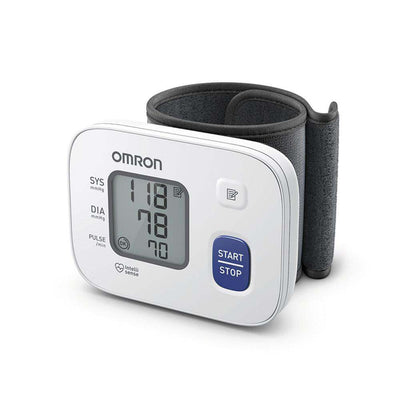
Omron RS2 Automatic Wrist Blood Pressure Monitor
Blood Pressure Monitors£ 60.84UK delivery soon
Order within 2h 14m
In Stock
Authentic 30-day returns 12 viewing -
 Quick view
A&D
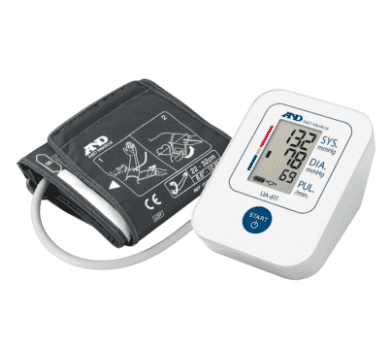
A&D Blood Pressure Arm Monitor - UA-611
Medicine & Drugs£ 29.54UK delivery soon
Order within 2h 14m
In Stock
Authentic 30-day returns 12 viewing -
 Quick view
A&D
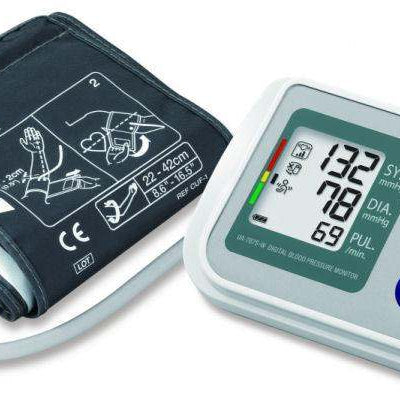
A&D BP Monitor Upper Arm UA767S-W
£ 49.99UK delivery soon
Order within 2h 14m
In Stock
Authentic 30-day returns 12 viewing -
 Quick view
Omron
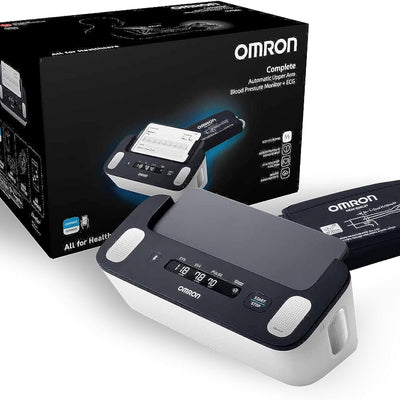
OMRON Complete 2-in-1 Upper Arm Blood Pressure Monitor & ECG Machine - AFib Detection, Bluetooth App Sync, Clinically Validated, Free 1-Year Premium App Access
Display: No on-devi...£ 499.00UK delivery soon
Order within 2h 14m
In Stock
Authentic 30-day returns 12 viewing -
 Quick view
Omron
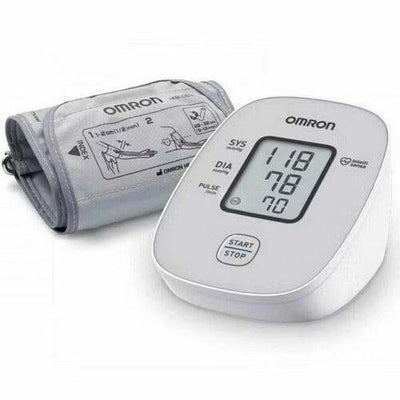
Omron M2 Basic Automatic Upper Arm Blood Pressure Monitor
Blood Pressure Monitors£ 46.80UK delivery soon
Order within 2h 14m
Out of stock
Authentic 30-day returns 12 viewing
Blood Pressure Monitors
Blood Pressure Monitors include Omron & A&D wrist units, smart Bluetooth connected models & arm bands. They are clinically validated for home use in obese people and blood pressure patients. These automatic blood pressure monitors measure systolic and diastolic blood pressure correctly and track pulse rate. They thus support a health management program.
According to Blood Pressure UK & the Irish Hypertension Society, demand for blood pressure monitors is rising due to greater awareness of the importance of early detection of heart attack. They are convenient for at-home cardiovascular monitoring. They support routine checks and long-term health tracking. They are a vital part of a proactive wellbeing.
What are the home blood pressure monitors?
These medical devices measure the force that the flowing blood applies against the blood vessels during heart pumping. Digital BP monitors use oscillometric technology to automatically inflate and detect arterial vibration changes. It clearly displays systolic, diastolic, and pulse readings. Healthcare professionals recommend them for those with hypertension, diabetes, kidney disease, and heart conditions. They are also important for those who need close monitoring at home.
Users often combine these devices with related health categories such as heart health supplements, medical equipment, lung & respiratory support, and diabetes management products. Also visit & read our blog titled, 'Signs and Symptoms of High Blood Pressure'.
Uses of digital blood pressure monitors
-
Accurate home-based monitoring: They track blood pressure trends. They reduce the need of frequent clinic visits.
-
Early detection: They identify BP trends well before symptoms appear. They lower the risk of severe cardiovascular injuries due to lifestyle changes.
-
Medication optimisation: They allow clinicians to adjust doses. The clinicians do not have to rely on occasional readings.
-
Heart health awareness: They help people understand how lifestyle, stress, exercise, and diet affect their BP.
-
Data storage & memory: They can store multiple readings for one or more users. They thus help maintain a long track record of BP.
-
Smart connectivity: We have bluetooth models that synchronise with apps. They can generate charts and averages for long-term tracking.
-
Comfort & usability: Their soft cuffs fit easily. They have a one-button operation for maximum usability.
-
Trusted by clinicians: Our BP monitors are certified for accuracy. They are approved for medical use and have clear instructions.
How to use automatic blood pressure monitors correctly?
-
First of all, sit comfortably and keep your feet flat on the floor. Keep your arms at heart level and back supported.
-
Use an appropriate cuff size. A medium-sized cuff fits most people. Avoid a poorly fitting cuff, as it can disturb the readings.
-
Wait for 30 minutes before taking measurements. Avoid exercises, smoking, and caffeine during that time.
-
Do not move or talk during reading. Remain calm and still.
-
A practical tip is to take 2-3 readings at an interval of a minute for better accuracy. Take the average of these readings.
Types of clinically validated blood pressure monitors available
Different types of blood pressure monitors are;
-
Upper-arm blood pressure monitors
-
Wrist blood pressure monitors
-
Bluetooth & smart BP monitors
-
Multi-user monitors
-
Fully automatic monitors
The choice depends upon your needs and budget. They have a price range of £29.54 to £499.00 at Welzo. OMRON Complete 2-in-1 Upper Arm Blood Pressure Monitor, the most expensive model at Welzo, has 1 year free access to a premium app.
The leading BP monitors available at Welzo are;
-
Omron M2 Basic Automatic upper arm blood pressure monitor- £46.80
-
Omron RS2 Automatic Wrist blood pressure monitor- £57.92
-
A&D Blood Pressure arm monitor- £29.54
-
A&D BP Monitor upper arm UA767S-W- £49.99
-
OMRON Complete 2-in-1 upper arm blood pressure monitor- £499
Expert insights & research on blood pressure
Clinicians highlight that home monitoring improves the reliability of blood pressure measurements because it reduces “white coat hypertension” — elevated readings caused by nervousness during clinical appointments. Studies also show that home BP tracking supports better adherence to treatment, early detection of risk patterns, and improved long-term heart outcomes. Devices with memory storage help doctors review changes over weeks rather than isolated clinic snapshots.
Experts also recommend combining daily readings with lifestyle strategies such as sleep optimisation, exercise, weight management, and nutrient support found in categories like magnesium supplements, omega-3 supplements, and potassium support.
How Welzo selects blood pressure monitors?
-
Clinically validated accuracy: Devices must meet medical-grade measurement standards.
-
Ease of use: Clear interfaces, adjustable cuffs, and one-touch operation.
-
Durability and reliability: Strong build quality makes them suitable for long-term use.
-
Compatibility: These devices integrate seamlessly with wider health collections such as medical equipment and respiratory devices.
FAQs About Blood Pressure Monitors
What are the most accurate blood pressure monitors?
Most accurate blood pressure monitors provide accurate results. The best and most accurate blood pressure monitors are the Omron M2 Basic Automatic upper arm blood pressure monitor, the Omron RS2 Automatic Wrist blood pressure monitor, and the A&D Blood Pressure arm monitor.
What are the best brands of blood pressure monitors?
Omron & A&D are the most trusted UK brands of blood pressure monitors. They provide accurate diastolic and systolic pressure values. Some even provide pulse rate measurements (according to WHO evaluation systems).
Is 140/ 70 blood pressure okay?
Many people focus on just systolic pressure, as it shows the maximum pressure. However, diastolic pressure is also important. 140 mmHg indicates higher blood pressure. It is not okay.
When does the highest blood pressure occur during a day?
The highest blood pressure occurs during the day, a few hours before waking up. It peaks during midday and then declines towards evening and night.
 Rated Excellent by 26,523+ Reviews
 100% Money Back Guarantee