
Your cart is empty
This quantity of item cannot be added to the cart
Continue shopping
Oxygen Concentrators
4.8on Trustindex
browsing now
Order before 2pm for same-day dispatch
2766+ orders this week
-
 Quick view
welzo-3
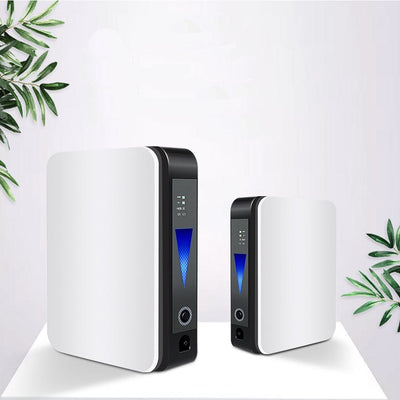
Small Portable Oxygen Concentrator High Concentration for Home Use and Travel 1.88KG
Product Specificati...£ 166.00UK delivery soon
Order within 2h 14m
Out of stock
Authentic 30-day returns 12 viewing -
Sale-31%
 Quick view
welzo-3
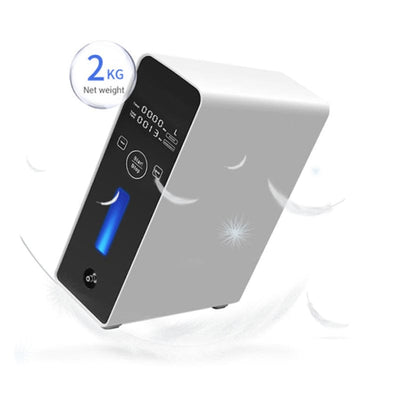
Medium Portable Oxygen Filtration Machine Concentrator High Concentration for Home Use and Travel 2kg
Product Specificati...£ 179.00£259.00Lowest price in 30 days
UK delivery soon
Order within 2h 14m
In Stock
Authentic 30-day returns 12 viewing
Oxygen Concentrators
Oxygen concentrators are home and portable oxygen-support devices designed to deliver oxygen-enriched air by filtering and concentrating oxygen from the surrounding environment. Often described as oxygen machines, oxygen therapy devices, or oxygen generators (in a consumer sense), they’re used to support comfortable breathing routines, recovery-focused wellness, and daily at-home support where a steadier, more concentrated airflow is preferred.
On Welzo, customers can purchase oxygen concentrators online and choose from options suited to different routines—whether you’re looking for an adjustable-flow unit for home use or a more flexible setup that fits into a travel or wellness plan. Browse the collection to compare features, flow settings, noise levels, and accessories, then buy online through Welzo for convenient delivery.
What are Oxygen Concentrators?
An oxygen concentrator is a device that takes in ambient air, removes a portion of nitrogen, and outputs oxygen-enriched air through a mask or nasal cannula (depending on the model and intended use). In simple terms: device → filters air → delivers higher-oxygen airflow. Many modern models use pressure swing adsorption (PSA) technology, internal compressors, and filters to maintain a consistent output.
Oxygen concentrators are commonly used in home settings for comfort and support, and some models include humidification compatibility or atomisation-style features for a smoother user experience. The right choice depends on the use case—continuous routine use, occasional support, or wellness-oriented sessions—along with practical factors like flow range, portability, and maintenance needs.
Benefits and Features of the Welzo Oxygen Concentrators Collection
Welzo’s oxygen concentrators collection focuses on practical, user-friendly devices that make oxygen-enriched airflow easier to integrate into day-to-day routines. Key benefits and features you’ll commonly see across the range include:
- Adjustable flow settings to match different comfort preferences and routine needs.
- Home-friendly design with straightforward controls, readable displays, and stable performance.
- Filtration-led oxygen concentration for a more consistent oxygen-enriched output versus basic air movement devices.
- Accessory compatibility (varies by device), such as humidification bottles or tubing options.
- Wellness and recovery fit for users building a broader home support routine.
If you’re also building a broader breathing-support setup, you may want to compare related devices like Respiratory Devices or targeted comfort options such as Steam Inhalers for congestion and sinus routines.
Why are Oxygen Concentrators Important?
Oxygen concentrators can be important because they help users maintain a steady routine of oxygen-enriched airflow in a convenient, home-based format—especially for individuals who want structured breathing support as part of comfort, recovery, or daily wellbeing. They can also be useful when you want something more consistent than short-session approaches like steam-only routines.
For some users, oxygen concentrators are part of a wider “sleep and breathing comfort” plan. If this is relevant, you may also explore supportive categories like Nasal Congestion and Snoring, which focus on airflow support and nighttime comfort.
Best Products in Oxygen Concentrators
The “best” oxygen concentrator depends on your goals and environment. When comparing options, consider:
- Flow range: Adjustable settings (e.g., low-to-higher L/min ranges) can suit different routines.
- Noise level: Important for shared spaces, evening use, or quieter environments.
- Portability: Some users prefer lighter designs or easier storage for occasional sessions.
- Ease of maintenance: Simple filter access and clear replacement guidance are key.
- Included accessories: Tubing, masks/cannulas, and humidification options vary by model.
If you’re building a broader at-home wellness setup, oxygen concentrators are often explored alongside items in Health Tech (where you’ll find other home-support devices and recovery-focused tech).
How to Use Oxygen Concentrators?
Always follow the specific instructions provided with your device. In general, most oxygen concentrators are used in a routine like this:
- Placement: Position the concentrator on a stable surface with adequate ventilation around vents.
- Set up: Connect tubing and the appropriate interface (mask/cannula) if included and suitable for your device.
- Power on: Turn on and allow any recommended “warm-up” time if specified by the manufacturer.
- Set flow: Choose the recommended flow setting (especially if you have clinician guidance).
- Session: Use for the recommended duration, staying attentive to comfort and fit.
- Aftercare: Power down, store tubing cleanly, and maintain filters as instructed.
For households that also monitor general well-being metrics alongside breathing support, you might pair routines with measurement tools like Blood Pressure Monitors (where appropriate for your personal health tracking plan).
Are there any side effects or interactions of Oxygen Concentrators?
Oxygen concentrators are devices rather than ingestible products, but they can still involve safety considerations. Potential issues may include nasal dryness, discomfort from poor mask/cannula fit, irritation from unclean tubing, or headaches if used incorrectly. Using the wrong flow settings or using oxygen support without proper guidance can be inappropriate for some individuals.
If you have a diagnosed condition, use prescribed oxygen, or have concerns about symptoms, seek advice from a qualified clinician before changing any oxygen routine. Also ensure you keep devices clean and maintained, as hygiene and filter care can affect comfort and performance.
What Are the Different Types of Oxygen Concentrators Available?
Oxygen concentrators generally fall into a few practical categories (availability varies by stock and model type):
- Home (stationary) concentrators: Designed for stable placement, longer sessions, and consistent performance.
- Portable-style concentrators: Designed for easier movement and storage (portability varies widely).
- Adjustable-flow concentrators: Offer broader control over output for different routines.
- Accessory-compatible models: Some support humidification bottles or atomisation-style add-ons (model-dependent).
For a wider home-support context, some users also browse Medical Equipment to compare complementary devices used in daily health routines.
What Are the Most Popular Oxygen Concentrators Products Available?
Popular oxygen concentrator choices often share a few traits: reliable concentration performance, straightforward controls, adjustable flow ranges, and an easy-to-clean setup. Users frequently prioritise:
- Stable output for consistent daily routines
- Clear display and simple dial/button controls
- Manageable noise levels
- Practical accessories and easy replacement parts
If you’re looking to integrate oxygen support into a broader respiratory comfort routine, complementary categories like Cough Syrups may be relevant when building an “in-season” support plan (depending on your needs).
Statistics, Research, Expert Information, and Quotes on Oxygen Concentrators
Oxygen concentrators are widely used in clinical and home settings because they provide a practical way to deliver oxygen-enriched airflow without relying on traditional cylinder refills. From a technology standpoint, the core principle is consistent: concentrate oxygen from ambient air through filtration and compression to provide a controlled output.
Expert guidance typically emphasises choosing an appropriate flow range, maintaining the device correctly (filters, tubing hygiene, and airflow clearance), and using clinician advice where oxygen therapy is medically indicated. When shopping, focus on functional specifications and safety-led handling, rather than relying on marketing terms alone.
How We Select Our Oxygen Concentrators Collection on Welzo
Welzo’s selection approach is designed to make it easier to choose oxygen concentrators that are practical for real homes and routines. We look for devices that support:
- Clear, user-friendly operation (simple controls, understandable settings)
- Practical home usage (stable design, ventilation considerations, manageable size)
- Quality-led construction and reliable performance expectations
- Maintenance clarity (filter care guidance and sensible ongoing upkeep)
Where relevant, we also consider how devices fit into broader wellbeing routines featured across our store, such as respiratory comfort, home health tech, and daily monitoring essentials.
Trusted by Experts and Verified Oxygen Concentrators Quality on Welzo
Welzo prioritises products that align with safety expectations and practical, real-world use. Oxygen concentrators in this collection are chosen with usability, performance clarity, and customer experience in mind—so you can shop confidently and compare devices based on the features that matter most: flow control, comfort, maintenance, and suitability for your routine.
Customer Reviews
To read verified feedback from shoppers across Welzo, visit our customer reviews page: Welzo Reviews.
Internal Links to Trust Pages
Learn more about how Welzo maintains quality and trust across the platform: Welzo Staff, Ingredient Quality & Purity Certifications, Supplement Quality Standards & Certifications.
Related Categories You May Find Useful
If you’re building a more complete home support setup beyond a single device, you can tailor your routine with closely related categories. For example, users who want practical everyday health items often browse Over-the-Counter Products, while those seeking seasonal comfort may explore Cold Remedies as part of a broader household plan.
For general convenience shopping across the site, you can also explore New In Welzo for newly added items, or view a wider range via All Products.
FAQs (Frequently Asked Questions)
What is the difference between an oxygen concentrator and an oxygen cylinder?
An oxygen concentrator filters oxygen from ambient air and provides a continuous output while powered, whereas a cylinder stores compressed oxygen and must be refilled or replaced when empty.
Which oxygen concentrator flow rate is best for home use?
The best flow rate depends on your routine and (if applicable) clinical guidance. Many home users prioritise adjustable-flow devices so they can match comfort preferences and session goals.
Are oxygen concentrators suitable for wellness and recovery routines?
Some users incorporate oxygen-enriched airflow into relaxation or recovery-focused routines. If you have a medical condition or are prescribed oxygen therapy, always follow your clinician's advice before changing usage.
Do oxygen concentrators need regular maintenance?
Yes. Most devices require routine filter checks/cleaning, tubing hygiene, and ensuring ventilation areas remain clear. Always follow the manufacturer’s maintenance instructions.
How noisy are oxygen concentrators for bedrooms or shared spaces?
Noise varies by model and operating settings. If you plan to use a device in quieter environments, compare product specifications and reviews that mention noise and comfort.
Can I use an oxygen concentrator without a humidifier?
Some users do, but dryness can be a concern depending on session length and personal sensitivity. Certain models support humidification accessories—check the device specifications.
How long can I run an oxygen concentrator each day?
This depends on device design and intended use. Always follow the product guidance for recommended session duration, rest periods, and safety considerations.
What safety precautions should I follow when using an oxygen concentrator at home?
Keep the device well-ventilated, avoid blocking vents, use correct tubing and fittings, maintain hygiene, and follow any safety instructions regarding heat sources and airflow clearance.
Are portable oxygen concentrators the same as stationary models?
Not always. Portable-style devices may prioritise storage and movement convenience, while stationary models often focus on stable home performance. Compare weight, output method, and flow range.
How do I choose the best oxygen concentrator for my needs?
Start with your use case (home routine vs occasional use), then compare flow range, noise level, maintenance ease, included accessories, and customer feedback for real-world comfort and reliability.
 Rated Excellent by 26,523+ Reviews
 100% Money Back Guarantee