

Your cart is empty
This quantity of item cannot be added to the cart
Continue shopping
Bandages, Dressings & Plasters (Wound Care)
4.8on Trustindex
browsing now
Order before 2pm for same-day dispatch
2766+ orders this week
-
 Quick view
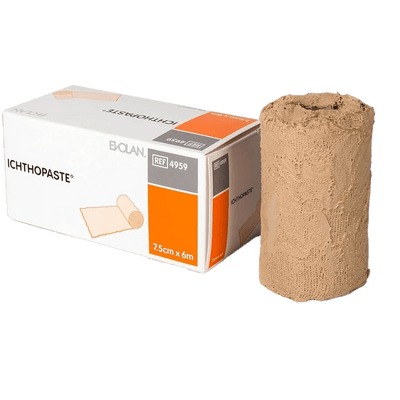
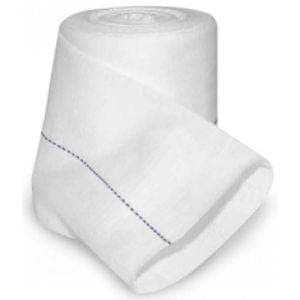
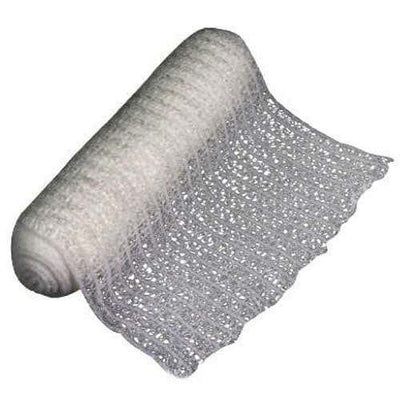
Ichthopaste
Ichthopaste Bandage 7.5cm x 6m
Medicine & DrugsOpen woven cloth im...£ 9.43UK delivery soon
Order within 2h 14m
In Stock
Authentic 30-day returns 12 viewing -
 Quick view
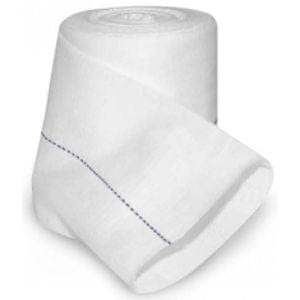
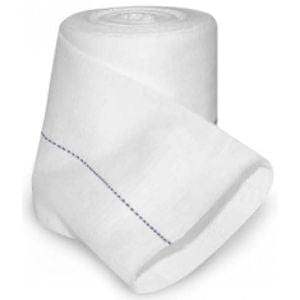
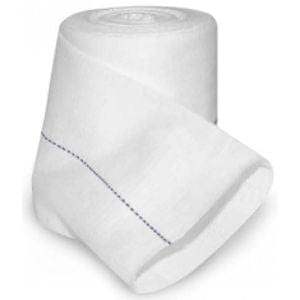
Actifast
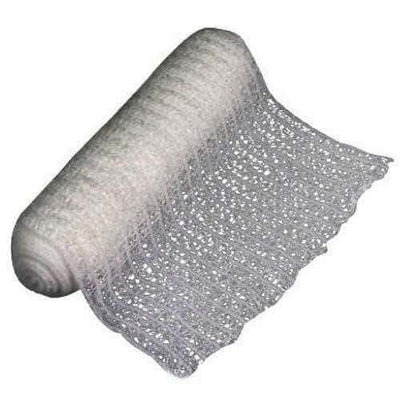
Actifast Tubular Retention Bandage Blue 7.5cm x 5m
Medicine & DrugsA blend of nylon an...£ 8.75UK delivery soon
Order within 2h 14m
In Stock
Authentic 30-day returns 12 viewing -
 Quick view
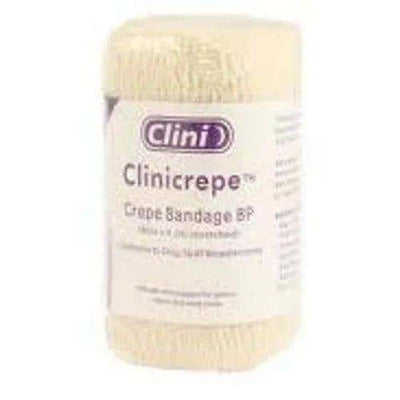
Clinicrepe
Clinicrepe Crepe Bandage
Medical Tape & Bandages£ 2.47UK delivery soon
Order within 2h 14m
In Stock
Authentic 30-day returns 12 viewing -
 Quick view
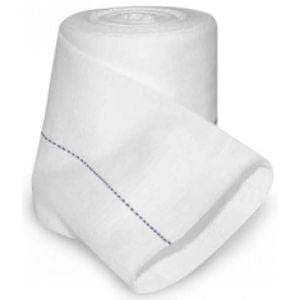
Actifast
Actifast Tubular Retention Bandage Yellow 10.75cm x 5m
Medicine & DrugsViscose 52% & elast...£ 14.12UK delivery soon
Order within 2h 14m
In Stock
Authentic 30-day returns 12 viewing -
 Quick view
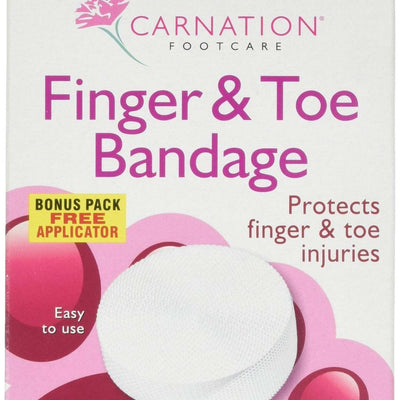
Carnation
Carnation Finger & Toe Bandage 4m
Medical Tape & Bandages£ 5.67UK delivery soon
Order within 2h 14m
In Stock
Authentic 30-day returns 12 viewing -
 Quick view
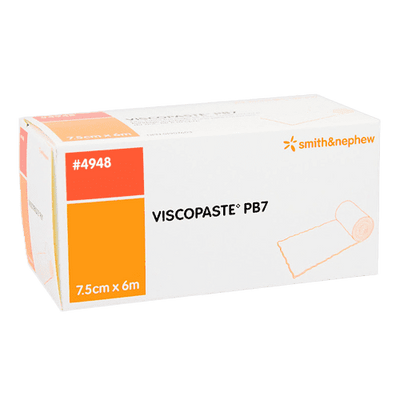
Ichthopaste
Viscopaste Bandage 7.5cm x 6m
Medicine & Drugs£ 9.35UK delivery soon
Order within 2h 14m
In Stock
Authentic 30-day returns 12 viewing -
 Quick view
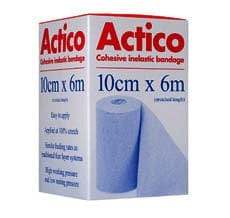
Actico
Actico Cohesive Short Stretch Bandage 10cm x 6m
Medicine & DrugsActico® is expertly...£ 7.98UK delivery soon
Order within 2h 14m
In Stock
Authentic 30-day returns 12 viewing -
 Quick view
K-plus
K-plus Light Compression Bandage 10cm x 8.7m
Medicine & DrugsIt has a breathable...£ 5.36UK delivery soon
Order within 2h 14m
In Stock
Authentic 30-day returns 12 viewing -
 Quick view
Actifast
Actifast Tubular Retention Bandage Purple 20cm x 1m
Medicine & Drugs£ 7.49UK delivery soon
Order within 2h 14m
In Stock
Authentic 30-day returns 12 viewing -
 Quick view
K-band
K-band Conforming Bandage 15cm x 4m
Medicine & DrugsNylon and viscose£ 1.22UK delivery soon
Order within 2h 14m
In Stock
Authentic 30-day returns 12 viewing -
 Quick view
K-band
K-band Conforming Bandage 5cm x 4m
Medicine & Drugs£ 0.49UK delivery soon
Order within 2h 14m
In Stock
Authentic 30-day returns 12 viewing -
 Quick view
Actifast
Actifast Tubular Retention Bandage Yellow 10.75cm x 1m
Medicine & Drugs£ 2.81UK delivery soon
Order within 2h 14m
In Stock
Authentic 30-day returns 12 viewing -
 Quick view
Clinicrepe
Clinicrepe Cotton Stretch Bandage
Medical Tape & Bandages£ 1.22UK delivery soon
Order within 2h 14m
In Stock
Authentic 30-day returns 12 viewing -
 Quick view
Actifast
Actifast Tubular Retention Bandage Yellow 10.75cm x 3m
Medicine & DrugsHigh-quality£ 8.17UK delivery soon
Order within 2h 14m
In Stock
Authentic 30-day returns 12 viewing -
 Quick view
K-band
K-band Conforming Bandage 10cm x 4m
Medicine & Drugs£ 0.68UK delivery soon
Order within 2h 14m
In Stock
Authentic 30-day returns 12 viewing -
 Quick view
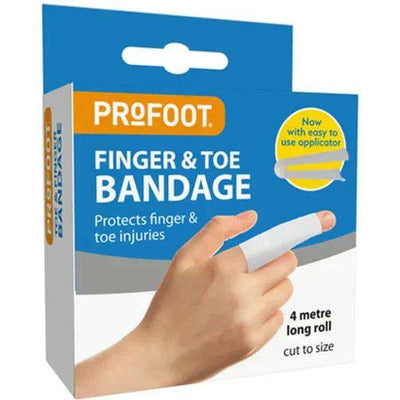
Profoot
Profoot Finger & Toe Bandage 4 Metre Roll
Medical Tape & Bandages£ 3.80UK delivery soon
Order within 2h 14m
In Stock
Authentic 30-day returns 12 viewing -
 Quick view
Actifast
Actifast Tubular Retention Bandage Green 5cm x 3m
Medicine & Drugs£ 3.80UK delivery soon
Order within 2h 14m
In Stock
Authentic 30-day returns 12 viewing -
 Quick view
Actifast
Actifast Tubular Retention Bandage Red 3.5cm x 1m
Medicine & Drugs£ 1.32UK delivery soon
Order within 2h 14m
In Stock
Authentic 30-day returns 12 viewing
Bandages, Dressings & Plasters (Wound Care)
Bandages, Dressings & Plasters (Wound Care) form the core of every reliable first aid setup, helping to protect wounds, stop bleeding, prevent infection and support healing. This collection includes adhesive plasters, sterile dressings, gauze pads, elastic bandages, cohesive wraps and advanced wound-care solutions suitable for home, workplace, travel and clinical settings. Whether you’re managing minor cuts, abrasions, blisters, sprains or postoperative wounds, you can buy high-quality wound-care supplies online for fast and effective treatment.
What Are Bandages, Dressings & Plasters?
Bandages, dressings and plasters are essential wound-care materials designed to protect injured skin, absorb fluids, cushion sensitive areas and secure healing. Plasters are adhesive, ready-to-use coverings for small cuts. Dressings provide sterile coverage for larger, deeper or more delicate wounds. Bandages help support injured areas, secure dressings in place and reduce swelling. Together, they form a complete wound-care system.
Many people combine this category with related ranges like First Aid, Antiseptics, Thermometers, PPE and Wound Care for comprehensive protection.
Benefits & Features of the Bandages, Dressings & Plasters Collection
- Promotes clean, protected healing: Sterile dressings and modern adhesive plasters shield wounds from bacteria, dirt and friction.
- Controls bleeding: Absorbent pads and compression bandages help stop minor bleeding quickly and safely.
- Reduces infection risk: Covered wounds remain cleaner and drier, helping the body heal more effectively.
- Supports injured joints: Elastic and cohesive bandages help stabilise sprains and reduce swelling.
- Comfort for everyday injuries: Soft, breathable plasters and cushioned dressings help protect sore areas while you carry on with daily activities.
- Suitable for all ages: Options available for infants, children and adults when paired with Children’s First Aid and Baby & Child Health.
Why Are Bandages, Dressings & Plasters Important?
Minor injuries such as cuts, grazes, scrapes and burns require fast and hygienic attention to prevent complications. Leaving wounds uncovered increases the chance of contamination, bleeding, irritation and delayed healing. High-quality wound-care supplies ensure you can:
- Clean and cover wounds immediately.
- Stop bleeding and protect exposed tissue.
- Support sprains, strains and soft-tissue injuries.
- Reduce pain through cushioning and secure protection.
- Handle emergencies more confidently, especially when combined with First Aid Kits.
How to Use Bandages, Dressings & Plasters Safely
- Clean the wound first: Use water or an antiseptic from the Antiseptics range to remove dirt and bacteria.
- Choose the correct dressing size: Dressings should fully cover the wound with extra margin around the edges.
- Apply gentle pressure: For bleeding, use an absorbent dressing and press lightly for several minutes.
- Secure with a bandage: Wrap an elastic or cohesive bandage to keep dressings in place or to support joints.
- Change regularly: Replace plasters and dressings daily or whenever they become wet or dirty.
- Seek medical help: If wounds are deep, show signs of infection or do not improve after a few days.
Types of Bandages, Dressings & Plasters Available
- Adhesive plasters: Everyday plasters for small cuts, available in waterproof, fabric, cushioned and hypoallergenic options.
- Sterile dressings: Larger absorbent pads for deeper wounds, burns, abrasions and postoperative care.
- Gauze pads & rolls: Soft, breathable wound coverings ideal for cleaning and secondary dressings.
- Elastic bandages: Provide compression and support for sprains and muscle injuries.
- Cohesive wrap bandages: Self-adhering bandages that stay in place without clips or tape.
- Finger & blister plasters: Special shapes designed for fingertips, heels and high-friction areas.
- Burn dressings: Cooling, gel-based dressings that soothe and protect minor burns.
- Wound-closure strips: Sterile adhesive strips that help keep clean cuts closed and supported.
Expert Insight & Wound-Care Best Practice
Experts emphasise that wound management should prioritise cleanliness, moisture balance and protection. Contrary to old advice, wounds often heal better when kept slightly moist under a sterile dressing rather than being left exposed. Cushioned plasters reduce friction and protect delicate healing tissue, while cohesive bandages help support mobility-related injuries without restricting circulation.
For those with sensitive skin or allergies, hypoallergenic plasters and latex-free bandages offer gentle alternatives. Frequent travellers and families with active children benefit from keeping kits topped up using items from Plasters, Bandages and Wound Care.
How Welzo Selects Bandages, Dressings & Plasters
Welzo curates wound-care supplies based on durability, sterility and ease of use. Selection criteria include:
- High-quality sterile packaging: Dressings and plasters must remain hygienic until use.
- Comfort and performance: Products should adhere well without causing irritation or pulling skin harshly.
- Diverse household needs: Options for sports injuries, workplace compliance, travel and child-friendly wound care.
- Compatibility with first aid kits: Supplies that pair well with items from First Aid Kits, PPE and Wound Care.
- Clear instructions: User-friendly packaging to ensure quick, confident application.
Welzo Quality & Trust
FAQs – Bandages, Dressings & Plasters
What type of plaster is best for small cuts?
Standard adhesive plasters work for most everyday cuts, but waterproof or fabric plasters may be better if the area moves frequently or gets wet.
How often should I change a dressing?
Change dressings at least once per day or whenever they become wet, loose or dirty.
What’s the difference between a dressing and a plaster?
Plasters are small adhesive coverings with an absorbent pad, while dressings are larger, sterile pads requiring tape or a bandage to secure.
Can bandages help with sprains?
Yes, elastic or cohesive bandages provide light compression and support, helping reduce swelling and discomfort.
Are cohesive bandages reusable?
No—cohesive bandages are single-use. Once removed, they should be replaced with a fresh bandage.
How do I treat a blister?
Clean the area gently, use a blister plaster for cushioning, and avoid popping the blister unless medically advised.
What should I do if a wound looks infected?
Signs like redness, swelling, warmth, foul smell or pus require medical attention. Do not rely on plasters alone—seek advice promptly.
Can I use children’s plasters on adults?
Yes—they work the same, though they may be smaller. Adults often choose them for delicate skin or fun designs.
Do I need latex-free bandages?
If you or someone in your household has latex sensitivity, always choose latex-free options to avoid irritation or reactions.
Should wounds be left uncovered?
No—wounds generally heal faster and more safely when protected by a sterile dressing that keeps them clean and slightly moist.
 Rated Excellent by 28,951+ Reviews
 100% Money Back Guarantee