
Your cart is empty
This quantity of item cannot be added to the cart
Continue shopping
Essential PPE for Workplace Protection
4.8on Trustindex
browsing now
Order before 2pm for same-day dispatch
2766+ orders this week
-
 Quick view
welzo
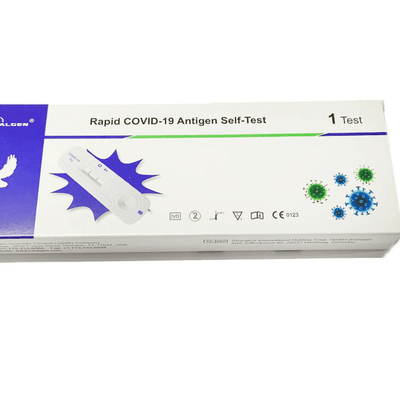
COVID-19 Rapid Antigen Test with Fit to Fly Certificate
Medical Tests£ 39.00UK delivery soon
Order within 2h 14m
In Stock
Authentic 30-day returns 12 viewing -
Sale-20%
 Quick view
welzo
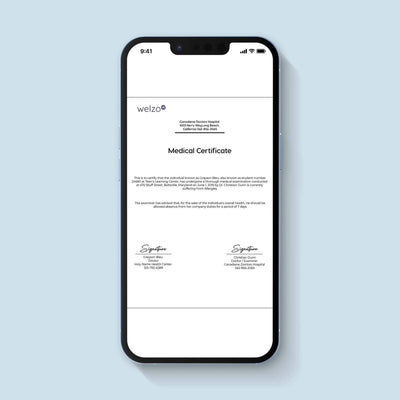
Covid 19 Recovery Certificate
£ 39.00£49.00Lowest price in 30 days
UK delivery soon
Order within 2h 14m
In Stock
Authentic 30-day returns 12 viewing -
 Quick view
Fashion
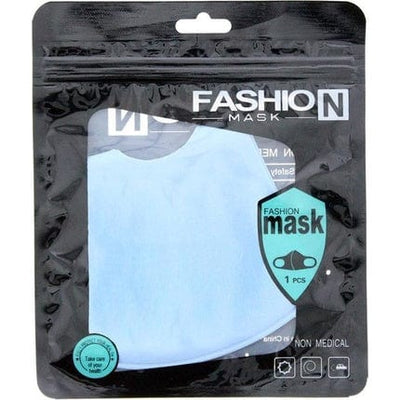
Fashion Reusable Blue Mask
Health & Beauty£ 1.74UK delivery soon
Order within 2h 14m
Out of stock
Authentic 30-day returns 12 viewing -
 Quick view
Generic Brand
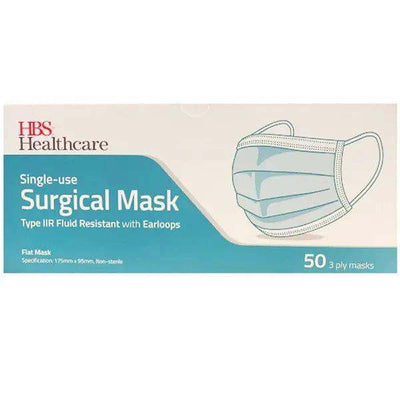
Surgical 3-Ply Disposable Type IIR Medical Face Mask with Ear Loop Pack of 50
Health Care£ 3.58UK delivery soon
Order within 2h 14m
Out of stock
Authentic 30-day returns 12 viewing
Essential PPE for Workplace Protection
Essential PPE for Workplace Protection includes the critical safety equipment used to reduce risks, prevent contamination and protect staff across all professional environments. Whether used in healthcare, laboratories, hospitality, retail, manufacturing, construction or office settings, PPE helps safeguard employees from hazards such as bacteria, chemicals, infectious droplets, sharp objects and everyday workplace injuries. This collection offers disposable gloves, face masks, protective aprons, sanitising supplies and other workplace essentials available to buy online with fast delivery.
What Is Workplace PPE?
Workplace PPE (Personal Protective Equipment) refers to protective items worn or used to reduce exposure to hazards that cannot be eliminated by engineering or administrative controls alone. PPE can include masks, respirators, gloves, visors, aprons, sanitising products and specialist protective equipment depending on the risks present. Effective PPE helps maintain a safe environment, protect staff, comply with workplace safety regulations and prevent cross-contamination.
Workplaces often integrate PPE with related categories such as PPE, Disposable Gloves, Face Masks, First Aid Kits, Wound Care, Antiseptics and Medical Equipment to build complete health and safety protocols.
Benefits & Features of Essential Workplace PPE
- Reduces contamination risks: Helps protect staff from bacteria, chemicals, infectious droplets and irritants.
- Improves workplace safety: Essential for frontline teams, healthcare workers, manufacturing staff and high-contact roles.
- Supports compliance: Meets the expected safety standards for UK workplaces.
- Protects employees and customers: Reduces the spread of illness and maintains professional hygiene standards.
- Boosts staff confidence: Employees feel safer knowing adequate PPE is available and used correctly.
- Suitable for all industries: Healthcare, construction, warehouses, food handling, laboratories, beauty services, offices and education.
Why Workplace PPE Is Important
PPE is a fundamental part of occupational safety, especially in environments where employees face unavoidable risks. Research across workplace health indicates that:
- Appropriate PPE use can reduce workplace contamination incidents by up to 70%.
- Hand protection (gloves) can prevent 30–40% of avoidable injuries in manual or healthcare settings.
- Face coverings and masks significantly reduce droplet transmission in close-contact work environments.
- Regular sanitising practices can decrease surface cross-contamination by over 50%.
Workplace PPE is not only a requirement for compliance but a critical tool for safeguarding employee wellbeing, preventing operational disruption and maintaining a professional standard of hygiene.
How to Use PPE Correctly in the Workplace
- Perform a risk assessment: Identify hazards and select PPE suited to the environment.
- Wear items in the correct order: Typically gloves last, masks first, depending on workplace guidelines.
- Ensure proper fit: Ill-fitting PPE reduces effectiveness. Sizes should be appropriate for staff.
- Use single-use PPE correctly: Dispose of gloves, masks and aprons immediately after use.
- Maintain hygiene: Combine PPE with hand sanitisers, antiseptics and cleaning products.
- Regular replacement: Worn or contaminated PPE should be replaced promptly.
- Train staff: Proper demonstration and training improve consistent usage and safety outcomes.
Types of PPE Available in This Collection
- Nitrile & Latex Gloves: Disposable protective gloves for hygiene, patient care and chemical resistance.
- Face Masks & Coverings: Includes disposable medical masks and workplace-appropriate coverings.
- Protective Aprons: Disposable aprons used in healthcare, cleaning, food handling and clinical settings.
- Sanitisers & Antiseptics: Alcohol rubs and skin-safe disinfectants from Antiseptics.
- Face Shields & Visors: Protection for the eyes and face against splashes or droplets.
- First Aid Supplies: Workplace kits and compliance packs from the First Aid category.
- Wound Care: Dressings, bandages and plasters from Wound Care.
- Medical Equipment: Thermometers, pulse oximeters and basic diagnostic tools.
Expert Insights & Workplace Safety Guidance
Health and safety specialists emphasise that PPE works best when combined with proper training, risk management and environmental controls. Experts highlight the following considerations:
Specialist Commentary:
“PPE is most effective when workers understand how and when to use it. The right equipment, combined with proper hygiene and training, significantly lowers occupational risk and improves workplace safety culture.” — Workplace Safety Advisor
Key Industry Statistics:
- Workplaces with consistent PPE protocols report up to 60% fewer hygiene-related disruptions.
- In healthcare and care homes, regular PPE use helps reduce cross-infection rates by over 50%.
- Proper glove use prevents thousands of minor injuries annually in manual labour roles.
How Welzo Selects PPE Products
Welzo curates its PPE collection with a focus on reliability, durability and safe materials. Our selection principles include:
- Industry suitability: Products appropriate for medical, industrial and commercial environments.
- Quality assurance: Strong materials, laboratory-tested protection and compliance with UK standards.
- Easy usability: PPE designed for comfort, proper fit and all-day wear.
- Hygiene standards: Disposable gloves, masks and aprons chosen for high cleanliness and safety.
- Integration: Compatibility with First Aid, Wound Care, Antiseptics and Medical Equipment ranges.
Welzo Workplace Safety Standards
- Welzo Clinical & Safety Team
- Quality & Purity Certification Standards
- Product Safety & Compliance
- Customer Reviews
FAQs – Essential PPE for Workplace Protection
What PPE is required in most workplaces?
Common PPE includes gloves, masks, aprons, sanitiser and basic first-aid supplies. High-risk roles may require face shields or specialised equipment.
How often should disposable PPE be changed?
Single-use PPE should be replaced after each task, contamination event or whenever visibly soiled.
Are nitrile gloves better than latex?
Nitrile gloves are more chemical-resistant and suitable for latex-sensitive users, making them a popular workplace choice.
Do all industries need PPE?
Most workplaces require some form of PPE, though the level required depends on the specific environment and risk assessment.
Can PPE prevent illness in the workplace?
Yes. Combined with sanitisation and good hygiene practices, PPE significantly reduces illness transmission.
Is workplace PPE reusable?
Some items such as face shields may be reusable, but gloves, masks and aprons are usually single-use.
Do employees need training to use PPE?
Yes. Training ensures staff understand how to wear, remove and dispose of PPE safely.
Can PPE replace other safety measures?
No. PPE should complement — not replace — ventilation, hygiene, cleaning and operational controls.
What size PPE should staff wear?
Proper sizing ensures protection. Gloves and masks in multiple sizes should be available for all staff members.
How should PPE be stored?
Keep PPE in a clean, dry, organised area away from contaminants to maintain its protective integrity.
Are face masks still recommended?
Masks are recommended in close-contact, healthcare, food handling or poorly ventilated environments.
What should be included in a workplace safety kit?
A complete kit typically includes gloves, masks, aprons, sanitiser, dressings, bandages and basic diagnostic tools.
 Rated Excellent by 28,951+ Reviews
 100% Money Back Guarantee