
Your cart is empty
This quantity of item cannot be added to the cart
Continue shopping
Face Serums
4.8on Trustindex
browsing now
Order before 2pm for same-day dispatch
2766+ orders this week
-
 Quick view
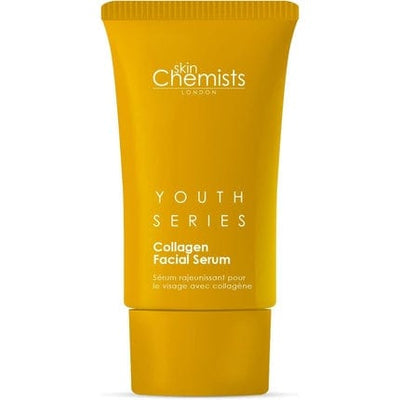
Skinchemists
Skin Chemists Collagen Face Serum Anti Aging Serum Reduce Wrinkles Rejuvenate Your Complexion Boosts Natural Collagen Production 30ml
Health & Beauty£ 17.38UK delivery soon
Order within 2h 14m
In Stock
Authentic 30-day returns 12 viewing -
 Quick view
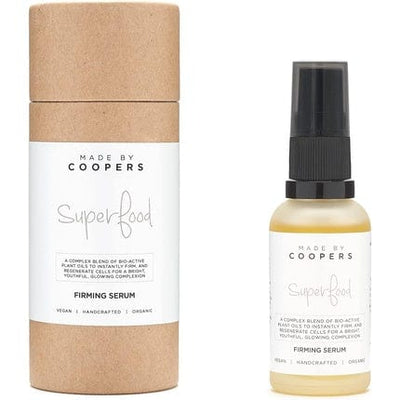
Made By Coopers
Made By Coopers Superfood Firming Serum Natural Organic Face Serum for Radiant Skin 30ml
Health & Beauty£ 35.13UK delivery soon
Order within 2h 14m
In Stock
Authentic 30-day returns 12 viewing -
 Quick view
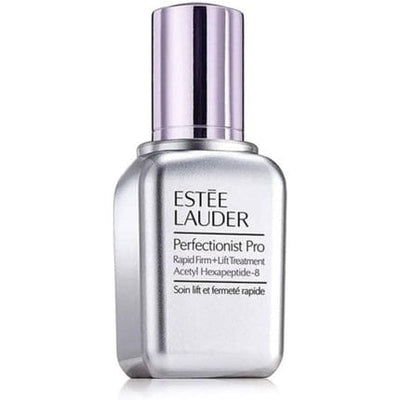
Estée Lauder
Estee Lauder Perfectionist Pro Face Serum 50ml DG1
Health & Beauty£ 62.32UK delivery soon
Order within 2h 14m
Out of stock
Authentic 30-day returns 12 viewing
Face Serums
Face serums are highly concentrated skincare formulas designed to deliver active ingredients deep into the skin. They are ideal for targeting specific concerns such as dullness, dryness, uneven texture, fine lines and pigmentation. Their lightweight consistency allows them to absorb quickly, making them suitable for layering in any skincare routine.
Many people choose to buy face serums online to find treatments tailored to their skin type, whether hydrating, brightening, soothing or revitalising. Serums offer stronger and faster results than standard moisturisers and have become an essential step in modern skincare routines.
Features and Benefits
-
Delivers highly concentrated active ingredients for fast and noticeable results.
-
Lightweight texture absorbs quickly, making it suitable for layering with moisturisers and SPF products.
-
Targets common concerns such as dryness, pigmentation, fine lines, excess oil and uneven texture.
-
Formulas available for all skin types, including sensitive, dry, oily and combination skin.
-
Pairs effectively with hydrating products such as Facial Oils for enhanced moisture and nourishment.
How to Use Face Serums
-
Apply after cleansing and toning but before moisturiser.
-
Use 2–3 drops and gently pat into the skin rather than rubbing.
-
Choose a serum based on your primary concern, such as hydration or brightening.
-
For daytime use, follow with SPF to protect the skin.
-
Introduce potent actives slowly to avoid irritation.
Types of Face Serums
-
Hydrating serums – often contain hyaluronic acid or glycerin to improve moisture levels.
-
Brightening serums – with vitamin C or niacinamide to enhance radiance and clarity.
-
Anti-ageing serums – formulated with retinol, peptides or collagen-supporting ingredients.
-
Exfoliating serums – containing AHAs or BHAs to refine skin texture.
-
Soothing serums – enriched with aloe, ceramides or calming botanicals.
Expert Insights and Research
Dermatology studies show that ingredients like vitamin C, hyaluronic acid and retinol significantly improve skin health when applied consistently. Antioxidant serums help protect against environmental stress, while hydration-focused formulas increase plumpness and moisture retention. Evidence also supports the long-term benefits of peptides and retinoids for improving signs of ageing.
How We Select Face Serums on Welzo
All serums in this collection are evaluated for ingredient quality, performance, skin compatibility and customer feedback. Only clinically supported and dermatologist-approved products are added to our curated range.
Trusted Quality and Reviews
Each product is reviewed and verified to ensure high standards of safety and effectiveness. View user experiences here: Welzo Reviews.
Related Categories
- Skin Brightening Products
- Facial Cleansers for Sensitive Skin
- Hydrating Face Masks
- Skin Soothing Products
FAQs
Which serum is best for dry skin?
Hydrating formulas with hyaluronic acid or glycerin are ideal for improving moisture levels and softening the skin.
Can I use more than one serum at a time?
Yes, serums can be layered, but it’s best to combine complementary ingredients such as hydrating and brightening formulas.
Is vitamin C serum suitable for sensitive skin?
Yes, but those with sensitivity may prefer gentler vitamin C derivatives such as magnesium ascorbyl phosphate.
How long before serums show results?
Most people start seeing improvements within 4–8 weeks of consistent use.
Should serums be used in the morning or evening?
Hydrating and antioxidant serums are ideal for mornings, while retinol or exfoliating serums are best used at night.
Can serums replace moisturiser?
No. Serums offer targeted treatment but should be followed by a moisturiser to lock in hydration.
Are serums suitable for oily skin?
Yes, lightweight options such as niacinamide or oil-free hydrating serums work well for oily and combination skin.
Can serums help reduce fine lines?
Yes, ingredients like retinol, vitamin C and peptides are known to support smoother and firmer-looking skin.
Do serums cause irritation?
Some active ingredients may cause mild irritation. Introduce new products gradually and patch test if needed.
How much serum should I use?
Generally 2–3 drops per application are enough for the entire face.
 Rated Excellent by 28,951+ Reviews
 100% Money Back Guarantee