
Your cart is empty
This quantity of item cannot be added to the cart
Continue shopping
Organic Perfumes
4.8on Trustindex
browsing now
Order before 2pm for same-day dispatch
2766+ orders this week
-
 Quick view
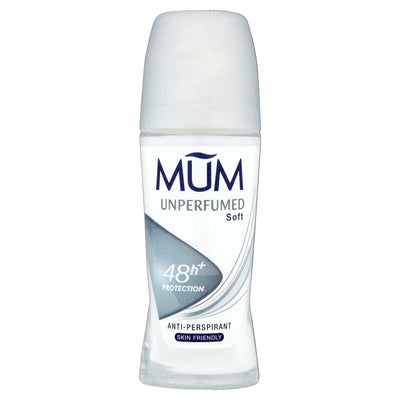
MUM
Mum Roll On 48H Unperfumed 50ml
Deodorant & Anti-Perspirant£ 2.12UK delivery soon
Order within 2h 14m
In Stock
Authentic 30-day returns 12 viewing -
 Quick view
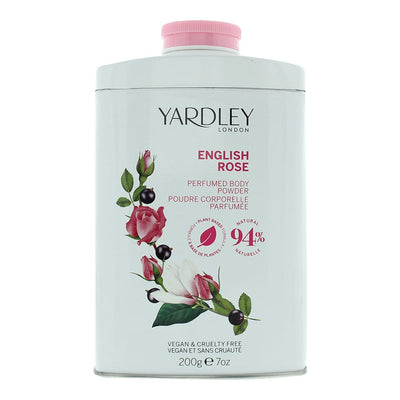
Yardley
Yardley English Rose Perfumed Body Powder 200g
Health & Beauty£ 11.71UK delivery soon
Order within 2h 14m
In Stock
Authentic 30-day returns 12 viewing -
 Quick view
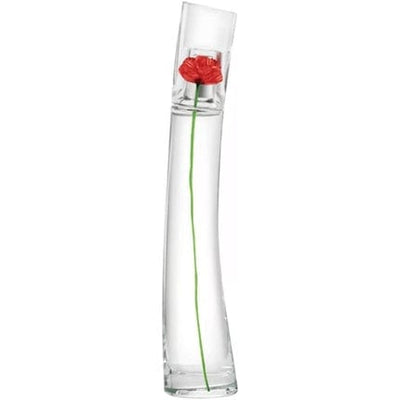
Kenzo
Flower By Kenzo Eau de Parfum 50ml Woman Perfume
Health & Beauty£ 54.07UK delivery soon
Order within 2h 14m
In Stock
Authentic 30-day returns 12 viewing -
 Quick view
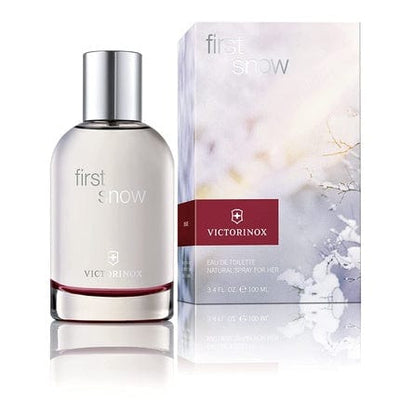
Victorinox
Victorinox First Snow Eau De Toilette For Women, Perfume With Vanilla And Musk 100ml
Health & Beauty£ 28.16UK delivery soon
Order within 2h 14m
In Stock
Authentic 30-day returns 12 viewing -
 Quick view
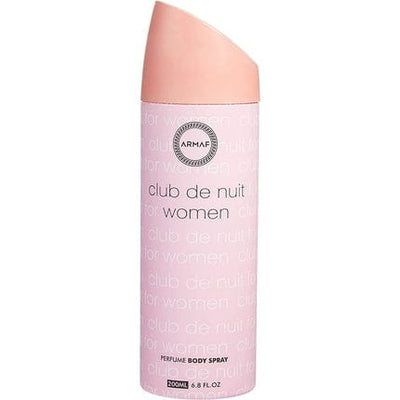
Armaf
Armaf Club De Nuit for Women Perfume Body Spray 200ml
Health & Beauty£ 6.02UK delivery soon
Order within 2h 14m
In Stock
Authentic 30-day returns 12 viewing -
 Quick view
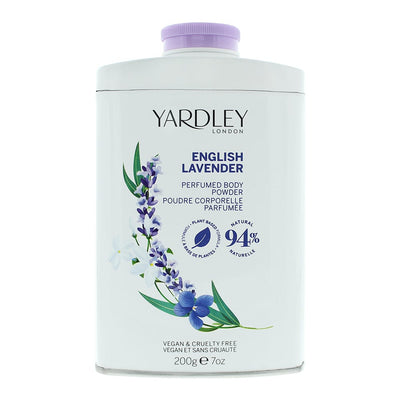
Yardley
Yardley English Lavender Perfumed Body Powder 200g
Health & Beauty£ 12.27UK delivery soon
Order within 2h 14m
In Stock
Authentic 30-day returns 12 viewing -
 Quick view
Influsents
Influscents Oh My Glam Miss Dee Perfumed Body Spray 100ml
Health & Beauty£ 3.76UK delivery soon
Order within 2h 14m
In Stock
Authentic 30-day returns 12 viewing -
 Quick view
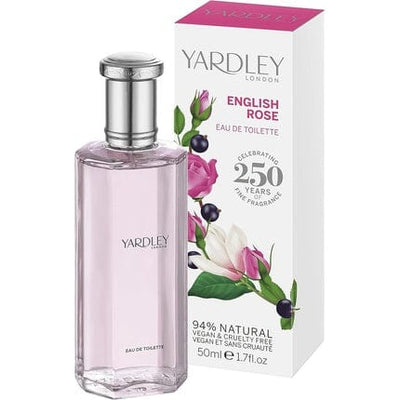
Yardley London
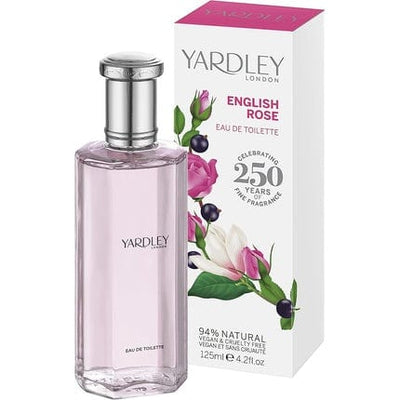
Yardley of London English Rose EDT Eau de Toilette Perfume for Her 50ml
Health & Beauty£ 13.42UK delivery soon
Order within 2h 14m
In Stock
Authentic 30-day returns 12 viewing -
 Quick view
Yardley
Yardley London English Rose Eau de Toilette Perfume for Her 125ml Y6320036-3
Health & Beauty£ 19.51UK delivery soon
Order within 2h 14m
In Stock
Authentic 30-day returns 12 viewing -
 Quick view
Elizabeth Arden
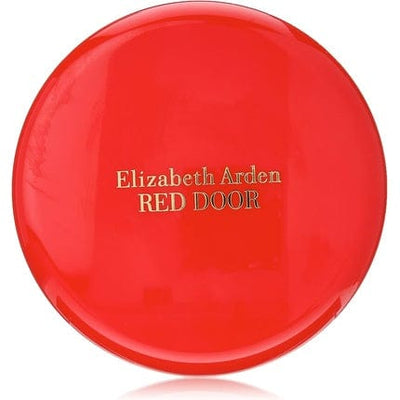
Elizabeth Arden Red Door Perfumed Body Powder 75g
Health & Beauty£ 20.71UK delivery soon
Order within 2h 14m
In Stock
Authentic 30-day returns 12 viewing -
 Quick view
Mexx
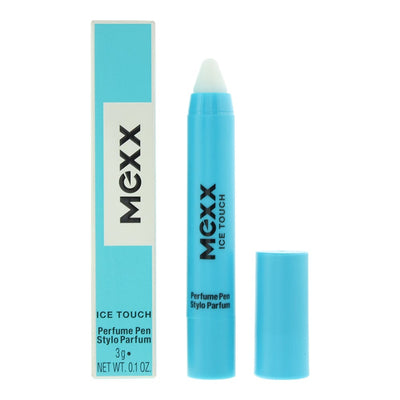
Mexx Ice Touch Perfume Stick 3g
Health & Beauty£ 2.51UK delivery soon
Order within 2h 14m
In Stock
Authentic 30-day returns 12 viewing -
 Quick view
Shakira
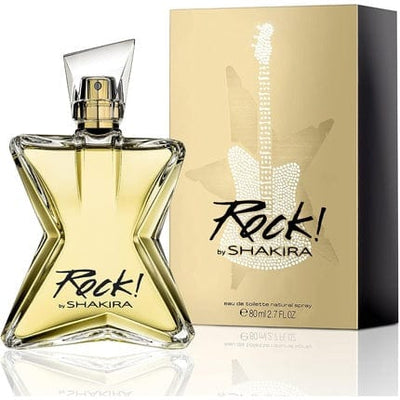
Shakira Rock Perfume for Women Long Lasting Fresh and Dynamic Fragrance Floral and Fruity Notes Ideal for Day Wear 80ml
Health & Beauty£ 21.64UK delivery soon
Order within 2h 14m
In Stock
Authentic 30-day returns 12 viewing -
 Quick view
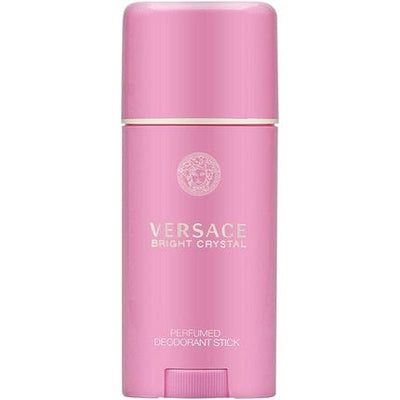
Versace
Versace Bright Crystal Perfumed Deodorant Stick For Her 50ml
Health & Beauty£ 32.82UK delivery soon
Order within 2h 14m
In Stock
Authentic 30-day returns 12 viewing -
 Quick view
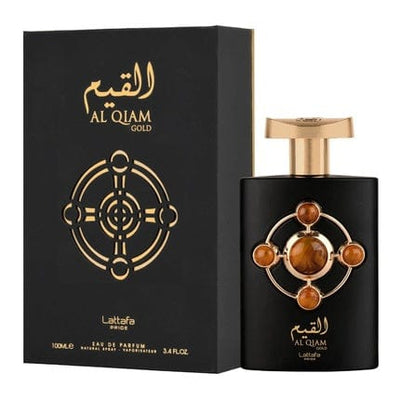
Lattafa
Lattafa Perfumes Al Qiam Gold Unisex Eau de Parfum Spray 3.4 Ounce Oriental
Health & Beauty£ 37.45UK delivery soon
Order within 2h 14m
In Stock
Authentic 30-day returns 12 viewing -
 Quick view
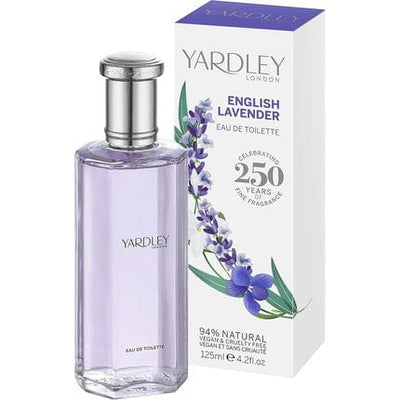
Yardley London
Yardley London English Lavender EDT Eau de Toilette Perfume for Her 125ml
Health & Beauty£ 20.78UK delivery soon
Order within 2h 14m
In Stock
Authentic 30-day returns 12 viewing -
 Quick view
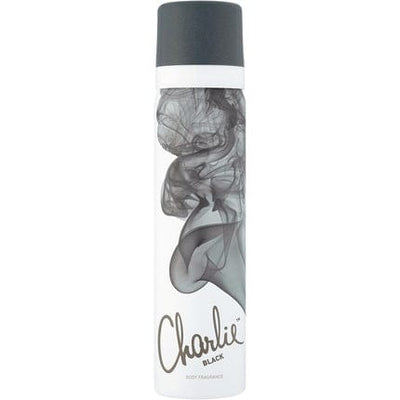
Revlon
Charlie Black Perfumed Body Fragrance 75ml
Health & BeautyAlcohol Denat.£ 3.16UK delivery soon
Order within 2h 14m
In Stock
Authentic 30-day returns 12 viewing -
 Quick view
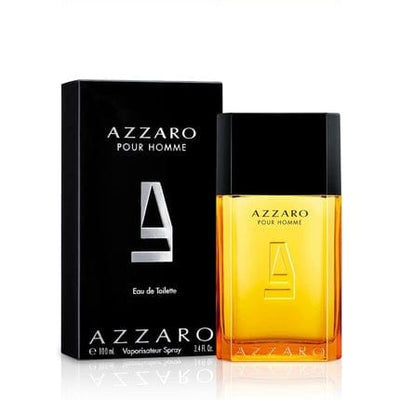
Azzaro
Azzaro Homme Eau de Toilette Woody Fragrance Perfume For Men 100ml
Health & Beauty£ 46.45UK delivery soon
Order within 2h 14m
In Stock
Authentic 30-day returns 12 viewing -
 Quick view
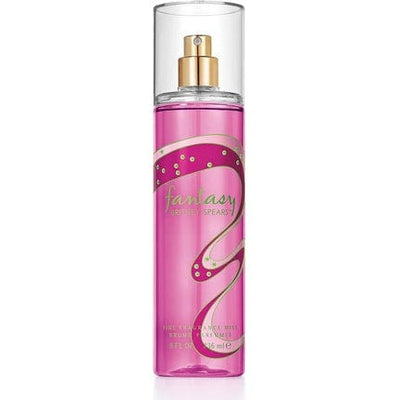
Britney Spears
Britney Spears Perfume for Women 236ml Floral
Health & Beauty£ 10.58UK delivery soon
Order within 2h 14m
In Stock
Authentic 30-day returns 12 viewing
Organic Perfumes
Organic perfumes are fragrances created with a stronger emphasis on naturally derived ingredients and more responsible sourcing, often prioritising plant-based extracts, essential oils, and cleaner formulation choices. They’re popular with people who want a scent that feels closer to nature—without sacrificing character, depth, or longevity.
Whether you prefer soft “skin scents” or more expressive blends, organic perfumes can offer a refined alternative to conventional fragrances, especially when you value ingredient transparency and sustainability alongside performance.
What Are Organic Perfumes?
Organic perfumes typically focus on botanical-origin aromatic materials (such as essential oils and natural isolates) and may avoid or limit certain synthetic ingredients depending on the brand’s philosophy. In practice, “organic” can describe the sourcing of key raw materials, the overall formulation approach, or both—so it’s worth comparing product notes, ingredient disclosures, and brand standards when selecting a scent.
If you’re exploring the broader “cleaner fragrance” space, you may also like the scent profiles found in Natural Perfumes, which often overlap in formulation style and ingredient direction.
Benefits and Features of Organic Perfumes
Botanical character: Many organic perfumes lean into naturals—think herbs, resins, woods, and petals—with a more nuanced, textural feel.
Skin-friendly routines: For some shoppers, organic perfumes are part of a simpler, lower-irritant personal-care approach, especially when paired with minimalist body care.
Sustainability focus: Responsible sourcing, refill concepts, and packaging reduction are often central to the category.
Layering potential: Organic scents can be excellent “building blocks” for personalised fragrance wardrobes.
Why Are Organic Perfumes Important?
Organic perfumes matter because they give fragrance lovers more choice in how scent is made, sourced, and worn. Many people choose organic styles when they want a fragrance that feels refined but not overpowering—ideal for daily wear, work settings, or close-contact environments.
For a stronger sustainability angle, explore Eco-Friendly Perfumes, which typically emphasise packaging reduction and responsible production alongside scent quality.
Best Products in Organic Perfumes
The best organic perfumes depend on your preferred notes and how you plan to wear them:
- Everyday versatility: Smooth, adaptable options that fit naturally into Everyday Perfumes routines
- Nature-forward blends: Green, floral, or herbaceous compositions often aligned with Botanical Perfumes
- Gift-ready choices: Curated selections in Perfume Gift Boxes for birthdays, anniversaries, and seasonal gifting
How to Use Organic Perfumes?
Apply organic perfume to pulse points (wrists, neck, and behind the ears). Because many organic formulas emphasise naturals, the scent may evolve more noticeably over time—opening with bright top notes and settling into warmer base notes.
To make the scent last longer, apply over moisturised skin and consider pairing with longer-wearing formats such as Oil-Based Perfumes where suitable.
Side Effects or Interactions of Organic Perfumes
Even “clean” or organic perfumes can contain aromatic compounds that may irritate sensitive skin. Consider these best practices:
- Patch test on a small area before full wear
- Avoid applying directly after shaving or on broken skin
- If you’re highly sensitive to fragrance, consider maintaining a low-scent routine with Fragrance-Free Products elsewhere in your skincare/bodycare
Different Types of Organic Perfumes Available
- Spray perfumes: Classic daily wear formats with varied projection
- Perfume oils: Closer-wearing, often longer-lasting options like Perfume Oils
- Sampling formats: Great for exploration via Perfume Sample Sets
- Discovery curation: Broader try-before-you-buy assortments such as Scent Discovery Sets
Most Popular Organic Perfumes Products
Popular organic perfumes are usually defined by versatility and “wearability”—scents that feel natural and refined, without being too loud. Many shoppers build a rotation: one fresh daily scent, one warmer evening option, and one seasonal wildcard.
If you want something that feels uniquely “you,” consider building around a core profile and refining it into a personal identity scent—browse inspiration within Signature Scents.
Statistics, Research, Expert Information and Quotes
Consumer fragrance trends continue to show growing interest in “cleaner” scent routines—driven by preferences for transparency, sustainability, and modular use (sampling, rotating, layering). This is one reason organic perfumes often pair well with fragrance wardrobe building and discovery-based shopping.
For additional expert-led fragrance recommendations and note-direction ideas, you may find this guide useful: Top 10 Men’s Perfumes of 2026, Recommended by Experts
How Welzo Selects the Organic Perfumes Collection
Organic perfumes are selected with attention to ingredient direction, scent structure (top/middle/base balance), and overall wearability. We prioritise options that provide clear note definitions, consistent quality, and a satisfying dry-down—so the fragrance still performs beautifully beyond the first spray.
Trusted by Experts and Verified Organic Perfumes Quality on Welzo
We focus on quality assurance, supplier reliability, and product consistency across the range. Where relevant, we also consider how a fragrance fits into modern routines—such as sampling, travel, and sustainable refill patterns through Refillable Perfumes.
Customer Reviews
Read verified customer feedback on our customer reviews page.
Trust and Standards
- Meet the Welzo team
- Ingredient quality and purity certifications
- Supplement quality standards and certifications
FAQs
What makes a perfume “organic”?
It usually refers to the sourcing and formulation approach—often emphasising botanically derived ingredients and more responsible sourcing practices.
Do organic perfumes last as long as conventional perfumes?
Many do, but longevity depends on concentration, base notes, and format. Oils can often wear longer than light sprays.
Are organic perfumes suitable for sensitive skin?
They can be, but “organic” doesn’t automatically mean non-irritating. Patch testing is recommended.
What’s the best way to make organic perfume last longer?
Apply to moisturised skin, use pulse points, and consider pairing with a compatible oil-based format for added staying power.
Can I layer organic perfumes?
Yes—many organic scents layer well because they have natural, textural note profiles.
Are organic perfumes good for daily wear?
Yes. Many organic perfumes are designed to feel refined and close-to-skin, making them ideal for everyday routines.
Should I buy sample sets before choosing a full bottle?
Sampling helps you test how a scent develops on your skin and how it performs throughout the day.
How should I store organic perfumes?
Store in a cool, dry place away from direct sunlight and heat to preserve the fragrance profile.
 Rated Excellent by 28,951+ Reviews
 100% Money Back Guarantee