





Your cart is empty
This quantity of item cannot be added to the cart
Continue shopping
Weight & Gym Benches
4.8on Trustindex
browsing now
Order before 2pm for same-day dispatch
2766+ orders this week
-
 Quick view
JORDAN
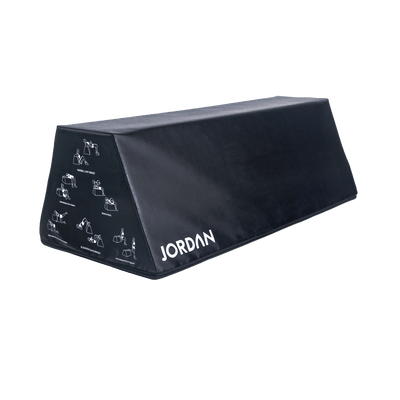
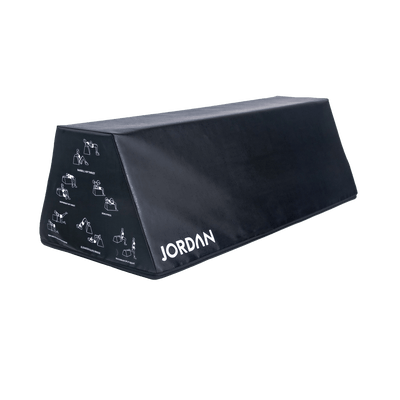
JORDAN Hip Thrust Soft Bench - 91cm x 45cm x 31cm (New Design)
Sporting Goods- Soft£ 139.33UK delivery soon
Order within 2h 14m
In Stock
Authentic 30-day returns 12 viewing -
 Quick view
JORDAN
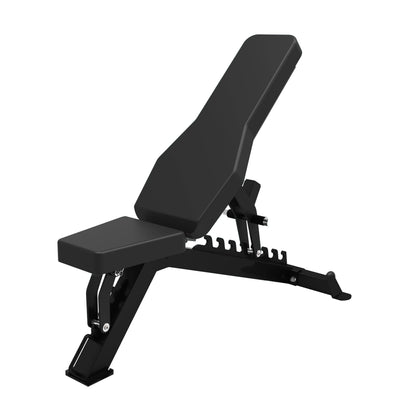
JORDAN HELIX Adjustable Fitness Bench
Sporting Goods- 7 backrest adjus...£ 359.96UK delivery soon
Order within 2h 14m
In Stock
Authentic 30-day returns 12 viewing -
 Quick view
Muscleiq
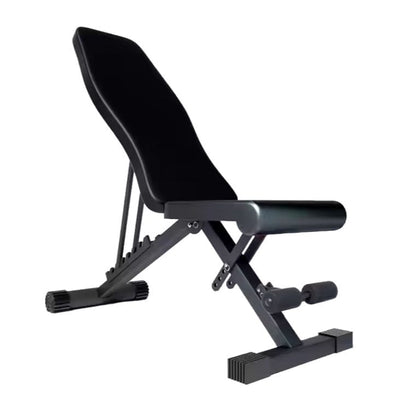
WelzoFit Bench
Supplements£ 71.43UK delivery soon
Order within 2h 14m
Out of stock
Authentic 30-day returns 12 viewing -
 Quick view
Muscleiq
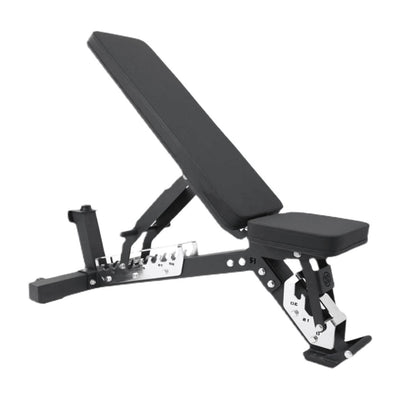
WelzoFit Commercial Bench
Supplements£ 335.72UK delivery soon
Order within 2h 14m
Out of stock
Authentic 30-day returns 12 viewing -
 Quick view
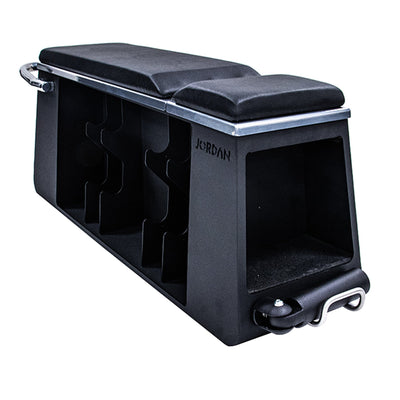
JORDAN
JORDAN Standard HIIT Bench (UnKitted)
Sporting Goods- Heavy-duty 11-ga...£ 1,680.00UK delivery soon
Order within 2h 14m
Out of stock
Authentic 30-day returns 12 viewing -
 Quick view
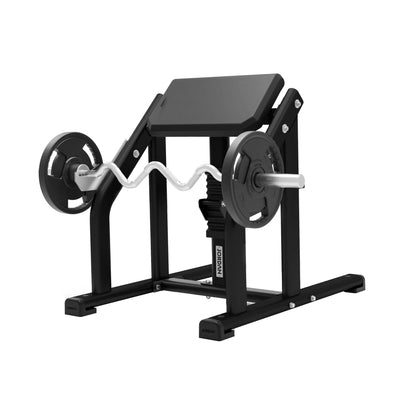
JORDAN
JORDAN Seated Preacher Curl Bench - Grey
Sporting Goods- Commercial-grade...£ 954.00UK delivery soon
Order within 2h 14m
Out of stock
Authentic 30-day returns 12 viewing -
 Quick view
JORDAN
JORDAN Olympic Shoulder Press Bench - Grey
Sporting Goods- Heavy-duty steel...£ 1,380.00UK delivery soon
Order within 2h 14m
In Stock
Authentic 30-day returns 12 viewing -
 Quick view
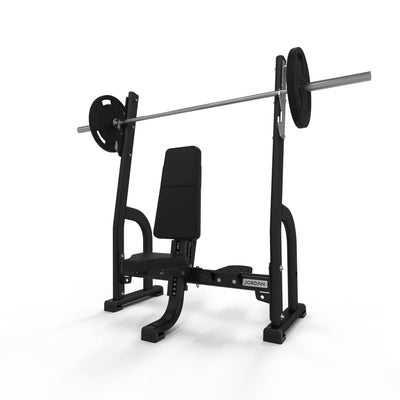
JORDAN
JORDAN Olympic Shoulder Press Bench - Black
Sporting Goods- Commercial-grade...£ 1,380.00UK delivery soon
Order within 2h 14m
Only 1 left
Authentic 30-day returns 12 viewing -
 Quick view
JORDAN
JORDAN Olympic Incline Bench - Grey
Sporting Goods- Commercial-grade...£ 1,434.00UK delivery soon
Order within 2h 14m
Only 1 left
Authentic 30-day returns 12 viewing -
 Quick view
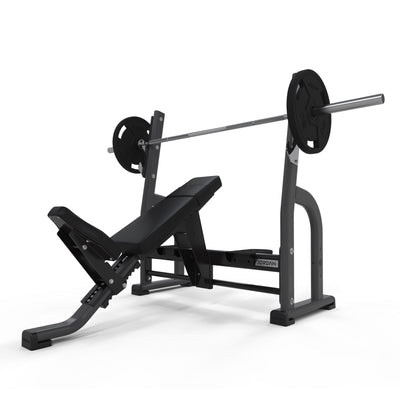
JORDAN
JORDAN Olympic Incline Bench - Black
Sporting Goods- Heavy-duty steel...£ 1,434.00UK delivery soon
Order within 2h 14m
Out of stock
Authentic 30-day returns 12 viewing -
 Quick view
JORDAN
JORDAN Olympic Flat Bench - Grey
Sporting Goods- 600lb weight cap...£ 1,074.00UK delivery soon
Order within 2h 14m
Out of stock
Authentic 30-day returns 12 viewing -
 Quick view
JORDAN
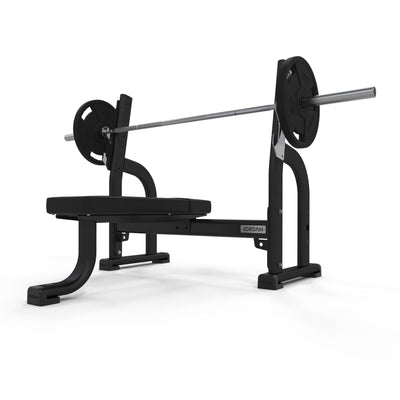
JORDAN Olympic Flat Bench - Black
Sporting Goods- 1000lb weight ca...£ 1,074.00UK delivery soon
Order within 2h 14m
Only 3 left
Authentic 30-day returns 12 viewing -
 Quick view
JORDAN
JORDAN Olympic Decline Bench - Grey
Sporting Goods- Heavy-duty steel...£ 1,554.00UK delivery soon
Order within 2h 14m
Only 1 left
Authentic 30-day returns 12 viewing -
 Quick view
JORDAN
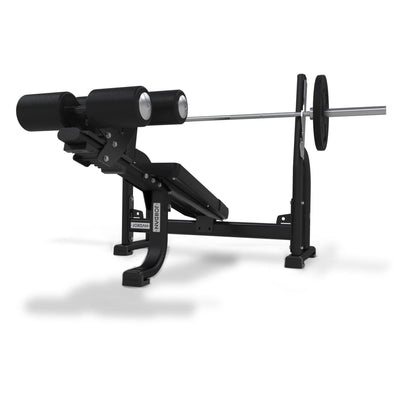
JORDAN Olympic Decline Bench - Black
Sporting Goods- 400lb/182kg weig...£ 1,554.00UK delivery soon
Order within 2h 14m
Only 4 left
Authentic 30-day returns 12 viewing -
 Quick view
JORDAN
JORDAN Olympic Adjustable Multi Bench - Grey
Sporting Goods- 6 adjustable bac...£ 1,794.00UK delivery soon
Order within 2h 14m
Out of stock
Authentic 30-day returns 12 viewing -
 Quick view
JORDAN
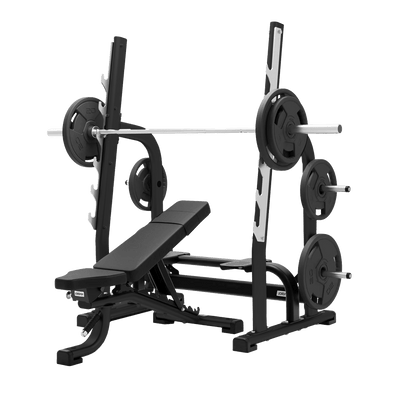
JORDAN Olympic Adjustable Multi Bench - Black
Sporting Goods- 7-position adjus...£ 1,794.00UK delivery soon
Order within 2h 14m
Out of stock
Authentic 30-day returns 12 viewing -
 Quick view
JORDAN
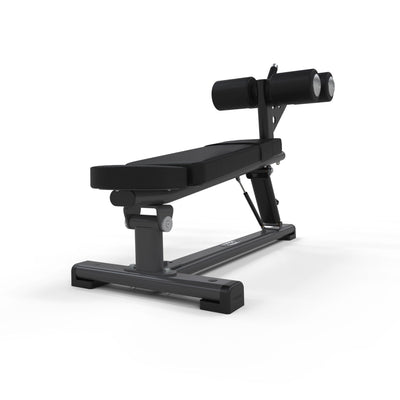
JORDAN Adjustable Decline Bench - Grey
Sporting Goods- Adjustable decli...£ 1,140.00UK delivery soon
Order within 2h 14m
Only 1 left
Authentic 30-day returns 12 viewing -
 Quick view
JORDAN
JORDAN Hip Thrust Soft Bench - 91cm x 50cm x 36cm (New Design)
Sporting Goods- 91cm length x 50...£ 146.89UK delivery soon
Order within 2h 14m
In Stock
Authentic 30-day returns 12 viewing
Weight & Gym Benches
Barbells & Lifting Bars are the cornerstone of effective strength training, powerlifting, Olympic lifting, and general resistance workouts. Whether you’re building a home gym or strengthening performance at a training facility, a quality barbell lets you load progressive resistance and perform fundamental exercises such as squats, deadlifts, presses, and rows. Customers can buy Barbells & Lifting Bars online on Welzo to bring structured strength training into their routine.
What are Barbells & Lifting Bars?
Barbells & Lifting Bars refer to weighted training bars designed to hold removable weight plates. These bars come in different types — from standard and Olympic bars to specialty bars — and serve a wide variety of lifts that form the foundation of strength training programs. Barbells allow for balanced loading and controlled movement, making them essential tools for progressive strength gains.
Benefits and Features of the Welzo Barbells & Lifting Bars Collection
The Barbells & Lifting Bars collection on Welzo offers strength tools built for durability, stability, and training versatility:
- Progressive loading: Add or remove weight plates to scale intensity.
- Foundational exercises: Supports squats, deadlifts, bench presses, rows, and more.
- Training versatility: Suitable for strength, power, hypertrophy, and conditioning.
- Durable construction: Built to handle repeated loading and high-stress lifts.
- Compatibility: Works with standard and Olympic weight plates.
To build a complete strength setup, many users combine bars with supportive equipment such as Weight & Gym Benches for pressing and accessory work.
Why is Barbells & Lifting Bars Important?
Barbells are fundamental to strength training because they allow you to use both arms and legs simultaneously with balanced loading. This promotes symmetrical strength development, greater force production, and better neuromuscular coordination. Many strength and conditioning protocols — from beginner programs to advanced powerlifting cycles — rely on barbells to structure progress and training intensity.
For accessory strength and stability work that complements barbell training, kettlebell tools such as Kettlebells & Kettlebell Sets are often added to routines.
Best Products in Barbells & Lifting Bars
The best barbells and lifting bars depend on your training goals and space:
- Standard bars: Affordable and suitable for general strength training.
- Olympic bars: Designed for heavier loading and competition-style lifts.
- Technique and specialty bars: Help develop form or support specific movements.
To build scalable strength, pair barbells with quality load options like Weight Plates & Weight Bars.
How to Use Barbells & Lifting Bars?
Safe and effective barbell training involves:
- Selecting the right bar for your lift (standard vs. Olympic).
- Loading plates evenly on both sides.
- Using collars to secure plates.
- Engaging proper lifting technique for each exercise.
Whether you’re performing squats, presses, or deadlifts, always focus on form first, then progress load gradually.
Are there any side effects or interactions of Barbells & Lifting Bars?
Barbells themselves don’t cause side effects — but poor technique, excessive loading, or lack of warm-up can lead to strain or injury. Always prioritise form, controlled reps, and an appropriate training load. Using mirrors or training partners can help you maintain confidence and alignment during lifts.
What Are the Different Types of Barbells & Lifting Bars Available?
Common types include:
- Standard barbells: Designed to fit standard-sized plates.
- Olympic barbells: Wider, stronger bars for higher loads.
- Technique bars: Lightweight options for learning form.
- Speciality bars: Such as cambered or safety squat bars for targeted strength work.
What Are the Most Popular Barbells & Lifting Bars Available?
Popularity is often driven by versatility and build quality. Olympic bars with a 20 kg load capacity are among the most widely used because they support a broad range of lifts. Many strength enthusiasts also choose bars with knurling and sleeve rotation suitable for dynamic lifts like cleans or snatches. To expand training utility, combining barbell training with other strength tools — such as Dumbbells — provides balanced development across muscle groups.
Statistics, Research, Expert Information, and Quotes on Barbells & Lifting Bars
Strength training research supports the inclusion of compound barbell lifts for improving muscle mass, bone density, and metabolic health. Barbell-based training is often recommended because it engages multiple joints and muscle groups simultaneously, offering efficient stimulus for strength and power improvements. Many training frameworks — from general fitness to athletic strength cycles — use barbell lifts as key performance drivers.
How We Select Our Barbells & Lifting Bars Collection on Welzo
Our selection criteria include:
- Structural strength and load capacity
- Compatibility with standard and Olympic plates
- Durability and construction quality
- Versatility for different training styles
Trusted by Experts and Verified Barbells & Lifting Bars Quality on Welzo
Barbell quality matters for safe, repeatable strength training. The barbells stocked on Welzo are chosen for robust design, stable sleeve rotation where relevant, and suitability for both beginners and experienced lifters. Verified selection helps you train with equipment built to support your goals.
Customer Reviews
Read verified customer ratings and experiences here: Welzo Reviews.
Internal Links to Trust Pages
- Welzo Staff
- Ingredient Quality & Purity Certifications
- Supplement Quality Standards & Certifications
Related Categories You May Find Useful
- Weight & Gym Benches — for pressing and supported lifts
- Weight Plates & Weight Bars — scalable loading options
- Power Cages & Racks — safe barbell training frames
- Kettlebells & Kettlebell Sets — for functional strength conditioning
FAQs(Frequently Asked Questions)
What exercises can I do with a barbell?
You can perform squats, deadlifts, bench presses, overhead presses, rows, and many more compound and accessory lifts with a barbell.
What is the difference between standard and Olympic barbells?
Standard barbells fit standard-sized plates and are usually lighter, while Olympic barbells have rotating sleeves and hold heavier loads, making them preferred for powerlifting and Olympic lifts.
How much weight should a beginner start with?
Beginners should start with manageable loads — often just the bar itself to learn form — before gradually adding plates as technique and strength improve.
Do barbells help build muscle?
Yes. Barbell training engages multiple muscle groups and supports progressive overload, which are key drivers for hypertrophy and strength gains.
Are barbells safe for home gyms?
Yes — when used with proper technique and appropriate loading, barbells are safe and highly effective for home strength training.
Can barbells be used with other equipment?
Yes — combining barbells with benches, racks, dumbbells, and plates expands your exercise options and training variety.
Do I need a power rack to use a barbell?
A power rack enhances safety for heavy lifting (e.g., squats and presses) but is not strictly required for all barbell training if you use lighter loads and safe setups.
What maintenance does a barbell need?
Wipe the bar down after use, check knurling and sleeves for debris, and store it in a dry space to prevent corrosion.
Can barbells improve athletic performance?
Yes — barbell lifts are widely used to enhance strength, power, speed, and muscular balance in athletic conditioning programs.
Where can I find customer reviews for barbells?
Verified customer reviews are available on the Welzo Reviews page.
 Rated Excellent by 28,951+ Reviews
 100% Money Back Guarantee