
![JORDAN HELIX Half Rack [LTR] - Including J-Hooks & Safety Squat Arms - Welzo](http://welzo.com/cdn/shop/files/JF-SS.jpg?crop=center&format=webp&height=400&v=1739134365&width=400)
![JORDAN HELIX Adjustable Squat Stand [LTR] - Including J-Hooks & Safety Spot Arms - Welzo](http://welzo.com/cdn/shop/files/JF-ASS.jpg?crop=center&format=webp&height=400&v=1739193725&width=400)
Your cart is empty
This quantity of item cannot be added to the cart
Continue shopping
Squat Racks & Stands
4.8on Trustindex
browsing now
Order before 2pm for same-day dispatch
2766+ orders this week
-
 Quick view
welzo-3
Olympic Squat Rack with Functional Trainer – Heavy-Duty Power Cage for Strength Training
Frame Material: 50x...£ 199.00UK delivery soon
Order within 2h 14m
In Stock
Authentic 30-day returns 12 viewing -
 Quick view
JORDAN
JORDAN Premium Heavy Duty Squat Stand, Grey
Sporting Goods- 1000 lb weight c...£ 652.69UK delivery soon
Order within 2h 14m
Only 3 left
Authentic 30-day returns 12 viewing -
 Quick view
welzo-3
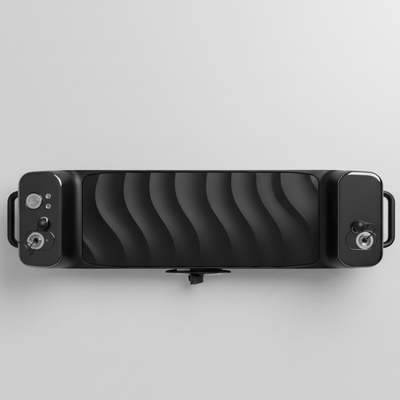
Welzo ForceCore Pro Smart Resistance Trainer – Digital Home Gym Squats, Adjustable 1.5–30kg, Full-Body Strength Training
£ 899.99UK delivery soon
Order within 2h 14m
In Stock
Authentic 30-day returns 12 viewing -
 Quick view
JORDAN
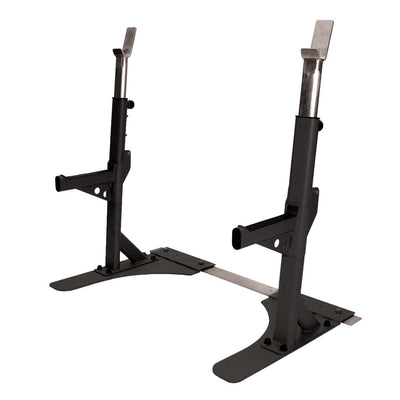
JORDAN Premium Heavy Duty Squat Stand, Black
Sporting Goods- 1000 lb weight c...£ 652.69UK delivery soon
Order within 2h 14m
In Stock
Authentic 30-day returns 12 viewing -
 Quick view
JORDAN
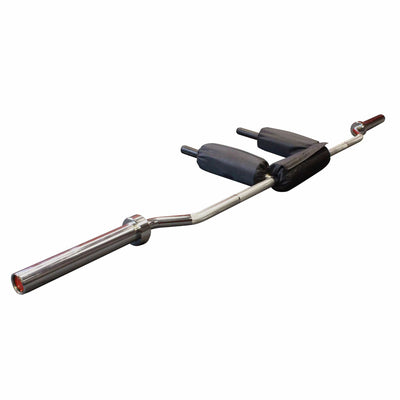
JORDAN Safety Squat Bar
Sporting Goods- Olympic sleeve s...£ 204.00UK delivery soon
Order within 2h 14m
In Stock
Authentic 30-day returns 12 viewing -
 Quick view
JORDAN
JORDAN Squat Rack - Grey
Sporting Goods- Heavy-duty 11-ga...£ 1,194.00UK delivery soon
Order within 2h 14m
Only 2 left
Authentic 30-day returns 12 viewing -
 Quick view
JORDAN
JORDAN Squat Rack - Black
Sporting Goods- Heavy-duty 2.3mm...£ 1,194.00UK delivery soon
Order within 2h 14m
Out of stock
Authentic 30-day returns 12 viewing -
 Quick view
JORDAN
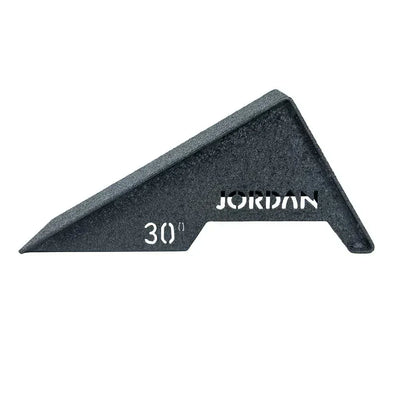
JORDAN 30 Degree Squat Ramps - Pair
Sporting Goods- 30-degree fixed ...£ 54.00UK delivery soon
Order within 2h 14m
In Stock
Authentic 30-day returns 12 viewing -
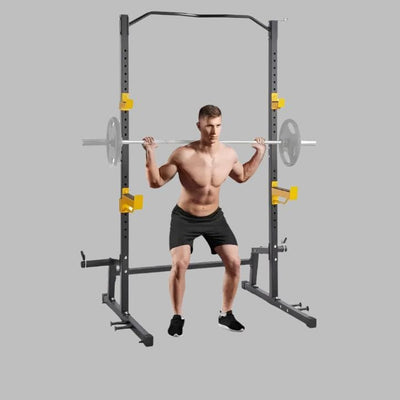
![JORDAN HELIX Half Rack [LTR] - Including J-Hooks & Safety Squat Arms - Welzo](//welzo.com/cdn/shop/files/JF-SS.jpg?crop=center&format=webp&height=400&v=1739134365&width=400) Quick view
Quick view
JORDAN
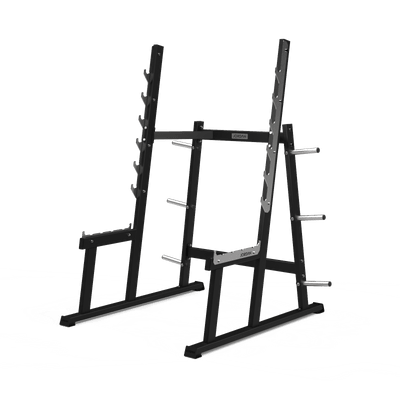
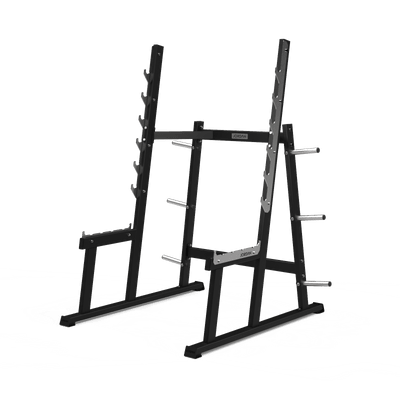
JORDAN HELIX Half Rack [LTR] - Including J-Hooks & Safety Squat Arms
Sporting Goods- 11-gauge steel c...£ 496.80UK delivery soon
Order within 2h 14m
Only 4 left
Authentic 30-day returns 12 viewing -
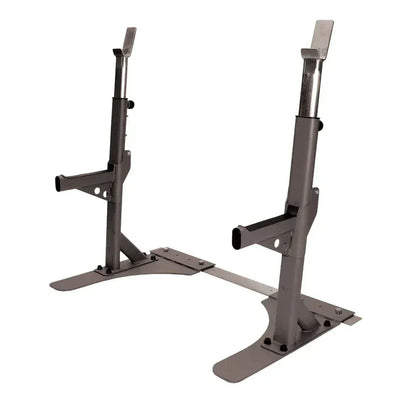
![JORDAN HELIX Adjustable Squat Stand [LTR] - Including J-Hooks & Safety Spot Arms - Welzo](//welzo.com/cdn/shop/files/JF-ASS.jpg?crop=center&format=webp&height=400&v=1739193725&width=400) Quick view
Quick view
JORDAN
JORDAN HELIX Adjustable Squat Stand [LTR] - Including J-Hooks & Safety Spot Arms
Sporting Goods- Adjustable heigh...£ 534.00UK delivery soon
Order within 2h 14m
In Stock
Authentic 30-day returns 12 viewing -
 Quick view
BOOTY BUILDER
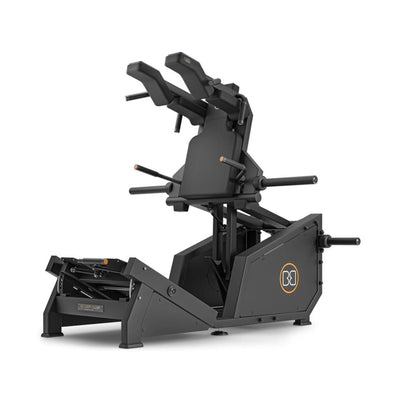
Booty Builder V Squat
Sporting Goods- Plate-loaded ver...£ 0.00UK delivery soon
Order within 2h 14m
Out of stock
Authentic 30-day returns 12 viewing -
 Quick view
BOOTY BUILDER
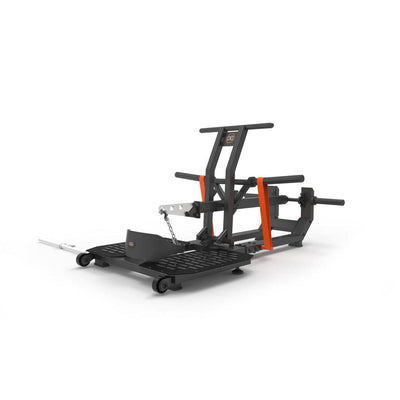
Booty Builder Belt Squat
Sporting Goods- Plate-loaded hip...£ 0.00UK delivery soon
Order within 2h 14m
Out of stock
Authentic 30-day returns 12 viewing -
Sale-40%
 Quick view
welzo-3
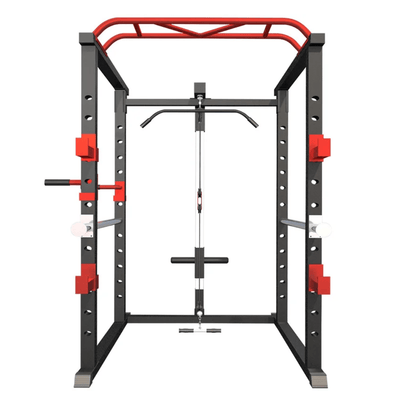
Power Cage Squat Rack ( Multi Function Gym with Cable Pulley System) Techno Gym Life Fit
Sports EquipmentFrame: Sturdy const...£ 599.00£999.00Lowest price in 30 days
UK delivery soon
Order within 2h 14m
In Stock
Authentic 30-day returns 12 viewing
Squat Racks & Stands
Squat racks and stands are strength-training stations designed to support safe, repeatable barbell work—especially heavy compound lifts like back squats, front squats, overhead press, rack pulls, and bench press variations. Built for stability and load-bearing performance, a rack or stand helps keep the bar path consistent, improves setup precision, and reduces training friction by putting the bar at the right height every session.
Whether you’re building a home gym corner or upgrading a dedicated lifting space, choosing the right rack comes down to safety (spotter arms, safeties, j-cups), fit (ceiling height, footprint, rack depth), and training style (powerlifting, general strength, functional training). You can browse and buy Squat Racks & Stands online on Welzo, with options suited to different space constraints and lifting goals.
What is Squat Racks & Stands?
Squat racks and stands are structures that hold a barbell at adjustable heights so you can unrack and re-rack safely. A squat stand typically uses two independent uprights (more compact and movable), while a rack usually connects uprights into a single frame for greater stability and add-ons like safeties, pull-up bars, plate storage, and cable attachments.
In practice, racks and stands act as your “base station” for barbell training—supporting squats, presses, pulls, and many accessory movements without needing a full commercial gym setup.
Benefits and Features of the Welzo Squat Racks & Stands Collection
Squat racks and stands are often the cornerstone of a strength setup because they offer a rare combination of progressive overload, exercise variety, and built-in safety. The Welzo Squat Racks & Stands collection focuses on practical features that matter for real training consistency:
- Adjustable racking heights: Better setup, cleaner unracks, safer re-racks.
- Safety options: Spotter arms, pin/pipe safeties, or strap safeties to reduce missed-lift risk.
- Stability & load capacity: Stronger frames, better footing, and less wobble under heavy loads.
- Space-aware design: Compact stands through to full cages depending on your room size.
- Training versatility: Supports squats, presses, rack pulls, pull-ups, band work, and more.
Why is Squat Racks & Stands Important?
A rack or stand is important because it makes heavy strength work safer and more consistent. When you can unrack a bar confidently and train near your limits without a spotter, you’re more likely to progress. It also improves technique quality—bar height and setup are repeatable, which helps you groove better movement patterns over time.
For many lifters, a rack is also the gateway to a complete strength system: add a barbell, plates, and a bench, and you can train full-body effectively with a small equipment footprint.
Best Products in Squat Racks & Stands
“Best” depends on your space, lifting experience, and the type of training you prioritise. Here are the most useful rack/stand styles to consider:
- Power cages (full racks): Best for training alone, heavy squats/bench, and long-term progression. Often compatible with add-ons.
- Half racks: Strong and stable with a smaller footprint than full cages, typically with spotter arms.
- Independent squat stands: Best for tight spaces and flexible positioning; ideal for squats and overhead work.
- Wall-mounted racks: Great if you need to save floor space and keep a clean setup.
- Foldable racks: Useful for garages or multi-use rooms where you need to pack away.
If you’re building a broader strength setup, pairing your rack with Barbells & Lifting Bars, Weight Plates & Weight Bars, and a stable Weight Gym Bench gives you a simple, high-impact system for full-body training.
How to Use Squat Racks & Stands?
Start by setting the rack height so the bar sits around mid-chest for squats (you should only need a small knee bend to unrack). Then:
- Set the J-cups: Even heights on both sides, secured firmly.
- Set the safeties/spotter arms: Just below your lowest safe depth (for squats) or just above chest level (for bench, depending on your setup).
- Test the walkout: Practise unracking with an empty bar first.
- Use collars: Keep plates stable, especially for uneven loading or dynamic reps.
- Progress gradually: Add load only when form is stable and repeatable.
To support recovery and reduce joint irritation from high-volume training, many lifters also use targeted accessories like Joint Pain Relief options as part of their post-session routine.
Are there any side effects or interactions of Squat Racks & Stands?
Racks and stands themselves don’t create “side effects,” but poor setup or misuse can increase injury risk. Common issues include:
- Incorrect safety height: Safety heights too low can turn a failed rep into a dangerous position; too high can alter your technique.
- Unstable flooring: Soft carpet or uneven surfaces can cause shifting under load.
- Poor rack spacing: Stands set too narrow/wide can make reracking awkward.
- Overloading too soon: Pushing weight faster than technique adapts.
If you have a pre-existing injury (knee, hip, back, shoulder), consider adjusting squat variations, reducing load, and seeking professional guidance. Warm-ups and mobility work help too—especially if you’re lifting heavy consistently.
What Are the Different Types of Squat Racks & Stands Available?
Most setups fall into a few categories:
- Power cages: Four-post enclosed racks with internal safeties.
- Half racks: Two or four-post frames with external lifting and spotter arms.
- Squat stands: Two independent uprights; compact and flexible.
- Foldable/wall-mounted racks: Space-saving solutions for garages and smaller rooms.
- Functional rack systems: Racks that integrate attachments and multi-station training (useful if you want expansion options).
If you like multi-station variety, you may also want to explore Cable Machines, Gym Machines & Attachments for add-on movements like pulldowns, rows, and accessory work.
What Are the Most Popular Squat Racks & Stands Products Available?
Most lifters gravitate toward options that balance safety, space, and versatility. Popular choices typically include:
- Power cages with safeties: Ideal for solo training and heavy progression.
- Half racks with spotter arms: Great stability without the full cage footprint.
- Heavy-duty squat stands: Perfect for minimal setups that still support serious lifting.
- Racks that pair well with accessory equipment: Especially if you’re expanding your home gym over time.
To complete a performance-focused setup, many customers build around strength staples like Dumbbells and conditioning add-ons such as Kettlebells and Kettlebell Sets.
Statistics, Research, Expert Information, and Quotes on Squat Racks & Stands
Squat racks support foundational movement patterns (squat, hinge, press) that are widely used in structured strength programmes. In practical coaching terms, the rack improves training quality because it enables safe practice at meaningful intensities and supports consistent setup—two factors closely linked to long-term progression.
From a training perspective, many strength coaches emphasise that safety systems (spotter arms/safeties) are not just for emergencies—they enable confident effort on working sets and reduce the tendency to “hold back,” especially when training alone.
If you’re building better squat mechanics, this guide can be useful for technique context: Low Bar Squat vs. High Bar: Effectiveness and Differences.
How We Select Our Squat Racks & Stands Collection on Welzo
We prioritise racks and stands that support safe, repeatable training and suit real home-gym constraints. Selection focuses on:
- Frame stability: Secure construction and predictable racking.
- Safety features: Practical options for lifters training solo.
- Adjustability: Suitable for different heights and movement variations.
- Footprint & usability: Space-aware designs that don’t compromise training.
- Compatibility: Works well with common barbell and plate systems.
Trusted by Experts and Verified Squat Racks & Stands Quality on Welzo
Quality matters most when you’re loading heavy. That’s why we focus on racks and stands that are built for stability, consistent use, and safe progression—so your equipment supports your training rather than limiting it.
For broader strength equipment options, you can also explore related performance categories like Bodybuilding Supplements and Energy & Performance support, depending on your training goals.
Customer Reviews
To see what customers say about ordering and product experience, visit our reviews page: Welzo Reviews.
Internal Links to Trust Pages
- Welzo Staff
- Ingredient Quality & Purity Certifications
- Supplement Quality Standards & Certifications
Related Categories You May Find Useful
If you’re building a complete lifting space beyond a rack, these closely related categories can help you round out your training setup without overcomplicating your choices:
- Power Cages & Racks (Home Strength Gym Equipment)
- Squat Racks & Stands (Main Collection)
- Weight Lifting Belts
- Barbells & Lifting Bars
- Weight Plates & Weight Bars
- Weight Gym Benches
- Kettlebells & Kettlebell Sets
- Dumbbells
- Gym Machines & Equipment
- Exercise Bikes
- Gym Flooring and Mats
- Jordan Fitness
FAQs (Frequently Asked Questions)
What size squat rack do I need for a home gym?
Measure your available floor space and ceiling height first. Many home gyms do well with compact squat stands or half racks, while full power cages suit dedicated spaces. If you plan to add attachments or lift very heavy, prioritise stability and rack depth.
Are squat stands safe for heavy squats?
They can be, provided they’re heavy-duty, used on stable flooring, and paired with appropriate safety solutions (like spotter arms if supported). If you train alone at near-max loads, a power cage with safeties is usually the safer option.
What’s the difference between a power cage and a half rack?
A power cage is enclosed with internal safeties and often supports more attachments. A half rack is more open and typically uses external spotter arms. Both can be excellent—space and training style usually decide.
How high should I set the safety bars for squats?
Set them just below your lowest safe squat depth so you can “sit” the bar onto the safeties if you fail a rep without getting pinned. Test with an empty bar first to confirm the position.
Can I bench press using a squat rack?
Yes, many racks work well for benching if you have a compatible bench and set the J-cups and safeties correctly. A rack with spotter arms or internal safeties is strongly recommended for solo benching.
Do I need to bolt my squat rack to the floor?
Not always. Some racks are designed to be freestanding with a wide base, while others benefit from bolting for maximum stability—especially if you use heavy bands, kipping pull-ups, or dynamic movements.
What weight capacity should a squat rack have?
Choose a rack rated above your current and near-future lifting targets. Consider not just the bar weight, but also the dynamic forces of reracking, failed reps, and accessory movements.
What attachments are most useful for squat racks?
Common high-value add-ons include spotter arms/safeties, pull-up bars, plate storage pegs, dip attachments, and cable systems (if compatible). Pick attachments that match your actual weekly training.
Is a squat rack worth it if I’m a beginner?
Yes—especially if you want to learn barbell basics safely and progress over time. A rack makes setup easier and helps you practise consistent form, which tends to accelerate strength gains.
How do I stop my rack from wobbling?
Use level, stable flooring, ensure all bolts are tightened to spec, add weight storage if the rack supports it, and consider bolting if recommended. Wobble is often caused by uneven ground or loose hardware.
What exercises can I do besides squats with a rack?
A rack supports a wide range of training: overhead press, bench press, rack pulls, barbell rows, pull-ups (if included), split squats, and band-resisted work—making it one of the most versatile pieces of strength equipment.
 Rated Excellent by 28,951+ Reviews
 100% Money Back Guarantee