Moringaöl: Vorteile, Nebenwirkungen und Verwendung

Moringa Oil: Benefits, Side Effects and Uses

Der Moringa-oleifera-Baum verfügt über zahlreiche entzündungshemmende und antioxidative Eigenschaften. Dank seiner gesundheitsfördernden Wirkung wird er bereits seit Jahrhunderten genutzt. Zu seinen weiteren Bezeichnungen zählen „Meerrettichbaum“, „Ben-Ölbaum“, „Wunderbaum“ und „Trommelstockbaum“. Verschiedene Kulturen auf der ganzen Welt nutzen Moringa in unterschiedlichen Formen.

Moringa Oil: Benefits, Side Effects and Uses The Moringa oleifera tree has numerous anti-inflammatory and antioxidant properties. Its health benefits have ensured its use for centuries. The other names are the horseradish tree, the Ben oil tree, the miracle tree and the drumstick tree. Various cultures across the globe use different forms of moringa.   The health benefits of moringa are due to its rich nutrient profile. Its seed, seed oil, flowers, fruits (pods), leaves, bark and roots have numerous biological functions. Please continue reading to learn more about its benefits, use and side effects. Nutritional profile   Natural moringa is a treasure trove of valuable ingredients, e.g., vitamin A, vitamins B1, B2 & B3, phosphorus, magnesium, iron, potassium, calcium and vitamin C. Additionally, it contains no harmful ingredients, e.g., cholesterol and is lower in fats. It is a superfood that contains 25 times more iron than spinach, 15 times more potassium than banana, nine times more protein than yoghurt, 17 times more calcium than milk, 10 times more vitamin A than carrots, and seven times more vitamin C than oranges. Moringa oil contains different saturated and unsaturated oils, e.g., oleic acid. About 70% of moringa oil is oleic acid.   Benefits & uses of moringa oil These nutrients ensure its use as a food supplement and as a medicine. Some well-known benefits and uses of moringa are; Healthy hair & skin The research in animal models shows that moringa seed oil causes rapid wound healing. These effects are due to its antioxidative properties. Likewise, the experts note various benefits of moringa seed oil for hair. In in vitro studies, the 5% moringa extract improves cellular proliferation and reduces oxidative stress.  As most studies are on animals, more studies involving humans are necessary. Oedema treatment  In oedema, the fluids build up inside the body due to inflammation. It causes tissue swelling around the affected area. Using moringa seed oil in a recent study by Professor Khea Wolff and colleagues in the USA lowers inflammation in mice with ear oedema. The study highlighted the anti-inflammatory properties of moringa in ear inflammation, although more research is needed.   Liver protection   Moringa protects the liver against various health conditions, e.g., nonalcoholic fatty liver disease. In a study, the researchers used a diet containing moringa seeds in the guinea pigs. The pigs using more moringa experienced lower triglyceride and cholesterol levels and lower liver inflammation.  Likewise, its supplementation improved the reproductive performance of the sows, as noted by a group of researchers at the South China Agricultural University.   Cancer prevention   Moringa seeds possess many anti-cancer properties. It has niazimicin, a compound that reduces the development of cancer. Some professionals found that moringa extract from bark, leaf and other plant parts kills cancer cells. More research is needed, although it seems helpful in the treatment and management of colorectal, liver, breast and various other cancers. Treatment of nervous disorders and better mood  The antioxidant potential of moringa ensures protection against various nervous diseases, e.g., Alzheimer's disease, depression, neuropathic pain, and multiple sclerosis. Some studies point to its Neuroprotective properties with an unknown mechanism.  Some experts believe that the antioxidant potential of moringa protects the nerve cells. A group of researchers at the Universiti Kebangsaan Malaysia and Anhui University of Chinese Medicine noted anti-neuroinflammatory and neuroprotective properties of moringa seed extracts.  Prevention of rheumatoid arthritis   The anti-inflammatory properties of the moringa seed extract help prevent rheumatoid arthritis in a rodent study. However, more conclusive clinical evidence in humans is necessary.   Fighting foodborne infections Moringa has many substances that work against foodborne illnesses, e.g., E. Coli and Staphylococcus aureus. The staph aureus occurs in sandwiches, sliced meat, and improperly cooked foods. The E. coli is present in contaminated food and water. Both bacteria are associated with symptoms of food poisoning, e.g., diarrhoea Treatment of stomach illnesses  Moringa seed extract & oil help treat various stomach illnesses, e.g.,  Its leaves have laxative properties and make moringa an ideal option for constipation.  Its fibrous pods improve digestion and prevent colon cancer.  It reduces stomach acidity, and a study noted an 85% reduction in stomach acidity, making it ideal for peptic ulcers.  It has antibacterial properties that prevent infections by preventing the pathogenic growth.  Its anti-inflammatory properties prevent ulcerative colitis and other related conditions and prevent digestive system damage. Treatment of anaemia  Some people use moringa extracts to prevent and treat anaemia. The laboratory data suggests that taking it as a medication and food helps manage sickle cell disease. These properties are due to its chelating activities and antioxidant abilities, which allow it to remove excess iron and related factors.  Better eye health  Moringa has beta carotene, an antioxidant that prevents eye illnesses and helps maintain eye health. However, more convincing evidence is needed. Reduced hypertension  Moringa has many substances that help reduce blood pressure. In a recent study in Indonesia, an experimental group consumed 120g of cooked leaves for one week. Two hours after consumption, the people using Moringa experienced lower blood pressure. Kidney stone prevention  Many traditional remedies use moringa to help prevent kidney stones. The research findings suggest that the moringa seeds and oil stop the mineral buildup responsible for kidney stones. However, more research is necessary to confirm these findings.  Asthma treatment  Moringa has many chemicals that help prevent and manage bronchial constructions, asthma and airway inflammation. A study noted an improvement in the lung functions of guinea pigs after using Moringa extract. It has numerous immune regulatory bioactivities chemicals that help improve asthma with lower side effects. Treatment of diabetes   Moringa extracts and oil treat diabetes and have beneficial effects, e.g., improved insulin levels, helping manage blood glucose levels and protecting against diabetes-related organ damage. It slows the diabetic complications and helps prevent further complications.  A group of researchers in the USA noted the anti-diabetic potential of moringa in five out of seven human studies and 22 out of 23 animal studies. Cardioprotective effects  Moringa oil has various anti-inflammatory and antioxidant agents, e.g., quercetin, that help protect the heart's health. It helps prevent inflammation and lipid formation and improves overall heart health. Its cholesterol-lowering properties are beneficial for this purpose.   Side effects of moringa oil  Moringa is safe, particularly its seeds, leaves and fruits. Its seeds and leaves are used as a medicine and offer safety in the short term. The moringa products are used in some studies for up to six months without adverse effects. Moringa root bark and root are unsafe as they contain toxic substances.  Likewise, moringa oil has little to no side effects, although more research is needed on the topic. A study published by the Journal of Ethnopharmacology in Nigeria and Japan noted elevated iron levels in people consuming large amounts of moringa products. Excessive iron is associated with various gastrointestinal health issues, e.g., diarrhoea and nausea.  The regular and standard doses of moringa are free from side effects, yet consulting the healthcare provider about moringa oil is strongly advised.  Frequently Asked Questions  Is it safe to use moringa oil daily on the face?  Moringa oil is safe for daily use, and most people continue using it without expecting any issues. It is best for all skin types, e.g., dry skin, acne-prone skin and oily skin. These features make it a very versatile food ingredient.  How much moringa oil is necessary per day?  The recommendations vary depending on the type of moringa. The adults need 3g moringa seeds, 500mg moringa leaf extract and 3g of moringa oil daily. The safe amount varies from person to person.  Does moringa oil help grow hair?  Moringa oil has antioxidants and essential fatty acids that boost hair growth by improving blood circulation in the scalp. It stimulates and nourishes the scalp, resulting in healthier and thicker hair. Moringa oil is one of the healthier oils for hair growth. How can I apply moringa oil to the face?  While applying it to the face, use the following steps;   Take a small bowl and combine honey and moringa powder. Slowly add the rose water or witch hazel to achieve the desired consistency. Add 3-5 drops of essential oil (skin friendly), e.g., tea tree oil and rosehip oil. Use lukewarm water to rinse it after 10-15 minutes of application.  The usage depends upon the strength of the oil. Which is better? Moringa oil or moringa powder?  These two products are from the same tree and have similar benefits. While leaf powder is a food supplement and prevents malnutrition, moringa oil is a beauty product and is used as a lubricant. Both products have different pros and cons and usages. What does the smell of moringa oil feel like?  Moringa oil has a light green hue with a faint nutty taste and smell. The commercial products have added oils for marketing purposes.   Bottom-line  Moringa oil has several nutritional and cosmetic purposes and benefits. It is also known as the miracle tree due to its enormous health benefits and uses. The research has noted a reduction in premature ageing, better diabetes control, prevention of heart diseases and numerous other health benefits of regular use of moringa. Consulting a healthcare provider before adding moringa oil to the diet is necessary. However, more research is needed to understand its adverse effects and benefits on humans. Welzo has many related products. Visit the pages to buy Organic Moringa Leaf (100g), Organic India Moringa Capsules, and Golden Greens Organic Moringa Leaf Powder (100g).

Die gesundheitlichen Vorteile von Moringa sind auf sein reichhaltiges Nährstoffprofil zurückzuführen. Seine Samen, sein Samenöl, seine Blüten, Früchte (Schoten), Blätter, Rinde und Wurzeln haben zahlreiche biologische Funktionen. Lesen Sie bitte weiter, um mehr über seine Vorteile, seine Verwendung und seine Nebenwirkungen zu erfahren.

Nährstoffprofil

Natürliche Moringa ist eine Fundgrube wertvoller Inhaltsstoffe, z. B. Vitamin A, die Vitamine B1, B2 und B3, Phosphor, Magnesium, Eisen, Kalium, Kalzium und Vitamin C. Zudem enthält sie keine schädlichen Inhaltsstoffe wie Cholesterin und ist fettarm.

Es ist ein Superfood, das 25-mal mehr Eisen als Spinat, 15-mal mehr Kalium als Bananen, neunmal mehr Eiweiß als Joghurt, 17-mal mehr Kalzium als Milch, 10-mal mehr Vitamin A als Möhren und siebenmal mehr Vitamin C als Orangen enthält. Moringaöl enthält verschiedene gesättigte und ungesättigte Fettsäuren, z. B. Ölsäure. Etwa 70 % des Moringaöls bestehen aus Ölsäure.

Vorteile und Anwendungsbereiche von Moringaöl

Diese Nährstoffe gewährleisten seine Verwendung als Nahrungsergänzungsmittel und als Heilmittel. Einige bekannte Vorteile und Anwendungsbereiche von Moringa sind:

Gesundes Haar und gesunde Haut

Untersuchungen an Tiermodellen zeigen, dass Moringa-Samenöl eine schnelle Wundheilung bewirkt. Diese Wirkungen sind auf seine antioxidativen Eigenschaften zurückzuführen. Ebenso weisen Experten auf verschiedene Vorteile von Moringa-Samenöl für das Haar hin. In In-vitro-Studien verbessert der 5-prozentige Moringa-Extrakt die Zellproliferation und reduziert oxidativen Stress.

Da die meisten Studien an Tieren durchgeführt wurden, sind weitere Studien am Menschen erforderlich.

Behandlung von Ödemen

Bei Ödemen sammelt sich aufgrund einer Entzündung Flüssigkeit im Körper an. Dies führt zu einer Schwellung des Gewebes im betroffenen Bereich. In einer aktuellen Studie von Professorin Khea Wolff und Kollegen in den USA senkte die Verwendung von Moringa-Samenöl die Entzündung bei Mäusen mit einem Ohrödem. Die Studie unterstrich die entzündungshemmenden Eigenschaften von Moringa bei Ohrentzündungen, allerdings sind weitere Untersuchungen erforderlich.

Leberschutz

Moringa schützt die Leber vor verschiedenen Erkrankungen, z. B. vor der nichtalkoholischen Fettlebererkrankung. In einer Studie fütterten die Forscher Meerschweinchen mit einer Ernährung, die Moringa-Samen enthielt. Bei den Meerschweinchen, die mehr Moringa erhielten, wurden niedrigere Triglycerid- und Cholesterinwerte sowie eine geringere Leberentzündung festgestellt.

Ebenso verbesserte die Gabe von Moringa die Fortpflanzungsleistung der Sauen, wie eine Forschergruppe der South China Agricultural University feststellte.

Moringa Oil: Benefits, Side Effects and Uses The Moringa oleifera tree has numerous anti-inflammatory and antioxidant properties. Its health benefits have ensured its use for centuries. The other names are the horseradish tree, the Ben oil tree, the miracle tree and the drumstick tree. Various cultures across the globe use different forms of moringa.   The health benefits of moringa are due to its rich nutrient profile. Its seed, seed oil, flowers, fruits (pods), leaves, bark and roots have numerous biological functions. Please continue reading to learn more about its benefits, use and side effects. Nutritional profile   Natural moringa is a treasure trove of valuable ingredients, e.g., vitamin A, vitamins B1, B2 & B3, phosphorus, magnesium, iron, potassium, calcium and vitamin C. Additionally, it contains no harmful ingredients, e.g., cholesterol and is lower in fats. It is a superfood that contains 25 times more iron than spinach, 15 times more potassium than banana, nine times more protein than yoghurt, 17 times more calcium than milk, 10 times more vitamin A than carrots, and seven times more vitamin C than oranges. Moringa oil contains different saturated and unsaturated oils, e.g., oleic acid. About 70% of moringa oil is oleic acid.   Benefits & uses of moringa oil These nutrients ensure its use as a food supplement and as a medicine. Some well-known benefits and uses of moringa are; Healthy hair & skin The research in animal models shows that moringa seed oil causes rapid wound healing. These effects are due to its antioxidative properties. Likewise, the experts note various benefits of moringa seed oil for hair. In in vitro studies, the 5% moringa extract improves cellular proliferation and reduces oxidative stress.  As most studies are on animals, more studies involving humans are necessary. Oedema treatment  In oedema, the fluids build up inside the body due to inflammation. It causes tissue swelling around the affected area. Using moringa seed oil in a recent study by Professor Khea Wolff and colleagues in the USA lowers inflammation in mice with ear oedema. The study highlighted the anti-inflammatory properties of moringa in ear inflammation, although more research is needed.   Liver protection   Moringa protects the liver against various health conditions, e.g., nonalcoholic fatty liver disease. In a study, the researchers used a diet containing moringa seeds in the guinea pigs. The pigs using more moringa experienced lower triglyceride and cholesterol levels and lower liver inflammation.  Likewise, its supplementation improved the reproductive performance of the sows, as noted by a group of researchers at the South China Agricultural University.   Cancer prevention   Moringa seeds possess many anti-cancer properties. It has niazimicin, a compound that reduces the development of cancer. Some professionals found that moringa extract from bark, leaf and other plant parts kills cancer cells. More research is needed, although it seems helpful in the treatment and management of colorectal, liver, breast and various other cancers. Treatment of nervous disorders and better mood  The antioxidant potential of moringa ensures protection against various nervous diseases, e.g., Alzheimer's disease, depression, neuropathic pain, and multiple sclerosis. Some studies point to its Neuroprotective properties with an unknown mechanism.  Some experts believe that the antioxidant potential of moringa protects the nerve cells. A group of researchers at the Universiti Kebangsaan Malaysia and Anhui University of Chinese Medicine noted anti-neuroinflammatory and neuroprotective properties of moringa seed extracts.  Prevention of rheumatoid arthritis   The anti-inflammatory properties of the moringa seed extract help prevent rheumatoid arthritis in a rodent study. However, more conclusive clinical evidence in humans is necessary.   Fighting foodborne infections Moringa has many substances that work against foodborne illnesses, e.g., E. Coli and Staphylococcus aureus. The staph aureus occurs in sandwiches, sliced meat, and improperly cooked foods. The E. coli is present in contaminated food and water. Both bacteria are associated with symptoms of food poisoning, e.g., diarrhoea Treatment of stomach illnesses  Moringa seed extract & oil help treat various stomach illnesses, e.g.,  Its leaves have laxative properties and make moringa an ideal option for constipation.  Its fibrous pods improve digestion and prevent colon cancer.  It reduces stomach acidity, and a study noted an 85% reduction in stomach acidity, making it ideal for peptic ulcers.  It has antibacterial properties that prevent infections by preventing the pathogenic growth.  Its anti-inflammatory properties prevent ulcerative colitis and other related conditions and prevent digestive system damage. Treatment of anaemia  Some people use moringa extracts to prevent and treat anaemia. The laboratory data suggests that taking it as a medication and food helps manage sickle cell disease. These properties are due to its chelating activities and antioxidant abilities, which allow it to remove excess iron and related factors.  Better eye health  Moringa has beta carotene, an antioxidant that prevents eye illnesses and helps maintain eye health. However, more convincing evidence is needed. Reduced hypertension  Moringa has many substances that help reduce blood pressure. In a recent study in Indonesia, an experimental group consumed 120g of cooked leaves for one week. Two hours after consumption, the people using Moringa experienced lower blood pressure. Kidney stone prevention  Many traditional remedies use moringa to help prevent kidney stones. The research findings suggest that the moringa seeds and oil stop the mineral buildup responsible for kidney stones. However, more research is necessary to confirm these findings.  Asthma treatment  Moringa has many chemicals that help prevent and manage bronchial constructions, asthma and airway inflammation. A study noted an improvement in the lung functions of guinea pigs after using Moringa extract. It has numerous immune regulatory bioactivities chemicals that help improve asthma with lower side effects. Treatment of diabetes   Moringa extracts and oil treat diabetes and have beneficial effects, e.g., improved insulin levels, helping manage blood glucose levels and protecting against diabetes-related organ damage. It slows the diabetic complications and helps prevent further complications.  A group of researchers in the USA noted the anti-diabetic potential of moringa in five out of seven human studies and 22 out of 23 animal studies. Cardioprotective effects  Moringa oil has various anti-inflammatory and antioxidant agents, e.g., quercetin, that help protect the heart's health. It helps prevent inflammation and lipid formation and improves overall heart health. Its cholesterol-lowering properties are beneficial for this purpose.   Side effects of moringa oil  Moringa is safe, particularly its seeds, leaves and fruits. Its seeds and leaves are used as a medicine and offer safety in the short term. The moringa products are used in some studies for up to six months without adverse effects. Moringa root bark and root are unsafe as they contain toxic substances.  Likewise, moringa oil has little to no side effects, although more research is needed on the topic. A study published by the Journal of Ethnopharmacology in Nigeria and Japan noted elevated iron levels in people consuming large amounts of moringa products. Excessive iron is associated with various gastrointestinal health issues, e.g., diarrhoea and nausea.  The regular and standard doses of moringa are free from side effects, yet consulting the healthcare provider about moringa oil is strongly advised.  Frequently Asked Questions  Is it safe to use moringa oil daily on the face?  Moringa oil is safe for daily use, and most people continue using it without expecting any issues. It is best for all skin types, e.g., dry skin, acne-prone skin and oily skin. These features make it a very versatile food ingredient.  How much moringa oil is necessary per day?  The recommendations vary depending on the type of moringa. The adults need 3g moringa seeds, 500mg moringa leaf extract and 3g of moringa oil daily. The safe amount varies from person to person.  Does moringa oil help grow hair?  Moringa oil has antioxidants and essential fatty acids that boost hair growth by improving blood circulation in the scalp. It stimulates and nourishes the scalp, resulting in healthier and thicker hair. Moringa oil is one of the healthier oils for hair growth. How can I apply moringa oil to the face?  While applying it to the face, use the following steps;   Take a small bowl and combine honey and moringa powder. Slowly add the rose water or witch hazel to achieve the desired consistency. Add 3-5 drops of essential oil (skin friendly), e.g., tea tree oil and rosehip oil. Use lukewarm water to rinse it after 10-15 minutes of application.  The usage depends upon the strength of the oil. Which is better? Moringa oil or moringa powder?  These two products are from the same tree and have similar benefits. While leaf powder is a food supplement and prevents malnutrition, moringa oil is a beauty product and is used as a lubricant. Both products have different pros and cons and usages. What does the smell of moringa oil feel like?  Moringa oil has a light green hue with a faint nutty taste and smell. The commercial products have added oils for marketing purposes.   Bottom-line  Moringa oil has several nutritional and cosmetic purposes and benefits. It is also known as the miracle tree due to its enormous health benefits and uses. The research has noted a reduction in premature ageing, better diabetes control, prevention of heart diseases and numerous other health benefits of regular use of moringa. Consulting a healthcare provider before adding moringa oil to the diet is necessary. However, more research is needed to understand its adverse effects and benefits on humans. Welzo has many related products. Visit the pages to buy Organic Moringa Leaf (100g), Organic India Moringa Capsules, and Golden Greens Organic Moringa Leaf Powder (100g).

Krebsprävention

Moringa-Samen besitzen zahlreiche krebshemmende Eigenschaften. Sie enthalten Niazimicin, eine Verbindung, die die Entstehung von Krebs hemmt. Einige Fachleute stellten fest, dass Moringa-Extrakt aus Rinde, Blättern und anderen Pflanzenteilen Krebszellen abtötet. Es sind weitere Untersuchungen erforderlich, doch scheint Moringa bei der Behandlung und Bewältigung von Darm-, Leber-, Brust- und verschiedenen anderen Krebsarten hilfreich zu sein.

Behandlung von Nervenerkrankungen und Verbesserung der Stimmung

Das antioxidative Potenzial von Moringa gewährleistet Schutz vor verschiedenen Nervenerkrankungen, z. B. Alzheimer, Depressionen, neuropathischen Schmerzen und Multipler Sklerose. Einige Studien weisen auf seine neuroprotektiven Eigenschaften hin, deren Wirkmechanismus noch unbekannt ist.

Einige Experten sind der Ansicht, dass das antioxidative Potenzial von Moringa die Nervenzellen schützt. Eine Forschergruppe der Universiti Kebangsaan Malaysia und der Anhui-Universität für Chinesische Medizin stellte antineuroentzündliche und neuroprotektive Eigenschaften von Moringa-Samenextrakten fest.

Vorbeugung von rheumatoider Arthritis

Die entzündungshemmenden Eigenschaften des Moringa-Samenextrakts tragen laut einer Studie an Nagetieren dazu bei, rheumatoider Arthritis vorzubeugen. Es sind jedoch noch schlüssigere klinische Belege beim Menschen erforderlich.

Moringa Oil: Benefits, Side Effects and Uses The Moringa oleifera tree has numerous anti-inflammatory and antioxidant properties. Its health benefits have ensured its use for centuries. The other names are the horseradish tree, the Ben oil tree, the miracle tree and the drumstick tree. Various cultures across the globe use different forms of moringa.   The health benefits of moringa are due to its rich nutrient profile. Its seed, seed oil, flowers, fruits (pods), leaves, bark and roots have numerous biological functions. Please continue reading to learn more about its benefits, use and side effects. Nutritional profile   Natural moringa is a treasure trove of valuable ingredients, e.g., vitamin A, vitamins B1, B2 & B3, phosphorus, magnesium, iron, potassium, calcium and vitamin C. Additionally, it contains no harmful ingredients, e.g., cholesterol and is lower in fats. It is a superfood that contains 25 times more iron than spinach, 15 times more potassium than banana, nine times more protein than yoghurt, 17 times more calcium than milk, 10 times more vitamin A than carrots, and seven times more vitamin C than oranges. Moringa oil contains different saturated and unsaturated oils, e.g., oleic acid. About 70% of moringa oil is oleic acid.   Benefits & uses of moringa oil These nutrients ensure its use as a food supplement and as a medicine. Some well-known benefits and uses of moringa are; Healthy hair & skin The research in animal models shows that moringa seed oil causes rapid wound healing. These effects are due to its antioxidative properties. Likewise, the experts note various benefits of moringa seed oil for hair. In in vitro studies, the 5% moringa extract improves cellular proliferation and reduces oxidative stress.  As most studies are on animals, more studies involving humans are necessary. Oedema treatment  In oedema, the fluids build up inside the body due to inflammation. It causes tissue swelling around the affected area. Using moringa seed oil in a recent study by Professor Khea Wolff and colleagues in the USA lowers inflammation in mice with ear oedema. The study highlighted the anti-inflammatory properties of moringa in ear inflammation, although more research is needed.   Liver protection   Moringa protects the liver against various health conditions, e.g., nonalcoholic fatty liver disease. In a study, the researchers used a diet containing moringa seeds in the guinea pigs. The pigs using more moringa experienced lower triglyceride and cholesterol levels and lower liver inflammation.  Likewise, its supplementation improved the reproductive performance of the sows, as noted by a group of researchers at the South China Agricultural University.   Cancer prevention   Moringa seeds possess many anti-cancer properties. It has niazimicin, a compound that reduces the development of cancer. Some professionals found that moringa extract from bark, leaf and other plant parts kills cancer cells. More research is needed, although it seems helpful in the treatment and management of colorectal, liver, breast and various other cancers. Treatment of nervous disorders and better mood  The antioxidant potential of moringa ensures protection against various nervous diseases, e.g., Alzheimer's disease, depression, neuropathic pain, and multiple sclerosis. Some studies point to its Neuroprotective properties with an unknown mechanism.  Some experts believe that the antioxidant potential of moringa protects the nerve cells. A group of researchers at the Universiti Kebangsaan Malaysia and Anhui University of Chinese Medicine noted anti-neuroinflammatory and neuroprotective properties of moringa seed extracts.  Prevention of rheumatoid arthritis   The anti-inflammatory properties of the moringa seed extract help prevent rheumatoid arthritis in a rodent study. However, more conclusive clinical evidence in humans is necessary.   Fighting foodborne infections Moringa has many substances that work against foodborne illnesses, e.g., E. Coli and Staphylococcus aureus. The staph aureus occurs in sandwiches, sliced meat, and improperly cooked foods. The E. coli is present in contaminated food and water. Both bacteria are associated with symptoms of food poisoning, e.g., diarrhoea Treatment of stomach illnesses  Moringa seed extract & oil help treat various stomach illnesses, e.g.,  Its leaves have laxative properties and make moringa an ideal option for constipation.  Its fibrous pods improve digestion and prevent colon cancer.  It reduces stomach acidity, and a study noted an 85% reduction in stomach acidity, making it ideal for peptic ulcers.  It has antibacterial properties that prevent infections by preventing the pathogenic growth.  Its anti-inflammatory properties prevent ulcerative colitis and other related conditions and prevent digestive system damage. Treatment of anaemia  Some people use moringa extracts to prevent and treat anaemia. The laboratory data suggests that taking it as a medication and food helps manage sickle cell disease. These properties are due to its chelating activities and antioxidant abilities, which allow it to remove excess iron and related factors.  Better eye health  Moringa has beta carotene, an antioxidant that prevents eye illnesses and helps maintain eye health. However, more convincing evidence is needed. Reduced hypertension  Moringa has many substances that help reduce blood pressure. In a recent study in Indonesia, an experimental group consumed 120g of cooked leaves for one week. Two hours after consumption, the people using Moringa experienced lower blood pressure. Kidney stone prevention  Many traditional remedies use moringa to help prevent kidney stones. The research findings suggest that the moringa seeds and oil stop the mineral buildup responsible for kidney stones. However, more research is necessary to confirm these findings.  Asthma treatment  Moringa has many chemicals that help prevent and manage bronchial constructions, asthma and airway inflammation. A study noted an improvement in the lung functions of guinea pigs after using Moringa extract. It has numerous immune regulatory bioactivities chemicals that help improve asthma with lower side effects. Treatment of diabetes   Moringa extracts and oil treat diabetes and have beneficial effects, e.g., improved insulin levels, helping manage blood glucose levels and protecting against diabetes-related organ damage. It slows the diabetic complications and helps prevent further complications.  A group of researchers in the USA noted the anti-diabetic potential of moringa in five out of seven human studies and 22 out of 23 animal studies. Cardioprotective effects  Moringa oil has various anti-inflammatory and antioxidant agents, e.g., quercetin, that help protect the heart's health. It helps prevent inflammation and lipid formation and improves overall heart health. Its cholesterol-lowering properties are beneficial for this purpose.   Side effects of moringa oil  Moringa is safe, particularly its seeds, leaves and fruits. Its seeds and leaves are used as a medicine and offer safety in the short term. The moringa products are used in some studies for up to six months without adverse effects. Moringa root bark and root are unsafe as they contain toxic substances.  Likewise, moringa oil has little to no side effects, although more research is needed on the topic. A study published by the Journal of Ethnopharmacology in Nigeria and Japan noted elevated iron levels in people consuming large amounts of moringa products. Excessive iron is associated with various gastrointestinal health issues, e.g., diarrhoea and nausea.  The regular and standard doses of moringa are free from side effects, yet consulting the healthcare provider about moringa oil is strongly advised.  Frequently Asked Questions  Is it safe to use moringa oil daily on the face?  Moringa oil is safe for daily use, and most people continue using it without expecting any issues. It is best for all skin types, e.g., dry skin, acne-prone skin and oily skin. These features make it a very versatile food ingredient.  How much moringa oil is necessary per day?  The recommendations vary depending on the type of moringa. The adults need 3g moringa seeds, 500mg moringa leaf extract and 3g of moringa oil daily. The safe amount varies from person to person.  Does moringa oil help grow hair?  Moringa oil has antioxidants and essential fatty acids that boost hair growth by improving blood circulation in the scalp. It stimulates and nourishes the scalp, resulting in healthier and thicker hair. Moringa oil is one of the healthier oils for hair growth. How can I apply moringa oil to the face?  While applying it to the face, use the following steps;   Take a small bowl and combine honey and moringa powder. Slowly add the rose water or witch hazel to achieve the desired consistency. Add 3-5 drops of essential oil (skin friendly), e.g., tea tree oil and rosehip oil. Use lukewarm water to rinse it after 10-15 minutes of application.  The usage depends upon the strength of the oil. Which is better? Moringa oil or moringa powder?  These two products are from the same tree and have similar benefits. While leaf powder is a food supplement and prevents malnutrition, moringa oil is a beauty product and is used as a lubricant. Both products have different pros and cons and usages. What does the smell of moringa oil feel like?  Moringa oil has a light green hue with a faint nutty taste and smell. The commercial products have added oils for marketing purposes.   Bottom-line  Moringa oil has several nutritional and cosmetic purposes and benefits. It is also known as the miracle tree due to its enormous health benefits and uses. The research has noted a reduction in premature ageing, better diabetes control, prevention of heart diseases and numerous other health benefits of regular use of moringa. Consulting a healthcare provider before adding moringa oil to the diet is necessary. However, more research is needed to understand its adverse effects and benefits on humans. Welzo has many related products. Visit the pages to buy Organic Moringa Leaf (100g), Organic India Moringa Capsules, and Golden Greens Organic Moringa Leaf Powder (100g).

Bekämpfung lebensmittelbedingter Infektionen

Moringa enthält zahlreiche Substanzen, die gegen lebensmittelbedingte Erkrankungen wirken, z. B. gegen E. coli und Staphylococcus aureus. Staphylococcus aureus kommt in belegten Broten, Aufschnitt und unzureichend gegarten Lebensmitteln vor. E. coli kommt in kontaminierten Lebensmitteln und im Wasser vor. Beide Bakterien stehen im Zusammenhang mit Symptomen einer Lebensmittelvergiftung, z. B. Durchfall

Behandlung von Magen-Darm-Erkrankungen

Moringa-Samenextrakt und -Öl helfen bei der Behandlung verschiedener Magenbeschwerden, z. B.

  • Die Blätter haben abführende Eigenschaften und machen Moringa zu einer idealen Wahl bei Verstopfung.
  • Die faserreichen Schoten verbessern die Verdauung und beugen Darmkrebs vor.
  • Sie senken den Magensäuregehalt; eine Studie stellte eine Senkung des Magensäuregehalts um 85 % fest, was sie ideal bei Magengeschwüren macht.
  • Er verfügt über antibakterielle Eigenschaften, die Infektionen vorbeugen, indem sie das Wachstum von Krankheitserregern hemmen.
  • Seine entzündungshemmenden Eigenschaften beugen Colitis ulcerosa und anderen damit verbundenen Erkrankungen vor und verhindern Schäden am Verdauungssystem.

Behandlung von Anämie

Manche Menschen nutzen Moringa-Extrakte zur Vorbeugung und Behandlung von Anämie. Laborergebnisse deuten darauf hin, dass die Einnahme als Arzneimittel und Nahrungsmittel bei der Behandlung der Sichelzellenanämie hilft. Diese Eigenschaften sind auf seine chelatbildenden Wirkungen und seine antioxidativen Fähigkeiten zurückzuführen, die es ihm ermöglichen, überschüssiges Eisen und damit verbundene Faktoren aus dem Körper zu entfernen.

Bessere Augengesundheit

Moringa enthält Beta-Carotin, ein Antioxidans, das Augenkrankheiten vorbeugt und zur Erhaltung der Augengesundheit beiträgt. Es sind jedoch noch überzeugendere Belege erforderlich.

Senkung des Blutdrucks

Moringa enthält viele Substanzen, die zur Senkung des Blutdrucks beitragen. In einer kürzlich in Indonesien durchgeführten Studie nahm eine Versuchsgruppe eine Woche lang täglich 120 g gekochte Blätter zu sich. Zwei Stunden nach dem Verzehr wiesen die Personen, die Moringa einnahmen, einen niedrigeren Blutdruck auf.

Moringa Oil: Benefits, Side Effects and Uses The Moringa oleifera tree has numerous anti-inflammatory and antioxidant properties. Its health benefits have ensured its use for centuries. The other names are the horseradish tree, the Ben oil tree, the miracle tree and the drumstick tree. Various cultures across the globe use different forms of moringa.   The health benefits of moringa are due to its rich nutrient profile. Its seed, seed oil, flowers, fruits (pods), leaves, bark and roots have numerous biological functions. Please continue reading to learn more about its benefits, use and side effects. Nutritional profile   Natural moringa is a treasure trove of valuable ingredients, e.g., vitamin A, vitamins B1, B2 & B3, phosphorus, magnesium, iron, potassium, calcium and vitamin C. Additionally, it contains no harmful ingredients, e.g., cholesterol and is lower in fats. It is a superfood that contains 25 times more iron than spinach, 15 times more potassium than banana, nine times more protein than yoghurt, 17 times more calcium than milk, 10 times more vitamin A than carrots, and seven times more vitamin C than oranges. Moringa oil contains different saturated and unsaturated oils, e.g., oleic acid. About 70% of moringa oil is oleic acid.   Benefits & uses of moringa oil These nutrients ensure its use as a food supplement and as a medicine. Some well-known benefits and uses of moringa are; Healthy hair & skin The research in animal models shows that moringa seed oil causes rapid wound healing. These effects are due to its antioxidative properties. Likewise, the experts note various benefits of moringa seed oil for hair. In in vitro studies, the 5% moringa extract improves cellular proliferation and reduces oxidative stress.  As most studies are on animals, more studies involving humans are necessary. Oedema treatment  In oedema, the fluids build up inside the body due to inflammation. It causes tissue swelling around the affected area. Using moringa seed oil in a recent study by Professor Khea Wolff and colleagues in the USA lowers inflammation in mice with ear oedema. The study highlighted the anti-inflammatory properties of moringa in ear inflammation, although more research is needed.   Liver protection   Moringa protects the liver against various health conditions, e.g., nonalcoholic fatty liver disease. In a study, the researchers used a diet containing moringa seeds in the guinea pigs. The pigs using more moringa experienced lower triglyceride and cholesterol levels and lower liver inflammation.  Likewise, its supplementation improved the reproductive performance of the sows, as noted by a group of researchers at the South China Agricultural University.   Cancer prevention   Moringa seeds possess many anti-cancer properties. It has niazimicin, a compound that reduces the development of cancer. Some professionals found that moringa extract from bark, leaf and other plant parts kills cancer cells. More research is needed, although it seems helpful in the treatment and management of colorectal, liver, breast and various other cancers. Treatment of nervous disorders and better mood  The antioxidant potential of moringa ensures protection against various nervous diseases, e.g., Alzheimer's disease, depression, neuropathic pain, and multiple sclerosis. Some studies point to its Neuroprotective properties with an unknown mechanism.  Some experts believe that the antioxidant potential of moringa protects the nerve cells. A group of researchers at the Universiti Kebangsaan Malaysia and Anhui University of Chinese Medicine noted anti-neuroinflammatory and neuroprotective properties of moringa seed extracts.  Prevention of rheumatoid arthritis   The anti-inflammatory properties of the moringa seed extract help prevent rheumatoid arthritis in a rodent study. However, more conclusive clinical evidence in humans is necessary.   Fighting foodborne infections Moringa has many substances that work against foodborne illnesses, e.g., E. Coli and Staphylococcus aureus. The staph aureus occurs in sandwiches, sliced meat, and improperly cooked foods. The E. coli is present in contaminated food and water. Both bacteria are associated with symptoms of food poisoning, e.g., diarrhoea Treatment of stomach illnesses  Moringa seed extract & oil help treat various stomach illnesses, e.g.,  Its leaves have laxative properties and make moringa an ideal option for constipation.  Its fibrous pods improve digestion and prevent colon cancer.  It reduces stomach acidity, and a study noted an 85% reduction in stomach acidity, making it ideal for peptic ulcers.  It has antibacterial properties that prevent infections by preventing the pathogenic growth.  Its anti-inflammatory properties prevent ulcerative colitis and other related conditions and prevent digestive system damage. Treatment of anaemia  Some people use moringa extracts to prevent and treat anaemia. The laboratory data suggests that taking it as a medication and food helps manage sickle cell disease. These properties are due to its chelating activities and antioxidant abilities, which allow it to remove excess iron and related factors.  Better eye health  Moringa has beta carotene, an antioxidant that prevents eye illnesses and helps maintain eye health. However, more convincing evidence is needed. Reduced hypertension  Moringa has many substances that help reduce blood pressure. In a recent study in Indonesia, an experimental group consumed 120g of cooked leaves for one week. Two hours after consumption, the people using Moringa experienced lower blood pressure. Kidney stone prevention  Many traditional remedies use moringa to help prevent kidney stones. The research findings suggest that the moringa seeds and oil stop the mineral buildup responsible for kidney stones. However, more research is necessary to confirm these findings.  Asthma treatment  Moringa has many chemicals that help prevent and manage bronchial constructions, asthma and airway inflammation. A study noted an improvement in the lung functions of guinea pigs after using Moringa extract. It has numerous immune regulatory bioactivities chemicals that help improve asthma with lower side effects. Treatment of diabetes   Moringa extracts and oil treat diabetes and have beneficial effects, e.g., improved insulin levels, helping manage blood glucose levels and protecting against diabetes-related organ damage. It slows the diabetic complications and helps prevent further complications.  A group of researchers in the USA noted the anti-diabetic potential of moringa in five out of seven human studies and 22 out of 23 animal studies. Cardioprotective effects  Moringa oil has various anti-inflammatory and antioxidant agents, e.g., quercetin, that help protect the heart's health. It helps prevent inflammation and lipid formation and improves overall heart health. Its cholesterol-lowering properties are beneficial for this purpose.   Side effects of moringa oil  Moringa is safe, particularly its seeds, leaves and fruits. Its seeds and leaves are used as a medicine and offer safety in the short term. The moringa products are used in some studies for up to six months without adverse effects. Moringa root bark and root are unsafe as they contain toxic substances.  Likewise, moringa oil has little to no side effects, although more research is needed on the topic. A study published by the Journal of Ethnopharmacology in Nigeria and Japan noted elevated iron levels in people consuming large amounts of moringa products. Excessive iron is associated with various gastrointestinal health issues, e.g., diarrhoea and nausea.  The regular and standard doses of moringa are free from side effects, yet consulting the healthcare provider about moringa oil is strongly advised.  Frequently Asked Questions  Is it safe to use moringa oil daily on the face?  Moringa oil is safe for daily use, and most people continue using it without expecting any issues. It is best for all skin types, e.g., dry skin, acne-prone skin and oily skin. These features make it a very versatile food ingredient.  How much moringa oil is necessary per day?  The recommendations vary depending on the type of moringa. The adults need 3g moringa seeds, 500mg moringa leaf extract and 3g of moringa oil daily. The safe amount varies from person to person.  Does moringa oil help grow hair?  Moringa oil has antioxidants and essential fatty acids that boost hair growth by improving blood circulation in the scalp. It stimulates and nourishes the scalp, resulting in healthier and thicker hair. Moringa oil is one of the healthier oils for hair growth. How can I apply moringa oil to the face?  While applying it to the face, use the following steps;   Take a small bowl and combine honey and moringa powder. Slowly add the rose water or witch hazel to achieve the desired consistency. Add 3-5 drops of essential oil (skin friendly), e.g., tea tree oil and rosehip oil. Use lukewarm water to rinse it after 10-15 minutes of application.  The usage depends upon the strength of the oil. Which is better? Moringa oil or moringa powder?  These two products are from the same tree and have similar benefits. While leaf powder is a food supplement and prevents malnutrition, moringa oil is a beauty product and is used as a lubricant. Both products have different pros and cons and usages. What does the smell of moringa oil feel like?  Moringa oil has a light green hue with a faint nutty taste and smell. The commercial products have added oils for marketing purposes.   Bottom-line  Moringa oil has several nutritional and cosmetic purposes and benefits. It is also known as the miracle tree due to its enormous health benefits and uses. The research has noted a reduction in premature ageing, better diabetes control, prevention of heart diseases and numerous other health benefits of regular use of moringa. Consulting a healthcare provider before adding moringa oil to the diet is necessary. However, more research is needed to understand its adverse effects and benefits on humans. Welzo has many related products. Visit the pages to buy Organic Moringa Leaf (100g), Organic India Moringa Capsules, and Golden Greens Organic Moringa Leaf Powder (100g).

Vorbeugung von Nierensteinen

In vielen traditionellen Heilverfahren wird Moringa zur Vorbeugung von Nierensteinen eingesetzt. Die Forschungsergebnisse deuten darauf hin, dass die Moringa-Samen und das Öl die für Nierensteine verantwortliche Mineralablagerung verhindern. Es sind jedoch weitere Untersuchungen erforderlich, um diese Ergebnisse zu bestätigen.

Behandlung von Asthma

Moringa enthält zahlreiche Wirkstoffe, die zur Vorbeugung und Behandlung von Bronchokonstriktionen, Asthma und Entzündungen der Atemwege beitragen. Eine Studie stellte nach der Verabreichung von Moringa-Extrakt eine Verbesserung der Lungenfunktion bei Meerschweinchen fest. Moringa enthält zahlreiche immunregulierende bioaktive Substanzen, die zur Linderung von Asthma beitragen und dabei nur geringe Nebenwirkungen haben.

Behandlung von Diabetes

Moringa-Extrakte und -Öl wirken bei Diabetes und haben positive Effekte, z. B. eine Verbesserung des Insulinspiegels, eine Unterstützung bei der Regulierung des Blutzuckerspiegels und einen Schutz vor diabetesbedingten Organschäden. Sie verlangsamen die diabetischen Komplikationen und tragen dazu bei, weitere Komplikationen zu verhindern.

Eine Forschergruppe in den USA stellte das antidiabetische Potenzial von Moringa in fünf von sieben Studien am Menschen und in 22 von 23 Tierstudien fest.

Herzschützende Wirkungen

Moringa-Öl enthält verschiedene entzündungshemmende und antioxidative Wirkstoffe, z. B. Quercetin, die zum Schutz der Herzgesundheit beitragen. Es beugt Entzündungen und der Bildung von Lipiden vor und verbessert die allgemeine Herzgesundheit. Seine cholesterinsenkenden Eigenschaften sind hierfür von Vorteil.

Nebenwirkungen von Moringa-Öl

Moringa ist unbedenklich, insbesondere seine Samen, Blätter und Früchte. Seine Samen und Blätter werden als Heilmittel verwendet und sind kurzfristig unbedenklich. In einigen Studien werden Moringa-Produkte bis zu sechs Monate lang ohne Nebenwirkungen angewendet. Die Rinde und die Wurzel des Moringa-Baums sind jedoch nicht unbedenklich, da sie giftige Substanzen enthalten.

Ebenso hat Moringa-Öl kaum bis gar keine Nebenwirkungen, obwohl zu diesem Thema noch weitere Forschung erforderlich ist. Eine im „Journal of Ethnopharmacology“ veröffentlichte Studie aus Nigeria und Japan stellte erhöhte Eisenwerte bei Personen fest, die große Mengen an Moringa-Produkten zu sich nahmen. Ein Überschuss an Eisen wird mit verschiedenen Magen-Darm-Beschwerden in Verbindung gebracht, z. B. Durchfall und Übelkeit.

Die üblichen und standardmäßigen Dosierungen von Moringa sind frei von Nebenwirkungen, dennoch wird dringend empfohlen, sich bezüglich Moringa-Öls an einen Arzt zu wenden.

Häufig gestellte Fragen

Ist die tägliche Anwendung von Moringaöl im Gesicht unbedenklich?

Moringaöl ist für die tägliche Anwendung unbedenklich, und die meisten Menschen verwenden es weiterhin, ohne dass Probleme zu erwarten sind. Es eignet sich für alle Hauttypen, z. B. trockene Haut, zu Akne neigende Haut und fettige Haut. Diese Eigenschaften machen es zu einem sehr vielseitigen Lebensmittelzusatzstoff.

Wie viel Moringaöl wird pro Tag benötigt?

Die Empfehlungen variieren je nach Moringa-Sorte. Erwachsene benötigen täglich 3 g Moringa-Samen, 500 mg Moringa-Blattextrakt und 3 g Moringa-Öl. Die sichere Menge ist von Person zu Person unterschiedlich.

Fördert Moringa-Öl das Haarwachstum?

Moringaöl enthält Antioxidantien und essentielle Fettsäuren, die das Haarwachstum fördern, indem sie die Durchblutung der Kopfhaut verbessern. Es stimuliert und pflegt die Kopfhaut, was zu gesünderem und dichterem Haar führt. Moringaöl ist eines der gesündesten Öle für das Haarwachstum.

Wie kann ich Moringa-Öl auf das Gesicht auftragen?

Befolgen Sie beim Auftragen auf das Gesicht die folgenden Schritte:

  • Nehmen Sie eine kleine Schüssel und vermischen Sie Honig und Moringa-Pulver.
  • Fügen Sie langsam Rosenwasser oder Hamamelis hinzu, bis die gewünschte Konsistenz erreicht ist.
  • Fügen Sie 3–5 Tropfen eines hautverträglichen ätherischen Öls hinzu, z. B. Teebaumöl oder Hagebuttenöl.
  • Spülen Sie die Maske nach 10–15 Minuten mit lauwarmem Wasser ab.

Die Dosierung hängt von der Stärke des Öls ab.

Was ist besser? Moringaöl oder Moringapulver?

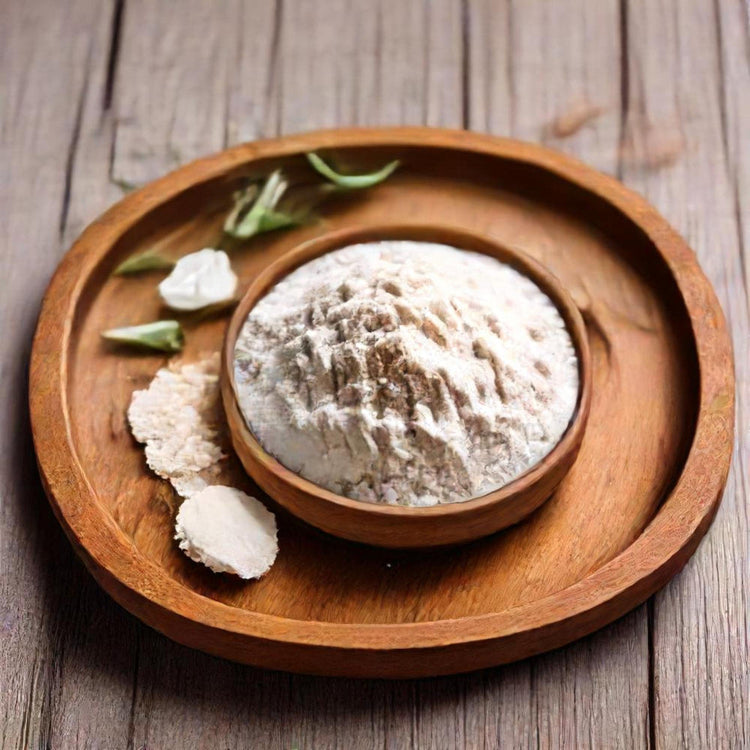
Diese beiden Produkte stammen vom selben Baum und haben ähnliche Vorteile. Während Blattpulver ein Nahrungsergänzungsmittel ist und Mangelernährung vorbeugt, ist Moringaöl ein Schönheitsprodukt und wird als Gleitmittel verwendet. Beide Produkte haben unterschiedliche Vor- und Nachteile sowie Anwendungsbereiche.

Wie riecht Moringa-Öl?

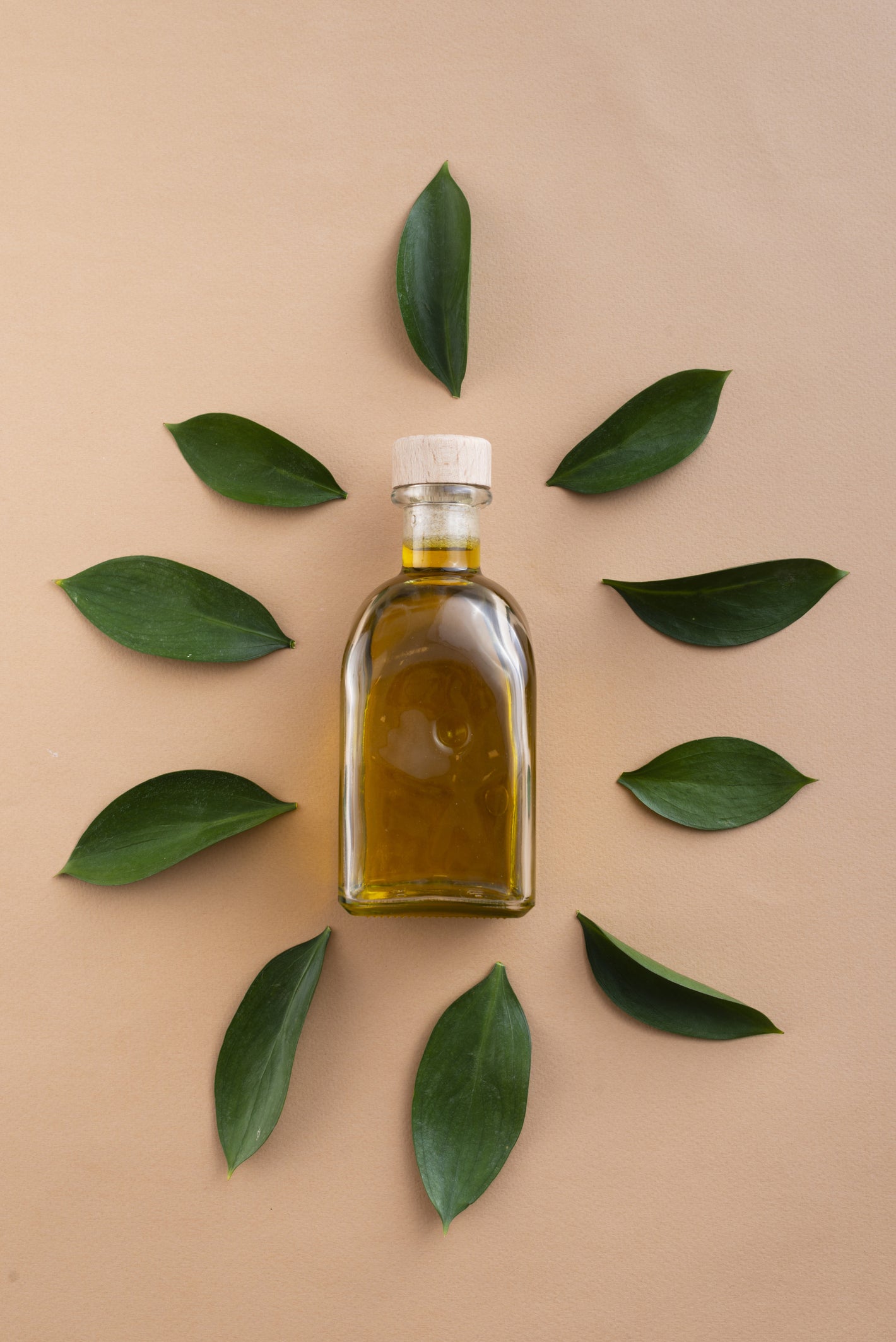
Moringaöl hat eine hellgrüne Färbung mit einem leicht nussigen Geschmack und Geruch. Den handelsüblichen Produkten werden aus Marketinggründen weitere Öle beigemischt.

Moringa Oil: Benefits, Side Effects and Uses

Fazit

Moringaöl hat verschiedene ernährungsphysiologische und kosmetische Anwendungszwecke und Vorteile. Aufgrund seiner enormen gesundheitlichen Vorteile und Verwendungsmöglichkeiten wird der Moringa-Baum auch als „Wunderbaum“ bezeichnet. Studien haben eine Verlangsamung der vorzeitigen Alterung, eine bessere Diabeteskontrolle, die Vorbeugung von Herzerkrankungen sowie zahlreiche weitere gesundheitliche Vorteile bei regelmäßiger Anwendung von Moringa festgestellt.

Bevor Sie Moringa-Öl in Ihre Ernährung aufnehmen, sollten Sie unbedingt einen Arzt konsultieren. Es sind jedoch weitere Forschungsarbeiten erforderlich, um die möglichen Nebenwirkungen und positiven Auswirkungen auf den Menschen besser zu verstehen. Welzo bietet zahlreiche entsprechende Produkte an. Besuchen Sie die Seiten, um Bio-Moringa-Blätter (100 g), Bio-Moringa-Kapseln von Organic India und Golden Greens Bio-Moringa-Blattpulver (100 g) zu kaufen.


Verwandte Produkte

Maxi-Hair, Haut & Nägel (2.000 mcg Biotin) 90 Tabletten – Country Life – welzo
Country Life
Maxi -Hair, Skin & Nails (2.000...
136 Bewertungen
€42,95
Add to Cart
CoQ10 mit hoher Bioverfügbarkeit und BioPerine 100 mg, 120 Kapseln – Doctor's Best – welzo
Doctor's Best
Hoher Absorption COQ10 mit Bioperin 100...
148 Bewertungen
€44,95
Add to Cart
Multivitamin- und Mineralstoffpräparat für Kinder, 120 Kapseln – Kirkman Labs (hypoallergen) – welzo
Kirkman Laboratories
Multivitamin/Mineral von Kindern, 120 Kapseln -...
152 Bewertungen
€43,95
Add to Cart
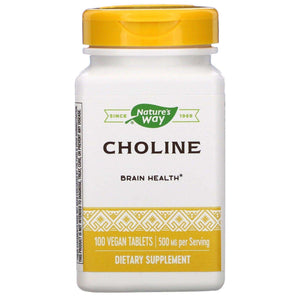
Cholin 500 mg, 100 vegane Tabletten – Natures Way – welzo
G&G Vitamins
Cholin 500 mg, 100 vegane Tabletten...
96 Bewertungen
€21,95
Add to Cart