


Best Zeolite Supplements: Top Rated Options


Related products


Interest in zeolite supplements has grown steadily in the UK as more people explore binder-style products within everyday wellness routines. Dr Zeeshan has reviewed and tested a wide range of zeolite formulations available to UK consumers, focusing on real-world usability, ingredient transparency, and safety rather than headline detox claims.
From a clinical and nutritional standpoint, zeolite sits within a broader general health context rather than functioning as a targeted therapeutic intervention. Dr Zeeshan evaluates zeolite alongside hydration habits, dietary patterns, and supplement timing, all of which play a significant role in how individuals perceive benefits from any gut-focused product. This perspective aligns closely with guidance used across evidence-based nutrition advice and supplements more broadly.
For readers specifically researching best zeolite supplements, the aim of this guide is to separate evidence-informed choices from marketing noise and to highlight products that prioritise clarity, conservative dosing, and responsible formulation.
What Are Zeolite Supplements?
Zeolite supplements are derived from naturally occurring mineral compounds known as zeolites—microporous aluminosilicates characterised by their rigid, cage-like structure. In nutritional terms, zeolite is best categorised among trace minerals, reflecting its non-vitamin, non-herbal nature and its behaviour within the digestive tract.
Unlike traditional mineral supplements that are absorbed systemically, zeolite is intended to remain largely within the gastrointestinal tract. Dr Zeeshan emphasises that this distinction is critical when evaluating claims, particularly when zeolite is compared to other products within the wider minerals category.
Because zeolite is not used to correct nutritional deficiencies, its role is more accurately described as supportive within gut-focused wellness strategies rather than as a nutrient replacement.
What Are Zeolite Supplements Used For?
In everyday use, zeolite supplements are most commonly incorporated into digestive wellness routines. Dr Zeeshan observes that many individuals trial zeolite during periods of dietary change, travel, or lifestyle reset, where digestive comfort and routine structure are the primary goals.
Zeolite is frequently grouped within detox and cleansing product categories, although this terminology can be misleading. Clinically, zeolite is better viewed as a binder-style supplement that may support normal digestive processes, rather than something that actively “detoxifies” organs.
Some users choose zeolite as an alternative to more aggressive binders such as activated charcoal, particularly if they are looking for a gentler option that integrates more comfortably into daily routines.
Zeolite is also commonly found within holistic supplement protocols promoted by brands operating in the complementary health space, including those associated with BioRay and other practitioner-style ranges.
Our Top Picks: Best Zeolite Supplements (UK)
Best Overall: ACZ Nano Zeolite Extra Strength Liquid
Best Powder (High Volume): MegaMin Activ TMA-Z Tribomineral Activated Zeolite 400g Powder
Best Powder (Smaller Size): MegaMin Activ TMA-Z Tribomineral Activated Zeolite 125g Powder
Detailed Reviews: Best Zeolite Supplements
ACZ Nano Zeolite Extra Strength Liquid

| Why It’s Been Selected | This product was selected as the best overall zeolite supplement due to its liquid format, flexible dosing, and ease of use. Dr Zeeshan rated it highly for users who prefer adjustable intake and want to avoid powders or capsules. |
|---|---|
| Product Description | ACZ Nano Zeolite Extra Strength is a liquid clinoptilolite-based supplement designed for simple daily use. The liquid format allows for gradual dose adjustment and is often chosen by users prioritising convenience and routine adherence. |
| Product Reviews | Customer feedback frequently highlights ease of integration into daily routines and good tolerability when taken with sufficient water. Reviews often mention appreciation for the liquid delivery format. |
| Price | £43.03 |
| Where to Buy | ACZ Nano Zeolite Extra Strength Liquid |
| Pros | Flexible dosing; no capsules or powders; convenient for beginners; easy to travel with. |
| Cons | Higher cost per serving compared to powders; liquid format requires accurate measurement. |
| How to Use | Typically diluted in water once or twice daily. Should be spaced well away from medications and essential supplements. |
| Editor’s Comments | Dr Zeeshan considers this a strong option for short- to medium-term use where flexibility and simplicity are priorities. |
MegaMin Activ TMA-Z Tribomineral Activated Zeolite 400g Powder

| Why It’s Been Selected | Selected as the best high-volume powder option, this product offers strong value for experienced users seeking long-term use and precise dose control. |
|---|---|
| Product Description | MegaMin Activ TMA-Z is a tribomineral activated zeolite powder formulated for flexible dosing. The powder format allows users to scale intake while maintaining cost efficiency. |
| Product Reviews | Reviews commonly highlight the large supply size and value per gram. Users often note that starting with a smaller dose improves comfort. |
| Price | £70.01 |
| Where to Buy | MegaMin Activ TMA-Z Tribomineral Activated Zeolite 400g Powder |
| Pros | Excellent value per gram; flexible dosing; suitable for long-term users. |
| Cons | Powder texture may not suit everyone; less portable; requires mixing. |
| How to Use | Mixed into water once daily. Adequate hydration is recommended and intake should be spaced away from medications. |
| Editor’s Comments | Best suited to experienced supplement users who value control over dose and long-term cost efficiency. |
MegaMin Activ TMA-Z Tribomineral Activated Zeolite 125g Powder

| Why It’s Been Selected | Chosen as the best entry-level powder option, this smaller size allows new users to trial powdered zeolite without committing to a large tub. |
|---|---|
| Product Description | This 125g zeolite powder uses the same formulation as the larger MegaMin tub but in a more manageable size, making it suitable for first-time users. |
| Product Reviews | Users appreciate the reduced commitment and ease of testing tolerance before upgrading to a larger container. |
| Price | £30.01 |
| Where to Buy | MegaMin Activ TMA-Z Tribomineral Activated Zeolite 125g Powder |
| Pros | Lower upfront cost; identical formulation to 400g version; ideal for trials. |
| Cons | Higher cost per gram than larger size; shorter supply duration. |
| How to Use | Mixed with water once daily, starting with a smaller dose to assess tolerance. |
| Editor’s Comments | A sensible starting point for users unsure whether powdered zeolite suits their routine. |
Features and Benefits of Zeolite Supplements
When assessing zeolite supplements, Dr Zeeshan prioritises features that enhance safety and consistency. One key indicator of quality is whether a brand specialises in mineral formulation, as this typically correlates with better sourcing controls and batch testing practices, such as those seen within Eidon Mineral Supplements.
From a practical standpoint, the benefits most commonly reported by users are subtle rather than dramatic. Many individuals find that zeolite supports a more structured daily routine by encouraging regular hydration and mindful spacing between supplements and medications.
Zeolite supplements also appeal to people who prefer organic and natural wellness products, particularly those who wish to avoid stimulant-based or harsh digestive formulations.
Dr Zeeshan also stresses the importance of considering zeolite use within the context of a full supplement stack. For individuals already using products from popular supplement brands, unnecessary duplication or overlap should be avoided.
This is especially relevant for readers already focused on immune-support strategies. Zeolite should not automatically be added to routines that already include multiple immune-focused products such as those found in immunity supplements, without reviewing spacing and necessity.
For broader context, readers comparing zeolite with more established immune-support approaches may benefit from reviewing this UK-focused overview of immune system supplements.
How Does Zeolite Work in the Body?
Dr Zeeshan explains that zeolite supplements (most commonly clinoptilolite) are typically positioned as gut-local binders rather than nutrients intended for systemic absorption. The core theory is surface adsorption: molecules can adhere to the mineral’s porous structure while the material remains within the digestive tract and is eliminated naturally.
This “surface-binding” behaviour of clinoptilolite is described in UK regulator-facing material such as the UK Food Standards Agency-hosted clinoptilolite application dossier, which focuses on identity, characteristics and the ingredient’s proposed use as a binding agent rather than as an absorbed micronutrient.
Zeolite for Detox: What Does the Evidence Actually Say?
Dr Zeeshan stresses that “detox” is a marketing term with inconsistent meaning. Physiological detoxification is primarily handled by the liver, kidneys and gut. A zeolite supplement cannot replace those systems; at most, it may influence what remains in the gut at the time it is taken.
In the UK, official reviews have repeatedly highlighted that broad health claims are not established for clinoptilolite; the ACNFP opinion on clinoptilolite specifically concludes that the safety data submitted for that novel-food application were inadequate, reinforcing why “detox” promises should be treated cautiously.
Dr Zeeshan’s position is that any “detox” framing should remain conservative: the most defensible interpretation is digestive binding support, not organ cleansing or systemic toxin removal.
Is Zeolite Safe? Side Effects, Risks & Red Flags
Safety depends heavily on quality control because zeolite is a mined mineral. Dr Zeeshan notes that the main practical concerns are contaminants (e.g., heavy metals), unclear identity, and overly aggressive dosing without hydration.
UK advisory reporting continues to treat clinoptilolite as a safety-evidence question rather than a benefits-proven supplement; in its ACNFP Annual Report 2005, the Committee records issuing a negative opinion in view of unresolved concerns raised previously for the clinoptilolite novel-food application.
The most common side effects discussed clinically are gastrointestinal—constipation, bloating, nausea or abdominal discomfort—often worsened by insufficient water intake. Red flags include persistent constipation, severe abdominal pain, vomiting, dizziness, or any new symptom pattern that starts soon after initiation.
Zeolite Interactions: Medications, Supplements & Nutrient Binding
Dr Zeeshan flags interactions as a central risk: any binder-like material can theoretically reduce absorption of medicines or nutrients if taken too close together. This is not hypothetical in principle—binding is the entire proposed mechanism—so timing and spacing matter.
UK advisory commentary has explicitly considered the interaction/absorption angle in its clinoptilolite discussions; for background on how clinoptilolite was reviewed in UK novel food processes and the types of concerns raised, Dr Zeeshan references the ACNFP Annual Report 2004.
As a practical rule, Dr Zeeshan advises spacing zeolite away from prescription medicines and key supplements (such as iron, zinc and multivitamins) unless a clinician provides personalised guidance.
Who Should Avoid Zeolite Supplements?
Dr Zeeshan advises that certain groups should avoid self-starting zeolite: pregnancy and breastfeeding (clinician-led only), chronic constipation or bowel motility disorders, swallowing difficulties, and anyone taking essential medicines where reliable absorption is critical.
For evidence-led decision-making on supplement use alongside medicines in UK practice, Dr Zeeshan aligns with the risk-based approach outlined by the NHS Specialist Pharmacy Service guidance on using food supplements, particularly when a product’s mechanism could affect absorption.
Types of Zeolite Supplements Explained (Which Is Best?)
Clinoptilolite is the most common zeolite used in supplements. Other labels such as “activated”, “micronised” or “tribomechanically activated” often describe processing rather than clinically proven superiority.
Dr Zeeshan considers the “best” type to be the one with clear identity, conservative dosing instructions and credible purity controls. As a reminder that clinoptilolite has been assessed primarily through a safety lens in the UK, he notes how the UK competent authority and advisory process treated the evidence in the published clinoptilolite opinion document (cited earlier), where approval was not supported on the submitted data.
Zeolite Capsules vs Powder vs Liquid: Which Should You Choose?
Dr Zeeshan frames format choice as an adherence and tolerability decision. Capsules are convenient and consistent, powders allow dose flexibility, and liquids can offer incremental dosing control when measurement is explicit.
Format does not change the underlying binding concept; it changes how easy it is for a person to take the product consistently while maintaining good spacing from medicines and maintaining hydration.
Zeolite Dosage: How Much Zeolite Should You Take?
There is no single standard zeolite dose because products vary widely in serving size, concentration and processing. Dr Zeeshan recommends starting at the lowest labelled dose, prioritising hydration, and avoiding “more is better” logic with binder-style products.
Where dose escalation is considered, he advises using a time-limited trial window and stopping if constipation or abdominal discomfort emerges.
How Long Does Zeolite Take to Work?
Dr Zeeshan notes that “time to work” depends on the outcome being measured. Some users notice changes in bowel regularity within days, while others notice no meaningful change. If the expectation is broad detoxification, disappointment is likely because UK regulatory discussion has not validated sweeping detox claims for clinoptilolite.
He recommends reassessing after a few weeks rather than continuing indefinitely, especially if the product is being used without a clear, measurable goal.
Zeolite Quality Checklist: What to Look for Before You Buy
Dr Zeeshan’s checklist focuses on safety signals that matter for a mined material:
-
Identity clarity: clinoptilolite clearly stated rather than vague “zeolite blend”.
-
Purity controls: credible contaminant testing claims and quality assurance.
-
Transparent dosing: clear serving size and realistic instructions.
-
Timing guidance: spacing advice relative to medicines and mineral supplements.
-
Claim discipline: avoids disease claims and exaggerated detox promises.
For a scientific reminder of clinoptilolite’s strong adsorption behaviour (in non-supplement contexts) and why purity matters for applications involving binding, Dr Zeeshan points to UK university research such as the University of Birmingham publication page discussing clinoptilolite adsorption.
How We Evaluated the Best Zeolite Supplements
Dr Zeeshan’s evaluation method prioritises: (1) identity transparency (clinoptilolite clearly defined), (2) conservative, well-explained dosing, (3) purity and contaminant risk controls, (4) tolerability and hydration guidance, and (5) realistic claims aligned to what a gut-local binder can plausibly do.
He also weighs whether the brand provides enough information for a consumer to use the product safely alongside common medicines—because absorption interference is a foreseeable issue with binder-style supplements.
Zeolite vs Activated Charcoal vs Bentonite Clay
Zeolite, activated charcoal and bentonite clay are often grouped together as “binders”, but they differ in structure, selectivity, and user tolerance. Dr Zeeshan cautions against stacking binders because constipation and absorption interference risks can increase.
For a UK-based technical reference showing that clinoptilolite adsorption and ion-exchange behaviour is a distinct, well-characterised property of the mineral, he notes academic work from UK institutions such as the University of Strathclyde publication record on clinoptilolite adsorption and ion exchange.
Best Time to Take Zeolite
Dr Zeeshan recommends taking zeolite with plenty of water at a time that allows separation from medicines and key nutrients. Mid-morning or mid-afternoon can be practical because it reduces the chance of overlap with breakfast vitamins or evening prescriptions.
The key objective is not the clock; it is spacing and tolerability.
Common Mistakes People Make With Zeolite
-
Taking it too close to medicines, assuming “natural” means interaction-free.
-
Starting too high and escalating quickly instead of titrating cautiously.
-
Under-hydrating, increasing constipation risk.
-
Choosing products with unclear identity (no clinoptilolite stated) or weak testing transparency.
-
Expecting sweeping detox effects not supported by UK regulatory discussion of clinoptilolite evidence.
Why You Should Trust This Guide
This guide has been written from a clinical and evidence-based perspective by Dr Zeeshan, with a focus on realistic outcomes, safety considerations, and regulatory context. Rather than relying on marketing claims, the analysis prioritises published data, UK regulatory commentary, and practical experience reviewing supplement formulations. Where evidence is limited or inconclusive, that uncertainty is stated clearly.
Are There Different Types of Zeolite?
Yes. Zeolite is a broad term covering a family of naturally occurring aluminosilicate minerals. In supplements, the most commonly used type is clinoptilolite. Other zeolite structures exist, but they are primarily used in industrial or agricultural settings rather than human supplementation. Clear identification of the zeolite type on a label is essential for safety and transparency.
Does Zeolite Remove Bacteria From Water?
Zeolites are widely used in water filtration systems because of their ion-exchange and adsorption properties. In those contexts, they can contribute to the removal of certain contaminants and microorganisms when used as part of engineered filtration processes. This does not mean that oral zeolite supplements act as antibacterial agents in the human body or gut.
Immune System Support
Zeolite is sometimes discussed in relation to immune health, largely due to its proposed role in reducing gut burden rather than directly stimulating immune cells. There is currently no strong human evidence that zeolite enhances immune function. Any indirect immune relevance would be secondary to digestive tolerance and overall health status.
Digestive Health
Digestive health is the area where zeolite use is most commonly discussed. Some users report changes in bowel regularity or digestive comfort, particularly when using zeolite as part of a structured routine with adequate hydration. However, responses vary widely, and zeolite is not a treatment for digestive disorders.
How to Take Zeolite Powder
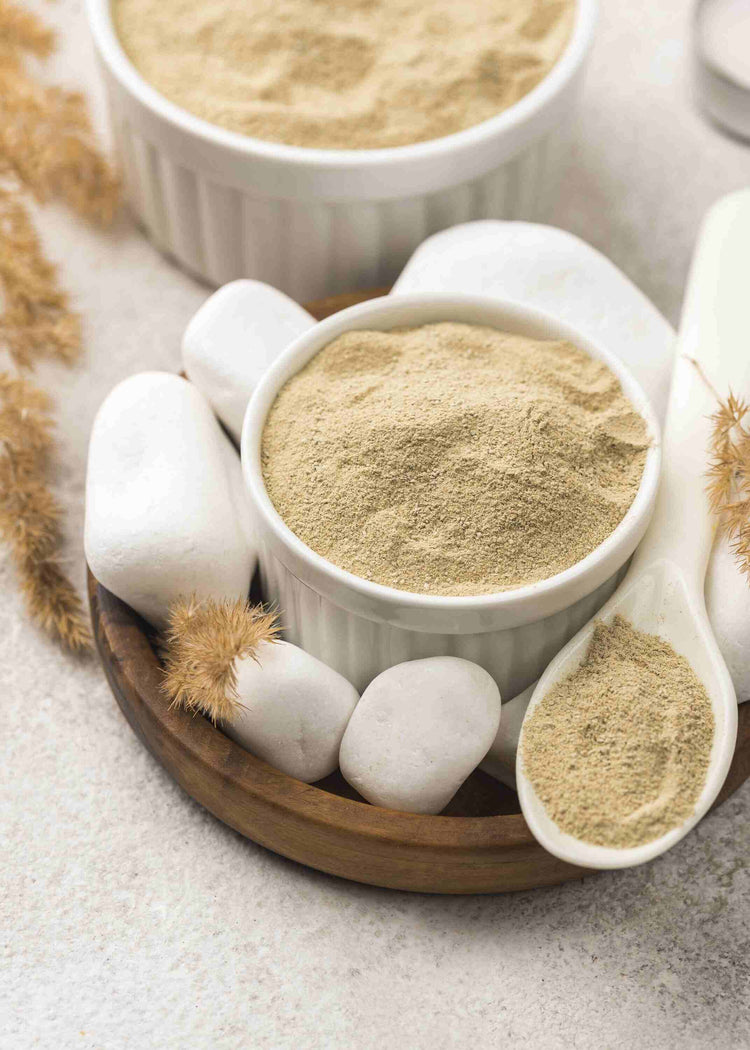
Zeolite powder is typically mixed with water and consumed promptly to avoid settling. Adequate fluid intake is essential to reduce the risk of constipation. Powders allow dose flexibility, but this also means users must measure carefully and follow label instructions closely.
Integrating Zeolite Into Your Daily Routine
When used, zeolite is best integrated into a routine that prioritises spacing from meals, medications, and essential supplements. Many people choose a consistent time of day to minimise interaction risk and improve adherence. Zeolite should not replace foundational habits such as balanced nutrition, hydration, or medical care.
Overall Well-being
Claims linking zeolite to overall well-being are largely anecdotal. Any perceived benefit is likely related to routine, hydration, and digestive regularity rather than a direct systemic effect. Dr Zeeshan emphasises that well-being outcomes should be interpreted cautiously and reassessed regularly.
Aflatoxin Removal
Certain zeolites have been studied in agricultural and animal-feed contexts for binding aflatoxins. While these findings are relevant to food safety applications, they do not automatically translate to proven aflatoxin detoxification in humans through supplementation. Human evidence in this area remains limited.
Skin Health
Zeolite is more commonly associated with topical skincare products than oral supplements. Claims that oral zeolite improves skin health are indirect and speculative, often linked to general digestive tolerance rather than direct skin effects. There is no robust clinical evidence supporting zeolite as a skin supplement.
Allergies
There is no strong evidence that zeolite treats or prevents allergies. Some hypotheses suggest that reducing gut irritants could indirectly influence immune responses, but this has not been demonstrated in well-designed human studies. Individuals with allergies should not replace evidence-based treatments with zeolite supplementation.
FAQs: Zeolite Supplements
What is zeolite and what is it used for?
Zeolite is a naturally occurring mineral, most commonly clinoptilolite, used in supplements for its binding (adsorptive) properties within the digestive tract. It is not a vitamin or nutrient and is not intended to be absorbed into the bloodstream.
How does zeolite work in the body?
Zeolite is believed to work locally in the gut by binding certain substances to its surface. It then passes through the digestive system and is excreted, rather than being metabolised or absorbed.
Does zeolite detox the body?
There is no strong human evidence that zeolite “detoxes” organs such as the liver or kidneys. Any plausible effect is limited to binding substances present in the gut at the time it is taken.
Is zeolite scientifically proven to remove toxins?
Zeolite’s binding properties are well documented in laboratory and industrial settings, but evidence for meaningful toxin removal in humans through supplementation is limited. Claims should be interpreted cautiously.
Is zeolite safe to take?
Zeolite is generally considered low risk when used short term at conservative doses, but safety depends heavily on product quality, purity, and correct use. Long-term safety data in humans is limited.
What are the side effects of zeolite supplements?
The most commonly reported side effects are digestive, including constipation, bloating, nausea, or abdominal discomfort. These effects are more likely with higher doses or inadequate hydration.
Can zeolite cause constipation?
Yes. Because zeolite can bind substances in the gut, constipation is one of the most frequently reported side effects, particularly if fluid intake is low or doses are too high.
Can zeolite interact with medications?
Yes. Zeolite may interfere with the absorption of medications or nutrients if taken too close together. It should be spaced well away from prescription medicines unless advised otherwise by a healthcare professional.
Who should not take zeolite supplements?
Zeolite supplements are generally not recommended without professional guidance for pregnant or breastfeeding individuals, people with chronic constipation or bowel disorders, or those taking essential daily medications.
How much zeolite should you take per day?
There is no standard recommended dose. Products vary widely, so users should follow label instructions and start with the lowest suggested amount. Higher doses are not proven to be more effective.
How long does it take for zeolite to work?
This depends on the intended use. Some people notice changes in bowel regularity within days, while others notice no effect. Zeolite is not fast-acting in the way medicines are.
Can zeolite be taken every day?
Daily use is not well studied long term. If zeolite is used daily, it should be for a limited period, with careful attention to hydration, spacing from medications, and digestive tolerance.
What is the best form of zeolite?
Clinoptilolite is the most commonly used form in supplements. There is no clear evidence that “activated” or micronised forms are superior; clarity of identity and purity testing are more important.
Are zeolite capsules, powders, or liquids better?
No form has been proven superior. Capsules are convenient, powders offer dose flexibility, and liquids allow incremental dosing. Choice should be based on tolerance and ease of correct use.
What is the best time of day to take zeolite?
Zeolite is usually taken with water at a time that allows spacing from medications and key supplements. Many people choose mid-morning or mid-afternoon to reduce interaction risk.
Can zeolite remove heavy metals?
Zeolite can bind certain metals in laboratory settings, but evidence that supplementation removes heavy metals from the human body in a clinically meaningful way is limited.
Is zeolite the same as activated charcoal?
No. Both are considered binders, but they are different substances with different binding strengths and safety profiles. Activated charcoal is more aggressive and typically used short term.
What should you look for when buying a zeolite supplement?
Look for products that clearly state the zeolite type (e.g. clinoptilolite), provide purity and contaminant testing information, give clear dosing instructions, and avoid exaggerated detox claims.




 Bewertet mit 28,951+ Bewertungen ausgezeichnet
 100% Geld zurück