

 Instagram


Best Red Light Therapy Panels in 2026: Expert Reviews & Buying Guide


Related products


A red light therapy panel is a large LED array that emits red (around 630–660nm) and near-infrared (around 810–850nm) light to stimulate cellular repair through a process called photobiomodulation. Panels cover far more of the body per session than masks or handheld devices, which makes them the most practical option for full-body recovery, circulation support and whole-body skin health. The best red light panel for you comes down to three specifications: wavelengths, irradiance and coverage area. This guide reviews the best red light therapy panels available in the UK in 2026, explains what the specifications actually mean, and sets out what the current evidence does and does not support — so you can spend confidently rather than guess.
Key Takeaways
- Look for dual wavelengths: a panel should state both red (630–660nm) and near-infrared (810–850nm) output in nanometres. Vague marketing terms like "therapeutic red" are a warning sign.
- Irradiance matters more than wattage. Wattage is what the panel draws from the wall; irradiance (mW/cm²) is what actually reaches your skin.
- Typical protocol: 10–20 minutes per area, 3–5 times per week, at 15–60cm distance. More is not better — photobiomodulation follows a biphasic dose response.
- Expect weeks, not days. Muscle recovery benefits tend to appear first; skin and circulation changes generally take 4–12 weeks of consistent use.
- Evidence is promising but uneven. It is strongest for skin rejuvenation, pain and scalp hair density, and much weaker for the broader wellness claims often made in marketing.
- Consistency beats power. The best panel is the one you will realistically stand in front of several times a week.
Our Top Picks at a Glance
Best Overall Performance:
High Dose Max Red Light Therapy Full Body Panel Professional Max Version 5
Best for Young Adults:
High Dose Therapy Device 300W Infrared Lamp Red Light Panel (660–850nm)
Best Mid-Range Value:
Red Light Panel 600W
Best Balanced Size & Performance:
Red Light Panel Medium
Best Full-Body System:
Welzo RadiantPanel Pro Full Body Red & Infrared Light Therapy System
Best Red Light Therapy Panels in 2026: Quick Comparison
| Panel | Best For | Coverage | Wavelengths | Output Level | Space Needed |
|---|---|---|---|---|---|
| High Dose Max Professional Max V5 | Serious, committed daily users | Full body | Red + near-infrared | Highest | Large |
| High Dose Therapy Device 300W V3 | Targeted zones, smaller homes | Upper or lower body | 660nm + 850nm | Medium-high | Small–medium |
| Red Light Panel 600W | Everyday all-round use | Torso and multiple areas | 630/660nm + 810/850nm | Medium | Medium |
| Red Light Panel Medium | Mixed skin and recovery goals | Multiple areas per session | Red + near-infrared | Medium | Medium |
| Welzo RadiantPanel Pro | Hands-off head-to-toe sessions | Full body with stand | Red + near-infrared | High | Large |
Always check the current product page for the exact wavelength ratio, irradiance figure and panel dimensions before buying, as manufacturers periodically revise specifications between versions.
What Is a Red Light Panel?
A red light panel is a rectangular or square array of LEDs designed to emit specific wavelengths of light that can be absorbed by your skin and tissues. These wavelengths — primarily red and near-infrared light — stimulate a process called photobiomodulation, where cells absorb light energy and increase mitochondrial activity, helping your body repair and regenerate more efficiently. Red light typically targets surface skin cells, while near-infrared wavelengths reach deeper into muscle and connective tissue. Panels are usually larger than masks and cover more surface area in a single session. Crucially, red light therapy is not the same as a sunbed. Panels emit no ultraviolet radiation, do not tan the skin, and offer no protection against sun damage.
How Do Red Light Panels Work?
Red light panels work by delivering controlled doses of light energy to your skin. When photons reach your cells, they are absorbed by structures called mitochondria — specifically by an enzyme called cytochrome c oxidase — which then produce more ATP, the energy currency of the cell. With more energy available, cells are better equipped to repair themselves and function efficiently. This increased efficiency is the proposed mechanism behind benefits such as improved collagen production, reduced inflammation and better circulation. An important and frequently ignored detail is the biphasic dose response. Photobiomodulation follows an inverted-U curve: too little light produces no effect, an optimal dose produces the benefit, and excessive dose can blunt the response. This is why doubling your session length or standing far too close does not double your results.
Red Light vs Near-Infrared: What's the Difference?
| Wavelength | Type | Penetration Depth | Primarily Used For |
|---|---|---|---|
| 630–660nm | Visible red | Skin surface and dermis | Collagen support, skin tone and texture, superficial wound healing |
| 810–850nm | Near-infrared (invisible) | Muscle, joint and connective tissue | Muscle recovery, joint discomfort, deeper inflammation |
Near-infrared light is invisible to the eye, so a panel running in NIR-only mode can look as though it is barely on. That is normal, and not a fault.
Clinical Perspective
According to Dr Zeeshan Afzal, red light therapy works by stimulating mitochondrial activity within cells, increasing ATP production and supporting tissue repair and regeneration. He notes that the most consistent results are seen when clinically studied wavelengths (around 660nm red and 850nm near-infrared) are used regularly at adequate power levels. Dr Afzal also highlights that panels offering sufficient irradiance and coverage tend to be more effective for full-body recovery, circulation support, and long-term skin health than lower-output consumer devices.
What Does the Evidence Actually Say?
Red light therapy sits in an unusual position: the underlying mechanism is well described, the research volume is large, and yet the quality of individual trials varies enormously. Being clear about that distinction is the difference between an informed purchase and a disappointed one. A 2025 international expert consensus published in the Journal of the American Academy of Dermatology reviewed the literature on photobiomodulation and concluded that it is a safe treatment modality for adult patients, while noting that standardised, evidence-based guidance for clinicians had previously been lacking. A 2025 narrative review in the Bratislava Medical Journal examining 59 studies of red LED therapy in dermatology supported its use across a range of skin conditions, but explicitly called for more randomised controlled trials — particularly on self-administered, at-home treatment.
Evidence Strength by Outcome
| Outcome | Evidence Strength | What the Research Shows |
|---|---|---|
| Skin rejuvenation (fine lines, texture, elasticity) | Moderate | Multiple randomised and split-face trials report measurable improvements in wrinkle depth and elasticity, with histological increases in collagen and elastin. Most trials are small and short. |
| Scalp hair density (androgenetic alopecia) | Moderate to good | Meta-analyses of double-blind, sham-controlled trials of low-level light therapy report significant increases in hair density versus sham. Note these used comb, cap and helmet devices — not body panels. |
| Musculoskeletal pain and tendinopathy | Low to moderate | Reviews report pain and function improvements, though study quality is frequently rated low to moderate and protocols vary widely. |
| Post-exercise muscle recovery | Low to moderate | Studies suggest reduced soreness and fatigue markers, but sample sizes are small and results inconsistent across protocols. |
| Wound healing | Moderate | One of the longer-standing and better-supported clinical applications of photobiomodulation. |
| Circulation and general wellness | Limited | Mechanistically plausible via nitric oxide release and vasodilation, but clinical outcome data in healthy adults is sparse. |
| Weight loss, "detox", metabolic effects | Insufficient | Frequently claimed in marketing. Not supported by robust evidence and should not drive a purchase decision. |
The honest summary: red light therapy is a supportive tool with a good safety record and genuine mechanistic backing, not a replacement for medical treatment. For a general clinical overview, the Cleveland Clinic's summary of red light therapy is a useful reference point, and the 2025 JAAD consensus on clinical photobiomodulation sets out where expert agreement currently stands. Meta-analytic data on light therapy for pattern hair loss is available via PubMed.
Best Red Light Panels Reviewed
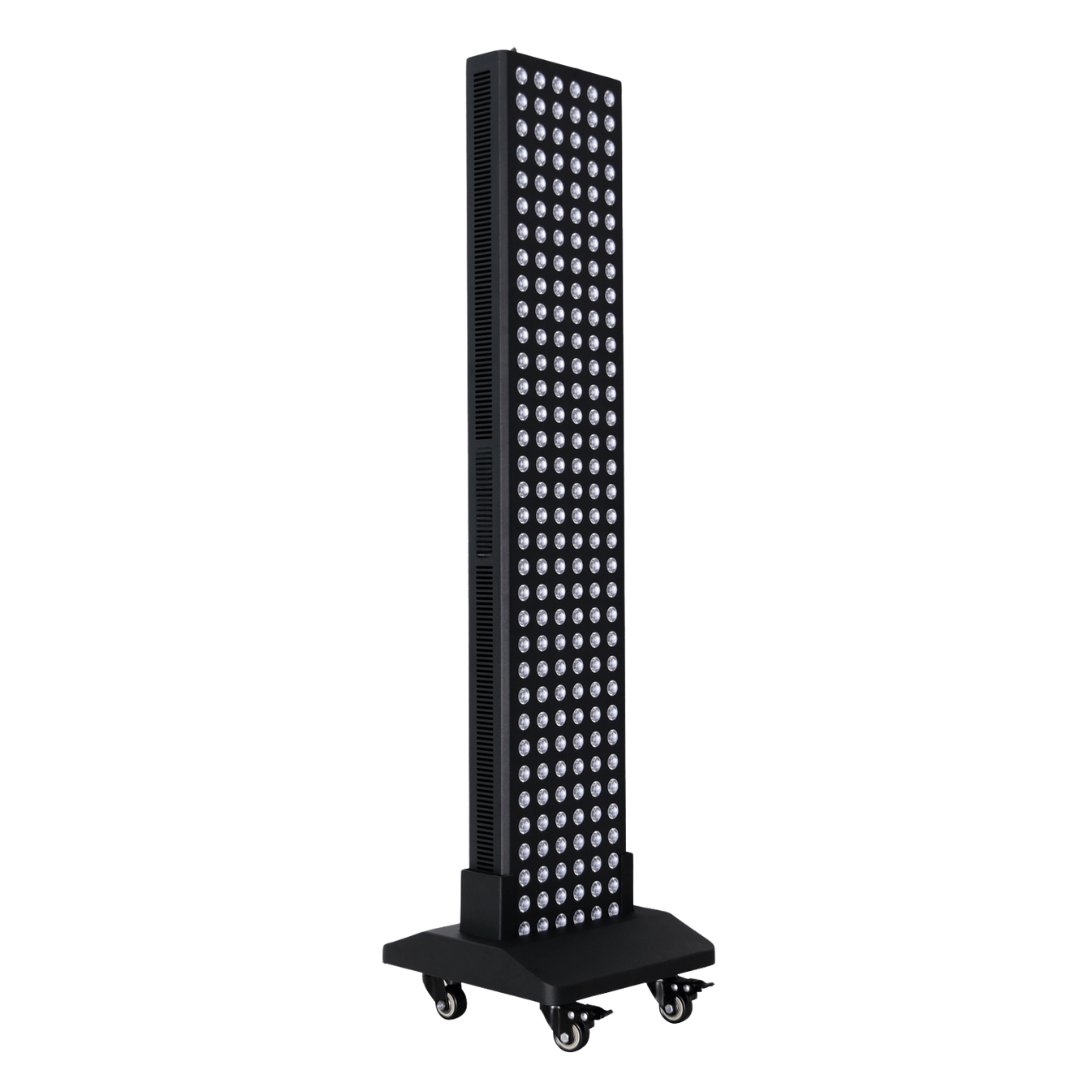
High Dose Max Red Light Therapy Full Body Panel Professional Max Version 5
Pros:
- High irradiance and broad coverage
- Strong support for recovery and performance
- Professional-style output
Cons:
- Larger footprint
- Higher price point
A top-tier red light panel ideal for users who want powerful, full-body therapy with strong light output. The higher irradiance means shorter sessions can still deliver an adequate dose, which is the single biggest predictor of whether people stick with a routine long term.
Who it's best for:
Users dedicated to consistent use and serious wellness support.
Who should skip it:
Anyone in a small flat, or anyone who mainly wants facial treatment — an LED red light therapy face mask is a better fit and a fraction of the price.
High Dose Therapy Device 300W Infrared Lamp Red Light Panel 660–850nm Version 3

Pros:
- Balanced red and near-infrared wavelengths
- Great power-to-size ratio
- Versatile for different body zones
Cons:
- Does not cover full body
- Needs a stand or mount
A mid-power, flexible option that's great for busy users or targeted therapy. The clearly stated 660nm/850nm pairing is exactly what you want to see on a spec sheet — it covers both surface skin and deeper tissue without ambiguity.
Who it's best for:
Young adults and users who want potent performance without the size of a full-body system.
Who should skip it:
Anyone whose main goal is genuine head-to-toe coverage in a single session.
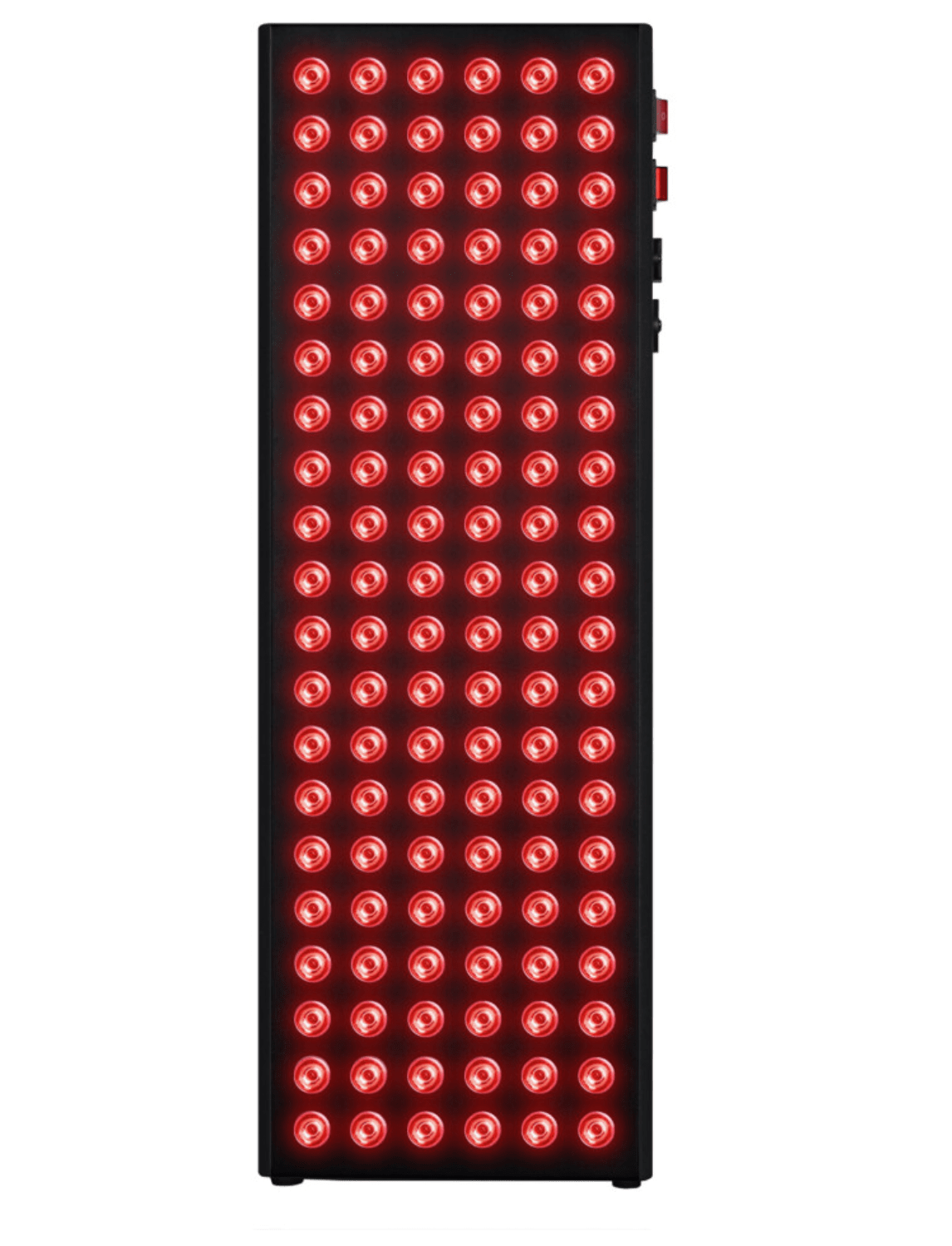
Red Light Panel 600W
Pros:
- Great daily-use value
- Balanced wavelengths and coverage
- Affordable mid-range option
Cons:
- Moderate irradiance
- Requires space to position properly
A reliable all-around panel for users who want everyday red light exposure without paying for clinic-grade output. For most people building a first routine, this is the sensible middle of the range.
Who it's best for:
Everyday users after good performance and simplicity.
Who should skip it:
Athletes wanting the shortest possible sessions at high dose.
Red Light Panel Medium

Pros:
- Balanced power for regular home use
- Covers multiple body areas without being oversized
- Good option for mixed skin and recovery goals
- Easier to position than large full-body panels
Cons:
- Not as powerful as high-dose professional panels
- Not designed for full head-to-toe coverage in one session
A practical mid-size red light panel that offers a strong balance between performance, space, and ease of use.
Who it's best for:
Users who want more coverage than compact panels but don't need a full professional or full-body system.
Who should skip it:
Anyone treating large muscle groups on both sides of the body daily, where repositioning becomes tedious.
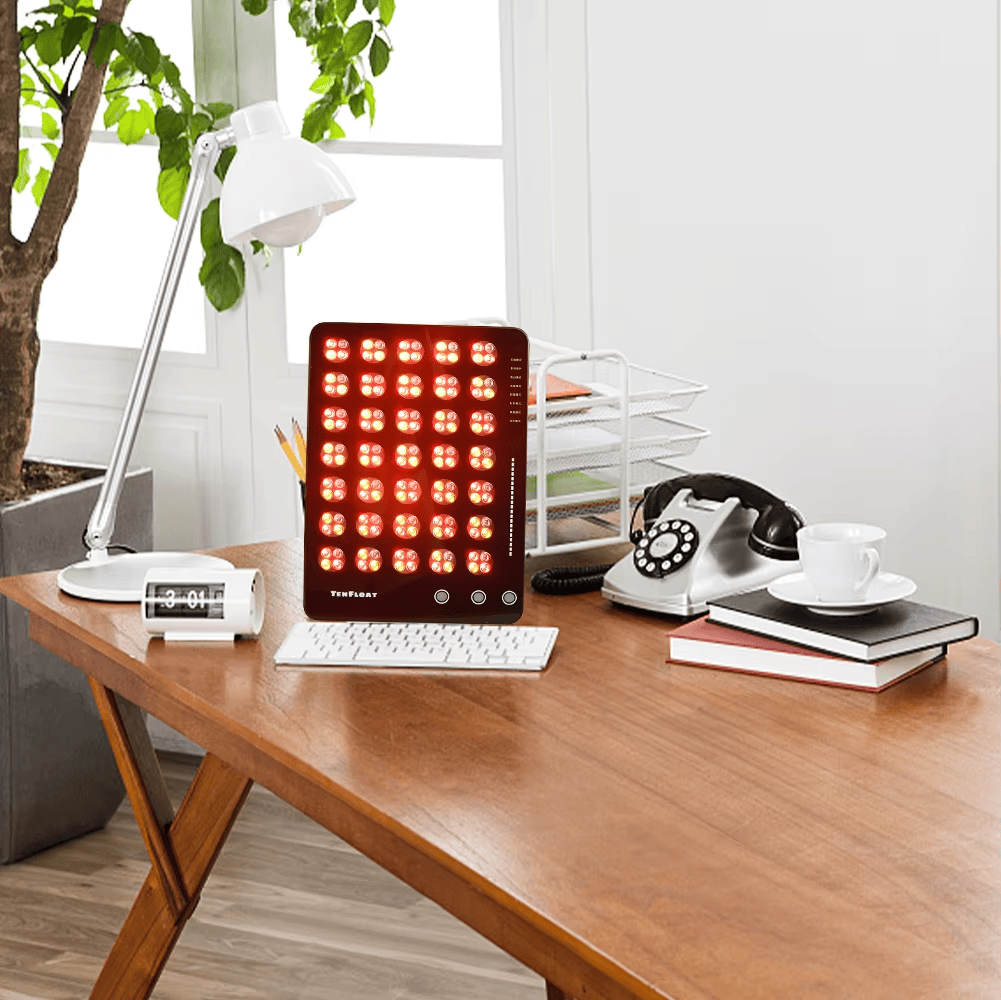
Welzo RadiantPanel Pro Full Body Red & Infrared Light Therapy System
Pros:
- Full-body panel with adjustable stand
- Ideal for head-to-toe coverage
- Includes near-infrared for deeper impact
Cons:
- Larger size
- More involved setup
A whole-body solution for users who want flexibility, comfort, and frequent use. The included stand removes the most common friction point in home red light routines — having nowhere convenient to put the panel.
Who it's best for:
People seeking comprehensive red and infrared therapy with minimal fuss.
Who should skip it:
Renters or anyone without a dedicated corner to leave a stand assembled.
Which Red Light Panel Size Should You Choose?
Red light panels come in different sizes and configurations, and choosing the right type depends on how much coverage you want and how much space you have available.
- Full-body panels offer head-to-toe coverage and are best for whole-body recovery, circulation support, and full skin exposure
- Medium panels balance size and performance, allowing multiple body areas to be treated in one session
- Compact panels are better suited to targeted treatment of specific areas such as shoulders, back, or legs
Larger panels reduce the need for multiple sessions but require more space, while smaller panels offer flexibility with more frequent repositioning.
Quick Decision Guide
| If your main goal is… | Choose | Why |
|---|---|---|
| Whole-body recovery after training | Full-body panel or RadiantPanel Pro | Covers large muscle groups in one session with no repositioning |
| Skin on face, neck and chest only | LED face mask | Contoured, hands-free, far cheaper and easier to be consistent with |
| One stubborn joint or area | Compact or 300W panel | Concentrated output where you need it, minimal footprint |
| A bit of everything, limited space | Medium panel | Best compromise between coverage, cost and practicality |
| Scalp and hair density | Cap or helmet device | Panels are poorly suited to delivering an even scalp dose |
| Relaxation plus warmth | Therapy blanket | Adds infrared heat, used lying down rather than standing |
What To Consider When Buying A Red Light Panel
Here's a breakdown of the key factors to check before you buy.
1. Wavelengths:
Look for dual-wavelength red (~630–660nm) and near-infrared (~810–850nm) combinations — these cover most of the deep and surface benefits. The specification should be stated in nanometres. If a listing only says "red light" with no figures, treat that as a reason for caution.
2. Irradiance:
This measures how much light energy actually reaches your skin, expressed in mW/cm². It is the specification that determines how long your sessions need to be. Critically, irradiance must be quoted with a distance — a figure measured at 5cm tells you almost nothing about performance at 30cm, where you will realistically stand.
3. Coverage Area:
Larger panels cover more body at once — ideal if you want full-body therapy or to treat multiple areas per session. Be realistic: a panel that requires four repositionings will be used less often than one that doesn't.
4. Ease of Use:
Panels that include stands, simple controls and timers make consistent use much easier. A built-in timer also protects against overexposure and against falling asleep mid-session.
5. Build Quality and Safety:
Choose panels with clearly stated wavelengths and power output, appropriate UKCA or CE marking for the UK market, and included eye protection. Reputable sellers publish specifications; anonymous marketplace listings frequently do not.
6. Running Costs and Noise:
High-wattage panels use cooling fans, which can be audible. Electricity use is modest for short daily sessions, but a 600W–1000W panel run daily is not negligible over a year — worth factoring in alongside the purchase price.
How to Read a Red Light Panel Spec Sheet
| Specification | What It Means | Green Flag | Red Flag |
|---|---|---|---|
| Wavelength | The colour and penetration depth of the light | Exact nm figures, e.g. 660nm + 850nm | "Red and infrared" with no numbers |
| Irradiance | Light energy delivered to skin (mW/cm²) | Quoted at a stated distance such as 30cm | A single large number with no distance |
| Wattage | Power drawn from the mains | Used alongside irradiance | Used instead of irradiance |
| LED count | Number of diodes in the array | Paired with panel dimensions | Headline "3000 LEDs" with no output data |
| Certification | Electrical and market compliance | UKCA / CE marking clearly shown | No certification information at all |
| Timer | Session control | Built-in, adjustable, auto shut-off | None — relies on you watching the clock |
Mounting & Setup Options For Red Light Panels
How a red light panel is mounted can have a major impact on how often it is used. Panels are commonly available as freestanding units, wall-mounted systems, or adjustable stand-based setups.
Freestanding panels offer flexibility and are ideal for users who want to move their setup or treat different areas easily. Wall-mounted panels save floor space and suit dedicated wellness areas, while adjustable stands allow users to customise height and angle for different body zones.
Two practical points that buyers often miss: allow enough clear floor space in front of the panel to stand at the correct distance, and make sure the panel's cooling vents are not pushed flush against a wall or curtain.
Choosing a setup that fits your space and daily routine makes consistent use far more likely.
How to Use a Red Light Panel Effectively at Home
Using a red light panel correctly is just as important as choosing the right device. Most panels are designed to be used at a distance of around 15–60cm, depending on power output and manufacturer guidance.
Sessions typically last 5–20 minutes per treatment area, and most users benefit from 3–5 sessions per week. Standing too close or using the panel for excessively long sessions does not necessarily improve results and may reduce comfort.
Step-by-Step: A Simple Home Session
- Clean the skin. Remove make-up, heavy moisturiser and mineral sunscreen from the area you're treating — they can scatter or block light.
- Set your distance. Measure it once and mark the floor. Most panels sit best between 15cm and 60cm; follow the manufacturer's figure for your specific model.
- Expose bare skin. Light does not meaningfully penetrate clothing.
- Protect your eyes. Wear the supplied goggles, or keep your eyes closed if the panel is anywhere near face height.
- Set the timer. Start at 10 minutes per area and build up. Do not begin at maximum duration.
- Rotate. Treat front, then back, or move down the body in zones if the panel doesn't cover everything.
- Repeat 3–5 times weekly. Log sessions for the first month — adherence is the variable that most predicts results.
Suggested Session Guide by Goal
| Goal | Primary Wavelength | Typical Session | Frequency | Typical Distance |
|---|---|---|---|---|
| Skin tone, texture, fine lines | Red (630–660nm) | 10–15 min | 4–5× per week | 30–60cm |
| Post-exercise muscle recovery | Red + near-infrared | 10–20 min per area | 3–5× per week | 15–30cm |
| Joint or localised discomfort | Near-infrared (810–850nm) | 10–20 min | 3–5× per week | 15–30cm |
| General wellbeing and circulation | Red + near-infrared | 10–15 min full body | 3–4× per week | 30–60cm |
These are general starting points drawn from common manufacturer protocols and published trial parameters, not medical instructions. Always follow the guidance supplied with your specific device, and speak to a healthcare professional if you're treating a diagnosed condition.
Consistency plays a larger role than intensity. Regular, moderate sessions allow the body to respond gradually, supporting cellular repair, circulation and skin health over time.
When Can You Expect Results?
Results from red light therapy vary depending on the goal and consistency of use. While some people notice subtle changes sooner, most benefits develop gradually.
| Timeframe | What Users Commonly Report |
|---|---|
| Week 1–2 | Little visible change. Some report a sense of warmth, relaxation or improved sleep quality — largely subjective at this stage. |
| Week 2–4 | Reduced post-exercise soreness and quicker recovery between sessions are usually the first noticeable effects. |
| Week 4–8 | Skin texture, tone and hydration changes typically begin to appear. This matches the collagen remodelling timeline seen in trials. |
| Week 8–12 | Firmness, fine lines and joint comfort changes become more apparent with continued use. |
| Beyond 12 weeks | Benefits are maintenance-dependent. Stopping typically means gradual regression to baseline. |
Red light therapy works cumulatively. Regular, moderate sessions are more effective than infrequent high-intensity use. If you have seen no change at all after 12 consistent weeks, it is worth reviewing your distance, session length and whether the panel's output is adequate — rather than simply extending sessions.
Who Are Red Light Panels Best For?
Red light panels are ideal for people who want broader, more powerful light exposure than smaller devices such as face masks or handheld tools can provide. Because panels cover a larger surface area in each session, they are often chosen by users looking for efficient, full-body treatment.
They are particularly well suited to:
- Individuals with ongoing muscle or joint discomfort
- Athletes and active users supporting post-exercise recovery
- People seeking whole-body skin, circulation, and wellness benefits
- Home users who want faster sessions with fewer repositioning steps
- Anyone committed to consistent, long-term red light therapy use
Red light panels may be less suitable for users who only want facial treatment, have very limited space, or prefer portable, travel-friendly devices.
Safety Considerations & Who Should Use Caution
Red light therapy is non-invasive and does not emit UV radiation, and expert consensus generally regards it as a safe modality for adults when used as directed. It is not, however, appropriate for everyone in all circumstances.
People who should consult a healthcare professional before use include:
- Individuals with photosensitive conditions such as lupus or porphyria
- Those taking photosensitising medications — including some antibiotics (e.g. doxycycline), isotretinoin, certain diuretics and St John's Wort
- People with active cancer in the treatment area
- Pregnant individuals considering abdominal exposure
- Anyone with implanted medical devices near the treatment zone
- Anyone with a history of retinal disease, before using a panel near the face
Eye Safety
This deserves its own note, because it is the most common way home users cause themselves discomfort. High-output panels are extremely bright, and near-infrared light is invisible — meaning your blink reflex doesn't respond to it. Do not look directly at the LEDs. Wear the supplied goggles or keep your eyes closed for any session at or near face height. Transient glare, afterimages and eye strain are the usual complaints, and they are entirely avoidable.
Possible Side Effects
Side effects are uncommon and typically mild. Reported effects include temporary redness, warmth or tightness in the treated area, mild headache after long sessions, and eye strain following unprotected exposure. Skin should feel warm, never hot — if it does, increase your distance or shorten the session. Burns are rare and generally indicate a device fault or misuse.
Red Light Therapy Benefits
| Benefit | How It Works | Evidence / Notes |
|---|---|---|
| Skin Rejuvenation | Red light stimulates fibroblasts in the skin, supporting collagen and elastin production. | Linked to improved firmness and a reduction in fine lines with consistent use. Supported by multiple small randomised trials. |
| Pain & Inflammation Support | Near-infrared light increases ATP production and improves blood flow, helping modulate inflammation. | Reviews report reductions in joint and muscle discomfort, though trial quality varies. |
| Muscle Recovery | Light enhances mitochondrial activity in muscle cells, supporting repair after exercise. | Associated with reduced muscle fatigue and soreness; evidence base is still developing. |
| Circulation Support | Encourages nitric oxide release, leading to vasodilation and improved oxygen delivery. | Mechanistically well described; clinical outcome data in healthy adults remains limited. |
| Hair Growth Support | Stimulates hair follicles and may extend the active growth phase of the hair cycle. | Meta-analyses show increased hair density versus sham — but using scalp-specific caps and helmets, not body panels. |
| Cellular Energy (ATP Production) | Photons are absorbed by mitochondria, increasing ATP output and cellular efficiency. | The core proposed mechanism underpinning all other effects. |
Red Light Panel Myths vs Facts
| Myth | Fact |
|---|---|
| "Higher wattage means better results" | Wattage is mains draw. Irradiance at your actual treatment distance is what determines dose. |
| "Longer sessions work better" | Photobiomodulation is biphasic — beyond the optimal dose, additional exposure adds no benefit. |
| "Red light therapy is basically a sunbed" | Panels emit no UV, do not tan skin and do not carry UV-related skin cancer risk. |
| "You'll see results in a few days" | Most documented outcomes emerge over 4–12 weeks of consistent use. |
| "It works through clothing" | Fabric substantially blocks and scatters light. Treat bare skin. |
| "A body panel will regrow my hair" | Hair evidence comes from scalp-contact caps and helmets that deliver an even dose to the follicles. |
| "It's safe to stare at the panel" | Near-infrared is invisible, so your blink reflex won't protect you. Use eye protection. |
Common Mistakes People Make When Buying Red Light Panels
Despite growing popularity, many buyers overlook key factors when choosing a red light panel:
- Focusing only on wattage: Higher wattage does not always mean higher effectiveness if wavelengths and LED layout are poorly designed.
- Ignoring coverage needs: A panel that is too small may require multiple sessions to treat the whole body.
- Overlooking usability: Panels that are difficult to position or adjust are less likely to be used consistently.
- Expecting instant results: Red light therapy works cumulatively and requires patience and regular use.
- Accepting irradiance figures without a distance: An impressive number measured at 3cm is meaningless for real-world use.
- Buying unmarked imports: No stated wavelengths, no UKCA/CE marking and no manufacturer support is a poor combination for a mains-powered device you'll stand in front of regularly.
- Skipping eye protection: Easily the most common cause of an unpleasant first session.
Understanding these factors helps ensure expectations align with real-world outcomes.
Should You Buy an LED Panel, an LED Face Mask, or Something Else?
The right device depends on your wellness goals:
| Device | Best For | Coverage | Session Position | Trade-off |
|---|---|---|---|---|
| Red light panel | Full-body recovery, circulation, broad skin exposure | Large | Standing or seated | Needs space and setup |
| LED face mask | Facial skin concerns — fine lines, texture, tone | Face and neck | Hands-free, portable | Face only |
| Therapy blanket | Relaxation, warmth, whole-body wind-down | Torso to legs | Lying down | Heat is a large part of the effect |
| Cap or helmet | Scalp and hair density | Scalp only | Worn, hands-free | Single-purpose device |
| Handheld device | Small spot treatment | Very small | Held in place | Impractical for large areas |
For facial-only goals, the Skin LED Red Light Therapy Face Mask is the more sensible starting point, and our guide to the best LED face masks of 2026 compares the leading options. If you want warmth alongside light, the Pro Red Light Therapy Blanket covers large areas while you lie down, and our infrared sauna blanket comparison explains how heat-based recovery differs from light-only devices. For hair-specific goals, see our review of the best red light therapy hair growth caps and hats.
Panels give you broad coverage, masks are targeted and portable, and blankets add soothing warmth with deeper infrared. Align your purchase with the areas you actually want to treat most often.
For readers comparing every at-home format side by side, our overview of the best red light therapy devices to use at home in 2026 covers panels, masks, wraps, caps and mats together, helping you decide which type best fits your space, budget and wellness goals.
Frequently Asked Questions (FAQs)
How often should a red light panel be used?
Most red light panels are designed for use 3–5 times per week, with sessions typically lasting 5–20 minutes depending on the device's power and distance from the body. Consistency tends to be more important than longer or more intense sessions.
How long does it take to see results from red light therapy?
Results vary, but many users report noticeable improvements in skin texture, muscle recovery, or discomfort within 4–8 weeks of consistent use. Deeper benefits such as collagen support or circulation improvements may take longer.
What wavelengths should a good red light panel have?
Panels that include red light (around 630–660nm) and near-infrared light (around 810–850nm) are generally preferred, as these wavelengths are the most studied for skin health, muscle recovery, and cellular energy support.
Are red light panels safe for home use?
When used as directed, red light panels are considered non-invasive and low risk. They do not emit UV radiation. Users should avoid overuse, wear eye protection and follow manufacturer guidance, particularly if they have light sensitivity or an existing medical condition.
Can red light panels help with pain and muscle recovery?
Research suggests red and near-infrared light may help reduce inflammation, improve circulation, and support muscle recovery by increasing cellular energy (ATP) and blood flow to treated areas. Evidence quality is mixed, so treat it as supportive rather than curative.
Is a red light panel better than an LED face mask?
A red light panel is typically better for full-body or multi-area treatment, while an LED face mask is more suitable for targeted facial skin concerns such as fine lines, texture, or acne. The best option depends on your primary goal.
Do red light panels work for skin ageing?
Red light therapy has been shown to support collagen and elastin production, which may help improve skin firmness and reduce the appearance of fine lines with consistent use over time.
How far should you stand from a red light panel?
Most panels are used at a distance of 15–60cm, depending on irradiance and manufacturer recommendations. Standing too close or too far away can reduce effectiveness or comfort.
Can red light therapy be used alongside other treatments?
Red light therapy is often used alongside skincare routines, exercise recovery protocols, or wellness practices. If you're undergoing medical treatment or taking photosensitising medication, speak to a healthcare professional before adding it.
Is more power always better with red light panels?
No. Higher power can shorten session time, but proper wavelength, distance and consistency matter just as much. Because photobiomodulation follows a biphasic dose response, excessive exposure does not produce better results.
Do you need to be naked for red light therapy?
You need bare skin on the area being treated, as clothing blocks and scatters light. Most people treat one region at a time and wear whatever is comfortable elsewhere.
Should you use red light therapy before or after a workout?
Both are used in practice. Sessions before exercise are often aimed at priming muscle tissue, while post-workout sessions target soreness and recovery. Evidence does not strongly favour either, so pick the timing you'll stick to.
Can you use a red light panel every day?
Daily use of short sessions is generally considered safe, but most protocols use 3–5 sessions per week. Rest days are unlikely to reduce results and may improve adherence.
Do you need eye protection with a red light panel?
Yes, for anything at or near face height. High-output panels are very bright, and near-infrared light is invisible, so your blink reflex offers no protection. Use the supplied goggles or keep your eyes closed.
Does red light therapy work through clothing?
Not effectively. Fabric absorbs and scatters a large proportion of the light, so treat exposed skin for a meaningful dose.
Is red light therapy available on the NHS?
Red light therapy panels for general wellness are not routinely provided by the NHS, which is why most people in the UK use home devices. Certain forms of light-based therapy are used in NHS dermatology for specific diagnosed conditions, but these are clinical treatments and are not the same as consumer panels.
Are cheap red light panels worth buying?
Budget panels can work if they clearly state wavelengths, publish irradiance at a real treatment distance and carry appropriate UKCA or CE marking. Panels that publish none of these are the ones to avoid, regardless of price.
Can red light therapy help with hair loss?
Meta-analyses of sham-controlled trials show low-level light therapy can increase hair density in androgenetic alopecia — but those trials used scalp-contact caps, combs and helmets rather than body panels. If hair is your main goal, a dedicated scalp device is the better tool.
Summary
- Red light panels deliver therapeutic wavelengths across larger treatment areas than smaller devices.
- Choose based on wavelengths, irradiance and coverage area — not wattage or LED count.
- Panels are ideal for whole-body therapy, while masks, caps and blankets serve targeted or complementary purposes.
- Follow a realistic protocol: 10–20 minutes per area, 3–5 times weekly, at 15–60cm, with eye protection.
- Evidence is genuinely promising for skin, pain and recovery, and weak for broader wellness claims — buy on the former.
- Consistent use matters much more than brief or irregular sessions.
- Choosing the right panel size and output helps ensure long-term consistency and better results.
Whether you want full-body recovery, targeted skin support, or overall wellness, there's a red light option for you — and now you know how to pick the right one.
Explore the full Red Light Therapy collection to compare panels, masks, caps and blankets, and find the device that fits your goals, your space and your routine.
This article is for general information and is not medical advice. Speak to a GP, pharmacist or relevant specialist before starting red light therapy if you have a diagnosed medical condition, are pregnant, or take photosensitising medication.


 Bewertet mit 28,951+ Bewertungen ausgezeichnet
 100% Geld zurück