


Related products
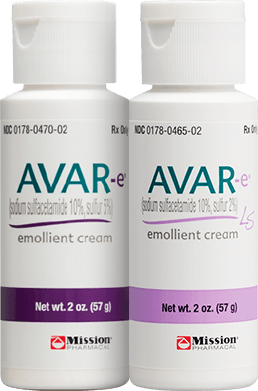
Avar is a gel used to relieve the pain and swelling associated with ailments like arthritis. Up to four times per day, it can be applied directly to the affected area. Usually, tubes of 30 grams of gel containing avar are sold.
Avar might be a good choice for you if you're looking for relief from arthritis pain. Direct application of this gel will deliver relief to the affected area. Additionally, it is simple to use and generally well-tolerated. For similar topical treatments designed for joint discomfort, explore options like drug-free joint pain relief. Ask your doctor if Avar is a good choice for you.
Pharmacokinetics
Following topical application, the pharmacokinetics of diclofenac have not been established. Diclofenac's plasma half-life after intramuscular administration is about two hours.
Nonclinical Toxicology
Cancer development, mutagenesis, and diminished fertility
No evidence of carcinogenic effects were seen in rats given oral doses of diclofenac up to 150 mg/kg/day (roughly 0.6 times the maximum dose for humans of 100 grams based on body surface area). No evidence of carcinogenic effects were seen in mice given subcutaneous doses of diclofenac up to 10 mg/kg/day (roughly 0.04 times the highest dose advised for humans).
Diclofenac did not cause chromosomal aberrations to increase in Chinese hamster ovary cells, human lymphocytes, or mouse lymphoma assays, the Ames test, or mouse lymphoma assay. Rats receiving subcutaneous doses of up to 10 mg/kg/day (or about 0.04 times the maximum dose advised for humans) showed no signs of impaired fertility.
Clinical Studies
In 5 randomized, multicenter, controlled clinical trials, 1104 patients with osteoarthritis of the knee who applied Voltaren® Gel 4 g over a treatment period of up to 4 weeks were involved. The safety and effectiveness of the gel were assessed. The Western Ontario and McMaster Universities Arthritis Index (WOMAC) pain subscale was used to assess the patients' level of pain relief. WOMAC's pain subscale's mean change from baseline at Week 4 was used to gauge effectiveness.
Up to 17.5% of Voltaren® Gel-treated patients compared to 10% of placebo-treated patients reported clinically significant pain reductions as early as Week 1 that persisted for the entire 4-week treatment period. The WOMAC pain subscale score change from baseline was used to define clinical meaningfulness.
On the WOMAC pain subscale, more Voltaren® Gel patients than placebo patients reported improvements in pain at Week 4 in all 5 clinical studies. The conclusions from the various studies are summed up as follows:
p-values from a logistic regression model that controlled for the treatment facility and the initial pain score were multiplied by Holm's method.
With at least one patient in each group reporting a clinical improvement in pain, the relative risk of Voltaren® Gel/placebo-treated patients is calculated relative to those without a clinical improvement in pain (95% confidence interval) odds ratio = 1.7 (1.2, 2.4) across all 5 studies.
Side Effects
In Voltaren® Gel clinical trials, skin rash, application site pain, and application site pruritus were the most frequently reported adverse reactions ( 1%). The frequency of these side effects was on par with or less frequent than that of the placebo. Upper respiratory tract infection and nasopharyngitis were two other less frequent adverse events that happened more frequently in Voltaren® Gel-treated patients than in placebo-treated patients.
Negative Reactions 1% of Voltaren ® Gel-Treated Patients in Controlled Clinical Trials Reported It (%) 1
Población del ensayo2 para reacciones adversas en todos los ensayos: 1104 N=846 para Voltaren ® Gel Contrast N=258 Nasofaringitis 3 4,0 5 2,7 Dolor en el lugar de aplicación 3 4,5 3 1,2 Prurito en el lugar de aplicación 3 2,6 1 0,4 Erupción cutánea 3 1,5 1 0.4
Dosificación y administración
Voltaren® Gel (2 go 4 g) debe aplicarse con moderación en la articulación afectada cuatro veces al día. Trate de evitar aplicar el gel en heridas abiertas o piel rota masajeándolo suavemente sobre la piel completamente seca hasta que se absorba. Espere al menos una hora antes de aplicar un apósito si ya se ha aplicado Voltaren® Gel. Voltaren® Gel debe aplicarse al menos 30 minutos antes de bañarse, ducharse o nadar.
El diclofenaco y sus metabolitos se excretan principalmente a través del hígado, por lo que los pacientes con enfermedad hepática deben usar Voltaren® Gel con precaución.
Cuando se usa Voltaren® Gel, no es necesario realizar una titulación inicial. Aumentar la dosis es innecesario y no se recomienda.
La lista completa de ingredientes se proporciona en el folleto de instrucciones que se incluye con el producto para pacientes que usan Voltaren® Gel por primera vez.
Solo se permite el uso externo de Voltaren® Gel. Evite el contacto con los ojos o las mucosas si lo hace, lave bien la zona con agua y consulte a un médico si la irritación no desaparece. No envuelva ni venda y evite aplicar en áreas de superficie grandes, heridas abiertas o piel irritada. Suspenda su uso y comience el tratamiento adecuado si ocurren con frecuencia reacciones cutáneas graves (como quemaduras). Aplique con precaución sobre la piel que haya recibido recientemente medicamentos tópicos, haya sido tratada con jabones o limpiadores fuertes o haya estado expuesta a productos que tienen fuertes propiedades secantes. Utilice sólo la cantidad necesaria de Voltaren® Gel.
Utilice con precaución en pacientes que tengan antecedentes de hipersensibilidad al diclofenaco o cualquier otro ingrediente de Voltaren® Gel. Para aquellos que buscan cremas tópicas para aliviar el doloralternativas, siempre consideren la formulación y los ingredientes activos al comparar opciones de tratamiento.
Almacenamiento
Almacenamiento entre 68°F y 77°F (20°C a 25°C), se permiten excursiones entre 59°F y 86°F (15°C a 30°C). Mantenga el producto en la caja original hasta su uso para protegerlo de la luz.



 Calificado excelente por 28,951+ reseñas
 Garantía de devolución de dinero 100%