



Best Probiotics UK 2026: Strains, CFUs and Doctor-Reviewed Picks
Posted on:
Aug 05, 2026
Authored by


Written and medically reviewed by Dr Zeeshan Afzal (MBBS) — Medical Doctor & Medical Content Lead, Welzo
Evidence-based · Strain-specific · UK pricing
Last updated: January 2026 · Reading time: ~18 minutes
Walk into any UK pharmacy or scroll the gut health supplements aisle online and you'll find dozens of probiotics, all promising better digestion, less bloating and a healthier gut. But probiotics aren't interchangeable, and this is one area of digestive health where the detail really matters: their effects are strain-specific, meaning the benefits shown for one strain don't automatically apply to another. The right product for someone with IBS may be quite different from the one that suits a person recovering from antibiotics.
This guide cuts through the marketing. We rank the best probiotics available in the UK by what they're actually good for, explain what the evidence supports, and give honest pros and cons for each — plus guide prices so you can compare properly.
Table of contents
| # | Product | Best for | Guide price |
|---|---|---|---|
| 1 | Welzo Akkermansia (Ultra Purity) | Gut lining & next-generation strain | ~£21.99 |
| 2 | OptiBac Every Day EXTRA | Everyday all-rounder | ~£25 |
| 3 | Klaire Labs Ther-Biotic Synbiotic | Multi-strain + prebiotic | Check Welzo |
| 4 | Symprove | Liquid, high-strength daily | Check Welzo |
| 5 | Bio-Kult Original | Best value multi-strain | Check Welzo |
| 6 | Alflorex (B. infantis 35624) | IBS symptoms | Check Welzo |
| 7 | Pure Encapsulations S. boulardii | Antibiotics & travel | £33.50 |
| 8 | Lactobacillus rhamnosus GG | Best-studied single strain | Check Welzo |
| 9 | Seed DS-01 | Premium synbiotic | Check Welzo |
Browse the full Welzo probiotics collection for current prices and availability.
We prioritised products with named, fully disclosed strains (genus, species and strain designation), because that's the only way to know whether the research applies. We looked for evidence behind the specific strains used, guaranteed potency to the end of shelf life rather than at manufacture, sensible formulation and delivery, and transparent labelling. We've also been honest about where evidence is strong, where it's emerging, and where a product is popular but less specifically studied.
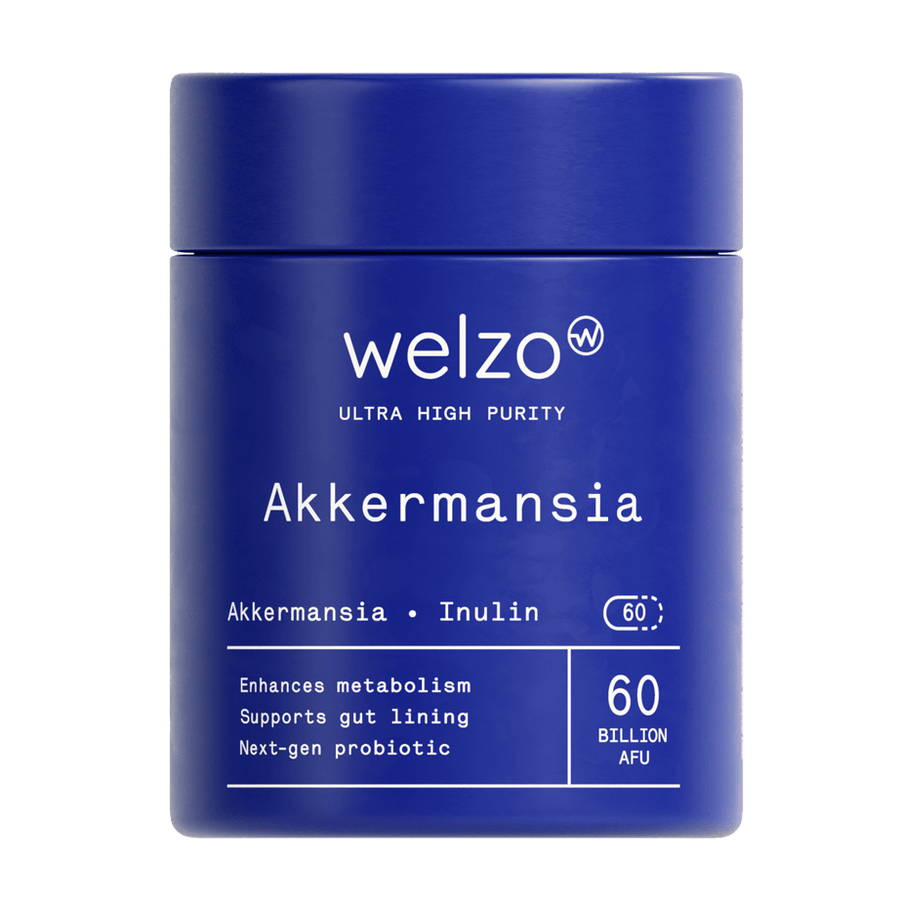
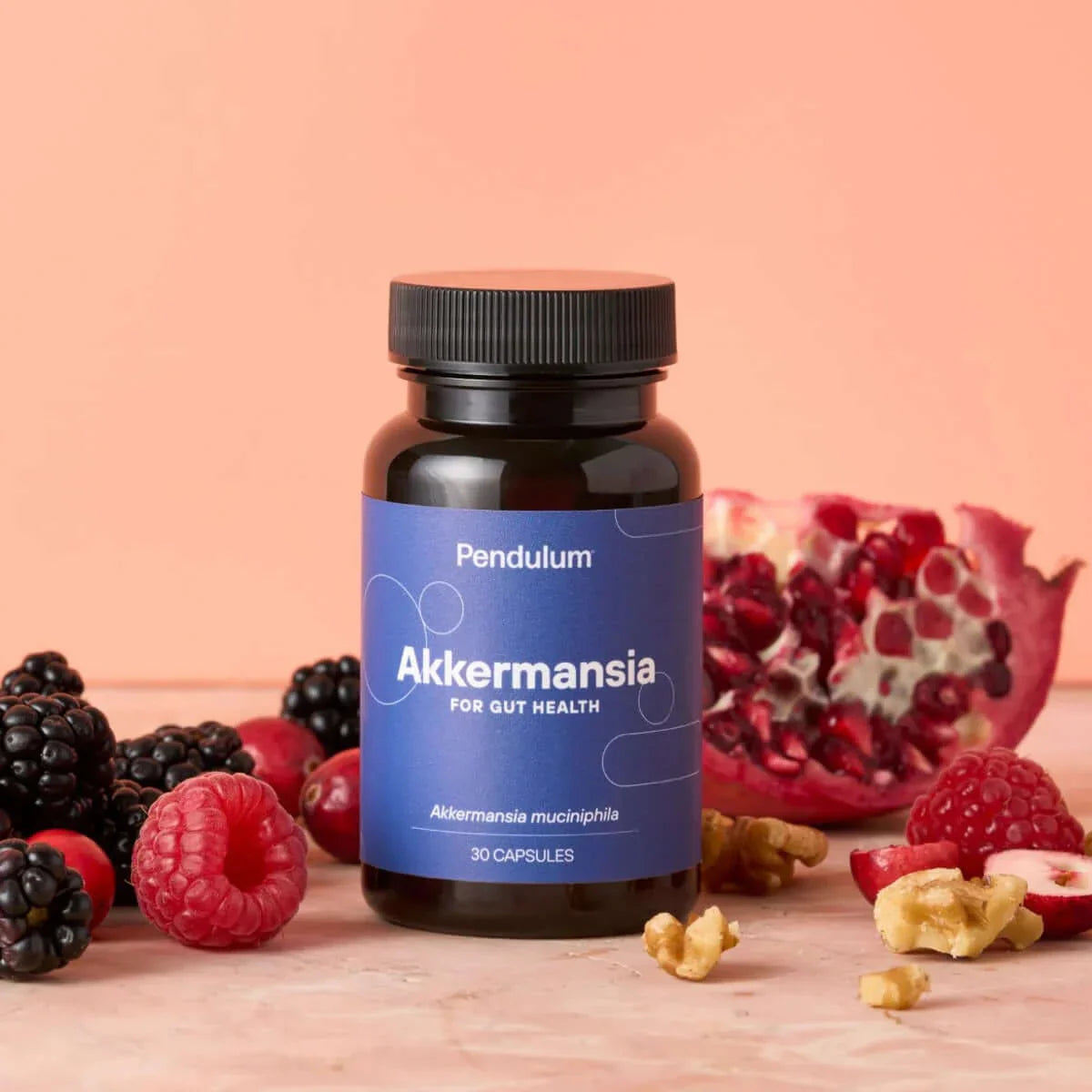
Welzo Akkermansia tops our list because it targets something most probiotics don't: the protective mucus layer of the gut wall. Akkermansia muciniphila is a "next-generation" keystone species that lives in that mucus layer and helps maintain a healthy gut barrier — the frontline of digestive resilience. It's often depleted in people with metabolic and gut problems, and it's a genuinely different proposition from the Lactobacillus and Bifidobacterium products that dominate the shelves. Welzo's Ultra Purity formula pairs it with L. acidophilus for broader support.
To be clear about the ranking: it's first for foundational gut-lining support. If your goal is specifically IBS symptom relief, a strain-specific option like Alflorex (#6) may suit you better — matching strain to goal always beats picking by rank.
| Pros | Cons |
|---|---|
| Next-generation keystone strain | Newer strain — evidence still developing |
| Targets the gut mucus layer and barrier | Not an IBS-specific product |
| Ultra Purity quality; includes L. acidophilus | Premium price point |
Where to buy: welzo.com/products/akkermansia · Guide price ~£21.99

OptiBac Every Day EXTRA is the sensible default for most people wanting general daily support. OptiBac fully discloses its strains, guarantees live cultures to end of shelf life, and uses well-researched strains at a higher potency than its standard version. It's shelf-stable, once-daily and vegan — the sort of no-fuss product that's easy to stick with, which matters because consistency is what makes probiotics work.
| Pros | Cons |
|---|---|
| Full strain disclosure; researched strains | Not targeted at one specific condition |
| Shelf-stable, vegan, once daily | Mid-to-premium price |
| Potency guaranteed to end of shelf life | Higher-strength options exist |
Where to buy: welzo.com/products/probiotics-for-every-day-extra · Guide price ~£25
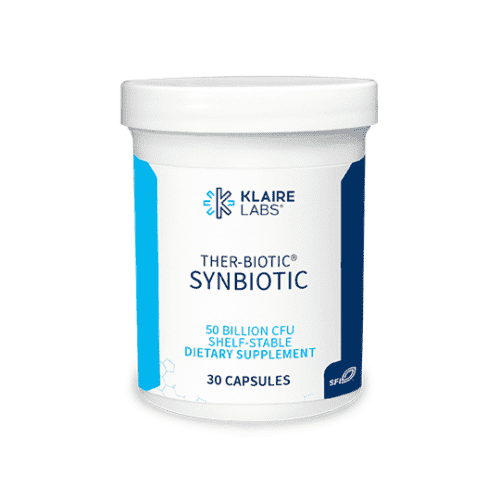
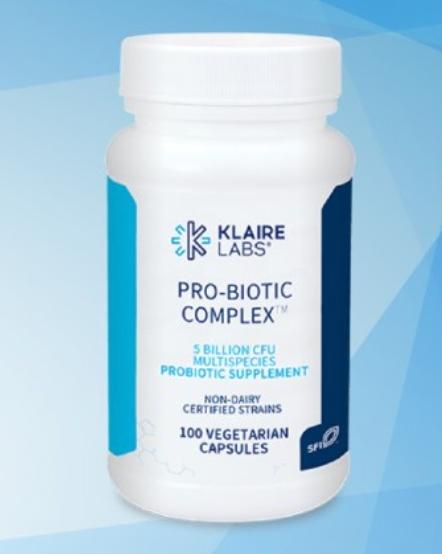
A synbiotic combines probiotic strains with a prebiotic that feeds them, and Klaire Labs Ther-Biotic Synbiotic is a professional-grade example. It's a broad multi-strain blend in an allergen-friendly, hypoallergenic formulation — a good choice for people with sensitivities who want diversity rather than a single strain, and who like the idea of the cultures arriving with their own fuel.
| Pros | Cons |
|---|---|
| Multi-strain plus prebiotic in one capsule | Premium price |
| Professional-grade, hypoallergenic | Prebiotic may cause wind in sensitive people |
| Good all-round microbiome support | Not condition-specific |
Where to buy: welzo.com/products/ther-biotic-synbiotic-klaire-labs · Check Welzo for current price
Symprove is a well-known UK water-based liquid probiotic, taken daily on an empty stomach. Its appeal is the delivery format: a non-dairy liquid that doesn't trigger digestion the way food does, which the brand argues helps the bacteria reach the gut. It's a premium, commitment-style product best suited to people willing to take it consistently each morning as part of a longer-term routine — see our Symprove review and comparison with Alflorex.
| Pros | Cons |
|---|---|
| High-strength, multi-strain liquid | Expensive compared with capsules |
| Water-based, non-dairy | Needs refrigeration once opened; less portable |
| Well-established UK brand | Requires daily routine on an empty stomach |
Where to buy: welzo.com/collections/probiotics · Check Welzo for current price
Bio-Kult Original is a long-standing, affordable multi-strain capsule that's shelf-stable and doesn't need refrigeration — practical for travel and everyday use. It won't compete with premium formulas on potency or targeted evidence, but as an accessible daily multi-strain it's dependable and widely trusted. Compare it in our OptiBac vs Bio-Kult and Bio-Kult vs Alflorex guides.
| Pros | Cons |
|---|---|
| Affordable and widely available | Lower potency than premium options |
| Shelf-stable; no fridge needed | Less condition-specific evidence |
| Broad multi-strain blend | Contains dairy-derived ingredients in some formats |
Where to buy: welzo.com/collections/gut-health · Check Welzo for current price
Alflorex contains Bifidobacterium infantis 35624, one of the most specifically studied strains for IBS symptoms — it's the probiotic most often singled out in IBS discussions, and a good example of why strain names matter. If bloating, abdominal discomfort and irregular bowel habits are your main issue, this single-strain, evidence-led option is a more logical starting point than a general blend. See our guides to supplements for IBS and single vs multi-strain probiotics.
| Pros | Cons |
|---|---|
| Well-studied strain for IBS symptoms | Single strain; narrower scope |
| Once-daily, easy to take | Needs several weeks for a fair trial |
| Clear, targeted purpose | Results vary between individuals |
Where to buy: welzo.com/collections/probiotics · Check Welzo for current price
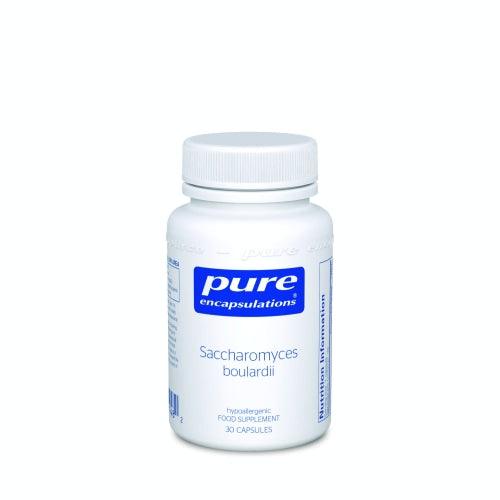
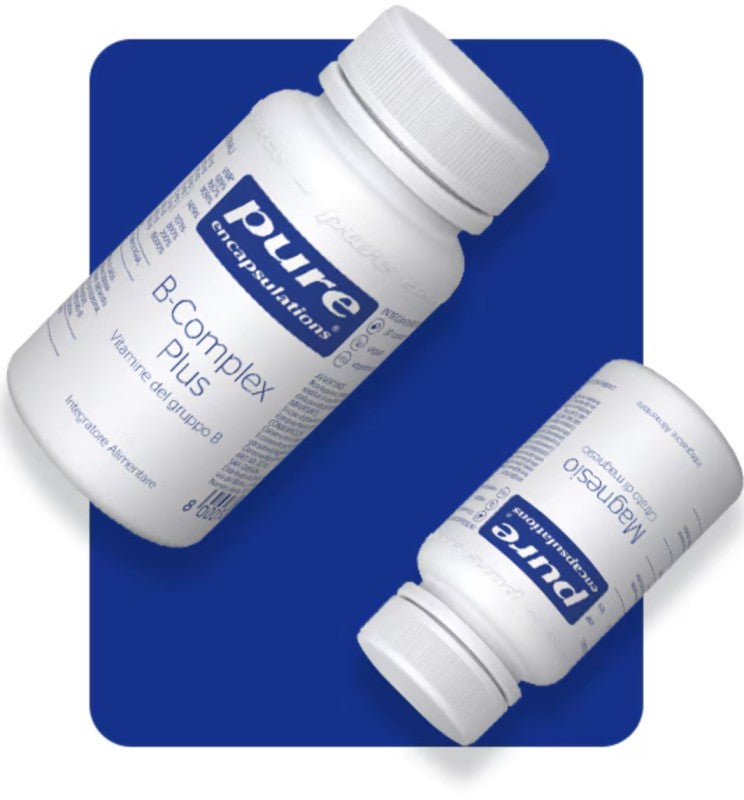
Saccharomyces boulardii is a probiotic yeast rather than a bacterium, which gives it two practical advantages: it isn't killed by antibacterial antibiotics, and it's robust enough to survive stomach acid. It has good evidence for preventing antibiotic-associated diarrhoea and for reducing travellers' diarrhoea risk. This Pure Encapsulations version is a clean, single-ingredient capsule — the go-to when you're on antibiotics or heading abroad.
| Pros | Cons |
|---|---|
| Unaffected by antibacterial antibiotics | Single strain; not a general daily blend |
| Strong evidence for specific situations | Higher price per pack |
| Robust, hypoallergenic formulation | Not suitable with a yeast sensitivity |
Where to buy: welzo.com/products/saccharomyces-boulardii-pure-encapsulations · Guide price £33.50
Lactobacillus rhamnosus GG is among the most researched probiotic strains in the world, with a large body of published work behind it, particularly around diarrhoea in children and gut health generally. It's well tolerated and widely available, making it a reliable, evidence-backed bacterial option for those who prefer a single strain with a long track record.
| Pros | Cons |
|---|---|
| One of the most-studied strains available | Single strain; narrower than a blend |
| Well tolerated and widely available | Some products need refrigeration |
| Good general-purpose choice | Evidence varies by outcome |
Where to buy: welzo.com/collections/probiotics · Check Welzo for current price
Seed's DS-01 is a premium, heavily marketed synbiotic with a large multi-strain blend and a prebiotic, delivered in a two-capsule design intended to protect the cultures until they reach the intestine. It's transparent about its strains and appeals to those who want a high-specification product and don't mind the price. See our Seed probiotic review for a closer look at whether it justifies the cost.
| Pros | Cons |
|---|---|
| Large multi-strain synbiotic; full disclosure | Among the most expensive options |
| Protective capsule-in-capsule delivery | Subscription model may not suit everyone |
| Shelf-stable and well presented | Marketing outpaces condition-specific evidence |
Where to buy: welzo.com/collections/probiotics · Check Welzo for current price
Rather than picking the product with the biggest number on the label, work through these:
Prebiotics are worth understanding too: they feed the bacteria you already have, and a prebiotic fibre like citrus pectin can complement a probiotic — see prebiotic vs probiotic. Welzo's Ultra Purity range also includes non-probiotic options such as berberine and TUDCA, which serve different purposes entirely and aren't alternatives to a probiotic.
Live cultures aren't suitable for everyone. People who are seriously ill, critically unwell, immunocompromised, or who have a central venous line can rarely develop infections from probiotic organisms, so these groups should only use probiotics on medical advice. Anyone pregnant or breastfeeding, giving probiotics to a young child, or managing a significant health condition should check with a doctor or pharmacist first. See our overview of probiotics safety.
For most healthy adults, well-chosen probiotics are considered low-risk and generally well tolerated. If symptoms are persistent or severe — or if you have red-flag signs such as blood in your stool, unexplained weight loss or a lasting change in bowel habit — see a doctor rather than self-treating; our guide on when to see a GP about stomach symptoms explains what to look for.
There's no single best probiotic, because effects are strain-specific and depend on your goal. For gut-lining support, a next-generation strain like Akkermansia stands out; for IBS, B. infantis 35624 (Alflorex) has the most targeted evidence; for antibiotics or travel, S. boulardii is the strongest choice. Match the strain to what you're trying to achieve.
No. CFU (colony-forming units) tells you how many live organisms are in a dose, but not whether those strains are right for your goal or backed by research. A well-studied strain at a sensible dose usually outperforms a huge count of unstudied strains. Look at strain names, evidence and guaranteed potency to end of shelf life instead.
Most people need several weeks of consistent daily use before judging the effect, though some notice changes in digestion sooner. Give any probiotic a fair trial of about four to eight weeks. Mild wind or bloating in the first few days is common as your gut adjusts and usually settles on its own.
Not always. Many modern probiotics, including OptiBac and Bio-Kult, are shelf-stable and don't require refrigeration, which makes them more convenient and travel-friendly. Some liquid products, such as Symprove, need refrigeration once opened. Always follow the storage instructions on the specific product, as they vary by formulation.
Bifidobacterium infantis 35624, found in Alflorex, is the strain most specifically studied for IBS symptoms such as bloating and abdominal discomfort, making it a logical first choice. Responses vary between individuals, so give it several weeks. If it doesn't help, the wider picture — diet, stress and other triggers — is worth reviewing with a healthcare professional.
Many people do, and Saccharomyces boulardii is particularly suitable because it's a yeast and isn't killed by antibacterial antibiotics. If using a bacterial probiotic, take it a couple of hours apart from your antibiotic doses. Always finish your prescribed antibiotic course, and check with your pharmacist if you're unsure about combining them.
Neither is universally better. Single-strain products let you target a specific, well-researched strain for a defined purpose, such as B. infantis 35624 for IBS. Multi-strain blends offer broader general support and more diversity. The best choice depends on whether you have a specific goal or want everyday maintenance.
A probiotic supplies live beneficial bacteria. A prebiotic is a fibre that feeds the bacteria already in your gut. A synbiotic combines both in one product, so the cultures arrive with their own fuel. Synbiotics can be a convenient all-in-one, though the prebiotic component may cause wind in people who are sensitive to fermentable fibres.
Mild, temporary wind, bloating or changes in bowel habit are common in the first few days as your gut adjusts, and usually settle. Serious side effects are rare in healthy people. However, live cultures aren't suitable for those who are immunocompromised or seriously unwell, who should only use them on medical advice. Stop and seek advice if symptoms are severe or persistent.
Not everyone does. A varied, fibre-rich diet with fermented foods supports the microbiome well for many people. Probiotics are most useful for specific situations — during or after antibiotics, for IBS symptoms, or while travelling. If you're generally well and eating a diverse diet, food-first is a reasonable approach before supplementing.
Medical disclaimer: This article is for general information and education only and does not constitute medical advice, diagnosis or treatment. Probiotic effects are strain-specific, and supplements are not intended to diagnose, treat, cure or prevent any disease. Live cultures are not suitable for everyone, particularly people who are immunocompromised or seriously unwell. Prices are guide prices and may change. Persistent or concerning digestive symptoms should be assessed by a doctor. Always consult a healthcare professional before starting new supplements, particularly if you are pregnant, breastfeeding, giving them to a child, taking medication, or have an existing condition.
About the author
Dr Zeeshan Afzal (MBBS) is a practising medical doctor and Welzo's Medical Content Lead. He writes and reviews Welzo's health content to ensure it is accurate, evidence-based and aligned with current UK clinical guidance, translating complex research into practical advice patients can trust.

 Calificado excelente por 28,951+ reseñas
 Garantía de devolución de dinero 100%
Nuestra garantía de devolución de dinero garantiza que reciba sus artículos o obtenga un reembolso completo.


