




What Supplements Does Arnold Schwarzenegger Take?


Related products


Medically reviewed by Dr Zeeshan Afzal (MBBS, General Practitioner) — Medical Content Reviewer, Welzo.
Written by: The Welzo Longevity Editorial Team | Last updated: August 2026
Evidence standard: every dose, claim and statistic below is referenced to a named clinical trial, systematic review, or a UK/EU public health body, with full sources at the end. Where something is reported rather than confirmed, we say so.
Declared interest: Welzo sells supplements and blood tests. This article concludes that Arnold Schwarzenegger takes fewer supplements than almost any list online claims, and that most of the products marketed under his name are not ones he uses. You can read how we research and fact-check our content in the Welzo editorial policy.
Quick answer: As of 2026, Arnold Schwarzenegger publicly takes four supplements — protein powder (whey isolate or plant-based), 5 g creatine monohydrate, 2,000 IU vitamin D3, and a daily fibre supplement. He has explicitly said he no longer uses BCAAs, glutamine, testosterone boosters, fat burners or greens powders. His stack is deliberately small, and he has been unusually direct about why.
Table of contents
- Who is Arnold Schwarzenegger?
- What supplements does Arnold Schwarzenegger take?
- The complete daily supplement stack
- Why he takes each supplement
- The supplements Arnold has publicly rejected
- Diet and nutrition habits
- Exercise and lifestyle routine
- The scientific evidence behind the stack
- Risks, limitations, and confirmed versus reported
- How to build a similar routine
- Related supplements and tests at Welzo
- Frequently asked questions
- References
Who is Arnold Schwarzenegger?
Arnold Schwarzenegger is an Austrian-American bodybuilder, actor and former Governor of California, born in 1947 in the village of Thal. He won the Mr Olympia title seven times, became one of the highest-grossing film actors of the twentieth century, served two terms as governor, and now, at 78, publishes a daily health newsletter — Arnold's Pump Club — read by millions.
That last detail is the reason his supplement routine is worth taking seriously. Most celebrity stacks have to be reconstructed from podcast fragments and paparazzi shots of a kitchen counter. Arnold's is published, in his own newsletter, with the reasoning attached and the studies linked.
The heart condition that reshaped his approach
Schwarzenegger was born with a bicuspid aortic valve — a congenital defect in which the aortic valve has two leaflets instead of three. He has said publicly that the same condition killed both his mother and his grandmother. He has had valve replacement surgery in 1997, again in 2018 (which became an emergency open-heart procedure after complications), and again in 2020. In March 2024 he received a pacemaker at the Cleveland Clinic to manage an irregular heartbeat caused by scar tissue from earlier operations.
This matters for reading his stack correctly. The supplements he takes today were chosen by a man in his late seventies managing a serious cardiac history, not by a 25-year-old preparing for the Mr Olympia stage. His priorities are muscle preservation, bone health, gut health and cardiovascular risk — not a pump.
What supplements does Arnold Schwarzenegger take?
In January 2026, Schwarzenegger partnered with the supplement company Momentous to launch a bundle called The Arnold Stack. The press announcement described it as a collection he personally selected and uses daily to support performance, recovery and longevity: protein (available as whey isolate or plant-based), creatine, and vitamin D3. A fibre product was subsequently added to the range.
Separately, in a February 2026 Arnold's Pump Club newsletter, the same four ingredients were named as the only ones with what the newsletter called earned places — described as backed by decades of research across millions of participants — with everything else framed as optional or a distraction.
Why most "Arnold supplement lists" online are wrong
Search his name alongside "supplements" and you will find articles listing ashwagandha, tongkat ali, rhodiola, BCAAs, glutamine, collagen, apigenin and various testosterone-support blends, often with precise-looking milligram doses attached.
We could find no primary source for any of these. More importantly, several are things Schwarzenegger's own newsletter has argued against — testosterone boosters and BCAAs among them. A list that has him taking a product he has publicly dismissed is not a small error; it is a signal that the list was assembled from other lists rather than from anything he said.
Where this article states that he takes something, that statement is traceable to his newsletter, his podcast, his commercial partnership announcement, or a named interview. Where something is reported second-hand, it is labelled as such.
Arnold Schwarzenegger's complete daily supplement stack
| Supplement | Typical dose | Timing | Stated purpose | Evidence level | Status |
|---|---|---|---|---|---|
| Protein powder (whey isolate or plant-based) | One serving daily, scaled to hit a total intake target of roughly 1.6 g/kg bodyweight | Post-workout or any time daily protein is short | Muscle repair, muscle retention with age, meeting total protein needs | Strong — large meta-analysis of randomised trials | Confirmed |
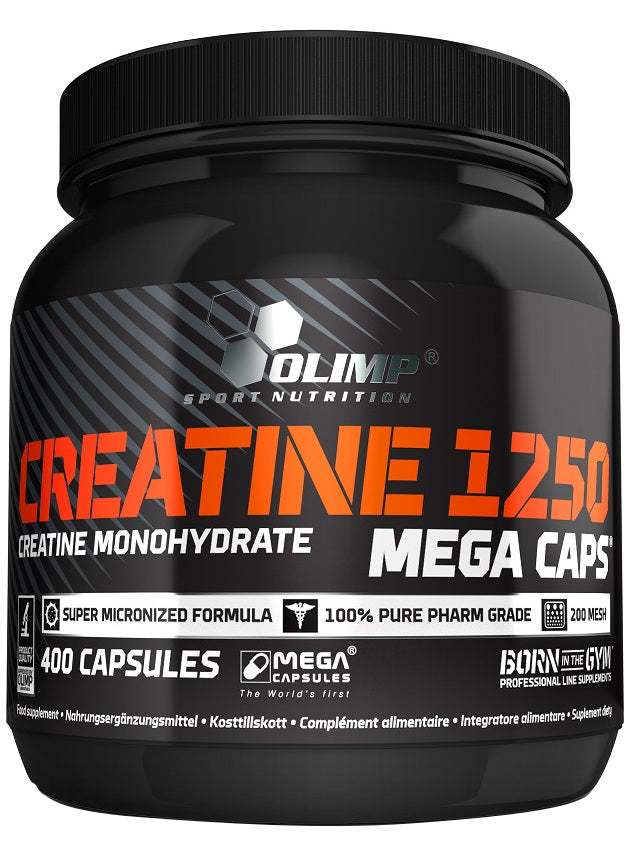
| Creatine monohydrate | 5 g daily | Any time; consistency matters more than timing | Strength, power, lean mass, cognitive support | Strong — the most-studied sports supplement available | Confirmed |
| Vitamin D3 | 2,000 IU (50 µg) daily | With a meal containing fat | Bone density, muscle function, immune health | Strong if deficient, weak if replete | Confirmed |
| Fibre supplement (psyllium-based) | Two scoops daily; he has separately recommended 5–15 g psyllium husk, often a tablespoon blended into a shake | Morning, usually in a smoothie | Digestion, microbiome diversity, cholesterol and blood glucose | Strong for cholesterol and bowel health | Confirmed |
| Multivitamin | Not specified | — | His newsletter suggests a multivitamin is probably worthwhile over the age of 50, citing cognitive findings | Mixed | Recommended in his newsletter; personal use not confirmed |
| Cherry juice | Included in his post-workout shake | Post-workout | Recovery; a food rather than a supplement | Modest | Confirmed as a shake ingredient |
That is the entire list. Four core products, one conditional recommendation, one food ingredient. Compare that with the ten- and fifteen-item stacks attributed to him elsewhere.
Why Arnold takes each supplement
Protein: the one he calls the building block of everything
Schwarzenegger's newsletter frames protein as far more than a muscle-building tool, describing it as the raw material for enzymes, tissues and hormones — structure and function, not just size.
He is also unusually relaxed about the details. His long-standing position is that total daily protein matters more than the source or the timing, that whey isolate is the most-studied form but plant protein works, and that if you can hit your target from food you do not need a powder at all. His own protein guidance has settled around 1.5 g per kg of bodyweight as a low-stress target.
The evidence supports this closely. The most-cited meta-analysis on the subject pooled 49 randomised controlled trials and 1,863 participants and found that protein supplementation significantly increased one-rep-max strength, fat-free mass and muscle fibre cross-sectional area during resistance training — with gains plateauing beyond a total intake of about 1.62 g/kg/day.[1] Two findings from that analysis are directly relevant to a 78-year-old: the effect was larger in already-trained individuals, and it diminished with increasing age, which is one reason older adults are usually advised to sit at the higher end of the range rather than the lower.
Creatine monohydrate: the one with the least room for argument
Creatine is the supplement Schwarzenegger's newsletter says he has recommended to more people than anything else in his career — not because it is dramatic, but because the research is unusually consistent.
The dose he uses and recommends for strength and muscle is 5 g daily of plain monohydrate. His newsletter is explicit that the fancier forms — hydrochloride, buffered creatine and similar — have not demonstrated any advantage, and that higher intakes in the region of 10–20 g per day are discussed in the context of cognitive protection rather than muscle.
The International Society of Sports Nutrition's position stand describes creatine monohydrate as the most effective ergogenic nutritional supplement available for increasing high-intensity exercise capacity and lean body mass, and reports that short- and long-term supplementation up to 30 g/day for five years has been safe and well tolerated in healthy people and in a range of patient populations.[2]
Clinician's note (Dr Zeeshan Afzal): creatine raises serum creatinine, which is a marker used to estimate kidney function. This is a laboratory artefact rather than kidney damage in healthy adults, but it can cause genuine confusion. If you are having blood tests, tell whoever ordered them that you take creatine. Anyone with existing kidney disease should discuss it with their GP before starting.
Vitamin D3: useful if you are short, largely pointless if you are not
The Momentous stack specifies 2,000 IU daily, formulated with olive oil to aid absorption. Schwarzenegger's newsletter is notably honest about the limits here: if your levels are already sufficient, supplementation is unlikely to do much, and it cites a review finding that in vitamin D-replete adults, supplementation did not reduce bone loss, fractures, falls, cancer incidence or cardiovascular risk.
The case rests on how common insufficiency actually is. In the UK, data from almost 450,000 UK Biobank participants found 55% had vitamin D levels below 50 nmol/L, rising to roughly 68–71% in winter and spring.[3] The NHS advises that everyone in the UK should consider a daily 10 µg (400 IU) vitamin D supplement during autumn and winter.[4]
Note the gap: 2,000 IU is five times the NHS baseline recommendation. That is not unreasonable for someone correcting a documented deficiency, but it is a reason to test your vitamin D level rather than copy a number off a celebrity's label.
Fibre: the addition most people are missing
Fibre is the newest and, in public-health terms, the most defensible item on the list. Schwarzenegger's newsletter cites research suggesting around 95% of people do not get enough, and describes two years spent developing a fibre product on that basis.
He has recommended psyllium husk specifically since at least 2024, suggesting roughly 5–15 g daily and describing adding a tablespoon to a protein shake — pointing to its effects on cholesterol and blood glucose alongside the obvious digestive benefits.
UK figures make the case plainly. SACN recommends 30 g of fibre a day for adults, and average intakes across the UK sit well below that, at roughly 19–20 g.[5] For a man with a significant cardiac history, adding soluble fibre is one of the least controversial interventions available.
The supplements Arnold has publicly rejected
This section is the one most "Arnold's stack" articles omit, and it is arguably more useful than the stack itself. His February 2026 newsletter went through the popular categories one by one.
| Supplement | Why his newsletter dismisses it |
|---|---|
| BCAAs | A systematic review of 12 randomised trials found no significant improvement in body composition, performance or strength at an average 19.5 g/day. If you eat enough protein, you are already getting them. |
| Glutamine | Most oral glutamine is taken up by the gut and liver before reaching muscle. Real clinical uses exist; general fitness is not one of them. |
| Testosterone boosters | Randomised trials in resistance-trained men show null or negative effects on testosterone. Genuinely low testosterone is described as a conversation for your doctor, not a supplement aisle. |
| Fat burners | Usually caffeine in new packaging. A meta-analysis of CLA found effects that were small, inconsistent and clinically insignificant. |
| Glucosamine and chondroitin | The landmark GAIT trial found no significant benefit over placebo for most participants; later meta-analyses have been mixed to negative. |
| Greens powders | Lack the fibre, phytochemical range and satiety of actual vegetables; evidence limited to small studies with modest results. |
Two authoritative bodies back the general direction. The US Preventive Services Task Force, after reviewing 84 studies, recommended against beta-carotene and vitamin E for preventing cardiovascular disease or cancer and found insufficient evidence for most other vitamin and mineral supplements.[6] The International Olympic Committee's consensus statement on dietary supplements in athletes reached a similarly narrow conclusion about how few products meaningfully affect performance.[7]
Notably, his newsletter also stops short of scolding anyone. Its closing position is that if a routine works for you and keeps you consistent, the absence of trial evidence is not by itself a reason to abandon it.
Arnold Schwarzenegger's diet and nutrition habits
A stack this small only works because of what sits underneath it. Three of the four products exist to close gaps left by his diet, so the diet is where the routine actually begins.
The shift to a mostly plant-based diet
Since around 2017–2018, and accelerating after his 2018 heart surgery, Schwarzenegger has eaten a predominantly plant-based diet. He has described it as roughly 80% vegan in his newsletter, and around 70% plant-based in a 2025 interview — he has never claimed to be strictly vegan, and openly keeps steak and Austrian wiener schnitzel as occasional treats.
He has attributed a substantial fall in his LDL cholesterol to the change, writing in 2022 that his figures were low enough that his doctor questioned whether the results belonged to the same person.
What he actually eats in a day
Drawing on his podcast and newsletter, a typical day looks roughly like this:
- Morning, after training: oatmeal, sometimes with Greek yoghurt or granola. Eggs feature regularly.
- Post-workout: a protein shake with berries or banana, cherry juice, and a tablespoon of psyllium husk. He has mentioned occasionally adding a shot of tequila or schnapps — a detail we report because he said it, not because we recommend it.
- Lunch: always a salad, sometimes with a plant-based burger, salmon or chicken.
- Dinner: vegetable soup and cucumber salad with pumpkin seed oil — a Styrian staple from his home region — most nights.
- Protein staples: eggs, salmon and chicken, increasingly displaced by veggie burgers, lentils and beans.
How he hits his protein target without much meat
This is the practical question most readers have, and his answer is unglamorous: combine plant sources, use a protein powder to close the gap, and stop worrying about timing. His preferred powder for years was a pea-and-pumpkin blend from Ladder, the company he co-founded; his 2026 partnership is with Momentous, which offers both whey isolate and plant-based options.
If you are following a similar pattern, our guide to vegan longevity supplements covers the nutrients that genuinely need attention on a plant-heavy diet — vitamin B12 above all.
Arnold Schwarzenegger's exercise and lifestyle routine
Protein and creatine do nothing on their own. Both are inputs to a training stimulus, and that stimulus has changed considerably since the Mr Olympia years.
How his training has changed
The five-hour, twice-daily sessions of the Mr Olympia years are long gone. At 78, he trains most days for around 90 minutes, and has described doing roughly 25 to 30 total sets in a session. Following his cardiac procedures he shifted towards resistance machines with lighter loads and higher repetitions, alongside cycling and swimming.
The training philosophy in his newsletter is deliberately accessible: resistance train at least three times a week, chase genuinely hard repetitions rather than simply completing sets, and take one to three walks a day. The emphasis on walking and steady cardio aligns with the evidence covered in our guide to Zone 2 training for longevity.
Sleep, stress and connection
His published foundations list is striking mostly for how little of it can be purchased: seven to eight hours of sleep, daily walks, whole foods over ultra-processed ones, something that forces you to learn, deliberate stress reduction, time with people who make you laugh, doing kind things for others, and genuine recovery days.
He is explicit that this list does most of the work and that supplements sit somewhere in the final five to ten percent.
The scientific evidence behind Arnold's stack
So far this article has reported what he takes and why he says he takes it. The more useful question is how well those reasons hold up against the published literature.
Where the evidence is strong
Protein. Forty-nine randomised trials, 1,863 participants, consistent benefit for strength and fat-free mass, with a defined plateau.[1] This is about as settled as sports nutrition gets, though it is worth noting that some researchers argue the 1.62 g/kg breakpoint sits slightly low and that trained lifters may benefit up towards 2.2 g/kg.
Creatine. Decades of trials, a formal position stand supporting both efficacy and long-term safety, and a growing literature on cognitive and healthy-ageing applications.[2] The caveat is that many of the cognitive findings are newer and smaller than the muscle-related ones; treat them as promising rather than proven.
Fibre. Population-level shortfall is well documented and the cardiovascular and bowel-health benefits of dietary fibre are firmly established.[5] Whole foods remain the better route; a supplement is a reasonable way to close a persistent gap.
Where the evidence is weaker than the marketing suggests
Vitamin D is the honest one. It is genuinely valuable for people who are deficient, and largely inert for people who are not. Since UK deficiency is common but far from universal, this is the single item in the stack where testing changes the answer.
It is also worth being clear about what none of this proves. No trial has shown that Arnold Schwarzenegger's specific combination of supplements produces any particular outcome. What the evidence supports is each ingredient individually, in defined populations, for defined endpoints. The stack is a sensible assembly of well-supported parts, not a validated protocol.
Risks, limitations, and what is publicly confirmed versus reported
No article about a celebrity routine is complete without being honest about its blind spots — commercial, medical and historical.
Commercial interests worth declaring
Schwarzenegger has a commercial relationship with Momentous, the company producing the products he names. He also previously co-founded Ladder. His newsletter has stated that it turned down more than $1 million in supplement advertising over a year, which is a meaningful disclosure — but a financial interest is a financial interest, and readers should weigh it.
Welzo has its own commercial interest, which we have declared at the top of this article. The four ingredients he names would be defensible whoever was selling them; that is precisely why they are defensible.
What his physique does and does not tell you
Schwarzenegger has publicly acknowledged using anabolic steroids during his competitive bodybuilding career, when they were legal and taken under a doctor's supervision. He has since been outspoken against their use, telling Men's Health in 2023 that people are dying from abuse of performance-enhancing drugs and describing seeing users require kidney transplants.
We include this because it is directly relevant to interpreting the stack. The physique that made him famous was not built on protein powder and creatine. Anyone reading a supplement list hoping to reproduce a 1975 Mr Olympia body is working from an incomplete account of how that body was produced.
Who should be cautious
- Anyone taking prescription medication. Speak to your GP or pharmacist first. Bring a full list of everything you take, supplements included — clinicians are frequently not told about supplement use.
- Anyone with kidney disease. Creatine should be discussed with a clinician rather than started independently.
- Anyone due a blood test. Declare creatine use, which raises serum creatinine, and biotin, which interferes with several common assays.
- Anyone with a cardiac history. Arnold's routine was built with a specialist cardiology team at the Cleveland Clinic. Yours should be built with your own clinician, not from an article.
- Anyone increasing fibre. Increase gradually and with adequate fluid; a sudden jump commonly causes bloating and discomfort.
- Pregnancy and breastfeeding. Seek advice before starting anything new.
Confirmed versus reported: a summary
- Confirmed by primary source: protein, creatine 5 g, vitamin D3 2,000 IU, daily fibre, psyllium husk in shakes, roughly 70–80% plant-based diet, ~90-minute daily training, pacemaker and valve surgeries, past steroid use.
- Reported or recommended but not confirmed as personal use: multivitamin, omega-3, magnesium.
- No credible source found, and in several cases contradicted by his own statements: ashwagandha, tongkat ali, rhodiola, BCAAs, glutamine, collagen, apigenin, testosterone-support blends.
How to build a similar supplement routine
With those caveats in place, the practical version is short, and deliberately so.
The point of Schwarzenegger's approach is subtraction, not addition. If you want to apply it rather than merely read about it:
Step 1 — Fix the free things first
Sleep, walking, resistance training three times a week, whole foods, and protein at each meal. His own framing is that this list does most of the work and costs nothing. Adding supplements on top of poor sleep is spending money to compensate for something a supplement cannot compensate for.
Step 2 — Work out your protein target
A reasonable target for an active adult is 1.6 g per kg of bodyweight daily; 1.2 g/kg is a sensible floor if you are not training. For a 75 kg adult that is roughly 120 g. Reach for a protein powder only to close the gap food leaves.
Step 3 — Add creatine monohydrate
Five grams daily, every day, training or not. Plain creatine monohydrate is the researched form; there is no evidence that the more expensive variants outperform it. Look for Creapure or an equivalent third-party-tested product.
Step 4 — Test before you supplement vitamin D
Why this step matters more than the others
Vitamin D is the one item where the right dose depends entirely on a number you do not currently know. A vitamin D blood test or a broader nutrition and vitamin blood test converts guesswork into a decision. In the meantime, the NHS autumn-and-winter recommendation of 10 µg daily is a safe default for UK adults.[4]
Step 5 — Close the fibre gap
Aim for the SACN target of 30 g a day, mostly from oats, legumes, vegetables and fruit. If you are consistently short, psyllium husk is inexpensive, well studied and easy to blend into a shake. Build up slowly.
Step 6 — Stop there unless you have a reason not to
Anything beyond these four should answer a specific question: what deficiency, symptom or goal is this addressing, and how will I know whether it worked? If there is no answer, that is the answer. Our minimal supplement stack guide and our £30-a-month longevity stack apply the same logic to a UK budget.
Related supplements and tests at Welzo
- Protein powders and shakes — whey isolate and plant-based options for closing a daily protein gap.
- Creatine supplements — monohydrate powders and capsules, including Creapure-sourced products.
- Vitamin D supplements — D3 and D3+K2 formulations across a range of strengths.
- Vitamin D blood test — at-home finger-prick testing so you can dose to a number rather than a guess.
- Nutrition and vitamin blood test — a broader panel covering vitamin D, B12 and key minerals.
- Sports supplements and bodybuilding supplements — the wider training range.
- All supplements and vitamins — the full Welzo catalogue.
Further reading: how to start taking longevity supplements, can you take supplements together, and how to lower your biological age naturally.
Frequently asked questions
What supplements does Arnold Schwarzenegger take?
Four: protein powder (whey isolate or plant-based), 5 g creatine monohydrate, 2,000 IU vitamin D3, and a daily fibre supplement. These are the products named in his January 2026 Momentous partnership and in his own newsletter. He has also suggested a multivitamin is probably sensible over the age of 50, though he has not confirmed taking one himself.
How much creatine does Arnold Schwarzenegger take?
Five grams of creatine monohydrate daily, taken every day rather than only on training days. His newsletter notes that higher intakes of roughly 10–20 g/day appear in research on cognitive protection, but 5 g is the figure for strength and muscle. He specifically advises against paying more for hydrochloride or buffered forms, which have not shown any advantage over monohydrate.
Does Arnold Schwarzenegger take testosterone boosters?
No. His newsletter explicitly dismisses them, noting that randomised trials of ingredients such as D-aspartic acid, tribulus terrestris and fenugreek in resistance-trained men show null or negative effects on testosterone levels. It describes genuinely low testosterone as a medical conversation for your doctor, and points to sleep, strength training, body composition and stress management as the things that actually support healthy levels.
Does Arnold Schwarzenegger take BCAAs or glutamine?
No, and he has said so directly. His newsletter cites a systematic review of 12 randomised trials showing no significant benefit from BCAAs for body composition, performance or strength, on the basis that anyone eating enough protein is already consuming them. He has described his early-career supplement shelf — which included both — as amounting to very little.
Is Arnold Schwarzenegger vegan?
Not strictly. He has described his diet as roughly 80% vegan in his newsletter and about 70% plant-based in a 2025 interview, while keeping eggs, salmon, chicken and occasional steak or schnitzel. He began the shift around 2017 and accelerated it after his 2018 heart surgery, and has credited it with a significant fall in his LDL cholesterol.
How much protein does Arnold Schwarzenegger eat?
His published guidance targets roughly 1.5 g per kg of bodyweight, which he describes as a low-stress approach — go over and it does not matter. The supporting evidence points to a plateau around 1.6 g/kg/day for muscle gains, with a confidence interval extending to about 2.2 g/kg. His consistent message is that total daily intake matters far more than source or timing.
What vitamin D does Arnold Schwarzenegger take?
Vitamin D3 at 2,000 IU (50 µg) daily, formulated with olive oil for absorption. His newsletter is candid that this only helps people who are actually short — the recommendation there is to get tested and supplement 1,000–3,000 IU daily if your level is low. For UK adults, the NHS baseline recommendation is 10 µg (400 IU) daily through autumn and winter.
Can I buy The Arnold Stack in the UK?
The Arnold Stack is a Momentous product bundle. You do not need that specific bundle to follow the same approach: protein powder, creatine monohydrate, vitamin D3 and a fibre supplement are all widely available in the UK, including through Welzo. What matters is the ingredient, the dose and independent third-party testing — not the branding on the tub.
Did Arnold Schwarzenegger use steroids?
Yes. He has acknowledged using anabolic steroids during his competitive bodybuilding career, when they were legal and taken under a doctor's supervision, and told ABC News in 2005 that he had no regrets given the context of the era. He has since campaigned against their use, telling Men's Health in 2023 that people are dying from abusing performance-enhancing drugs. This is important context: the physique from his competitive years cannot be attributed to his current supplement routine.
Is Arnold Schwarzenegger's supplement stack suitable for someone over 50?
It was largely designed by and for someone in that position, and the four ingredients have reasonable evidence in older adults — protein for preserving muscle, creatine for strength and possibly cognition, vitamin D for bone and muscle function where levels are low, and fibre for cardiovascular and bowel health. Protein needs tend to rise with age because the body becomes less efficient at using it. If you take prescription medication or manage a health condition, speak to your GP before starting, particularly given how commonly supplement use goes undeclared at appointments.
References
- Morton RW, Murphy KT, McKellar SR, et al. A systematic review, meta-analysis and meta-regression of the effect of protein supplementation on resistance training-induced gains in muscle mass and strength in healthy adults. British Journal of Sports Medicine. 2018;52(6):376–384. https://pubmed.ncbi.nlm.nih.gov/28698222/
- Kreider RB, Kalman DS, Antonio J, et al. International Society of Sports Nutrition position stand: safety and efficacy of creatine supplementation in exercise, sport, and medicine. Journal of the International Society of Sports Nutrition. 2017;14:18. https://link.springer.com/article/10.1186/s12970-017-0173-z
- UK Biobank vitamin D status analysis, as cited in Welzo's longevity supplements guidance. 55% of nearly 450,000 UK adults had serum 25(OH)D below 50 nmol/L, rising to 68–71% in winter and spring.
- NHS. Vitamin D. https://www.nhs.uk/conditions/vitamins-and-minerals/vitamin-d/
- Scientific Advisory Committee on Nutrition (SACN). Carbohydrates and Health. London: TSO, 2015. Recommends 30 g dietary fibre daily for adults. https://www.gov.uk/government/publications/sacn-carbohydrates-and-health-report
- US Preventive Services Task Force. Vitamin, Mineral, and Multivitamin Supplementation to Prevent Cardiovascular Disease and Cancer: Preventive Medication. 2022. https://www.uspreventiveservicestaskforce.org/uspstf/recommendation/vitamin-supplementation-to-prevent-cvd-and-cancer-preventive-medication
- Maughan RJ, Burke LM, Dvorak J, et al. IOC consensus statement: dietary supplements and the high-performance athlete. British Journal of Sports Medicine. 2018;52(7):439–455. https://bjsm.bmj.com/content/52/7/439
- Arnold's Pump Club. The Supplements That Matter (And The Many That Don't). February 2026. https://arnoldspumpclub.com/blogs/newsletter/the-supplements-that-matter-and-the-many-that-don-t
- Momentous / Arnold Schwarzenegger partnership announcement, January 2026. Businesswire press release.
- CNN. Arnold Schwarzenegger shares photo days after pacemaker surgery. March 2024. https://www.cnn.com/2024/03/29/entertainment/arnold-schwarzenegger-pacemaker-photo-scli-intl
- ABC News. Schwarzenegger Has No Regrets About Steroid Use. February 2005.
- Men's Health. Arnold Schwarzenegger on steroid use and bodybuilding. 2023.
- Business Insider. Arnold Schwarzenegger's plant-based meals and 80% vegan diet, via his newsletter




 Calificado excelente por 28,951+ reseñas
 Garantía de devolución de dinero 100%