


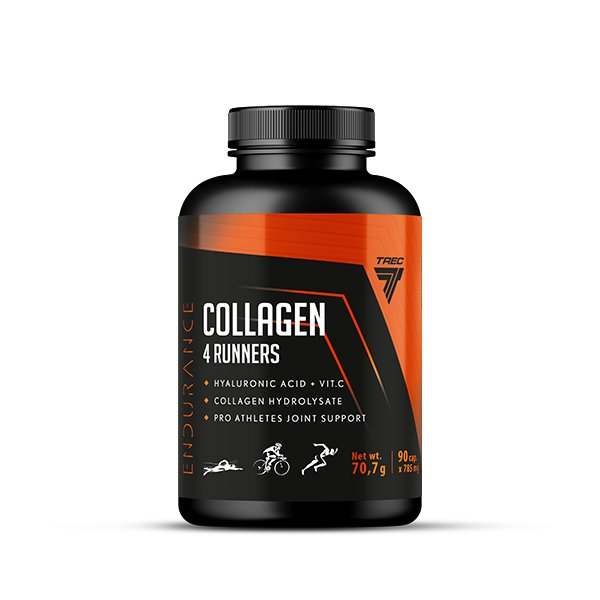


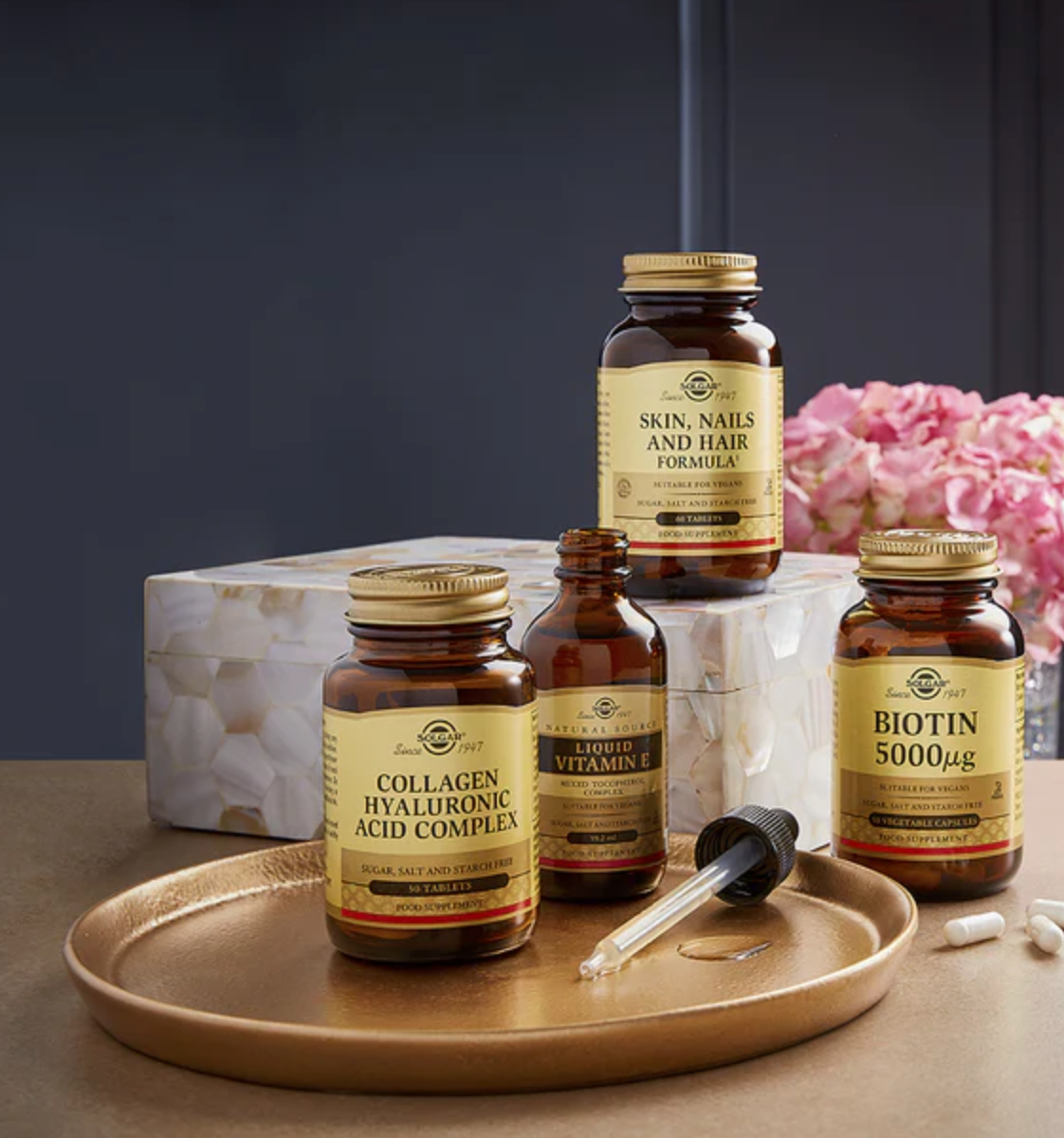
Astaxanthin vs Collagen for Skin Ageing


Related products


Medically reviewed by Dr Zeeshan Afzal (MBBS), Medical Officer at Welzo. Written by the Welzo Longevity Research Team. Last updated: July 2026. This article is for general information and is not a substitute for individual medical advice.
Astaxanthin and collagen are the two most searched-for supplements in the "skin ageing" category, and they are routinely presented as competitors. They are not. They address different parts of the same problem: collagen peptides supply raw material and a signal to rebuild the dermal matrix, while astaxanthin is an antioxidant that limits the oxidative and inflammatory damage that breaks that matrix down in the first place.
For where both sit among the alternatives, start with our pillar guide to longevity supplements and browse the wider anti-ageing and longevity range. On the collagen side specifically, our bovine collagen guide covers the evidence in full, and you can buy collagen supplements including Welzo Ultra Purity Bovine Collagen Peptides.
The practical question is not which one is objectively "better", but which one matches your skin concern, your budget and your tolerance for evidence that is still developing. This guide compares both against the published human trial data, including a 2021 meta-analysis of astaxanthin and a 2023 meta-analysis of 26 collagen trials, and sets out where each one genuinely earns its place.
Key takeaways
- Collagen peptides have the larger evidence base for skin ageing: a 2023 meta-analysis of 26 randomised trials (1,721 participants) found significant improvements in skin hydration and elasticity versus placebo.
- Astaxanthin has a smaller but genuinely randomised evidence base. A 2021 meta-analysis found significant improvements in skin moisture and elasticity, but no statistically significant reduction in wrinkle depth.
- They work by opposite mechanisms — collagen supplies and signals for rebuilding; astaxanthin defends against UV-driven oxidative damage and matrix metalloproteinase (MMP) activity.
- Combining them is evidence-based. A 2014 placebo-controlled trial of 2 mg astaxanthin plus 3 g collagen hydrolysate over 12 weeks improved facial elasticity and reduced MMP-1 and MMP-12 expression.
- Neither replaces sun protection. UV exposure is the dominant modifiable driver of visible facial ageing.
Table of contents
- Astaxanthin vs collagen at a glance
- What is astaxanthin?
- What is collagen — and what is actually in a collagen supplement?
- How skin ages: the two processes each supplement targets
- What the evidence says about astaxanthin for skin
- What the evidence says about collagen for skin
- Head-to-head: nine outcomes compared
- Can you take astaxanthin and collagen together?
- Dosage, timing and absorption
- Safety, side effects and who should avoid them
- How to judge product quality
- Which should you choose? A decision guide
- Where they fit in a wider longevity stack
- The verdict
- Frequently asked questions
- References
Astaxanthin vs collagen at a glance
Before the detail, here is the short version of how the two compare on the criteria most people actually care about.
| Factor | Astaxanthin | Collagen peptides |
|---|---|---|
| What it is | A xanthophyll carotenoid (a red pigment) from the microalga Haematococcus pluvialis | A hydrolysed protein — short peptide chains from bovine, porcine or marine collagen |
| Primary role | Defence: antioxidant and anti-inflammatory; limits collagen breakdown | Rebuild: supplies collagen-specific amino acids and signalling peptides |
| Typical daily dose | 4–12 mg | 2.5–10 g |
| Strongest evidence for | Skin moisture, elasticity, UV resilience | Skin hydration, elasticity, wrinkle depth around the eyes |
| Weakest evidence for | Wrinkle depth (not significant in pooled analysis) | Long-term outcomes beyond 12 weeks; skin firmness in men |
| Number of pooled RCTs | 9 randomised trials in the 2021 meta-analysis | 26 randomised trials in the 2023 meta-analysis |
| Time to visible change | 6–12 weeks | 8–12 weeks |
| Typical UK monthly cost | £10–£30 | £15–£45 |
| Suitable for vegans | Yes (algal source) | Rarely — most are animal or marine derived |
| Wider (non-skin) benefits studied | Eye fatigue, exercise recovery, lipid oxidation | Joint comfort, nail strength, gut lining support |
If you want the one-line answer: collagen has more human data behind it for visible skin ageing; astaxanthin has better data for protecting skin against UV-driven damage. The rest of this article explains why that distinction matters and how to act on it.
What is astaxanthin?
Astaxanthin is a xanthophyll carotenoid — chemically, 3,3′-dihydroxy-β,β-carotene-4,4′-dione. It is the pigment responsible for the pink-red colour of salmon, trout, shrimp, krill and flamingo feathers. Commercially, the natural form used in supplements is almost always extracted from the freshwater microalga Haematococcus pluvialis, which accumulates astaxanthin in response to environmental stress such as high light or nutrient starvation.

Why its molecular shape matters
Most antioxidants act in one compartment: vitamin C is water-soluble and works in the cytosol; vitamin E is fat-soluble and works within the lipid bilayer. Astaxanthin's polar ionone rings at both ends of a long conjugated chain allow the molecule to span the entire cell membrane, with the polar ends anchored in the aqueous layers on either side. That positioning is the mechanistic argument for why it is described as a membrane-stabilising antioxidant, and it is discussed in detail in a comprehensive 2018 review of astaxanthin in skin health published in Nutrients.

Natural vs synthetic astaxanthin
Roughly 95% of astaxanthin produced globally is synthetic and destined for aquaculture feed, not human supplements. Synthetic astaxanthin is a mixture of stereoisomers, whereas algal astaxanthin is predominantly the 3S,3′S form and is largely esterified with fatty acids. Human clinical trials on skin have used the algal form. If a product does not state its source, treat that as a red flag — the same principle we apply in our guide to supplement fillers and label transparency.
Dietary sources
You can get astaxanthin from food, but not in trial-level amounts. Wild sockeye salmon is the richest common dietary source, at roughly 2.5–4 mg per 100 g serving. Reaching 8–12 mg daily from diet alone would mean eating salmon at almost every meal.

What is collagen — and what is actually in a collagen supplement?
Collagen is the most abundant protein in the human body and the principal structural protein of the dermis. It forms a triple helix of three polypeptide chains, characterised by a repeating Gly-X-Y sequence in which X and Y are frequently proline and hydroxyproline. That hydroxyproline content is what makes collagen chemically distinctive — and what allows researchers to track collagen-derived peptides in the bloodstream after ingestion.
.jpg?width=900)
Hydrolysed collagen, collagen peptides and gelatin are not the same thing
These terms are used loosely on packaging, but they describe different levels of processing:
- Native collagen — the intact triple helix. Poorly absorbed orally in its whole form.
- Gelatin — collagen that has been partially denatured by heat. Gels when cold; large molecular weight.
- Hydrolysed collagen / collagen peptides — gelatin further broken down enzymatically into short chains, typically 2,000–5,000 daltons. This is the form used in essentially all positive clinical trials, because it dissolves in cold liquid and is absorbed as di- and tripeptides.
Collagen types: I, II and III
Type I collagen makes up the large majority of dermal collagen and is the type relevant to skin supplements. Type III is also present in skin, particularly in younger and healing tissue. Type II is concentrated in cartilage and is the type used in joint-specific products — it is not the right choice if your goal is skin. Marine collagen is predominantly type I, which is why it is often marketed for skin specifically; bovine sources supply types I and III.
Does oral collagen actually reach the skin?
This is the most common objection, and it deserves a straight answer. The classic assumption — that any protein is simply digested into free amino acids — turned out to be incomplete. Research published in the Journal of Agricultural and Food Chemistry in 2005 showed that after volunteers ingested gelatin hydrolysates, hydroxyproline-containing peptides appeared in plasma, peaking at 20–60 nmol/mL within one to two hours before declining. The dominant peptide identified was prolyl-hydroxyproline (Pro-Hyp).
So collagen-derived peptides do enter circulation intact. What remains less certain is the size of the downstream effect on dermal fibroblasts in living human skin, and how much of the measured benefit reflects peptide signalling versus a general increase in glycine and proline availability. We cover the same distinction between mechanism and outcome in our comparison of glutamine vs collagen for gut health.
How skin ages: the two processes each supplement targets
Understanding why one ingredient defends and the other rebuilds requires separating the two distinct ageing processes happening in your skin at the same time.

Intrinsic (chronological) ageing
Fibroblast numbers and activity decline with age, collagen synthesis slows, and the dermis gradually thins. This process affects sun-protected skin too — compare the skin on your inner upper arm with the back of your hand. It is genetically driven and progresses slowly. The frequently quoted figure of "1% collagen loss per year after 25" originates from older histological work and should be treated as a rough illustration rather than a precise rate; individual variation is substantial. Intrinsic ageing overlaps with several of the broader mechanisms described in our article on the hallmarks of ageing.
Extrinsic ageing (photoageing)
This is the dominant driver of what most people recognise as "aged" facial skin: coarse wrinkling, uneven pigmentation, loss of elasticity and textural roughness. UV radiation generates reactive oxygen species in the dermis, which activate matrix metalloproteinases — enzymes, principally MMP-1, that cleave collagen fibres. The result is not just slower collagen production but accelerated collagen destruction, plus fragmented fibres that no longer bear load properly.
That MMP pathway is precisely where astaxanthin acts. Collagen peptides, meanwhile, act on the synthesis side of the equation. This is why framing the two as rivals misses the point — they intervene at different ends of the same balance sheet.
Visualising the difference
What the evidence says about astaxanthin for skin
The pooled evidence
The most rigorous synthesis available is a 2021 systematic review and meta-analysis published in Nutrients by Zhou and colleagues, which identified eleven studies — nine randomised controlled trials of oral astaxanthin plus two open-label studies of topical or combined use. The pooled results were mixed in an instructive way:
- Skin moisture content: significantly improved (standardised mean difference 0.53; 95% CI 0.05–1.01; p = 0.03)
- Skin elasticity: significantly improved (SMD 0.77; 95% CI 0.19–1.35; p = 0.009)
- Wrinkle depth: not significantly reduced (SMD −0.26; 95% CI −0.58 to 0.06; p = 0.11)
That last line matters and is frequently misreported by supplement marketing. On pooled randomised data, astaxanthin did not produce a statistically significant reduction in wrinkle depth. It improved the qualities that make skin look hydrated and supple, but the wrinkle claim is not supported at the level of pooled evidence. Heterogeneity was also high for elasticity (I² = 75%), meaning the individual trials disagreed considerably with one another.
Individual trials
The most widely cited human study is Tominaga and colleagues (2012), published in Acta Biochimica Polonica. It reported two experiments: an open-label study in 30 women using 6 mg daily orally plus topical astaxanthin for 8 weeks, and a randomised, double-blind, placebo-controlled study in 36 men using 6 mg daily for 6 weeks. The randomised arm reported improvements in crow's feet wrinkles, elasticity and transepidermal water loss.
A 2018 randomised, double-blind, placebo-controlled trial published in Nutrients took a different and arguably more interesting angle. Twenty-three participants took 4 mg of astaxanthin or placebo for nine weeks, after which the researchers measured the minimal erythema dose — the amount of UV needed to produce visible redness. The astaxanthin group showed an increased MED and reduced moisture loss in UV-irradiated skin compared with placebo. This is the study behind the "internal photoprotection" positioning, and it is the most distinctive claim astaxanthin has.
The honest caveats
Several of the key astaxanthin skin trials were conducted or funded by astaxanthin manufacturers, including Fuji Chemical Industry and FUJIFILM. That does not invalidate the findings, but it is relevant context. Sample sizes have been small — the 2018 UV trial had 23 participants in total. And several studies combined oral and topical application, which makes it impossible to attribute results to supplementation alone. We apply the same scrutiny in our review of longevity supplements that don't work.
What the evidence says about collagen for skin
The pooled evidence
Collagen has a substantially larger clinical literature. A 2023 systematic review and meta-analysis in Nutrients pooled 26 randomised controlled trials involving 1,721 participants and found that hydrolysed collagen significantly improved both skin hydration (Z = 4.94, p < 0.00001) and skin elasticity (Z = 4.49, p < 0.00001) compared with placebo. Trial durations ranged from 2 to 12 weeks, and 14 of the included trials used marine-sourced collagen.
Critically, the same authors flagged several sources of bias within the included trials and called for larger, better-controlled studies. A further systematic review and meta-analysis published in The American Journal of Medicine in 2025 reached broadly similar conclusions while again highlighting methodological weaknesses across the field, including short follow-up and heavy industry sponsorship.
The landmark individual trial
The most frequently cited randomised trial is Proksch and colleagues (2014) in Skin Pharmacology and Physiology. It randomised 114 women aged 45–65 to 2.5 g of a specific bioactive collagen peptide or placebo daily for 8 weeks. The treated group showed a statistically significant reduction in eye wrinkle volume of approximately 20% versus placebo, with the effect persisting four weeks after supplementation stopped. Suction blister analysis found significantly higher procollagen type I (65% increase) and elastin (18% increase) content in the treated group.
This is the clearest demonstration that oral collagen peptides can change measured dermal matrix components, not just subjective appearance. It is also, notably, the kind of endpoint that astaxanthin has not convincingly hit.
The honest caveats
The collagen literature has a sponsorship problem at least as pronounced as astaxanthin's — many pivotal trials were funded by peptide manufacturers testing their own branded ingredient. Effects are typically measured over 8–12 weeks with little long-term follow-up, and studies overwhelmingly recruit women aged 40–65, so extrapolation to men or younger adults is uncertain. Dosing also varies enormously across trials, from 2.5 g to 10 g daily, which makes a single "correct" dose difficult to define.
Head-to-head: nine outcomes compared
| Outcome | Astaxanthin | Collagen peptides | Better supported by |
|---|---|---|---|
| Skin hydration | Significant in pooled analysis | Significant in pooled analysis of 26 RCTs | Collagen (larger dataset) |
| Skin elasticity | Significant, but high heterogeneity | Significant across 26 RCTs | Collagen |
| Wrinkle depth | Not significant in pooled analysis | Significant reduction in eye wrinkle volume in key RCT | Collagen |
| UV resilience / photoprotection | Increased minimal erythema dose in RCT | Not an established effect | Astaxanthin |
| Reducing collagen breakdown (MMPs) | Direct mechanism; supported by combination trial | Indirect at best | Astaxanthin |
| Dermal matrix synthesis | Preclinical support only | Measured increases in procollagen I and elastin | Collagen |
| Evidence quality overall | 9 RCTs, small samples, industry-linked | 26+ RCTs, larger samples, industry-linked | Collagen |
| Suitability for vegans | Algal-derived, fully suitable | Marine or animal derived | Astaxanthin |
| Practicality | One small softgel daily | 5–10 g powder or several capsules | Astaxanthin |
Can you take astaxanthin and collagen together?
Yes — and this is the scenario with the most directly relevant clinical evidence, because someone has actually tested the combination.
Yoon and colleagues published a placebo-controlled trial in the Journal of Medicinal Food in 2014. Forty-four healthy participants with moderately photoaged skin received either 2 mg of astaxanthin combined with 3 g of collagen hydrolysate daily, or matched placebo, for 12 weeks. The combination group showed improved facial elasticity and barrier integrity, alongside decreased expression of MMP-1 and MMP-12 — the enzymes that degrade collagen and elastin respectively. Procollagen type I expression increased. The supplementation was well tolerated.
The trial has real limitations: it used a combined product, so it cannot tell us how much each ingredient contributed, and 44 participants is a modest sample. But it is direct evidence that the pairing is both safe and biologically coherent — you are simultaneously reducing degradation and supporting synthesis.
There are no known negative interactions between the two. For general principles on stacking multiple supplements without redundancy, see our guide to taking supplements together.
Dosage, timing and absorption
Astaxanthin dosage
Human skin trials have used doses between 2 mg and 12 mg daily, with 4–6 mg being the most common. The 2018 UV trial used 4 mg; the Tominaga trials used 6 mg. There is no strong evidence that doses above 12 mg produce additional skin benefit.
Astaxanthin is fat-soluble, so absorption is meaningfully better when taken with a meal containing fat. Taking it on an empty stomach is a common and avoidable mistake — see our article on which supplements to take on an empty stomach for the wider principle.
Collagen dosage
Trials have used 2.5 g to 10 g daily. The Proksch trial achieved significant results at 2.5 g of a specific bioactive peptide, while many studies use 5 g or 10 g of general hydrolysate. For most people, 5–10 g daily of hydrolysed collagen peptides is a reasonable target.
Timing is far less critical than consistency. Collagen peptides can be taken with or without food, hot or cold. Some practitioners suggest taking collagen with vitamin C, since ascorbate is a required cofactor for the prolyl and lysyl hydroxylase enzymes involved in collagen synthesis — a reasonable, physiologically grounded suggestion, though not one that has been shown in trials to improve outcomes. Our supplement timing chart covers scheduling across a full stack.
How long before you see anything?
Both ingredients require patience. Trial endpoints typically fall at 8 or 12 weeks, and effects on hydration usually appear before effects on elasticity or wrinkles. Realistically:
- Weeks 1–4: little to no visible change; some people report improved skin comfort or reduced dryness
- Weeks 4–8: hydration and texture changes may become measurable
- Weeks 8–12: elasticity changes; the window at which most trials measure their primary endpoint
- Beyond 12 weeks: largely uncharted in the published literature
If you stop, the benefits are unlikely to persist indefinitely — though the Proksch trial did find a residual effect four weeks after cessation. For a broader treatment of this question, see how long supplements take to work.
Safety, side effects and who should avoid them
Important: This section is general information, not personalised medical advice. If you take prescription medication, are pregnant or breastfeeding, or have a diagnosed medical condition, speak to your GP or pharmacist before starting any supplement.
Astaxanthin safety
The European Food Safety Authority's FEEDAP Panel established an acceptable daily intake for astaxanthin of 0.2 mg per kg of body weight per day, derived by applying a 200-fold uncertainty factor to a lowest observed adverse effect level of 40 mg/kg from a two-year carcinogenicity study. For a 70 kg adult, that ADI corresponds to roughly 14 mg daily. EFSA's Panel on Nutrition, Novel Foods and Food Allergens subsequently assessed astaxanthin used in food supplements at up to 8 mg per day, taking into account cumulative dietary intake from fish and crustaceans.
Reported side effects are uncommon and mild — occasional digestive upset, and at high doses a harmless orange-pink tint to the skin. Caution is warranted if you:
- Have a known allergy to algae, or to shellfish if the product is krill-derived
- Take antihypertensive medication (astaxanthin has been reported to modestly lower blood pressure in some studies)
- Take anticoagulants — discuss with your prescriber first
- Are pregnant or breastfeeding, where safety data are insufficient
Collagen safety
Collagen peptides are a food protein and have a strong safety record in trials, with adverse events generally no different from placebo. The main considerations are:
- Allergy — marine collagen is unsuitable for anyone with a fish allergy; bovine and porcine sources carry their own allergen and dietary considerations
- Dietary and religious suitability — bovine and porcine collagen are not vegetarian, vegan, halal or kosher unless specifically certified
- Digestive symptoms — bloating or fullness at higher doses, usually dose-dependent
- Kidney disease — anyone on a protein-restricted diet should discuss additional protein intake with their clinician
What neither can do
Neither supplement is a substitute for sun protection. The NHS advises using shade, clothing and a sunscreen of at least SPF 30, and notes that in the UK the sun is strongest between 11am and 3pm from March to October. Given that UV exposure is the dominant modifiable driver of visible facial ageing, daily sunscreen will almost certainly out-perform either supplement — and costs less. Neither ingredient treats a medical skin condition, and neither should delay seeing a GP or dermatologist about a changing mole, persistent rash or non-healing lesion.
How to judge product quality
Both categories contain a wide quality spread, and price is an unreliable guide. Look for:
For astaxanthin
- Source stated as Haematococcus pluvialis — not "astaxanthin complex" or an unspecified blend
- Dose expressed as pure astaxanthin, not as oleoresin weight. A "500 mg astaxanthin oleoresin" softgel may contain only 5 mg of actual astaxanthin — both are legitimate labels, but they are not the same number
- Softgel with a carrier oil, which supports absorption of a fat-soluble compound
- Protection from light and oxygen — astaxanthin degrades on exposure to both
For collagen
- "Hydrolysed collagen" or "collagen peptides" on the label, not "collagen protein"
- Type and source specified — type I marine or type I and III bovine for skin
- A meaningful dose per serving — some products deliver under 1 g per capsule serving, well below any trial dose
- Heavy metal testing for marine collagen in particular
For both, ask whether the manufacturer will supply a batch-specific certificate of analysis. Our guides to reading a certificate of analysis and third-party tested supplements explain what those documents should contain and how to spot a generic one. You can browse Welzo's independently tested longevity range in our longevity supplements collection.
Which should you choose? A decision guide
Choose astaxanthin if…
- Your main concern is sun exposure, outdoor activity or environmental damage
- You have reactive, easily irritated or redness-prone skin
- You are vegan or vegetarian
- You want a single small daily capsule rather than a powder
- You also want the eye-fatigue and exercise-recovery benefits astaxanthin has been studied for
Choose collagen if…
- Your main concern is established fine lines, loss of firmness or dryness
- You are over 40 and want the option with the largest human evidence base — see our guide to longevity supplements for women over 40
- You are going through perimenopause or menopause, when the rate of collagen loss accelerates — our article on NMN and menopause covers the wider hormonal picture
- You also want joint, nail or hair support from the same product
- You will realistically take a powder daily
Choose both if…
- You want to address degradation and synthesis simultaneously, as in the 2014 combination trial
- You have a budget of roughly £30–£60 per month for skin-specific supplementation
- You are already sun-protecting consistently and want to add to that foundation
Choose neither if…
- You are not yet using daily sun protection — that intervention has a far stronger evidence base
- You are in your twenties with no specific skin concern; see longevity supplements in your 30s for age-appropriate priorities
- Your budget is limited and would be better spent on diet, sleep and a basic retinoid
Where they fit in a wider longevity stack
Skin ageing is a visible readout of processes happening throughout the body, which is why many people who start with a skin supplement end up building a broader protocol. Astaxanthin and collagen sit at the "structural and antioxidant" end of that protocol. They pair logically with:
- NAD+ precursors such as NMN, which target cellular energy metabolism rather than skin structure. Our full guide to NMN benefits, side effects and dosage covers the mechanism and dosing evidence, and NMN Pro 1000 is our highest-strength option
- CoQ10 or ubiquinol for mitochondrial antioxidant support — see CoQ10 vs ubiquinol
- Senolytic-adjacent polyphenols such as fisetin and quercetin, compared in fisetin vs quercetin
- A structured overall protocol — see our longevity stack guide and the realistic UK cost breakdown
If you want to measure whether any of this is working beyond the mirror, our article on biological age testing explains what current tests can and cannot tell you. For skin specifically, our dedicated guide to supplements for skin ageing covers the wider ingredient landscape including hyaluronic acid, ceramides and polypodium.
The verdict
If you can only take one and your goal is visible improvement in existing signs of ageing, take collagen peptides. The evidence base is larger, the effect sizes are more consistent, and one well-designed trial demonstrated measurable increases in procollagen I and elastin alongside reduced eye wrinkle volume.
If your goal is protecting the skin you have — particularly from UV and environmental damage — take astaxanthin. It is the only one of the two with randomised evidence for increased UV resilience, and it directly targets the MMP pathway that drives photoageing.
If you can take both, the 2014 combination trial suggests that is the most mechanistically complete approach, and there is no evidence of interaction between them.
What neither will do is compensate for unprotected sun exposure, smoking, poor sleep or a diet low in protein and plant polyphenols. Supplements at these doses produce modest, measurable, incremental changes — not transformations. Any product marketed to you with before-and-after photographs promising dramatic results within a fortnight is describing something the clinical literature does not support.
Frequently asked questions
Is astaxanthin better than collagen for skin?
Neither is universally better. Collagen has the stronger evidence base for improving existing signs of ageing — 26 randomised trials pooled in a 2023 meta-analysis showed significant improvements in hydration and elasticity. Astaxanthin has the better evidence for protecting skin from UV damage, including a randomised trial showing an increased minimal erythema dose. Choose based on whether your priority is repair or protection.
Can you take astaxanthin and collagen together?
Yes. A 2014 placebo-controlled trial in the Journal of Medicinal Food tested 2 mg astaxanthin plus 3 g collagen hydrolysate daily for 12 weeks in 44 people and found improved facial elasticity, reduced MMP-1 and MMP-12 expression, and good tolerability. There are no known interactions between the two.
How long does astaxanthin take to work on skin?
Most trials measure outcomes at 6 to 12 weeks. Improvements in skin moisture typically appear first, around weeks 4 to 8, with elasticity changes measured at 8 to 12 weeks. Expect at least two months of consistent daily use before assessing whether it is helping.
Does astaxanthin reduce wrinkles?
The pooled evidence does not support this claim. The 2021 meta-analysis in Nutrients found that oral astaxanthin did not significantly reduce wrinkle depth (p = 0.11), despite significant improvements in moisture and elasticity. Individual trials have reported wrinkle improvements, but they were not confirmed when the randomised data were combined.
What is the best dose of astaxanthin for skin?
Human skin trials have used 2 mg to 12 mg daily, with 4 mg to 6 mg being most common. EFSA has assessed astaxanthin in food supplements at up to 8 mg per day and set an acceptable daily intake of 0.2 mg per kg of body weight, equivalent to around 14 mg for a 70 kg adult. Take it with a meal containing fat.
Does oral collagen actually reach your skin?
Collagen-derived peptides do enter the bloodstream. Research published in 2005 found that hydroxyproline-containing peptides — chiefly prolyl-hydroxyproline — appeared in human plasma at 20 to 60 nmol/mL within one to two hours of ingesting gelatin hydrolysate. What remains less certain is how much of the measured skin benefit results from peptide signalling to fibroblasts versus simply increasing available glycine and proline.
Is marine or bovine collagen better for skin?
Marine collagen is predominantly type I, the main collagen type in the dermis, and has a lower molecular weight, which is often cited as an absorption advantage. Bovine collagen supplies types I and III. The 2023 meta-analysis found subgroup differences for hydration by collagen source, but no significant difference between sources for elasticity. Practically, either is reasonable; choose based on allergies and dietary preference.
Can vegans take astaxanthin or collagen?
Astaxanthin is suitable for vegans when derived from the microalga Haematococcus pluvialis, which is the source used in most supplements and all major skin trials. Conventional collagen is not vegan, as it comes from bovine, porcine or fish sources. Products marketed as "vegan collagen" are typically collagen-builder blends of amino acids and vitamin C rather than collagen itself. See our guide to vegan longevity supplements.
Are there side effects to taking astaxanthin or collagen?
Both are generally well tolerated. Astaxanthin may cause mild digestive upset and, at high doses, a harmless reddish tint to the skin; caution is advised if you take blood pressure medication or anticoagulants. Collagen may cause bloating or fullness at higher doses and is unsuitable for anyone with a relevant fish, bovine or porcine allergy. If you are pregnant, breastfeeding or taking prescription medication, speak to your GP or pharmacist first.
Should I take astaxanthin or collagen if I already use sunscreen and retinol?
Sunscreen and topical retinoids have a considerably stronger evidence base for skin ageing than either oral supplement, so those should be the foundation. Astaxanthin and collagen are reasonable additions on top of that foundation, not replacements for it. If your budget is limited, prioritise daily broad-spectrum sun protection first.
References
- Zhou X, Cao Q, Orfila C, Zhao J, Zhang L. Systematic Review and Meta-Analysis on the Effects of Astaxanthin on Human Skin Ageing. Nutrients. 2021;13(9):2917. View study
- Tominaga K, Hongo N, Karato M, Yamashita E. Cosmetic benefits of astaxanthin on human subjects. Acta Biochimica Polonica. 2012;59(1):43–47. View study
- Ito N, Seki S, Ueda F. The Protective Role of Astaxanthin for UV-Induced Skin Deterioration in Healthy People — A Randomized, Double-Blind, Placebo-Controlled Trial. Nutrients. 2018;10(7):817. View study
- Davinelli S, Nielsen ME, Scapagnini G. Astaxanthin in Skin Health, Repair, and Disease: A Comprehensive Review. Nutrients. 2018;10(4):522. View review
- Pu SY, Huang YL, Pu CM, Kang YN, Hoang KD, Chen KH, Chen C. Effects of Oral Collagen for Skin Anti-Aging: A Systematic Review and Meta-Analysis. Nutrients. 2023;15(9):2080. View meta-analysis
- Pu SY et al., full text via PubMed Central (PMC10180699). View full text
- Proksch E, Schunck M, Zague V, Segger D, Degwert J, Oesser S. Oral intake of specific bioactive collagen peptides reduces skin wrinkles and increases dermal matrix synthesis. Skin Pharmacology and Physiology. 2014;27(3):113–119. View study
- Yoon HS, Cho HH, Cho S, Lee SR, Shin MH, Chung JH. Supplementing with dietary astaxanthin combined with collagen hydrolysate improves facial elasticity and decreases matrix metalloproteinase-1 and -12 expression: a comparative study with placebo. Journal of Medicinal Food. 2014;17(7):810–816. View study
- Iwai K, Hasegawa T, Taguchi Y, et al. Identification of food-derived collagen peptides in human blood after oral ingestion of gelatin hydrolysates. Journal of Agricultural and Food Chemistry. 2005;53(16):6531–6536. View study
- EFSA Panel on Nutrition, Novel Foods and Food Allergens. Safety of astaxanthin for its use as a novel food in food supplements. EFSA Journal. 2020;18(2):5993. View opinion
- EFSA FEEDAP Panel. Safety and efficacy of astaxanthin-dimethyldisuccinate for salmonids, crustaceans and other fish. EFSA Journal. 2019;17(12):5920. View opinion
- Systematic review and meta-analysis of collagen supplements for skin ageing. The American Journal of Medicine. 2025. View meta-analysis
- NHS. Sunscreen and sun safety. View NHS guidance
About the medical reviewer. Dr Zeeshan Afzal (MBBS) is a Medical Officer at Welzo. He reviews Welzo's health and supplement content for factual accuracy against the published literature. Reviewer input relates to the accuracy of the clinical information presented and does not constitute a product endorsement.
Medical disclaimer. This article is for general information only and does not constitute medical advice, diagnosis or treatment. Food supplements are not intended to prevent, treat or cure any disease and should not replace a varied, balanced diet or a healthy lifestyle. Always consult your GP, pharmacist or a qualified healthcare professional before starting a new supplement, particularly if you are pregnant, breastfeeding, taking prescription medication or managing a diagnosed medical condition. If you notice a changing mole, a non-healing skin lesion or any other worrying skin change, contact your GP promptly.



 Ocenione doskonałe przez 28,951+ recenzji
 Gwarancja 100% zwrotu pieniędzy