







Best Immune System Supplements in the UK
Posted on:
Feb 02, 2026
Authored by


Supporting your immune system is no longer something people think about only during winter. In the UK, limited sunlight, busy lifestyles, stress, disrupted sleep, and dietary gaps mean immune resilience is now a year-round concern. As a result, many people search for “best immune system supplements UK” and “where to buy immune supplements in the UK” when looking for practical, evidence-led ways to support everyday immune function.
This guide focuses on the best immune system supplements available in the UK, selected from the Welzo catalogue based on ingredient relevance, regulatory alignment, brand trust, and suitability for long-term use. Rather than chasing short-term trends, the aim here is to help you choose immune supplements that make sense for daily support, whether through foundational immunity supplements, targeted nutrients such as vitamin D supplements, or mineral support like zinc supplements.
Immune system supplements are nutrition-based products designed to support normal immune function, not to artificially overstimulate the immune system. A healthy immune response depends on adequate levels of vitamins, minerals, and bioactive compounds that support immune cell development, communication, and regulation.
Common immune supplements include vitamins, minerals, probiotics, botanical extracts, and specialist immune formulas. Many people begin their research within the immunity supplements range, which includes products commonly used in the UK for everyday immune maintenance.
Immune supplements typically support immune health by:
Correcting nutrient deficiencies
Supporting immune cell signalling and balance
Helping the immune system respond appropriately to stressors
For example, the NHS confirms that vitamin D contributes to normal immune function and recommends supplementation for many UK adults due to limited sunlight exposure.
This guidance directly supports the routine use of products found within vitamin D supplements, particularly during autumn and winter. Many people also combine immune-specific products with broader nutritional foundations such as multivitamins to ensure overall nutrient adequacy.
Immune supplements are most commonly used to support:
Immune resilience during autumn and winter
Periods of stress, fatigue, or poor sleep
Low vitamin D status, which affects a large proportion of UK adults
Gut-related immune regulation through probiotics
Scientific authorities support these uses. The European Food Safety Authority (EFSA) confirms that nutrients such as zinc and vitamin C contribute to normal immune function.
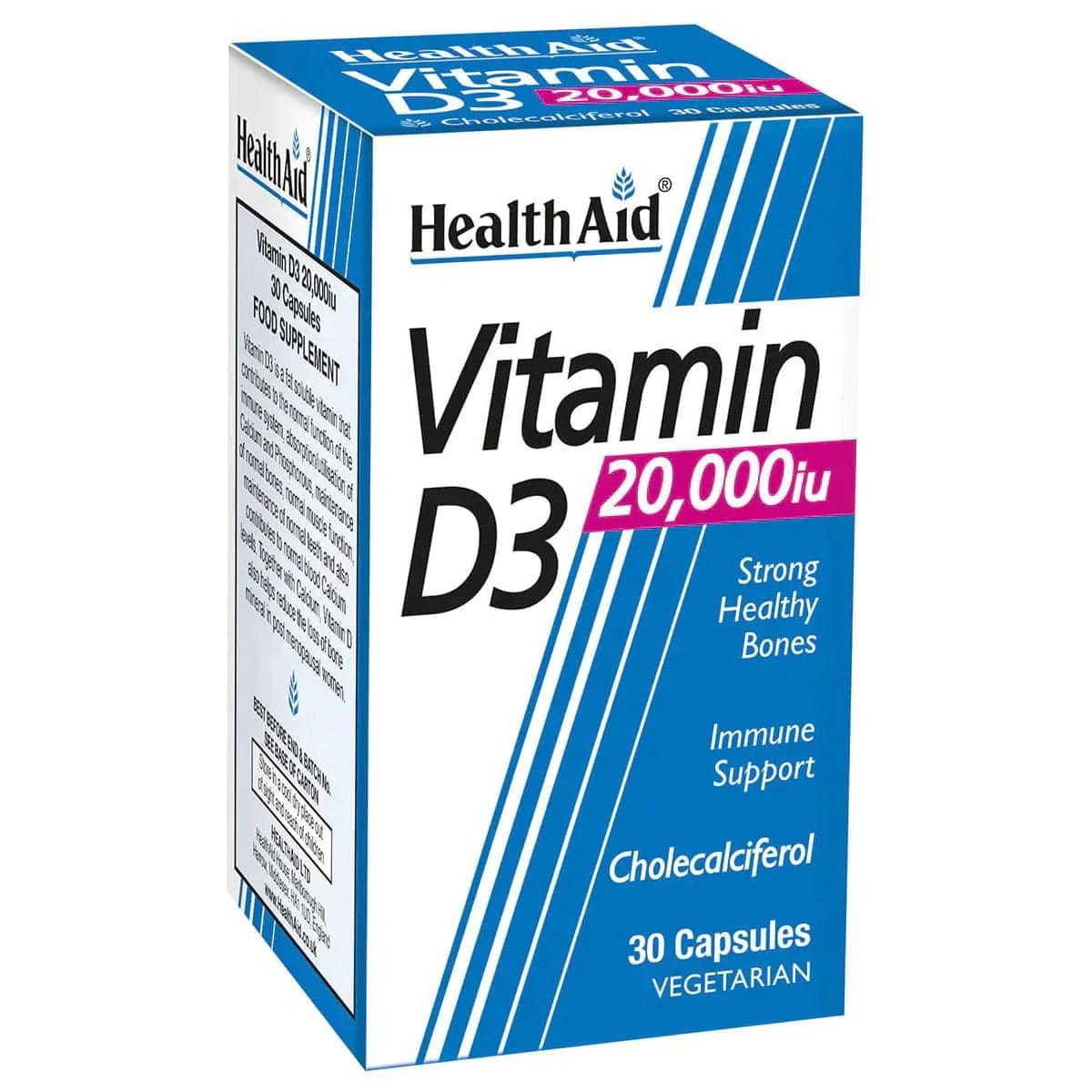
Vitamin D plays a central role in immune regulation. UK public health guidance advises supplementation due to low sunlight exposure for much of the year. This is why vitamin D-based products from vitamin D supplements are often considered foundational for immune health in the UK.
Zinc supports immune cell development and signalling. EFSA confirms zinc contributes to the normal function of the immune system. Zinc products from zinc supplements are commonly used when dietary intake may be insufficient.
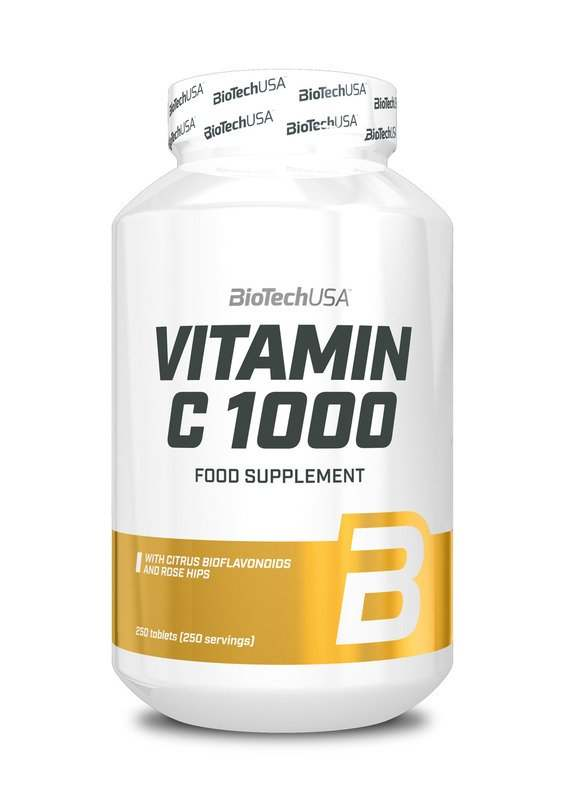
Vitamin C contributes to normal immune function and helps protect cells from oxidative stress. This underpins the widespread use of products within vitamin C supplements during periods of increased immune demand.
A significant proportion of immune activity is linked to the gut. Research shows that probiotics can support immune regulation via the gut–immune axis, explaining the popularity of immune-focused options from probiotics.
Immune supplements are most useful when addressing specific lifestyle or nutritional factors, including:
UK residents with limited sun exposure
People experiencing frequent fatigue or stress
Individuals with restricted diets
Older adults, where immune responsiveness may decline
Those recovering from illness or periods of increased immune demand
For these groups, combining immunity supplements with targeted nutrients can support long-term immune resilience.
People who already meet nutrient requirements through diet and lifestyle may not require routine supplementation. In such cases, supplementation should be targeted rather than habitual.
Best Overall Immune Support
BioBran MGN-3 250mg Tablets
Best Daily Immune Formula
Immunace Extra Protection Tablets
Best Vitamin C Supplement
Solgar Ester-C Vitamin C 1000 mg
Best Zinc Supplement
Best Probiotic for Immune Health
Bio-Kult Boosted Capsules
Best Vitamin D for UK Users
BetterYou DLux+ Vitamin D + K2 Oral Spray
Best Herbal Immune Support
Nature’s Answer Sambucus 12000mg Elderberry
 Why it’s been selected
BioBran MGN-3 is chosen as the best overall immune supplement for users looking beyond standard vitamins. Unlike multinutrient formulas, it focuses on immune modulation rather than stimulation, making it suitable for long-term immune resilience strategies.
Product description
BioBran contains MGN-3 arabinoxylan, a rice-bran–derived compound studied for its interaction with immune cells, particularly natural killer (NK) cells. This makes it distinct from conventional options found in general Immunity Supplements, which typically focus on vitamins and minerals. It is often used alongside foundational nutrients rather than as a replacement for them.
Human research has explored MGN-3’s role in supporting immune responsiveness without overstimulation, which is important for people managing immune balance long-term rather than seasonal support alone.
Product reviews
Users commonly describe BioBran as a “serious” immune supplement. Reviews focus less on immediate effects and more on confidence in consistent, long-term use, particularly among people already taking Multivitamins or targeted nutrients like vitamin D.
Product price
Premium.
Where to buy
Available via BioBran MGN-3 250mg Tablets.
Pros
Research-backed immune-modulating compound
Suitable for long-term immune strategies
Not reliant on high-dose stimulatory ingredients
Cons
Higher cost than standard immune vitamins
Not designed as a one-a-day multinutrient
How to use
Typically taken daily with food. Consistent use over several weeks is recommended before assessing fit.
Editor’s comment
Best for informed buyers who already understand their baseline nutrition and want advanced immune support beyond basic vitamins.

Why it’s been selected
Immunace Extra Protection is selected as the best daily immune formula because it combines multiple nutrients recognised for their role in normal immune function into one routine-friendly tablet.
Product description
This formula includes vitamin D, vitamin C, zinc, selenium, and supporting antioxidants. Vitamin D is particularly relevant for UK users due to limited sunlight exposure, which is why many people browsing Vitamin D Supplements end up choosing combination formulas like this instead.
The nutrient profile aligns with European authorised health claims for immune function and reflects guidance commonly referenced in UK public health recommendations.
Product reviews
Reviews frequently mention convenience, affordability, and suitability for everyday use. Many users describe it as a “base layer” and add other products—such as Probiotics or extra vitamin C—during periods of increased immune demand.
Product price
Mid-range and accessible.
Where to buy
Available via Immunace Extra Protection Tablets.
Pros
Broad nutrient coverage in one product
Easy daily routine
Suitable for long-term use
Cons
30-day supply only
Not targeted for specific deficiencies
How to use
One tablet daily with a main meal.
Editor’s comment
A sensible default for most adults who want reliable immune support without managing multiple supplements.

Why it’s been selected
Solgar Ester-C is chosen for users who want high-strength vitamin C in a buffered form that is often gentler on digestion.
Product description
Vitamin C contributes to normal immune function and helps protect cells from oxidative stress. Ester-C is a non-acidic form that remains popular among people who experience stomach discomfort with standard ascorbic acid. It is commonly compared within the Vitamin C Supplements category by users looking for potency with tolerability.
Product reviews
Users frequently highlight reduced digestive irritation and consistent quality. Many take it seasonally or alongside zinc rather than year-round.
Product price
Mid-to-premium.
Where to buy
Available via Solgar Ester-C Vitamin C 1000mg Capsules.
Pros
High-strength vitamin C
Buffered for better tolerance
Trusted manufacturer
Cons
Higher cost than basic vitamin C
Not a complete immune formula
How to use
Typically, one capsule daily with food.
Editor’s comment
Best suited for users who specifically want vitamin C rather than a full immune blend.

Why it's been selected as Chosen for its clean formulation and use of zinc picolinate, a form often selected for its absorption profile.
Product description Zinc contributes to normal immune system function and plays a role in immune cell signalling. This product appeals to users who want targeted zinc support rather than a combined formula, especially those browsing standalone zinc supplements. Pure Encapsulations is known for manufacturing standards that appeal to ingredient-focused buyers.
Product reviews often mention simplicity, consistency, and lack of unnecessary additives. It is commonly used short- to medium-term rather than continuously year-round.
Product price Mid-range.
Where to buy Available via Pure Encapsulations Zinc 15 Capsules.
Pros
Cons
How to use One capsule daily, ideally with food unless otherwise advised.
Editor's comment Best used when zinc intake is specifically a concern, not as a standalone immune solution.

Why it’s been selected
Selected for users who want to support immune health via the gut–immune axis.
Product description
Bio-Kult Boosted combines multiple probiotic strains with added vitamin C. A significant portion of immune activity occurs in the gut, which is why many people exploring immune support also browse Probiotics as part of a broader routine.
Product reviews
Users often note convenience (no refrigeration) and suitability for daily use. Effects are described as gradual rather than immediate.
Product price
Mid-range.
Where to buy
Available via Bio-Kult Boosted Capsules.
Pros
Supports gut-linked immune balance
Easy storage
Suitable for daily routines
Cons
Not suitable for everyone
Results vary between individuals
How to use
One capsule daily with food.
Editor’s comment
A good option for people whose immune health is closely linked to digestive balance.

Why it’s been selected
Chosen because vitamin D deficiency is common in the UK and spray formats improve compliance.
Product description
Vitamin D contributes to normal immune function, and UK guidance often recommends supplementation due to limited sunlight exposure. This spray format appeals to users comparing options within Vitamin D Supplements who prefer alternatives to tablets.
Vitamin K2 is included to support calcium metabolism alongside vitamin D.
Product reviews
Sprays are often reviewed positively for ease of use and consistency, especially among people who forget tablets.
Product price
Affordable.
Where to buy
Available via BetterYou DLux+ Vitamin D + K2 Oral Spray.
Pros
High compliance format
UK-relevant nutrient focus
Simple dosing
Cons
Limited to vitamin D and K
Not a full immune blend
How to use
Use daily as directed.
Editor’s comment
One of the most practical standalone immune additions for UK adults.

Why it’s been selected
Selected as the best herbal option for users who prefer liquid supplements or seasonal immune routines.
Product description
Elderberry contains polyphenols and flavonoids studied for antioxidant and immune-related activity. It is commonly used alongside foundational products from Immunity Supplements, rather than replacing vitamins or minerals.
Product reviews
Reviews highlight ease of dosing and preference for liquid formats. Taste is a recurring consideration.
Product price
Mid-range.
Where to buy
Available via Nature’s Answer Sambucus 12000mg Elderberry Liquid.
Pros
Liquid format
Popular seasonal add-on
Suitable for users avoiding capsules
Cons
Taste may not suit everyone
Not a standalone immune solution
How to use
Take as directed on the label.
Editor’s comment
Best used as a complementary, seasonal addition rather than a core immune foundation.
Vitamin D: 4–8 weeks
Zinc and vitamin C: several weeks
Probiotics: 2–4 weeks
Immune-modulating compounds: long-term use
Consistency matters more than high dosing.
Products were selected based on:
Ingredient relevance to immune function
Alignment with NHS and EFSA guidance
Brand reliability and UK market presence
Suitability for long-term use
Clear consumer demand and trust
Excess zinc may cause digestive discomfort
High-dose vitamin C may not suit everyone
Immune supplements do not replace medical treatment
Always follow recommended dosages
Immune system support isn’t one-size-fits-all — different nutrients have different roles, and dosing matters for both effectiveness and safety. Below is a breakdown of the most commonly used types of immune supplements, how they work, and the typical dosage ranges used in daily support.
What they are:
Broad, foundational immune support supplements that combine several key nutrients into one product. These aim to cover common shortfalls and support normal immune function without requiring users to stack separate products.
Common ingredients:
Vitamin D, vitamin C, zinc, selenium, copper, B-vitamins, sometimes antioxidants and botanical extracts.
Typical dosage ranges:
Vitamin D3: 10–25 µg (400–1000 IU) per day (higher doses may be advised in winter or on clinician guidance)
Vitamin C: 60–500 mg per day
Zinc (elemental): 7–15 mg per day
Selenium: 50–100 µg per day
Who it’s for:
Users seeking a simple, ready-to-take everyday routine without adding several separate pills.
How to use:
Once daily with food. Consistency over weeks matters more than occasional high doses.
What they are:
Single-nutrient products focused on vitamin D, which is widely recognised to support normal immune function and is often low in UK populations due to limited sunlight exposure.
Why it matters:
Vitamin D receptors are present on many immune cells, and adequate status is associated with balanced immune responses.
Typical dosage ranges:
Standard adult maintenance: 10–25 µg (400–1000 IU) per day
Correction or clinician-guided dosing: 50–100 µg (2000–4000 IU) per day for limited periods
Safety notes:
Very high doses (>100 µg / 4000 IU daily) should be used under professional guidance to avoid calcium imbalance over time.
Who it’s for:
People living in areas with limited sunlight (like the UK), those who report low sun exposure, or users with known low vitamin D status.
How to use:
Often taken once daily with food. Sprays and drops are alternatives for pill-averse users.
What they are:
Standalone vitamin C products that provide concentrated doses to support immune cell function and protect cells from oxidative stress.
Typical dosage ranges:
Maintenance: 200–500 mg per day
Support during high demand (e.g., stress or cold seasons): 500–1000 mg per day
Safety notes:
Vitamin C is water-soluble, and excess is excreted, but higher doses (above 1000 mg) may cause digestive upset in sensitive individuals.
Who it’s for:
People who want extra antioxidant and immune support beyond what any daily formula provides.
How to use:
Once or split twice daily with food to improve tolerance at higher doses.
What they are:
Mineral supplements focused on zinc, an essential trace element involved in immune cell signalling and development.
Typical dosage ranges (elemental zinc):
General support: 7–15 mg per day
Targeted support (clinician advised): up to 25 mg per day for short periods
Safety notes:
Long-term high intake (>25 mg per day) may interfere with copper absorption and should be monitored. Zinc taken with meals is often easier on the stomach.
Who it’s for:
Individuals with diets low in zinc (e.g., plant-based diets) or users seeking a precise immune nutrient correction.
How to use:
Once daily with food; don’t exceed recommended amounts without guidance.
What they are:
Live beneficial bacteria that support a balanced gut microbiome. Because a large portion of immune function is linked to the gut, probiotics are often included in immune routines.
Common strains used in immune support:
Lactobacillus spp., Bifidobacterium spp., plus additional supportive strains.
Typical dosage ranges:
CFUs (Colony Forming Units): 1–10+ billion CFUs per day in general use
Higher CFU counts (10–20+ billion) are sometimes used in targeted protocols, depending on formulation
Safety notes:
Probiotics are generally safe for most people, but those with weakened immune systems or serious health conditions should consult a clinician.
Who it’s for:
Users with frequent digestive issues, gut immobility, or anyone who wants gut–immune axis support alongside vitamins and minerals.
How to use:
Daily with food; many products do not require refrigeration.
What they are:
Plant-based extracts are traditionally used to support immune health or antioxidant balance. Elderberry is a common example.
Common botanicals:
Elderberry, echinacea, astragalus, andrographis, olive leaf.
Typical dosage ranges:
Dosages vary widely by botanical and extract strength; follow the product label. For elderberry syrups/liquids, it’s often 1–2 tsp daily during seasonal challenges.
Safety notes:
Herbal extracts can be potent and interact with medications; check with a clinician if you’re taking other medicines.
Who it’s for:
People who prefer natural or plant-based additions to foundational nutrients.
How to use:
As directed on the label, often seasonally or in addition to baseline nutrients.
What they are:
Non-traditional immune products containing bioactive compounds that aren’t typical vitamins/minerals, such as researched polysaccharides (e.g., MGN-3 arabinoxylan).
Typical dosage ranges:
Follow product-specific instructions; many are used once or twice daily as a routine layer.
Safety notes:
Because these aren’t vitamins or minerals, they’re best used with some understanding of why they’re chosen; clinical sourcing and manufacturer guidance help.
Who it’s for:
Experienced users who have covered the basics and want additional immune modulation support.
How to use:
Daily, often combined with foundational nutrient support.
| Supplement Type | Common Daily Dosage |
|---|---|
| Daily Immune Formulas | Standard product dose (varies by label) |
| Vitamin D | 10–25 µg (400–1000 IU) maintenance |
| High-dose Vitamin D | 50–100 µg (2000–4000 IU) clinician supervised |
| Vitamin C | 200–1000 mg |
| Zinc (elemental) | 7–25 mg |
| Probiotics | 1–20+ billion CFUs |
| Botanicals (e.g., elderberry) | As directed (varied) |
| Specialist Immune Modulators | Label directed |
The immune supplements featured in this guide are built around ingredients that are widely recognised by health authorities and supported by human research. The external references below are included to help readers understand why these ingredients are used, how they support immune function, and why the products selected are suitable for regular use in the UK.
Vitamin D is one of the most important immune-support nutrients for people living in the UK due to limited sunlight exposure for much of the year. Public health guidance confirms that vitamin D contributes to normal immune system function, which is why vitamin D supplements are commonly recommended for UK adults, particularly during autumn and winter.
Reference: NHS – Vitamin D and immune health
https://www.nhs.uk/conditions/vitamins-and-minerals/vitamin-d/
Zinc plays a central role in immune cell development, signalling, and normal immune response. European Food Safety Authority (EFSA) assessments confirm that zinc contributes to the normal function of the immune system, supporting the use of zinc supplements when dietary intake may be insufficient.
Reference: EFSA – Zinc health claims
https://www.efsa.europa.eu/en/topics/topic/zinc
Vitamin C supports immune function by contributing to normal immune responses and protecting cells from oxidative stress. EFSA-approved health claims confirm its role in immune health, explaining why high-strength vitamin C supplements are widely used during periods of increased immune demand.
Reference: EFSA – Vitamin C health claims
https://www.efsa.europa.eu/en/topics/topic/vitamin-c
A significant proportion of immune activity is linked to the gut. Research published in peer-reviewed journals shows that probiotic supplementation can support immune regulation by maintaining healthy gut microbiota balance, which underpins the inclusion of probiotic products in immune support routines.
Reference: Probiotics and immune regulation – Nutrients Journal
https://www.ncbi.nlm.nih.gov/pmc/articles/PMC6266449/
Arabinoxylan compounds such as MGN-3 have been studied for their immune-modulating properties, particularly their interaction with natural killer (NK) cells. Human studies suggest this type of ingredient may support immune responsiveness without overstimulation, making it suitable for long-term immune resilience strategies.
Reference: Human studies on MGN-3 arabinoxylan
https://pubmed.ncbi.nlm.nih.gov/20024012/
Elderberry has a long history of use for immune support and is rich in polyphenols and flavonoids. Reviews of clinical and observational studies suggest elderberry supplementation may support immune defences during seasonal immune challenges, which explains its continued popularity in immune health products.
Reference: Elderberry and immune support review
https://pubmed.ncbi.nlm.nih.gov/11399518/
The most effective immune supplements in the UK typically include vitamin D, vitamin C, zinc, selenium, probiotics, and functional mushroom extracts. These nutrients are commonly used because they contribute to normal immune function and help address common UK deficiencies, particularly vitamin D.
For most people, a daily immune multivitamin provides a strong foundation. Individual supplements such as vitamin C, zinc, or probiotics can then be added for targeted support during periods of increased immune demand.
The NHS advises that many people in the UK do not get enough vitamin D from sunlight alone, especially during autumn and winter. Vitamin D contributes to normal immune function, which is why it is included in many UK immune supplements.
Yes, immune supplements are designed for daily use when taken within recommended dosages. Consistent use is more effective than short-term, high-dose supplementation.
Most immune supplements work gradually. Many people notice benefits after 2–4 weeks of consistent use, particularly for nutrients such as vitamin D, zinc, and probiotics.
Immune supplements do not prevent illness, but they support normal immune function, helping the body respond appropriately to everyday challenges.
Yes. A large portion of the immune system is linked to the gut. Probiotics support gut health, which in turn supports immune regulation and balance.
During winter, supplements containing vitamin D, vitamin C, zinc, and selenium are particularly popular due to reduced sunlight exposure and increased seasonal immune challenges.
Functional mushrooms such as Agaricus blazei and beta-glucan–containing extracts are widely used for immune support. When sourced from reputable brands and taken as directed, they are generally considered safe for long-term use.
Some supplements may interact with medications. If you are taking prescription medicine or managing a health condition, it’s best to consult a healthcare professional before starting new supplements.
Zinc is safe for daily use within recommended limits. Long-term high doses should be avoided unless advised by a healthcare professional.
Yes. Immune function can decline with age, and nutrients such as vitamin D, zinc, and selenium are commonly recommended for older adults to help maintain normal immune function.
Many immune supplements are suitable for vegans, including vitamin C, vitamin D3 (from lichen), zinc, and certain probiotic formulas. Always check individual product labels.
Yes. These nutrients are commonly combined because they support immune function in different but complementary ways. Many immune formulas are designed specifically with this combination.
If fatigue is linked to nutrient deficiencies (such as low vitamin D or iron), appropriate supplementation may help support normal energy levels alongside immune health.
Yes. Immune supplements sold in the UK are regulated as food supplements and must comply with UK and EU food safety and labelling regulations.

 Оценено отлично от 28,951+ отзива
 100% гаранция за връщане на парите
Нашата гаранция за връщане на парите гарантира, че получавате артикулите си или ще получите пълно възстановяване.


