



Best Digestive Bitters UK
Posted on:
Aug 05, 2026
Authored by


Written and medically reviewed by Dr Zeeshan Afzal (MBBS) — Medical Doctor & Medical Content Lead, Welzo
Part of our digestive health guides · Shop gut health supplements
Evidence-based · Honest about what's proven and what isn't · UK-focused
Last updated: July 2026 · Reading time: ~14 minutes
Digestive bitters are having a revival, and the pitch is appealing: a few drops on the tongue before a meal to sharpen digestion. The traditional use is genuinely ancient — bitter tonics run through European herbal medicine for centuries — and the mechanism is real physiology rather than folklore. Bitter compounds activate taste receptors that trigger a cascade of digestive secretions before food even arrives.
Where I'd urge caution is the gap between mechanism and outcome. That bitters stimulate gastric secretion is well established. That any particular bottle will fix your bloating is a much weaker claim — and one point trips people up constantly. Because bitters increase stomach acid, they are the wrong choice if your problem is reflux or an ulcer. That is the opposite of what many buyers assume, and it is the single most common mistake in this category.
Below: how bitters actually work, what the trial evidence does and does not support, the herbs worth knowing, our pick from the Welzo digestive bitters range, and a clear account of who should avoid them entirely.
Table of contents
Digestive bitters are preparations of bitter-tasting plants, usually taken as an alcohol-based tincture, glycerite or spray shortly before eating. Common ingredients include gentian root, dandelion root, artichoke leaf, burdock root, angelica root, wormwood, ginger, fennel and orange peel.
The category splits into two traditions. Simple bitters centre on one or two intensely bitter herbs, usually gentian, and are taken for the taste effect alone. Compound formulas — Swedish Bitters being the classic — combine a dozen or more herbs, pairing true bitters with aromatic carminatives such as fennel and cardamom that have their own traditional use for wind and cramping.
Worth being clear about the regulatory position: in the UK these are sold as food supplements, not licensed medicines. Some traditional herbal products carry a THR (Traditional Herbal Registration) marking, meaning the MHRA has assessed quality and safety and accepted traditional use — but not that efficacy has been demonstrated to modern clinical standards. Most bitters on sale are not THR-registered at all.
This is where the science is genuinely interesting, and it hinges entirely on taste.
Humans have around 25 bitter taste receptors, known as TAS2Rs. They were long assumed to exist purely as a poison-detection system, which is why bitterness is innately aversive — an evolved warning signal. But TAS2Rs are not confined to the tongue. They have been identified throughout the gastrointestinal tract, on enteroendocrine cells, and even in the airways.
When a bitter compound hits receptors on the tongue, it triggers what physiologists call the cephalic phase of digestion: a reflex, pre-emptive preparation for food. Saliva production increases, gastric acid secretion rises via vagal signalling, and bile and pancreatic enzyme release are stimulated. This is the same reflex that makes your mouth water at the smell of cooking, and it is precisely why bitters are traditionally taken before a meal rather than after.
The vagus nerve does much of this signalling, which connects bitters to the wider vagus nerve and gut picture and to the gut–brain connection more broadly.
Bitter receptors in the gut wall are involved in releasing hormones including cholecystokinin (CCK), GLP-1 and PYY, which affect gallbladder contraction, gastric emptying and satiety signalling. That has made bitter compounds a subject of metabolic research. It needs stressing that this is an active research area rather than an established application — the effects demonstrated in laboratory and short-term human studies are considerably more modest than the marketing around "bitters for weight loss" implies. See gut health and weight for what the wider evidence actually supports.
A practical consequence follows from the mechanism. If bitters work substantially through taste receptors, then swallowing a bitters capsule quickly bypasses much of the point. Traditional practice — holding a tincture on the tongue, or taking bitters in water and sipping — is consistent with the physiology. If you cannot tolerate the taste at all, a bitters product may simply not be the right tool for you, and digestive enzymes may suit you better.
Honest summary: the mechanism is well characterised, the clinical trial evidence for specific commercial bitters formulas is thin, and the strongest human data sits with two particular ingredients rather than with bitters as a category.
The best-evidenced bitter herb. Randomised controlled trials of standardised artichoke leaf extract have reported improvements in functional dyspepsia symptoms, and a trial in IBS reported reduced symptom severity. Artichoke is a recognised cholagogue — it stimulates bile flow — which gives it a plausible, specific mechanism for fat digestion and post-meal fullness rather than a vague "digestive support" claim.
A nine-herb formula including bitter candytuft, gentian, angelica and milk thistle, and by far the most trialled bitter-containing preparation, with multiple RCTs in functional dyspepsia. Two caveats matter. It is a specific licensed formulation, so its trial results do not transfer to other bitters products — a point often blurred in marketing. And European regulators including the MHRA have required hepatotoxicity warnings following rare reports of liver injury, a reminder that "herbal" does not mean inert.
Gentian is the archetypal bitter, recognised in traditional use for loss of appetite and dyspeptic complaints, but the modern trial base is small. Dandelion, burdock and angelica are similar: long traditional use, plausible mechanisms, limited controlled data. The European Medicines Agency has published monographs for several of these based on traditional use rather than demonstrated efficacy — a meaningful distinction when you are deciding what to spend money on.
Bitters are reasonable to try for mild post-meal fullness, sluggish digestion or poor appetite. They are inexpensive, and low-risk in the right person. They are not a treatment for a diagnosed condition, and if your symptoms are persistent, worsening, or accompanied by any red flag listed below, the answer is assessment rather than a tincture.
| Herb | Traditional role | Notes and cautions |
|---|---|---|
| Gentian root | The classic bitter; appetite and dyspepsia | Intensely bitter; avoid in active ulcer |
| Artichoke leaf | Bile flow, fat digestion | Best trial evidence; avoid with gallstones; Asteraceae allergy risk |
| Dandelion root | Bitter tonic, mild diuretic | Asteraceae family; caution with gallstones |
| Wormwood | Strong bitter; traditional in Swedish Bitters | Avoid in pregnancy; contains thujone; not for prolonged use |
| Angelica root | Bitter and aromatic; wind and cramping | May increase photosensitivity |
| Liquorice root | Soothing; balances bitterness | Caution with high blood pressure; can lower potassium |
| Rhubarb root & aloe | Included in some traditional compound formulas | Stimulant laxatives — not for regular or long-term use |
| Ginger | Warming carminative; nausea | Best-evidenced for nausea; generally well tolerated |
| Fennel & cardamom | Aromatic carminatives for wind | Not bitters as such; added for comfort and flavour |
For broader guidance, see our companion guides to digestive bitters, betaine HCl and low stomach acid symptoms.

Price: £37.34 · Reviews: 76 · Where to buy: Available from Welzo
Key herbs: Gentian, wormwood, angelica root, aloe, liquorice root, rhubarb root · Format: Liquid herbal extract · Size: 8.45oz
Why we picked it: Swedish Bitters is the reference point for the entire compound-formula tradition, and this is the recognisable version of it. Unlike many modern products that lead with flavour and hide a token bitter herb near the end of the ingredient list, this contains genuine bitters — gentian and wormwood — alongside aromatic and soothing herbs including angelica and liquorice. The large bottle gives a long supply, and the liquid format delivers the taste stimulus that the mechanism depends on.
Two things to understand before you buy. First, this formula contains aloe and rhubarb root, both of which contain anthraquinones and act as stimulant laxatives. That is a meaningful difference from a simple gentian tincture: it means this is not a product for daily indefinite use, and if you have loose stools it may make them worse. Second, it contains wormwood, which is unsuitable in pregnancy, and liquorice, which needs care if you have high blood pressure. None of that makes it a bad product — it is a traditional formula behaving exactly as a traditional formula does — but it does mean it wants occasional rather than routine use.
| Pros | Cons |
|---|---|
| Genuine bitter herbs, not a flavoured token blend Classic traditional compound formula Liquid format delivers the taste stimulus Large bottle — long supply Widely recognised preparation |
Contains aloe and rhubarb root — stimulant laxatives, not for long-term use Contains wormwood — avoid in pregnancy Contains liquorice — caution with high blood pressure Very strong taste Higher price than a simple single-herb tincture |
How to take it: the traditional method is 1–2 teaspoons in a little juice, water or tea, taken before or after a meal. Do not use it as a routine daily laxative — if constipation is the underlying problem, see constipation relief and magnesium for constipation for approaches better suited to regular use.
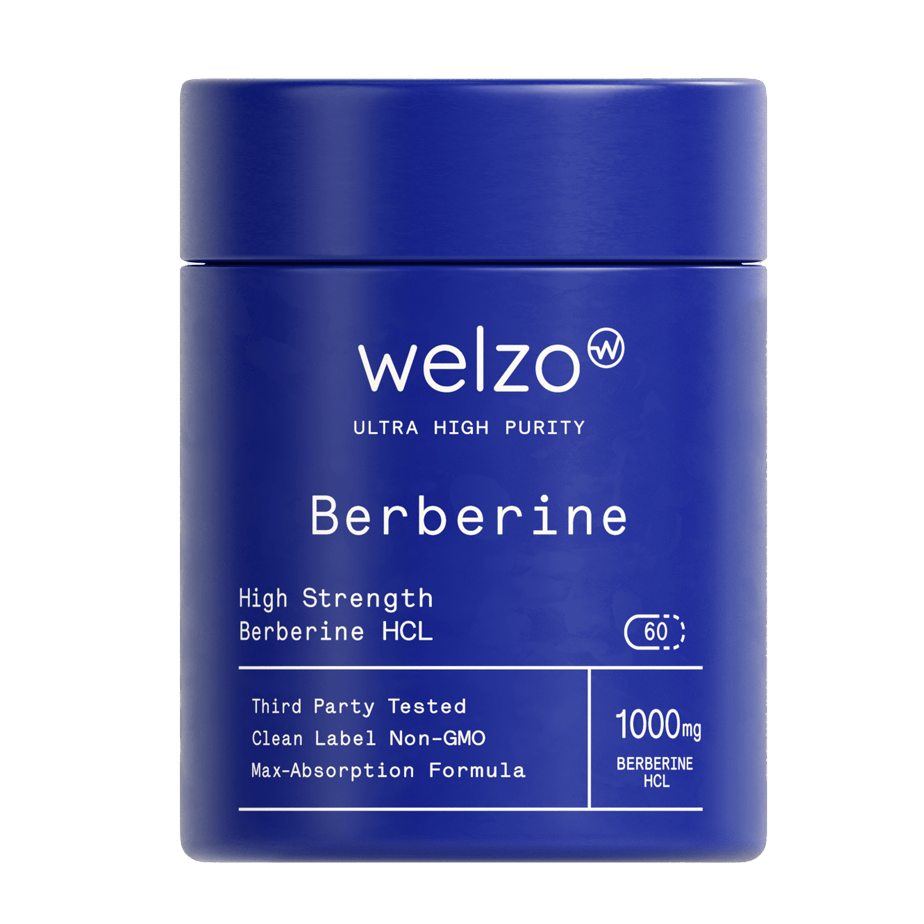
If you are interested in bitters because of the metabolic claims, this section matters more than the tinctures above.
Berberine is an isoquinoline alkaloid found in barberry, goldenseal and Oregon grape root — and it is one of the most intensely bitter compounds in the plant kingdom. Traditional bitter formulas containing barberry or Oregon grape root are, in effect, delivering berberine. What separates it from the rest of this category is the volume of modern clinical research: berberine has been studied in randomised trials for glycaemic control, lipid profile and insulin sensitivity, with meta-analyses reporting improvements in fasting glucose, HbA1c and HOMA-IR, though heterogeneity between trials is high.
Two honest qualifications. Those trials studied berberine as an isolated compound at defined doses, typically in people with metabolic dysfunction — not a teaspoon of a compound bitters tincture in a healthy adult, and the results do not transfer. And berberine is not a traditional digestive bitter in the pre-meal sense; it is used as a daily metabolic supplement, which is a different purpose entirely.
Berberine also has genuine interaction potential, because it affects the liver enzymes that metabolise many prescription drugs. If you take any regular medication, read berberine interactions before starting, and see berberine vs metformin for how it compares with prescribed treatment. It is not a substitute for diabetes medication.
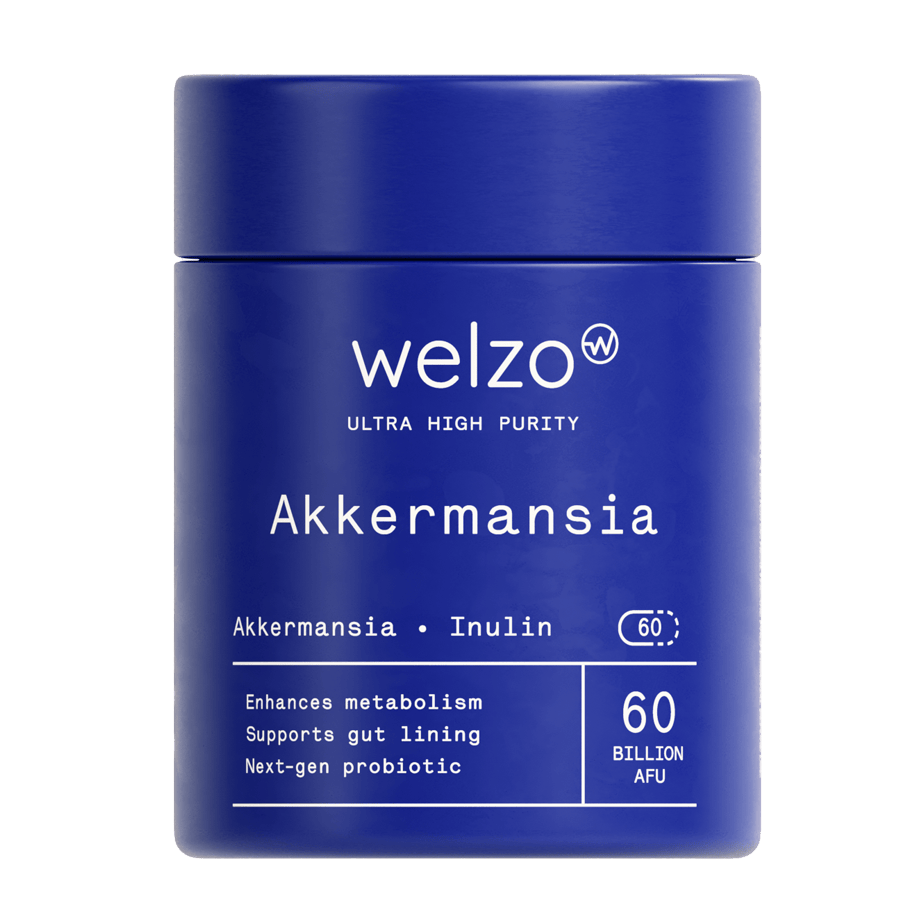
Bitters do one specific thing: they stimulate your own digestive secretions at the start of a meal. If a few weeks of consistent use before meals has changed nothing, the useful conclusion is not "take more" — it is that secretion probably was not the bottleneck.
Common alternatives worth considering, depending on the pattern of your symptoms:
Timing: 10–20 minutes before a meal is both traditional and mechanistically logical — you are priming the cephalic phase before food arrives. Some people also use bitters after a heavy meal for fullness, which is common practice though less well aligned with the taste-reflex rationale.
Dose: follow the product label, since concentrations vary enormously between a simple gentian tincture and a compound formula. Typical tincture doses are 1–2 teaspoons or a dropperful; sprays are usually two or three sprays.
Method: the taste is part of the mechanism. Hold the liquid on your tongue briefly, or take it in a small amount of water and sip rather than shooting it. Masking the bitterness entirely may blunt the effect.
Expectations: any effect on post-meal comfort tends to show within the same meal rather than building over weeks. A few consistent weeks is a fair trial.
Taste adaptation: the bitterness is unpleasant at first, and most people find it becomes tolerable within a week or two. Starting with a lower dose in more water is a reasonable way in.
Bitters are low-risk for most healthy adults, but this category carries more genuine contraindications than most supplements — and the most important one is counter-intuitive.
Do not take digestive bitters if you
Additional cautions: liquorice-containing formulas need care with high blood pressure, heart failure, kidney disease or low potassium. Artichoke and dandelion are Asteraceae — avoid if you react to ragweed, chamomile or marigold. Angelica may increase sun sensitivity. If you take prescription medication, check with your pharmacist, since increased gastric acid and bile flow can alter how some drugs are absorbed. See omeprazole long-term effects if you are already on acid suppression.
Side effects, when they occur, are usually mild: heartburn, nausea, a bitter aftertaste or loose stools. Stop if symptoms worsen rather than pushing through.
See your GP — or seek urgent care — if you have:
Indigestion that keeps returning deserves a diagnosis rather than a supplement — it can indicate reflux disease, H. pylori infection, gallbladder disease or, less commonly, something more serious. Read more on when to see a GP about stomach symptoms, acid reflux, gastritis and H. pylori. See also NHS — Indigestion.
From the range at Welzo, NatureWorks Swedish Bitters (£37.34, 8.45oz) is our pick: it contains genuine bitter herbs in gentian and wormwood rather than a flavoured token blend, and the liquid format delivers the taste stimulus the mechanism depends on. It is best used occasionally rather than daily, because it also contains aloe and rhubarb root, which are stimulant laxatives. If you want a simple daily bitter, look for a single-herb gentian or artichoke tincture instead.
The mechanism is well established: bitter compounds activate taste receptors that trigger saliva, gastric acid and bile secretion before food arrives. The clinical trial evidence for specific commercial formulas is much thinner, with artichoke leaf extract and the licensed formula STW 5 carrying the strongest human data. Reasonable to try for mild post-meal fullness; not a treatment for a diagnosed condition.
Usually 10–20 minutes before a meal, because the point is to prime digestion before food arrives rather than react after it. Some people also take them after a heavy meal for fullness, though that fits the underlying rationale less well.
They may help mild post-meal bloating and fullness, and many formulas add carminative herbs such as fennel and ginger with traditional use for wind. But bloating has many causes — including IBS, food intolerance, constipation and SIBO — and bitters address none of those directly. If bloating is persistent or severe, get it assessed. See supplements for bloating and trapped wind relief.
Generally no, and this is the most common mistake in this category. Bitters increase gastric acid secretion, so in reflux, GORD or an active ulcer they can worsen symptoms. If your main complaint is heartburn or acid coming up, bitters are the wrong tool.
Most traditional tinctures do, because alcohol is an efficient extraction solvent for bitter compounds — typically a small amount per dose, but relevant if you avoid alcohol for any reason. Alcohol-free glycerite and spray versions are available.
It depends entirely on the formula. A simple gentian or artichoke bitter can reasonably be used before meals on an ongoing basis. Traditional compound formulas containing wormwood, aloe or rhubarb root are a different matter — these are not intended for prolonged continuous use, and daily use of stimulant laxative herbs is not advisable. Check your ingredient list rather than assuming.
Bitter receptors are involved in releasing appetite-related gut hormones including GLP-1 and CCK, which is why this is an active research area. But the effects shown in short-term studies are modest, and no bitters product has been shown to produce meaningful weight loss. Treat weight-loss marketing in this category with scepticism.
They do different things. Bitters stimulate your own secretions; enzymes and betaine HCl supply or acidify directly. Bitters are the gentler starting point, but if there is a genuine deficiency — pancreatic insufficiency, for instance — bitters will not substitute. See enzymes vs probiotics and low stomach acid symptoms.
Because that is the active mechanism. Bitterness is innately aversive as an evolved poison-detection system, and the same receptors that register it trigger the digestive reflex. Products engineered to taste pleasant may have blunted the effect. Most people find the taste becomes tolerable within a week or two.
Medical disclaimer: This article is for general information and education only and does not constitute medical advice, diagnosis or treatment. Food supplements are not a substitute for a varied and balanced diet or a healthy lifestyle, and are not intended to diagnose, treat, cure or prevent any disease. Herbal products can interact with prescription medication and are not suitable for everyone. Product specifications, prices and availability are correct at the time of writing and may change — always check the product page and label. Always seek advice from your GP, pharmacist or another suitably qualified clinician before starting a herbal supplement, particularly if you are pregnant, breastfeeding, taking prescription medication, or have reflux, ulcers, gallstones, inflammatory bowel disease, high blood pressure or an existing health condition. Persistent indigestion should be medically assessed.
About the author
Dr Zeeshan Afzal (MBBS) is a practising medical doctor and Welzo's Medical Content Lead. He writes and reviews Welzo's health content to ensure it is accurate, evidence-based and aligned with current UK clinical guidance, translating complex research into practical advice patients can trust.
 Hodnoceno výborně o 28,951+ recenzí
 100% záruka vrácení peněz
Naše záruka vrácení peněz zajišťuje, že obdržíte své položky nebo získáte plnou náhradu.