


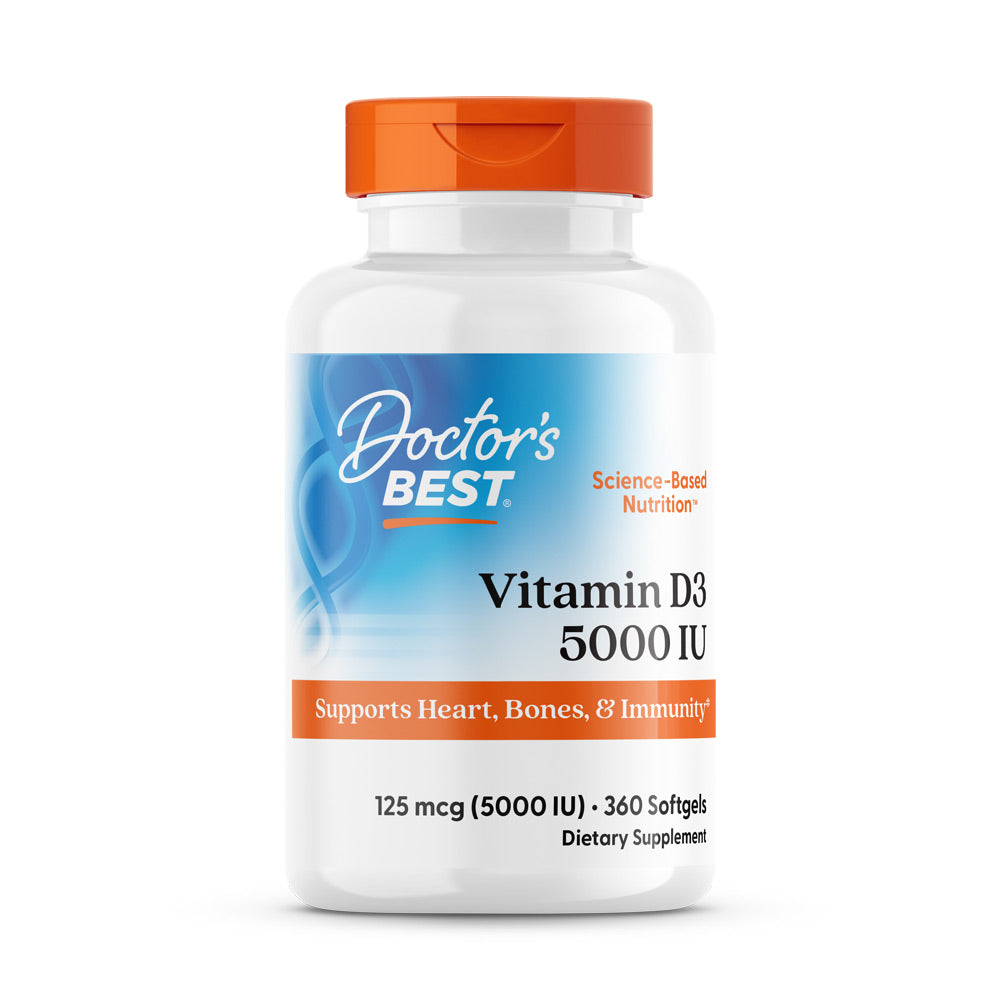

Digestive Enzymes vs Probiotics: Which Do You Need?
Posted on:
Aug 05, 2026
Authored by


Written by Dr Zeeshan Afzal (MBBS) — Medical Doctor & Medical Content Lead, Welzo
Medically reviewed & evidence-based · Last updated: 30 July 2026 · Reading time: approx. 14 minutes
This guide is deliberately even-handed. Welzo sells both digestive enzymes and probiotics, and for a large number of people neither is the right answer. We have said so where that is the case.
These two supplements sit side by side on the same shelf, and they do almost entirely different jobs. Digestive enzymes act on your food. Probiotics act on your microbiome. One replaces a chemical process your body may not be performing well; the other adds living organisms to an ecosystem. Confusing them is the single commonest mistake we see, and it leads people to spend months on the wrong product. There is also a regulatory tell that almost every competing article misses: in Great Britain, lactase holds an authorised health claim for improving lactose digestion, while no probiotic health claim has ever been authorised at all. That gap tells you something real about the relative strength of the evidence. This guide sits within our digestive health hub and gut health range.
|
Choose digestive enzymes if your symptoms are tightly locked to eating, appear within minutes to a couple of hours of a specific food, and get worse with a bigger portion of that food. Dairy, beans and pulses are the classic triggers. Choose probiotics if your symptoms are diffuse and fluctuating, are not reliably tied to one food, follow a course of antibiotics or a stomach bug, or fit a broader IBS pattern. Choose neither, and see your GP, if you have pale, greasy, floating stools, unexplained weight loss, blood in your stool, or symptoms that began suddenly after the age of 50. |
Digestion is a chemical demolition job. The food you eat is made of molecules far too large to cross the intestinal wall, and enzymes are the tools that cut them down to a size your body can absorb.
You make these yourself, at several points along the tract. Salivary glands release amylase. The stomach produces pepsin. The pancreas contributes the heavy machinery — amylase for starch, lipase for fat, and proteases such as trypsin and chymotrypsin for protein. Finally, the brush border of the small intestine carries enzymes including lactase, sucrase and maltase, which perform the last cuts immediately before absorption.
A supplemental digestive enzyme adds more of one or several of these into the meal. The main types you will encounter:
| Enzyme | Source | What it breaks down |
|---|---|---|
| Lactase | Microbial or yeast | Lactose (milk sugar) |
| Alpha-galactosidase | Aspergillus niger | Galacto-oligosaccharides in beans, pulses, brassicas |
| Pancreatin | Porcine pancreas | Fat, protein and starch — the full pancreatic set |
| Fungal amylase, protease, lipase | Aspergillus species | Starch, protein, fat — more acid-stable than pancreatin |
| Bromelain / papain | Pineapple / papaya | Protein |

Two practical consequences follow from this. First, enzymes only work while they are in contact with the food, which is why they are taken with or just before a meal rather than on an empty stomach — see how to take digestive enzymes. Second, the effect stops the moment you stop taking them. There is no cumulative benefit and nothing is being repaired. Browse the full digestive enzyme range, or the specific lactase and pancreatin collections.
The internationally accepted definition, set out by the International Scientific Association for Probiotics and Prebiotics, is deliberately strict: live microorganisms which, when administered in adequate amounts, confer a health benefit on the host (Hill and colleagues, Nature Reviews Gastroenterology & Hepatology, 2014). Two words in that definition do a lot of work. Live — dead cultures do not qualify. Adequate amounts — the dose must match what was actually studied.
What probiotics do not do is digest your dinner. The quantity of enzyme activity a probiotic capsule contributes to a meal is negligible compared with your own pancreas. Their effects are indirect and operate on a different timescale:

Crucially, almost all probiotics are transient. They pass through, exert effects while present, and are largely cleared within one to two weeks of stopping. They do not permanently colonise a healthy adult gut, whatever the packaging implies. For the fundamentals, see how to choose a probiotic, do probiotics actually work? and prebiotic vs probiotic.
| Digestive enzymes | Probiotics | |
|---|---|---|
| What they are | Proteins that catalyse reactions | Live microorganisms |
| What they act on | The food in your gut | The microbial ecosystem and the host |
| Speed of effect | Same meal — minutes | Weeks; minimum 4-week trial |
| When taken | With or just before food | Usually with a meal; consistency matters more than timing |
| Lasting change? | No — purely a substitution | Mostly transient; some effects persist briefly |
| Authorised GB claim? | Yes — lactase, for lactose digestion | No — none authorised |
| Prescription version? | Yes — PERT for pancreatic insufficiency | No licensed medicine in routine UK use |
| Strongest use case | Diagnosed malabsorption of a specific substrate | Antibiotic-associated diarrhoea; IBS symptom trial |
When the pancreas cannot produce enough enzymes, fat passes through undigested. The result is steatorrhoea: pale, greasy, bulky, foul-smelling stools that are hard to flush, usually alongside weight loss and nutrient deficiencies. Causes include chronic pancreatitis, cystic fibrosis, pancreatic cancer and pancreatic surgery.
Pancreatic enzyme replacement therapy is genuinely transformative here — and it is a licensed medicine, not a food supplement. NICE guideline NG104 recommends it for people with chronic pancreatitis and steatorrhoea, and European guidance (Löhr and colleagues, United European Gastroenterology Journal, 2017) sets out the dosing. Diagnosis is usually made with a faecal elastase test.
This matters more than any other point in the article. If those symptoms describe you, an over-the-counter enzyme blend is the wrong product and buying one may delay a diagnosis that needs making promptly. See your GP. Read about chronic pancreatitis on the NHS site.
The clearest supplement win in this whole category. In lactose intolerance the brush-border enzyme lactase is deficient, so lactose reaches the colon intact and is fermented, producing gas, bloating, cramping and loose stools. Supplemental lactase taken with dairy replaces the missing function directly.
This is the one place where a supplement enzyme carries an authorised health claim in Great Britain: lactase enzyme improves lactose digestion in individuals who have difficulty digesting lactose. That authorisation followed a favourable EFSA scientific opinion in 2009, and it is a genuinely unusual thing for a supplement ingredient to hold. See lactose intolerance supplements and the NHS page on lactose intolerance.
Alpha-galactosidase breaks down the galacto-oligosaccharides in legumes and cruciferous vegetables that human enzymes cannot touch. Trials are small but reasonably consistent in showing reduced flatulence when it is taken with the offending meal. It is worth trying before you eliminate whole food groups, because pulses and brassicas are among the most valuable things you can eat for microbial diversity — see high-fibre foods, 30 plants a week and foods that cause bloating.
A Cochrane review of probiotics for preventing Clostridioides difficile-associated diarrhoea (Goldenberg and colleagues, 2017) concluded that probiotics reduced the risk in people at moderate to high baseline risk. Saccharomyces boulardii and Lactobacillus rhamnosus GG carry most of that evidence.
The counter-evidence deserves equal billing, and most articles bury it. The PLACIDE trial (Allen and colleagues, The Lancet, 2013) randomised 2,981 older inpatients in the UK to a multi-strain lactobacilli and bifidobacteria preparation or placebo. It found no reduction in antibiotic-associated diarrhoea and no reduction in C. difficile diarrhoea. This was a large, independently funded, well-conducted trial — far bigger than most positive studies in the field — and any honest account has to sit with the tension rather than ignore it. The reasonable reading is that benefit is real in some populations and with some strains, and absent in others.
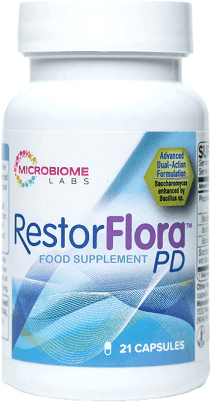
See probiotics after antibiotics, probiotics for C. diff, S. boulardii and L. rhamnosus GG.
The British Society of Gastroenterology's 2021 IBS guideline recommends probiotics as a treatment option but explicitly declines to specify a strain, because the evidence is spread thinly across many small trials of many different organisms. NICE CG61 advises a minimum four-week trial at the manufacturer's dose while monitoring the effect. That is a sensible, low-cost experiment. See best supplements for IBS, IBS subtypes and how long probiotics take to work.
A widely discussed study (Suez and colleagues, Cell, 2018) found that gut colonisation by probiotics was highly person-specific — some people's mucosa admitted the organisms, others resisted entirely — and that taking probiotics after antibiotics actually delayed the return of the native microbiome compared with letting it recover spontaneously. It is one study and should not be over-read, but it undercuts the assumption that more probiotic is always better after antibiotics.
Being straight about this builds more trust than overselling, so here is our honest assessment.
| What you are experiencing | Most likely answer | Next step |
|---|---|---|
| Bloating, wind and looseness 30 min–2 h after dairy, dose-dependent | Enzyme (lactase) | Lactose intolerance guide |
| Excess wind specifically after beans, lentils, sprouts, cabbage | Enzyme (alpha-galactosidase) | Trapped wind relief |
| Pale, greasy, floating stools; weight loss | Neither — see a GP | When to see a GP |
| Loose stools during or after antibiotics | Probiotic | Probiotics after antibiotics |
| Fluctuating bloating, pain relieved by opening bowels, no clear trigger | Probiotic — 4-week trial | Supplements for IBS |
| Symptoms after many different high-FODMAP foods | Diet first, not a supplement | Low FODMAP diet · FODMAP list |
| Urgent watery diarrhoea, worse after fatty meals, after gallbladder removal | Neither — likely bile acid malabsorption | Bile acid malabsorption |
| Bloating within 30 min of any meal, plus rapid fullness | Consider SIBO or gastroparesis | SIBO · Gastroparesis |
| Symptoms after bread and pasta, with fatigue or anaemia | Test for coeliac before excluding gluten | Coeliac testing · Coeliac vs intolerance |
| Heaviness and reflux after protein-heavy meals | Possibly low stomach acid — assess first | Low stomach acid · Betaine HCl |
Not sure how to describe your stools to a clinician? The Bristol stool chart gives you the vocabulary, and taking a two-week symptom and food diary before your appointment is worth more than any supplement.
Yes. They act by different mechanisms at different points, and there is no established interaction between them. Some products combine the two in one capsule — Welzo stocks Life Extension Enhanced Super Digestive Enzymes and Probiotics, which pairs an enzyme blend with Bacillus coagulans MTCC 5856. The Doctor's Best enzyme blend pictured earlier is also a hybrid, carrying 1 billion CFU of Bacillus subtilis alongside its fourteen enzymes.
That said, we would push back gently on combination products as a starting point, for a practical reason: if you take two things at once and improve, you have learned nothing about which one helped. Enzymes work within a meal and probiotics take weeks, so a cleaner approach is to trial one at a time. If your symptoms are food-locked, start with the enzyme and you will know within a day or two. If they are diffuse, start with the probiotic and give it four weeks. Combination products make most sense once you already know both components help you.
One genuine timing note: the enzymes in a combination capsule are intended to work with the meal, which is also a sensible time to take most probiotics — so the formats do not conflict. See when to take probiotics.
| Digestive enzymes | Probiotics | |
|---|---|---|
| Timing | With the first bites, or immediately before | With a meal, same time daily |
| Frequency | Only with meals containing the trigger | Every day without gaps |
| How fast you'll know | One to three meals | Four weeks minimum; often 8–12 |
| If it isn't working | Stop — it is the wrong mechanism | Try a different strain, or stop at 12 weeks |
| Storage | Cool and dry | Check label; spore-based need no fridge |
Further reading: how to take digestive enzymes, should I take probiotics every day, probiotic side effects and best probiotics UK.
|
⚠ Important safety points
|
|
⚠ Book a GP appointment — do not reach for a supplement — if you have:
See the NHS pages on IBS and bowel cancer, and our guide on when to see a GP about stomach symptoms. |
Take digestive enzymes if your symptoms appear reliably within minutes to two hours of eating a specific food, particularly dairy or pulses, and worsen with larger portions. Take probiotics if your symptoms are diffuse and fluctuating, follow antibiotics or a stomach bug, or fit an IBS pattern. If you have pale greasy stools or unexplained weight loss, see a GP rather than buying either.
Digestive enzymes are proteins that break food down into absorbable molecules, acting within the same meal. Probiotics are live microorganisms that influence the gut microbiome and immune tissue over weeks. Enzymes replace a chemical function; probiotics add organisms to an ecosystem.
Yes — there is no known interaction and some products combine both. However, trialling them one at a time tells you which is actually helping. Enzymes give an answer within a couple of meals; probiotics need four weeks.
Not in any meaningful quantitative sense. The enzyme activity contributed by a probiotic capsule is negligible next to your own pancreas. Probiotics ferment the fibre you cannot digest into short-chain fatty acids, which is a different process from digestion.
Only for specific causes. Lactase helps bloating caused by lactose, and alpha-galactosidase helps wind from beans and brassicas. For general bloating in someone with a normally functioning pancreas, the evidence for broad enzyme blends is weak.
Enzymes, by a wide margin. You should know within one to three meals whether an enzyme is helping. Probiotics need a minimum four-week trial, which is what NICE guideline CG61 advises for IBS, and often eight to twelve weeks.
Not routinely. Pancreatic enzyme output does decline modestly with age, but in most healthy older adults it remains well above the threshold at which digestion is affected. Age alone is not a reason to supplement. New digestive symptoms in later life should be assessed rather than self-treated.
No enzyme has been shown to make gluten safe for someone with coeliac disease, and relying on one risks continued intestinal damage. Coeliac disease requires strict lifelong gluten avoidance. Get tested before removing gluten from your diet, because testing is unreliable once you have already stopped eating it.
Probiotics have more relevant evidence, and the British Society of Gastroenterology's 2021 guideline lists them as a treatment option, though without specifying a strain. Enzymes are only useful in IBS where a specific substrate such as lactose is identified as a trigger. Dietary approaches such as low FODMAP often outperform both.
For most healthy adults, yes. Daily use is how they were studied. If you are immunocompromised, critically ill, or have a central venous catheter or prosthetic heart valve, get medical advice first. If twelve weeks have passed with no change, stopping is reasonable.
This article is for general information and education. It is not medical advice and is not a substitute for assessment, diagnosis or treatment by a qualified healthcare professional. Food supplements should not replace a varied, balanced diet or prescribed medical treatment, and should not delay seeking a diagnosis. Do not exceed the recommended intake. If you are pregnant, breastfeeding, taking prescribed medication or living with a diagnosed condition, speak to your GP or pharmacist before starting any supplement. If you have concerning symptoms, contact your GP or NHS 111.
Dr Zeeshan Afzal, MBBS is a Medical Doctor and Welzo's Medical Content Lead. He writes and reviews Welzo's clinical content against NHS, NICE and MHRA guidance, with a focus on separating what the evidence supports from what supplement marketing asserts.
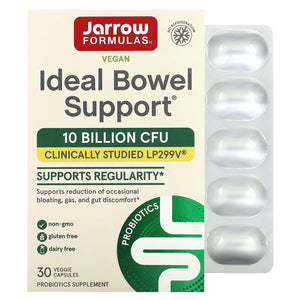
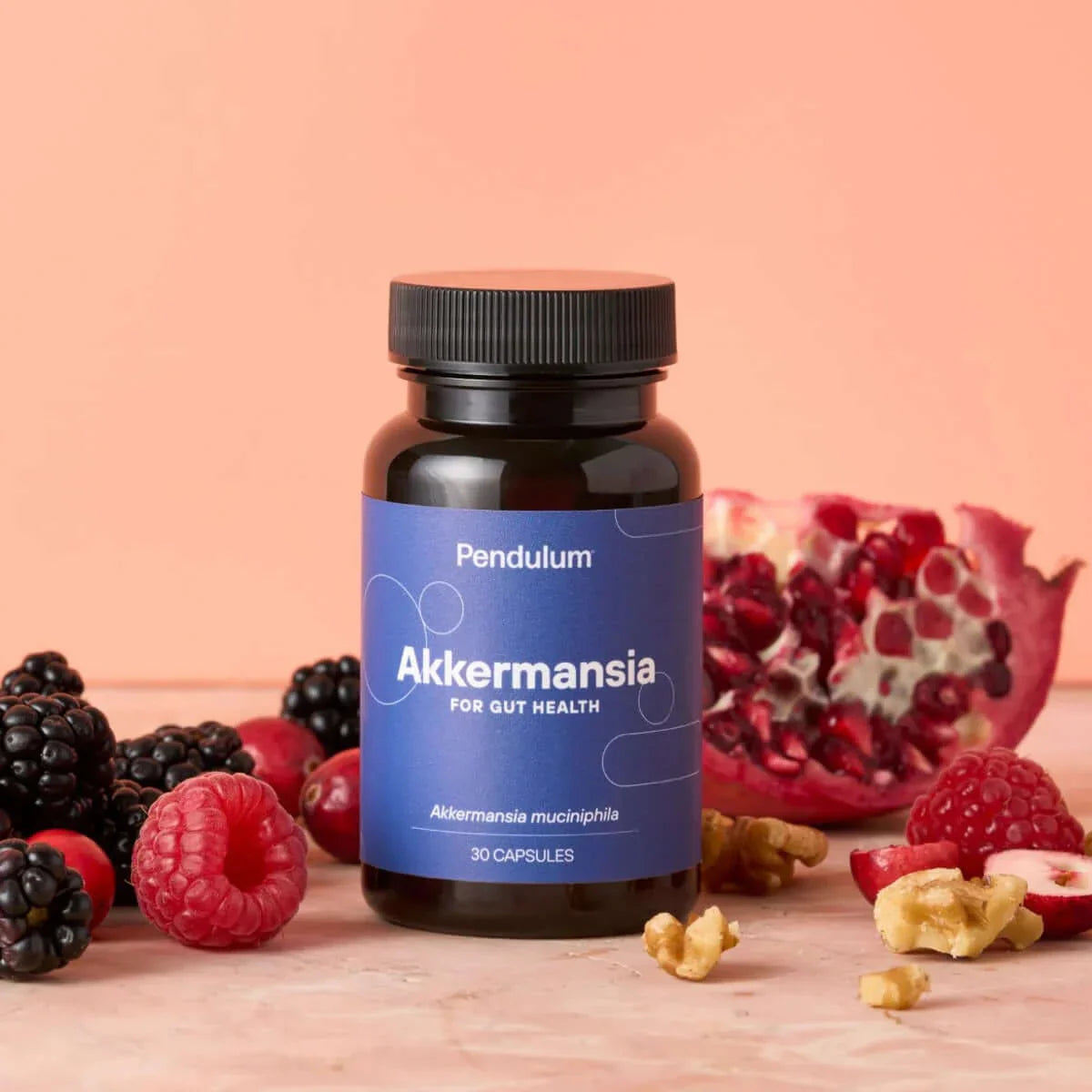
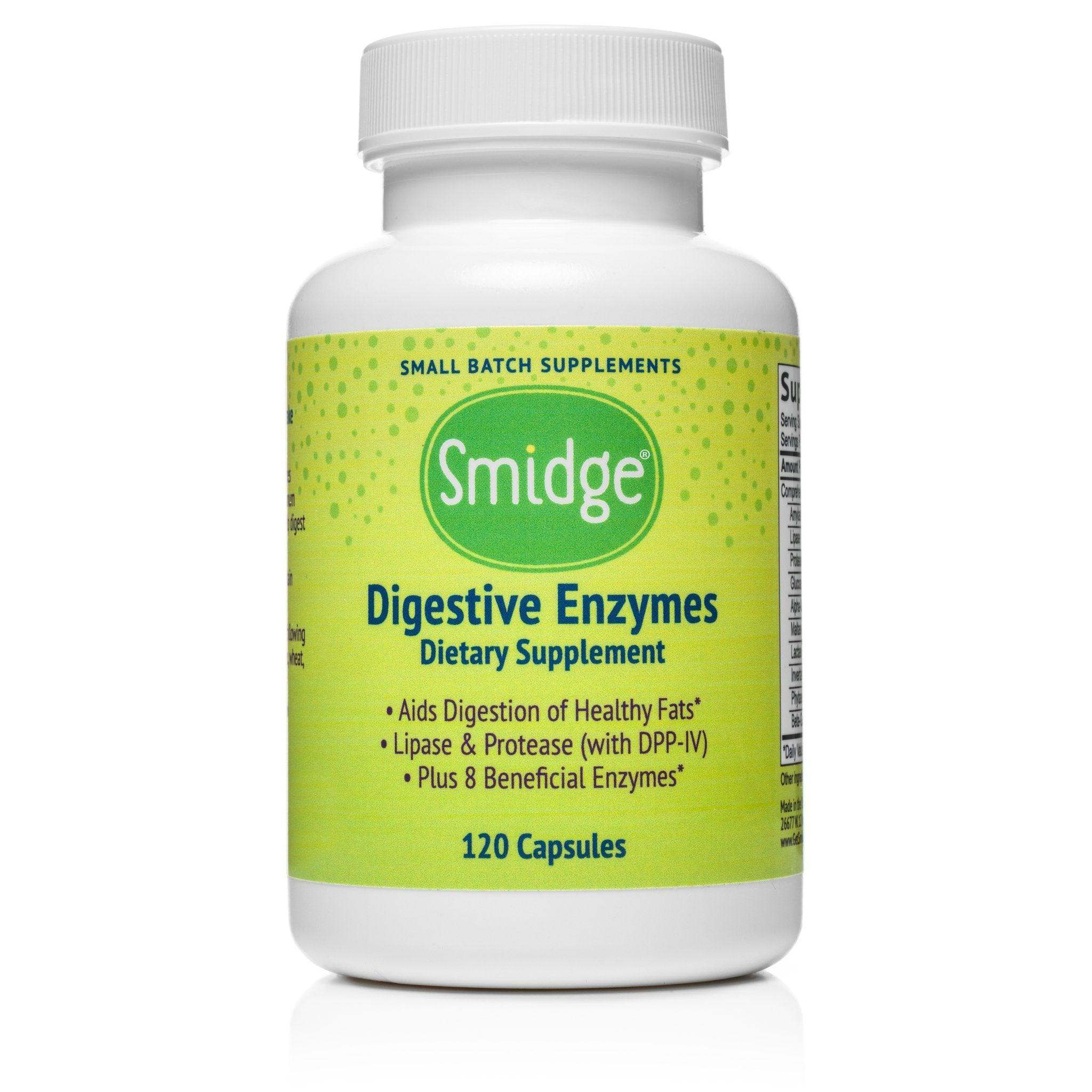
Welzo sells both digestive enzymes and probiotics and earns revenue when you buy either. We have written this comparison to help you avoid buying the wrong one, including several sections that recommend buying neither. Welzo's Ultra Purity range does not include a digestive enzyme or a conventional probiotic. Welzo does sell an own-brand Welzo Digestive Enzymes Complex; we have not featured or illustrated it here, both to avoid promoting our own product in a piece about which category to choose, and because it was showing as unavailable at the time of writing. All three products pictured are third-party brands, chosen to illustrate the categories rather than as recommendations. Prices and stock status were taken from welzo.com on the date of publication and change frequently.
 Rated Excellent by 26,523+ Reviews
 100% Money Back Guarantee
Our money back guarantee ensures you receive your items or get a full refund.