


Related collections



Histamine Intolerance: Symptoms, Foods and DAO Support
Posted on:
Aug 05, 2026
Authored by


Written by Dr Zeeshan Afzal — Medical Doctor (MBBS)
Reviewed against peer-reviewed research and current dietary guidance. Last updated: July 2026.
This article is for general information and education only and is not medical advice. Histamine intolerance is an emerging, still-debated diagnosis with no single validated test, and supplements are not a cure. Prices are a guide at the time of writing — check the product page for the current price. Always speak to your GP, pharmacist or a registered dietitian before changing your diet or starting a supplement, especially if you are pregnant, breastfeeding or taking other medication.
Histamine intolerance is one of the most misunderstood problems in digestive health: it's what happens when your body takes in or produces more histamine than it can break down. The result is a bewildering mix of symptoms — headaches, flushing, hives, a blocked nose, bloating and diarrhoea — that often appear after eating certain foods and are easily mistaken for allergies. This guide explains the symptoms, the foods that most often trigger them, and how DAO (diamine oxidase) support and related supplements fit into a sensible plan.
Getting the diagnosis right matters before you start cutting out foods or buying gut health supplements, because symptoms overlap with IBS, SIBO, coeliac disease and gluten sensitivity and true food allergy. For the bigger picture, see our guide to gut health in the UK.
Table of Contents
Histamine is a natural chemical your body makes (from immune cells such as mast cells) and also takes in from food. It plays useful roles in immunity, stomach acid production and nerve signalling. Problems arise only when free histamine builds up faster than your body can clear it. Researchers describe histamine intolerance as an imbalance between the histamine load and the body's capacity to break it down, rather than an allergy.
Two enzymes clear histamine. Inside cells, HNMT does the job; in your gut, the key enzyme is diamine oxidase (DAO) — a copper-dependent enzyme (encoded by the AOC1 gene) that breaks down histamine from food before it can be absorbed. When DAO activity is low, dietary histamine can pass into the circulation and act on histamine (H1–H4) receptors across the skin, gut, airways, blood vessels and nervous system. That is why the symptoms are so varied, and why they resemble an allergic reaction despite not involving IgE antibodies.
This is an area where honesty matters. Histamine intolerance is a real but still-emerging and debated diagnosis. There is no single validated laboratory test that confirms it, and serum DAO measurements have limited reliability. In practice it is a diagnosis of exclusion: doctors first rule out food allergy, mast cell disorders, coeliac disease and other gut conditions, and the diagnosis is supported when a low-histamine diet clearly improves symptoms. Treat any product or test that promises a definitive "histamine intolerance diagnosis" with healthy scepticism.
The classic estimate, from Maintz and Novak's widely cited 2007 review, is that around 1% of people are affected, roughly 80% of them middle-aged, with a marked female predominance. Some more recent reviews suggest the figure could be higher — up to a few percent — but because diagnosis is imprecise, all prevalence numbers should be read with caution.
Because histamine acts throughout the body, symptoms are multi-system and vary from person to person. In clinical case series, gut symptoms are the most common, with abdominal bloating and distension reported by the large majority of patients. Typical features by body system include:
| Body system | Common symptoms |
|---|---|
| Digestive | Bloating and abdominal distension, cramps, diarrhoea, nausea, wind |
| Head & nervous system | Headaches and migraines, dizziness, brain fog |
| Skin | Flushing, itching (pruritus), hives (urticaria) |
| Airways | Nasal congestion, runny nose, sneezing |
| Heart & circulation | Palpitations, low blood pressure, light-headedness |
A useful clue is timing and dose: symptoms often follow histamine-rich meals or alcohol, and tend to be cumulative — a small amount may be fine, but the "bucket" overflows once your total histamine load crosses a personal threshold. If you also get symptoms that look like a classic allergy (lip or throat swelling, breathing difficulty), seek medical advice urgently, as that is different from intolerance.
Anything that lowers DAO activity or raises your histamine load can tip the balance. Common contributors include:
Interestingly, DAO activity rises during pregnancy (the placenta produces it), and many women find their symptoms ease at that time — a neat illustration of how central the enzyme is.
Food histamine levels vary a lot with freshness, ripeness, storage and processing — the longer a protein-rich food is aged, fermented or left over, the more histamine it tends to contain. Alongside high-histamine foods, two other groups matter: histamine liberators (foods thought to trigger histamine release) and DAO blockers (which slow histamine breakdown).
| Category | Examples |
|---|---|
| High in histamine | Aged and matured cheeses; cured and processed meats (salami, ham); fermented foods (sauerkraut, kimchi, soy sauce, miso, kombucha, yogurt); smoked, canned or aged fish (mackerel, tuna, sardines, anchovies); shellfish; spinach, tomatoes, aubergine; leftovers |
| Histamine liberators | Citrus fruits, strawberries, tomatoes, chocolate/cocoa, banana, pineapple, papaya, some nuts and additives |
| DAO blockers | Alcohol (especially wine, beer, champagne), black and green tea, energy drinks |
| Usually well tolerated (lower histamine) | Freshly cooked meat, poultry and fish; eggs; most fresh vegetables; apple, pear, mango, blueberries; rice, quinoa, oats; olive oil; fresh herbs |
Note the overlap with our guides to foods that cause bloating and fermented foods — the very foods prized for gut health (kefir, kimchi, kombucha) are often high in histamine, which is why a "healthy" diet can paradoxically worsen symptoms in sensitive people.
The low-histamine diet is a diagnostic and management tool, not a permanent way of eating. In Dr Zeeshan Afzal's view, it is best done in three structured phases, ideally with support from a registered dietitian:
Do not over-restrict. Long, unnecessarily strict low-histamine diets risk nutrient deficiencies and a shrinking list of "safe" foods, which can make matters worse. Think in terms of swapping foods (for example, arugula or kale instead of spinach) rather than simply dropping them. If you are also exploring gut triggers, the low-FODMAP diet is a separate, structured approach worth understanding.
Supplements are an adjunct to diet, not a replacement — and the evidence base is still developing. Below are the options with the most rationale, including two you can buy from Welzo (shown with their real product images).
What it is: An oral form of the diamine oxidase enzyme, taken shortly before meals to help break down histamine in the gut. Most DAO supplements are derived from porcine (pig) kidney, though vegetarian pea-sprout versions exist.
The evidence: Emerging and promising but limited. Trials have used roughly 4.2 mg of DAO before meals; in one small study most participants saw at least one digestive symptom improve, and an open-label study reported significant reductions across a range of histamine-intolerance symptoms during supplementation, with symptoms returning once it stopped. DAO does not treat the underlying cause and will not prevent a true allergic or coeliac reaction.
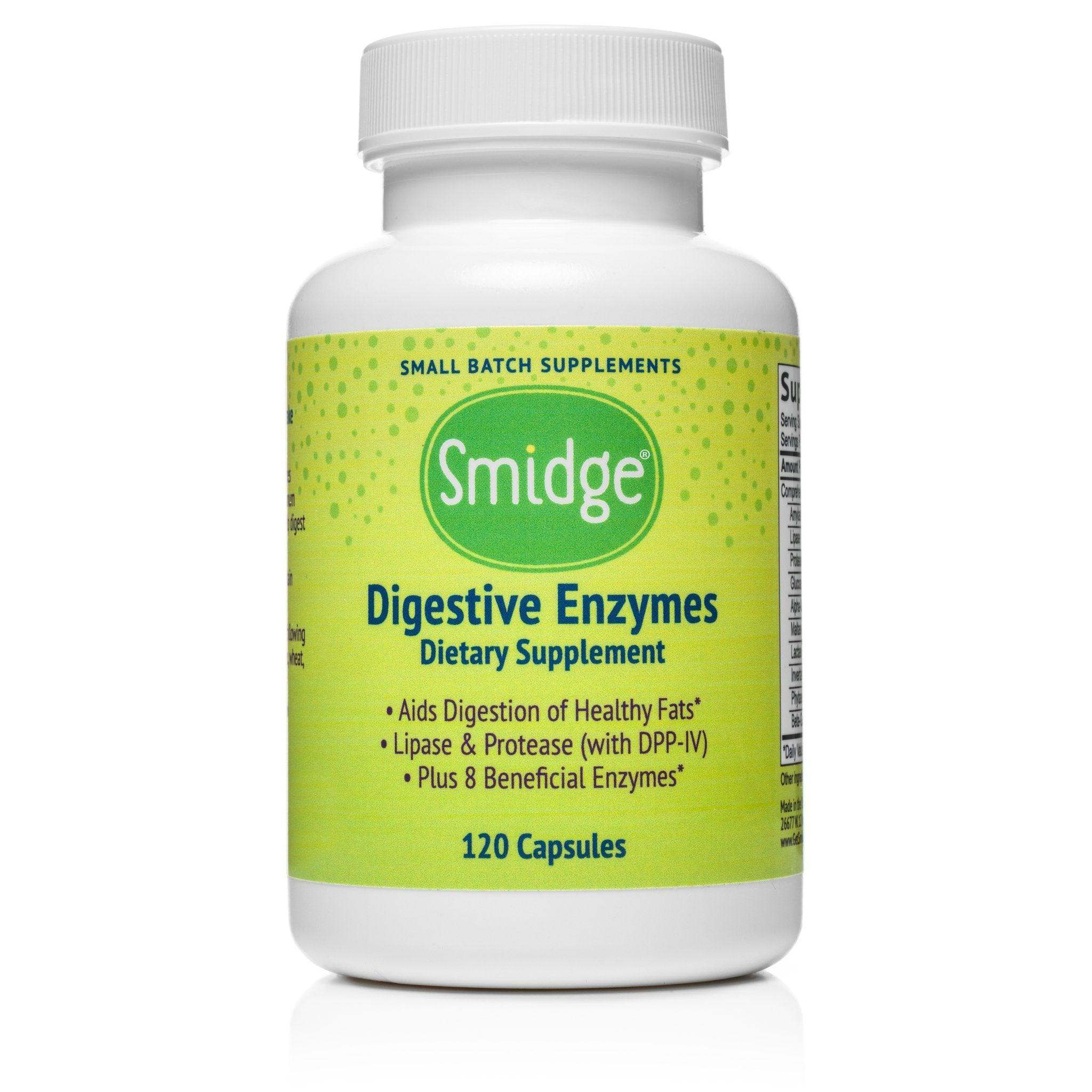
How to use: Take before histamine-containing meals, as directed. Welzo does not currently list a dedicated DAO enzyme product; broad digestive enzyme supplements are the closest category, and a food intolerance test may help you target the right approach first.

★★★★★ 94 reviews · Pure Encapsulations Quercetin 250mg (120 vcaps) · Guide price ~£56.70 · View on Welzo
What it is: Quercetin is a plant flavonoid that acts as a mast cell stabiliser, helping to reduce the release of histamine. It is one of the most commonly used natural options for histamine-related and allergy-type symptoms.
The evidence: Laboratory and early human studies suggest quercetin can dampen histamine release and ease allergy-type symptoms such as a runny nose and itching; robust clinical trials specifically in histamine intolerance are still limited. Browse the full quercetin range for other formats.
How to use: Typically taken daily with or between meals, following the label. Best used consistently rather than as an on-the-spot fix.

★★★★★ 148 reviews · Lamberts Vitamin C 1000mg with Bioflavonoids & Rose Hips (120 tabs) · Guide price ~£16.01 · View on Welzo
What it is: Vitamin C is both an antioxidant that helps stabilise mast cells and a nutrient that supports histamine breakdown. Paired here with citrus bioflavonoids (flavonoids in the same family as quercetin), it is a gentle, well-tolerated everyday option.
The evidence: Reviews of dietary management note that vitamin C (alongside vitamin B6) is used to support DAO activity and histamine metabolism. It is a supportive nutrient rather than a stand-alone treatment. Explore the wider vitamin C range.
How to use: Taken daily with food. Some very sensitive people prefer a buffered or low-acid form.
DAO cannot work without its cofactors. Vitamin B6 is required for DAO production, and supplementing it has been shown in studies to support DAO levels; copper is part of the enzyme itself. Adequate intake of both underpins healthy histamine breakdown. You can explore the Welzo vitamin B6 range and copper range, but keep doses sensible — more is not better, and copper in particular should not be over-supplemented. Ask your pharmacist if you are unsure.
Probiotics are a double-edged sword in histamine intolerance. Some strains actually produce histamine (certain Lactobacillus species such as some L. casei and L. bulgaricus), while others are neutral or histamine-degrading. Lactobacillus rhamnosus GG is generally considered histamine-friendly. If you want to try a probiotic, favour carefully chosen, low-histamine strains and introduce them slowly — see our guides to how to choose a probiotic and probiotic side effects, and browse the L. rhamnosus range or wider probiotics collection.
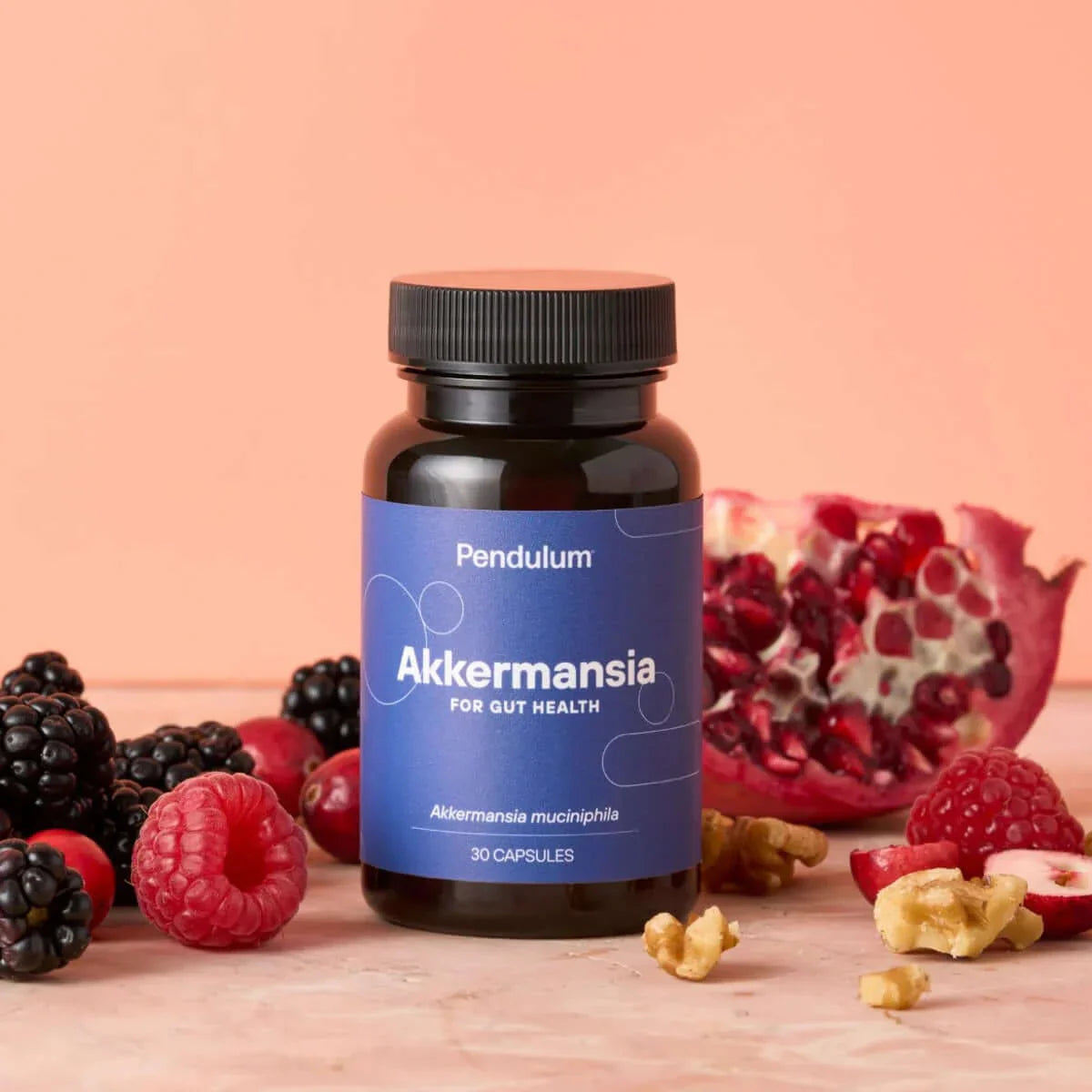
A note on the wider Welzo gut range: Popular gut products such as Welzo Akkermansia, citrus pectin powder, berberine and TUDCA are aimed at general gut and metabolic health — they are not treatments for histamine intolerance, and because Akkermansia is formulated with a Lactobacillus strain it is not specifically a low-histamine product. Always match the supplement to your actual symptoms and check with your GP or pharmacist first.
There is no single reliable test for histamine intolerance, so be wary of expensive "histamine intolerance panels". The most useful approach is a supervised low-histamine elimination and reintroduction, after your doctor has ruled out other causes. Serum DAO tests exist but have limited accuracy.
See your GP — and read our guide on when to see a GP about stomach problems — if you have weight loss, blood in your stool, persistent vomiting or diarrhoea, difficulty swallowing, or any allergic-type symptoms such as swelling or breathing difficulty. These need proper assessment to exclude food allergy, coeliac disease, mast cell disorders and other conditions before histamine intolerance is considered. A food intolerance test may be a helpful starting point in the right circumstances.
It is when your body can't break down histamine as fast as it builds up, so free histamine accumulates and triggers symptoms like headaches, flushing, hives, a blocked nose and digestive upset. It is not an allergy, and it tends to be dose-dependent.
The most common are digestive (bloating, abdominal distension, diarrhoea), along with headaches or migraines, flushing, itching or hives, nasal congestion, and sometimes palpitations or light-headedness. Symptoms often follow histamine-rich meals or alcohol.
Aged cheeses, cured and processed meats, fermented foods (sauerkraut, kimchi, soy sauce, kombucha), alcohol, smoked or canned fish, shellfish, spinach, tomatoes, aubergine, and leftovers. Citrus, strawberries, chocolate and bananas can act as histamine liberators.
Freshly cooked meat, poultry and fish, eggs, most fresh vegetables, apples, pears, mango, blueberries, rice, quinoa, oats, olive oil and fresh herbs are usually better tolerated. Freshness is key — cook and eat proteins fresh rather than as leftovers.
DAO supplements taken before meals may reduce food-related symptoms in some people, and early trials are encouraging, but the evidence is still limited. DAO addresses dietary histamine only — it doesn't fix the underlying cause and won't prevent a genuine allergy or coeliac reaction.
Shortly before a histamine-containing meal, so the enzyme is present as food is digested. Trials have typically used around 4.2 mg of DAO before meals. Always follow the product's directions.
Both are commonly used. Quercetin is a mast cell stabiliser that may reduce histamine release, and vitamin C is an antioxidant that supports histamine breakdown and mast cell stability. They are supportive options rather than cures, and work best alongside dietary changes.
It depends on the strain. Some probiotics produce histamine and can worsen symptoms, while others are neutral or histamine-degrading. If you try one, choose carefully — Lactobacillus rhamnosus GG is generally considered histamine-friendly — and introduce it slowly.
There is no single validated test. Diagnosis is clinical: your doctor rules out allergy, coeliac disease and other conditions, and the diagnosis is supported when a structured low-histamine diet clearly improves your symptoms and reintroduction brings them back.
Not necessarily. Because it often relates to gut health, medications, alcohol and overall histamine load, tolerance can improve when the underlying contributors are addressed. Many people find they can reintroduce foods over time rather than avoiding them forever.
Medical disclaimer: This article is for general information only and is not a substitute for professional medical advice, diagnosis or treatment. Histamine intolerance is an emerging diagnosis without a single validated test, and supplements are not a cure. Prices and availability can change — always check the product page. Consult your GP, pharmacist or a registered dietitian before changing your diet or starting a supplement, particularly if you are pregnant or breastfeeding, have a medical condition, or take other medication. Do not stop any prescribed medicine without medical advice, and seek urgent help for any signs of an allergic reaction such as swelling or breathing difficulty.
 Rated Excellent by 26,523+ Reviews
 100% Money Back Guarantee
Our money back guarantee ensures you receive your items or get a full refund.


