



SIBO UK: Symptoms, Testing and Best Supplements for Relief
Posted on:
Aug 05, 2026
Authored by


Written and medically reviewed by Dr Zeeshan Afzal (MBBS) — Medical Doctor & Medical Content Lead, Welzo
Evidence-based · Aligned with the ACG Clinical Guideline on SIBO and peer-reviewed research · UK-focused
Last updated: January 2026 · Reading time: ~15 minutes
Small intestinal bacterial overgrowth — SIBO — is one of the most talked-about topics in digestive health right now, one of the most misunderstood, and the target of a whole category of gut health supplements. It happens when bacteria that normally live mainly in the large intestine build up in excess in the small intestine, where they ferment food too early and produce gas, bloating and altered bowel habits. Because those symptoms overlap almost completely with IBS, SIBO is easy to suspect and surprisingly tricky to confirm.
This doctor-reviewed guide explains what SIBO actually is, the symptoms and causes, how testing works in the UK and its limits, and the evidence for both medical and supplement-based relief — including where herbal antimicrobials fit. Throughout, I've tried to be honest about what's well-established and what remains uncertain, because SIBO is an area where confident claims often outrun the evidence.
The short version: SIBO is excess bacteria in the small intestine, causing bloating, gas and altered bowel habits. It's usually diagnosed with a hydrogen/methane breath test, though testing has real limitations. The medical mainstay is the antibiotic rifaximin; one study found herbal antimicrobials (containing berberine, oregano and allicin) at least as effective. Treating the underlying cause and preventing relapse matter most. Explore Welzo's gut health range, and always confirm SIBO with a clinician first.

Table of contents
The small intestine is where most digestion and nutrient absorption happens, and it normally carries far fewer bacteria than the colon. In SIBO, that balance breaks down: bacteria — often ones that belong further downstream — colonise the small bowel in excess. As they ferment carbohydrates before your body can absorb them, they generate hydrogen and other gases, which drive the classic bloating, distension and wind.
SIBO is often divided by the dominant gas. Hydrogen-producing overgrowth tends to cause diarrhoea, while methane — now formally described as intestinal methanogen overgrowth (IMO) — is more associated with constipation. A hydrogen-sulfide subtype is also recognised. According to the American College of Gastroenterology's 2020 SIBO guideline, there is no perfect diagnostic test, and much of the evidence base is still low-certainty — an important caveat to keep in mind. SIBO also overlaps with broader IBS management, since the two frequently coexist.
SIBO symptoms are largely digestive and often worsen through the day or after carbohydrate-rich meals. Common features include:
In more significant or long-standing cases, SIBO can impair absorption, occasionally leading to vitamin B12 deficiency, fat malabsorption or unintended weight loss. Those features are red flags that always warrant medical assessment rather than self-treatment.
SIBO almost always has an underlying driver — which is why identifying and addressing it is central to lasting relief. The main mechanisms are:
The most widely used test is a breath test: after drinking a sugar solution (lactulose or glucose), you provide breath samples over a couple of hours while the lab measures hydrogen and methane. Under current guidance, a rise of more than 20 ppm in hydrogen and/or more than 10 ppm in methane within 90 minutes is considered suggestive of SIBO.
Breath testing is convenient and non-invasive, but it isn't perfect — false positives and negatives are common, and lactulose tests in particular can be hard to interpret. The historical reference standard is a jejunal aspirate (a sample taken during endoscopy and cultured), but it's invasive and not routinely done. In the UK, breath tests are widely available privately, while NHS access varies. Our guide to SIBO testing in the UK covers the options and how to interpret results.
The conventional first-line treatment is rifaximin, a poorly absorbed antibiotic that acts largely within the gut and has a favourable side-effect profile. For methane-predominant (IMO) cases, it's often combined with neomycin. According to the AGA Clinical Practice Update on SIBO, a single 7–10 day course improves symptoms in roughly 46–90% of patients and normalises breath tests in about 20–75% — helpful, but with meaningful relapse rates.
Because recurrence is common, effective management usually pairs the initial "kill phase" with steps to fix the underlying cause and keep the small bowel moving. Antibiotics are prescription-only and should be directed by a doctor; they aren't something to self-source or repeat indefinitely.
Supplements are best seen as adjuncts — used alongside proper diagnosis and, often, medical treatment. The strongest supplement evidence is for herbal antimicrobials; the rest play supportive roles.
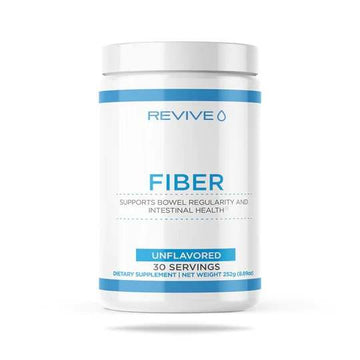
This is where the supplement evidence is most interesting. In a study of 104 patients with SIBO, herbal antimicrobial protocols were at least as effective as rifaximin at normalising breath tests — around 46% response with herbals versus 34% with the antibiotic, a difference that wasn't statistically significant, and with fewer adverse effects (Chedid et al., 2014). The protocols typically combined botanicals such as berberine, oregano oil and allicin (from garlic). Berberine in particular has separate randomised-trial support in diarrhoea-predominant IBS (Chen et al., 2015). Allicin is commonly favoured for methane-predominant cases, though formal evidence there is thinner. These are potent agents best used under professional guidance, and berberine can interact with medicines — see our note on berberine interactions before starting. Explore Welzo's Ultra Purity Berberine.
Because weak motility is a leading cause of SIBO, "prokinetics" that encourage the migrating motor complex are often used after the kill phase to reduce relapse. Prescription prokinetics exist, and ginger is a gentle, well-tolerated natural option with motility-supporting properties. Prokinetics don't clear an established overgrowth on their own, but they're one of the most logical tools for keeping SIBO from returning.
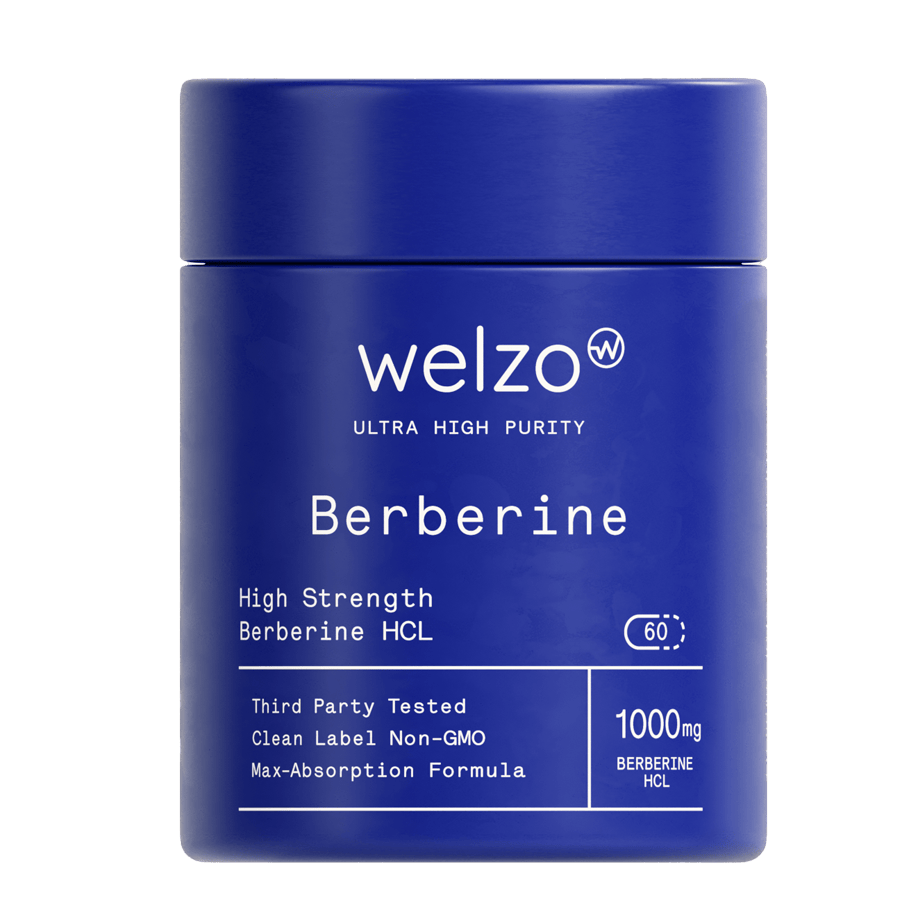
Where digestion is incomplete — for example with low pancreatic enzyme output — targeted digestive enzymes can reduce the fermentable residue that feeds overgrowth and ease food-specific symptoms. They're supportive rather than curative, and most useful when there's a genuine insufficiency or clear food triggers.
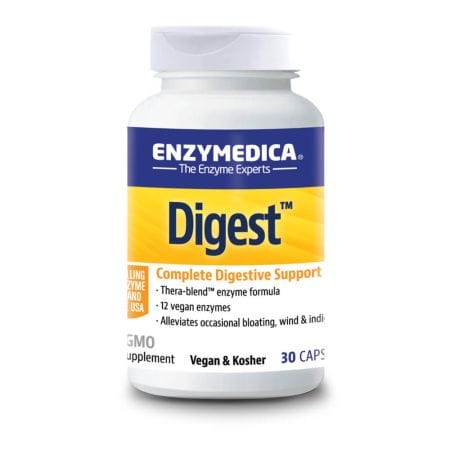
Probiotics in SIBO are genuinely contentious. Some studies suggest certain strains may help reduce bacterial overgrowth and symptoms, while others worry about adding more bacteria to an already overgrown small bowel — and guidelines don't formally endorse them. The pragmatic view is that a specific, well-studied strain may be worth a carefully monitored trial, ideally after the overgrowth has been addressed, rather than during the acute phase. Browse the Welzo probiotics collection if you and your clinician decide to try one.
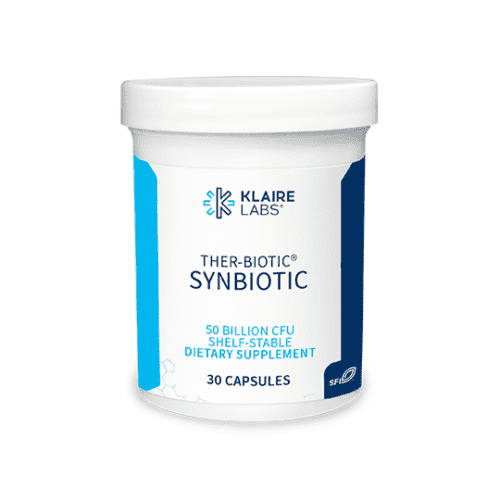
This table summarises where each option fits. "Evidence" reflects the current strength of human research specifically for SIBO.
| Option | Role in SIBO | Evidence |
|---|---|---|
| Rifaximin (antibiotic) | First-line "kill phase" | Moderate (guideline-backed) |
| Herbal antimicrobials | Alternative kill phase (berberine, oregano, allicin) | Emerging (one comparative study) |
| Prokinetics / ginger | Relapse prevention via motility | Mechanistic / supportive |
| Digestive enzymes | Support digestion, reduce fermentable residue | Supportive (targeted) |
| Probiotics | Contested; possible adjunct after treatment | Mixed / uncertain |
SIBO evidence is generally low-certainty. Supplements should complement, not replace, medical assessment.
Diet plays two roles in SIBO: reducing symptoms during treatment, and supporting recovery afterwards.
Some presentations labelled "SIBO" are really something else — bile acid diarrhoea, for instance, involves different pathways, and products like TUDCA target bile flow rather than bacterial overgrowth. This is exactly why a proper diagnosis matters before committing to a protocol.
SIBO sits in a grey zone: the symptoms are common and mostly benign, but they can also signal something that needs investigation, and the treatments (antibiotics, potent botanicals) aren't risk-free. A few safety points: don't self-diagnose SIBO from symptoms alone, don't take repeated courses of antibiotics or antimicrobials without medical oversight, and check interactions with your pharmacist — berberine, for example, affects how several medicines are metabolised.
See your GP before self-treating if you have:
These need proper assessment. Learn more about when to see a GP about stomach symptoms, and see NHS — Irritable bowel syndrome (IBS), which covers overlapping symptoms.
SIBO, or small intestinal bacterial overgrowth, is when too many bacteria build up in the small intestine — where levels are normally low. They ferment food early, producing gas that causes bloating, wind and changes in bowel habit. It overlaps heavily with IBS and usually reflects an underlying problem such as slow gut motility.
The most common symptoms are bloating and distension, excess gas and belching, abdominal pain, and diarrhoea, constipation or both — often worse after carbohydrate-rich meals. Fatigue is frequently reported, and severe or long-standing cases can cause malabsorption, weight loss or B12 deficiency, which need medical review.
The usual test is a hydrogen/methane breath test after drinking a sugar solution, available widely at private clinics and sometimes on the NHS. A rise of more than 20 ppm hydrogen and/or 10 ppm methane within 90 minutes suggests SIBO. The test isn't perfect, so results should be interpreted by a clinician alongside your symptoms.
The conventional first-line treatment is the antibiotic rifaximin, sometimes combined with neomycin for methane-predominant cases. One study found herbal antimicrobial protocols at least as effective. Crucially, lasting relief also depends on treating the underlying cause and supporting gut motility to prevent relapse.
Berberine is a common component of herbal antimicrobial protocols that, in one comparative study, performed at least as well as rifaximin for SIBO. It also has randomised-trial support in diarrhoea-predominant IBS. It's a potent botanical that can interact with medicines, so it's best used under professional guidance rather than self-prescribed.
Some people clear SIBO using herbal antimicrobials, dietary change and motility support, and one study found herbal protocols comparable to antibiotics. However, "natural" doesn't mean risk-free or guaranteed, and SIBO tends to recur if the underlying cause isn't addressed. A clinician-guided plan gives the best chance of lasting results.
It's genuinely debated. Some strains may help, while others could theoretically add to an overgrown small bowel, and guidelines don't formally recommend them. If used, a specific well-studied strain is generally better trialled after the overgrowth has been treated, and under guidance, rather than during the acute phase.
During treatment, many people reduce highly fermentable carbohydrates using a structured low-FODMAP approach, ideally with a dietitian. This is a short-term symptom-control strategy, not a permanent diet — restricting for too long can harm the wider microbiome, so variety should be rebuilt gradually once symptoms settle.
No, but they overlap. SIBO is a specific finding of excess small-bowel bacteria, whereas IBS is a broader disorder of gut–brain interaction. SIBO appears to be more common in people with IBS, particularly the diarrhoea-predominant type, and the two can coexist, which is part of why they're often confused.
An initial antibiotic or herbal "kill phase" typically runs for about two to four weeks, but full management often takes longer because of high relapse rates and the need to address the underlying cause. Many people need a phased plan combining treatment, diet, motility support and follow-up rather than a single quick fix.
Medical disclaimer: This article is for general information and education only and does not constitute medical advice, diagnosis or treatment. It should not replace consultation with a qualified healthcare professional. Supplements are not intended to diagnose, treat, cure or prevent any disease. SIBO should be diagnosed and managed with a clinician; antibiotics are prescription-only, and potent botanical antimicrobials can interact with medication. Always seek advice from your GP, pharmacist or a suitably qualified clinician before starting new treatments, particularly if you are pregnant, breastfeeding, immunocompromised or taking other medicines.
About the author
Dr Zeeshan Afzal (MBBS) is a practising medical doctor and Welzo's Medical Content Lead. He writes and reviews Welzo's health content to ensure it is accurate, evidence-based and aligned with current UK clinical guidance, translating complex research into practical advice patients can trust.
 Rated Excellent by 26,523+ Reviews
 100% Money Back Guarantee
Our money back guarantee ensures you receive your items or get a full refund.